III Forks
III Forks sits on Lavaca Street in downtown Austin, positioning itself within the city's upper-tier steakhouse bracket. The format follows the classical American chophouse tradition: prime beef, serious wine, and a room designed for conversation that carries weight. In a city where live-fire cooking and barbecue define the popular imagination, III Forks occupies the formal end of the spectrum.
Pearl is the En Primeur Club membership app — saves, bookings, and concierge access live there. Same editors, same standards.
- Address
- 111 Lavaca St, Austin, TX 78701
- Phone
- +15124741776
- Website
- 3forks.com
- Directions
- Get directions
 Saves & bookings on Pearl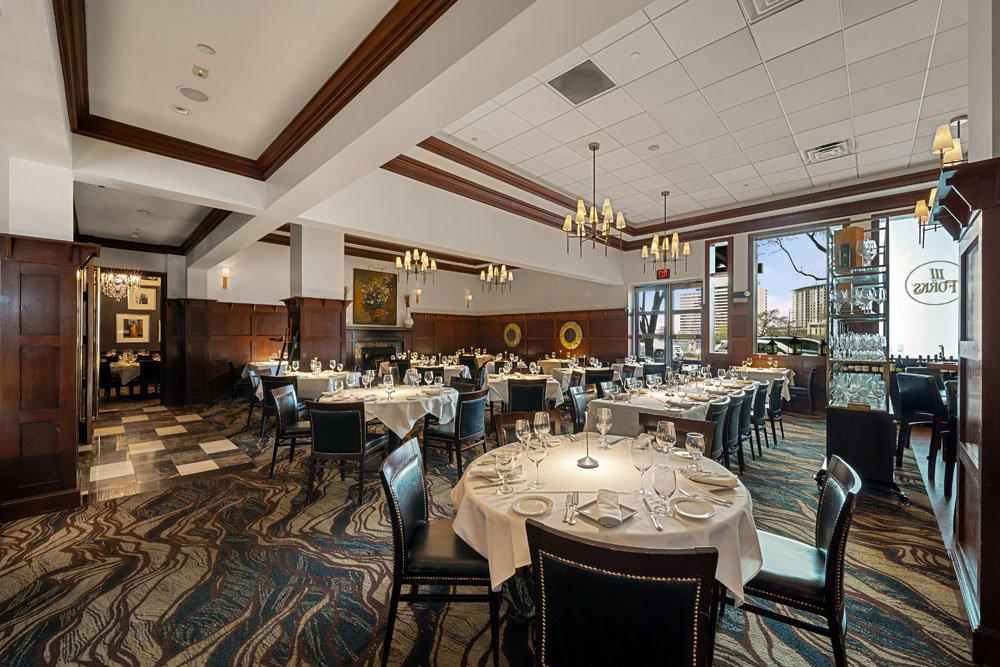
Downtown Austin's Formal Beef Tradition
Austin's dining conversation tends to orbit live-fire counters, forward-leaning New American menus, and the barbecue pits that have defined the city's national reputation for a decade. The classical American steakhouse sits at a different register entirely — formal, deliberate, and structured around a single protein category executed with consistency rather than creativity. III Forks, at 111 Lavaca St in the heart of downtown, occupies that position in Austin's dining hierarchy. Its Lavaca Street address places it close to the financial and legal district, which sets the room's energy and its clientele in ways that distinguish it sharply from the east side venues and the newer tasting-menu formats that draw most of the critical attention. For context on how Austin's dining scene distributes across price tiers and styles, our full Austin restaurants guide maps the wider picture.
The Steakhouse Format in Context
The American steakhouse is one of the most codified dining formats in existence. Dim lighting, heavy wooden furnishings, white tablecloths, a wine list weighted toward California Cabernet and Bordeaux, and a menu built on cuts ranked by grade and aging method — these are the genre conventions, and they exist for reasons that have nothing to do with nostalgia. The format concentrates attention on beef quality in the way that an omakase counter concentrates attention on fish. The room dims so that the plate is the event. The service cadence slows so that the conversation can breathe. III Forks operates within that tradition on Lavaca Street, offering the genre's structural logic to a downtown Austin audience that includes business dinners, anniversary celebrations, and the kind of occasion eating that demands a room with weight to it.
Within Austin, the comparison set for III Forks is a narrow one. The city's premium dining energy has moved substantially toward live-fire formats, Hestia being the clearest example of how open-flame cooking has been formalized into a high-end proposition, and toward the New American tasting-menu tier represented by Barley Swine. The classical chophouse occupies a different lane: no tasting menu, no farm-to-table framing, no chef's counter theater. The transactional clarity of the format, you choose your cut, your temperature, your sides, is itself a kind of luxury for a certain diner.
Atmosphere and Physical Environment
Downtown Austin's commercial core has a different grain than the city's more celebrated dining neighborhoods. The density of office towers and the proximity to the Capitol create an atmosphere that's more suited to the steakhouse format than Austin's east side or South Congress corridor would be. Walking along Lavaca Street toward the restaurant, the built environment signals seriousness: the buildings are taller, the traffic more professional, the foot traffic more purposeful. That context matters to how a room like III Forks reads. The steakhouse's traditional interior logic, leather, wood paneling, low lighting, high booths, functions as a counterpoint to the glass-and-steel surroundings, creating the kind of interior that feels sealed off from the street in a way that dining rooms in converted warehouses or bungalows do not.
The sensory register inside a well-run steakhouse is specific and consistent. The smell of dry-aged beef near the open kitchen or display case, the low murmur of a room doing serious business, the weight of proper silverware, these are not accidental. They are the product of a format that has been refined over more than a century of American restaurant history, from the chophouses of 1890s New York through the mid-century steakhouses of Chicago and Las Vegas to the current generation of urban prime beef restaurants. III Forks participates in that lineage. For readers familiar with the upper tier of that tradition nationally, restaurants like Le Bernardin in New York City or the controlled formality of The French Laundry in Napa, the steakhouse sits in a parallel formal tradition that prizes reliability over surprise.
Where It Sits Against the Wider Austin Scene
Austin's barbecue identity is powerful enough that it shapes expectations for any beef-focused restaurant in the city. Venues like InterStellar BBQ and la Barbecue represent a tradition where the beef is the craft object, the smoke and time and wood selection are the technique, and the setting is deliberately unpretentious. The steakhouse proposes an entirely different relationship with the same protein: controlled aging, precision cooking, formal plating, tableside service. These are not competing claims about which approach is superior. They are different answers to different questions from different diners on different occasions.
Further afield, the Austin market has also seen the growth of precision-focused formats like Craft Omakase, which signals a diner appetite for technical seriousness and premium pricing. III Forks operates at the formal dinner price point that those venues also occupy, competing for the same occasion-dining budget if not for the same type of experience. Nationally, the conversation about formal American dining spans venues as different as Alinea in Chicago, Providence in Los Angeles, Addison in San Diego, and Blue Hill at Stone Barns in Tarrytown, all occupying the premium formal tier, each with a different format logic.
Planning Your Visit
III Forks is located at 111 Lavaca St in downtown Austin, within walking distance of the major hotels in the central business district and accessible by rideshare from most parts of the city. The downtown location makes it a practical choice for business dinners where proximity to offices or conference hotels matters. For visitors cross-referencing Austin's formal dining options against peer cities, venues like Emeril's in New Orleans, Lazy Bear in San Francisco, The Inn at Little Washington in Washington, Atomix in New York City, Single Thread Farm in Healdsburg, and 8 1/2 Otto e Mezzo Bombana in Hong Kong represent the range of formal dining formats available at a similar commitment level. III Forks addresses a specific need in Austin's restaurant ecology: a classical format, a business-district address, and the kind of room that functions as a stage for professional and personal occasions that require more structure than a casual bistro can provide.
Continue exploring
More in Austin
Restaurants in Austin
Browse all →
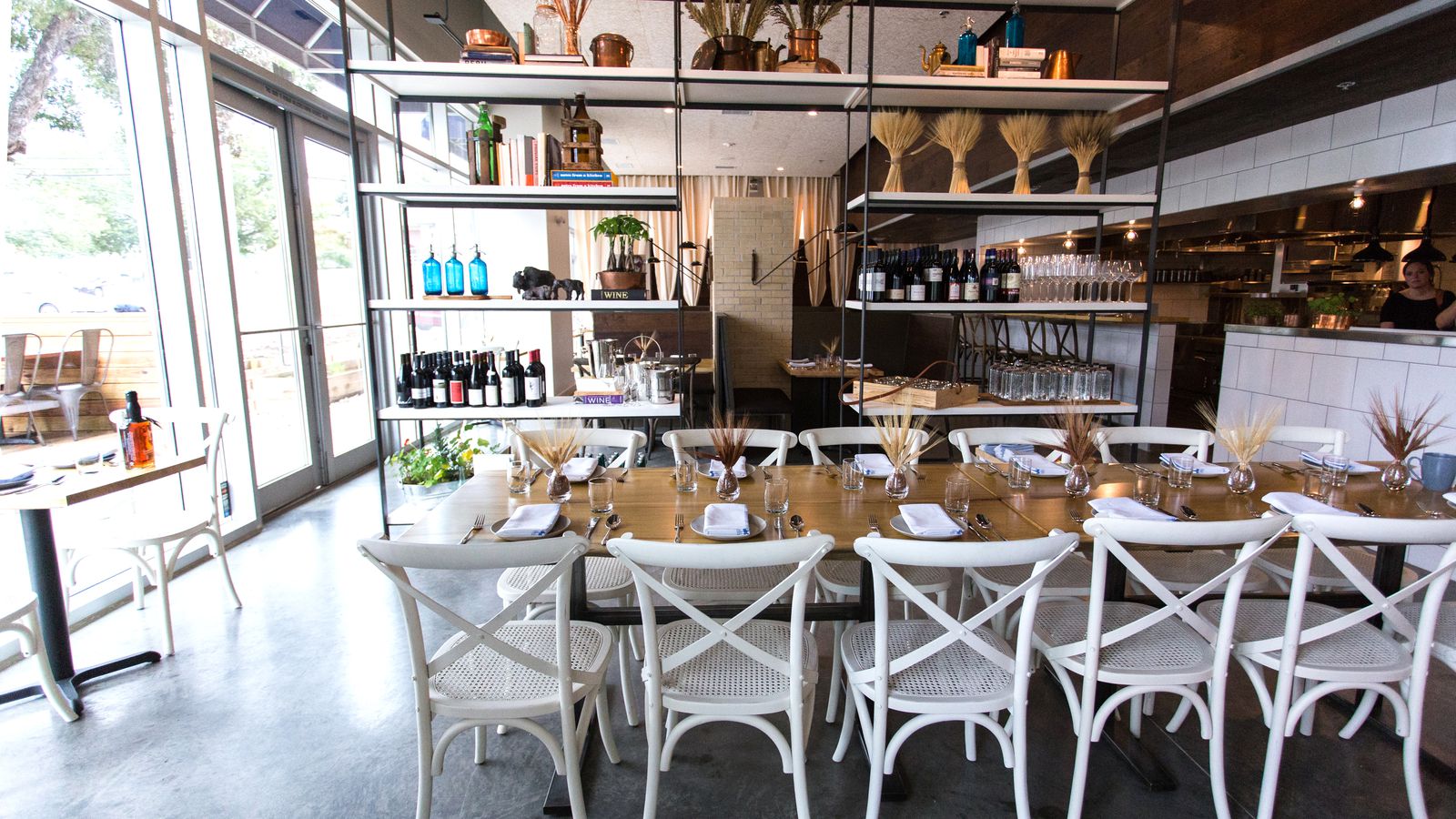
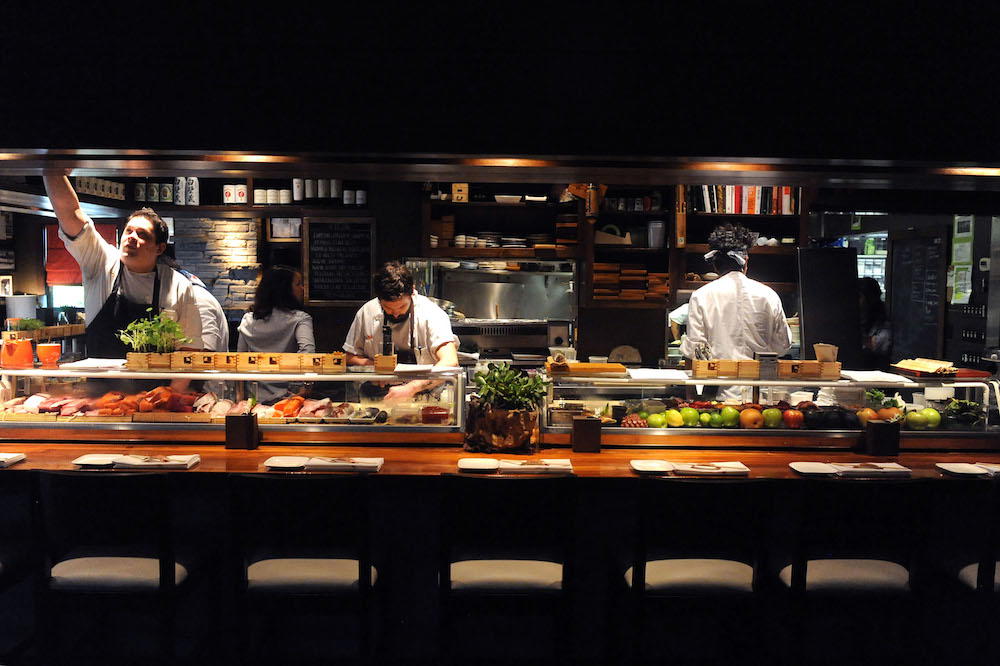
Bars in Austin
Browse all →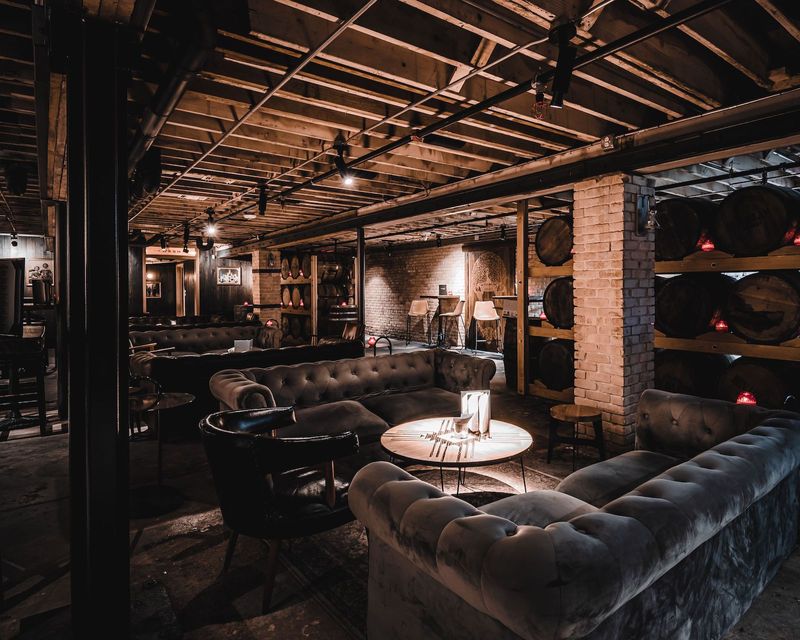
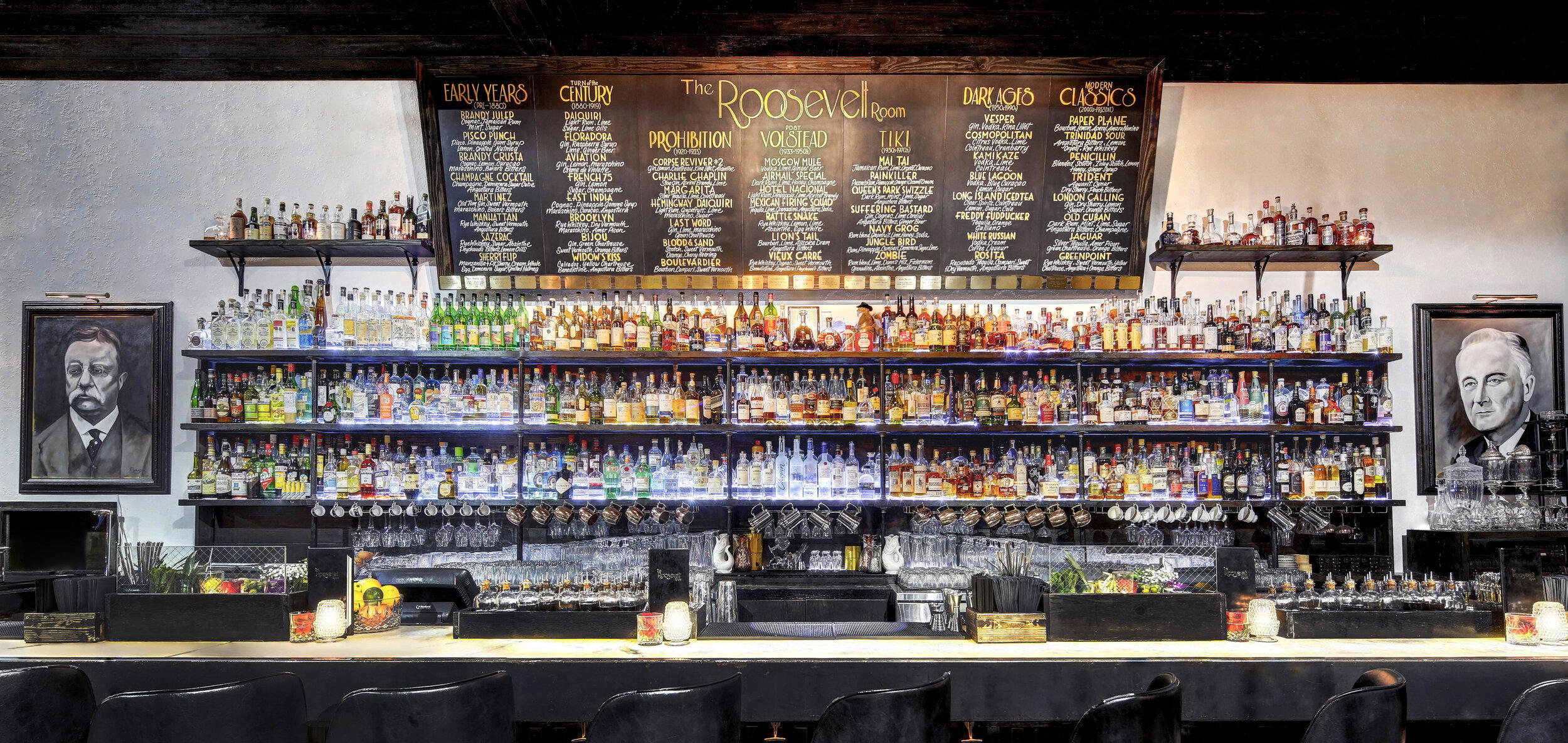
Hotels in Austin
Browse all →

At a Glance
- Elegant
- Sophisticated
- Classic
- Date Night
- Business Dinner
- Special Occasion
- Celebration
- Live Music
- Private Dining
- Extensive Wine List
Current opening hours
- Monday
- 5–10 PM
- Tuesday
- 5–10 PM
- Wednesday
- 5–10 PM
- Thursday
- 5–10 PM
- Friday
- 5–11 PM
- Saturday
- 5–11 PM
- Sunday
- 5–9 PM
Hours can change for holidays and private events. Last verified .
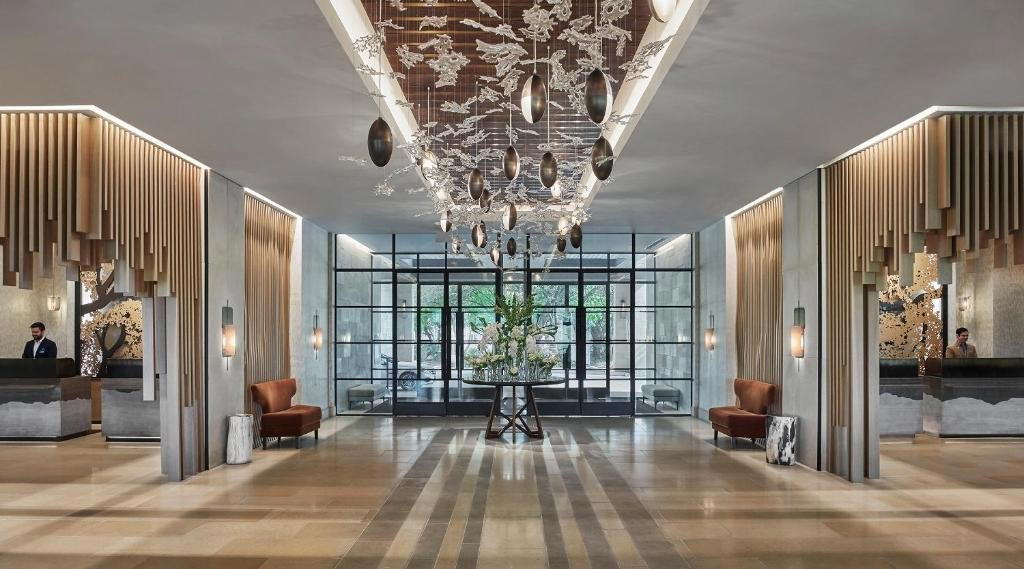
Luxurious atmosphere featuring mahogany, marble, Italian marble surroundings, gold chandeliers, crown molding, wood and leather with a chic, club-like feel and piano bar.
Know Before You Go
- Getting there
- 111 Lavaca St, Austin, TX 78701