Skip to Main Content
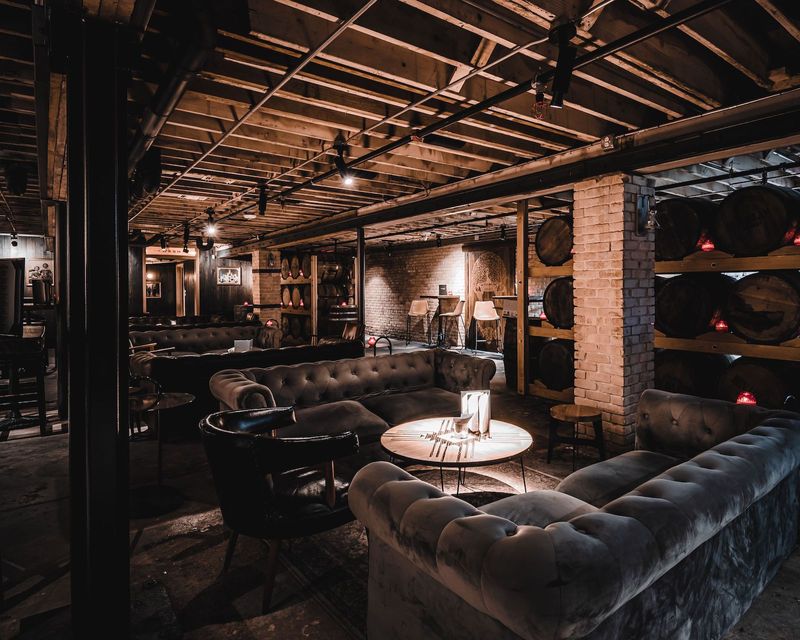
Modern Canapé Lounge
← Collection
Price≈$40
Dress CodeBusiness Casual
ServiceUpscale Casual
NoiseConversational
CapacitySmall

Prélude at 707 W 10th Street sits within Austin's emerging fine-dining corridor, where the city's appetite for structured, technique-driven tasting menus has grown steadily alongside its barbecue and New American scene. With limited publicly available details, the restaurant positions itself as a quieter counterpoint to Austin's louder dining signatures, drawing comparisons to nationally recognised tasting-menu formats across the American fine-dining tier.

Pearl is the En Primeur Club membership app — saves, bookings, and concierge access live there. Same editors, same standards.

Plan your visit on PearlPlan Your Visit
Address
707 W 10th St, Austin, TX 78701
Phone
+15127029150
Prélude restaurant in Austin, United States
About

Where Austin's Fine-Dining Ambitions Take a Quieter Form

Austin's dining identity has long been defined by fire and informality: brisket-heavy queues at la Barbecue, smoke-forward theatrics at InterStellar BBQ, and the live-fire confidence of Hestia. But a parallel tier has been forming in the city over the past decade, smaller, more deliberate restaurants that draw closer comparison to the structured tasting-menu format that cities like San Francisco, Chicago, and New York have long sustained at the upper end of the market. Prélude is a restaurant at 707 W 10th St in Austin, Texas, with a price tier of 4 and an average spend of about $40 per person. Its name signals intention before you walk through the door: this is a restaurant interested in sequence and structure, in what happens before the main event.

The address places it in the near-west fringe of downtown Austin, away from the density of Rainey Street or East Sixth, in a neighbourhood where the pace is slower and the dining context is less crowded. That positioning is itself an editorial statement. Austin's most-discussed restaurants tend to cluster in louder zones. A fine-dining room on West 10th reads less as accident and more as deliberate separation from the city's most performative dining corridors.

Menu Architecture as the Central Argument

The structure of a tasting menu is, in many ways, the clearest expression of a restaurant's priorities. Where a la carte dining distributes agency to the guest, a fixed progression places trust entirely in the kitchen's sequencing. The leading American tasting-menu programs, Alinea in Chicago, Lazy Bear in San Francisco, Single Thread Farm in Healdsburg, use that structure to argue a point of view about ingredients, seasons, or technique. The menu is not merely a list of dishes; it is a sequence with internal logic, where the first course sets a key and the final one resolves it.

Prélude's name implies exactly this kind of thinking. A prelude, in musical terms, is an introductory piece that establishes mood and harmonic context for what follows. Whether that framing extends to the menu's actual architecture is not confirmed here, but the nomenclature alone positions the restaurant within a tradition of American dining that takes sequencing seriously. Compare this to the approach at Le Bernardin in New York City or The French Laundry in Napa, where the progression of textures and intensities is as considered as the individual dishes themselves.

Austin already has evidence that this format can work at a high level locally. Barley Swine has sustained a tasting-menu format with New American rigor for years. Craft Omakase demonstrates that the city's appetite for chef-led, counter-format progression extends beyond European-influenced fine dining. Prélude adds a formal note to that picture, and the address and name together suggest a restaurant interested in the more structured end of Austin dining.

Austin's Fine-Dining Tier in Context

The American fine-dining map has always had a few reliable anchor points. The Inn at Little Washington in Virginia, Blue Hill at Stone Barns in Tarrytown, and Addison in San Diego each represent a distinct version of what American fine dining can be when it commits fully to a format and philosophy. The common thread across these places is that the menu structure itself communicates ambition, not through price alone, but through the discipline with which courses are sequenced, paced, and contextualised.

Texas has historically underperformed in this category relative to its culinary ambitions. The state's restaurant culture has favoured accessibility and scale over the kind of intimate, structured formality that generates Michelin attention. That is changing, slowly. Austin in particular has begun producing the conditions that support a more ambitious tier: a dense population of well-travelled diners, a technology-sector income base that funds higher spend-per-head, and a culinary scene diverse enough to sustain multiple formats simultaneously. Emeril's in New Orleans showed decades ago that Southern cities could support European-influenced fine dining at the upper end; Austin is arriving at a similar inflection point now.

Nationally, there's also growing interest in fine dining outside the traditional coastal clusters. Atomix in New York City and Providence in Los Angeles demonstrate what it looks like when a city's fine-dining tier matures fully, long-running restaurants with sustained critical recognition, deep wine programs, and menus that evolve without losing their internal logic. 8½ Otto e Mezzo Bombana in Hong Kong is a reminder that the format travels well when the kitchen has genuine conviction behind it. Austin's emerging fine-dining cohort is working toward similar consistency, and Prélude sits within that effort.

What the Name Implies About the Experience

There is a specific kind of restaurant that chooses a musical or literary title: it signals a kitchen thinking about experience as composition rather than transaction. That framing tends to attract a certain type of diner, one who is comfortable with the format's implied contract, which is to surrender the menu selection and trust the kitchen's judgment for the duration of the meal. It also tends to imply a particular physical environment: quieter, more controlled acoustically, with service pacing that matches the menu's rhythm rather than working against it.

Within Austin's broader dining scene, that formality occupies a niche. The city's strongest culinary identity remains tied to its barbecue tradition and its loose-form New American restaurants, where the social atmosphere is as central as the food. A restaurant that names itself after a musical introduction is positioning for a different conversation, one where the food itself carries the weight of the evening, and the room is designed to support rather than compete with it. For readers familiar with how Austin's restaurant scene has developed, Prélude represents the category the city has been building toward.

Know Before You Go

Planning Details

  • Address: 707 W 10th St, Austin, TX 78701
  • Neighbourhood: Near-west downtown Austin, west of Bowie Street
  • Format: Fine dining; tasting-menu format implied by name and positioning
  • Booking: Reservation recommended
  • Price range: About $40 per person
Signature Dishes
sweet pea croquetteschicken nuggetsmasa gougeres
Frequently asked questions

Budget and Context

Comparable venues nearby, for context on price, style, and recognition.

At a Glance
Vibe
  • Sophisticated
  • Elegant
  • Intimate
  • Modern
Best For
  • Date Night
  • Special Occasion
Experience
  • Private Dining
  • Historic Building
Drink Program
  • Craft Cocktails
Views
  • Skyline
Dress CodeBusiness Casual
Noise LevelConversational
CapacitySmall
Service StyleUpscale Casual
Meal PacingLeisurely

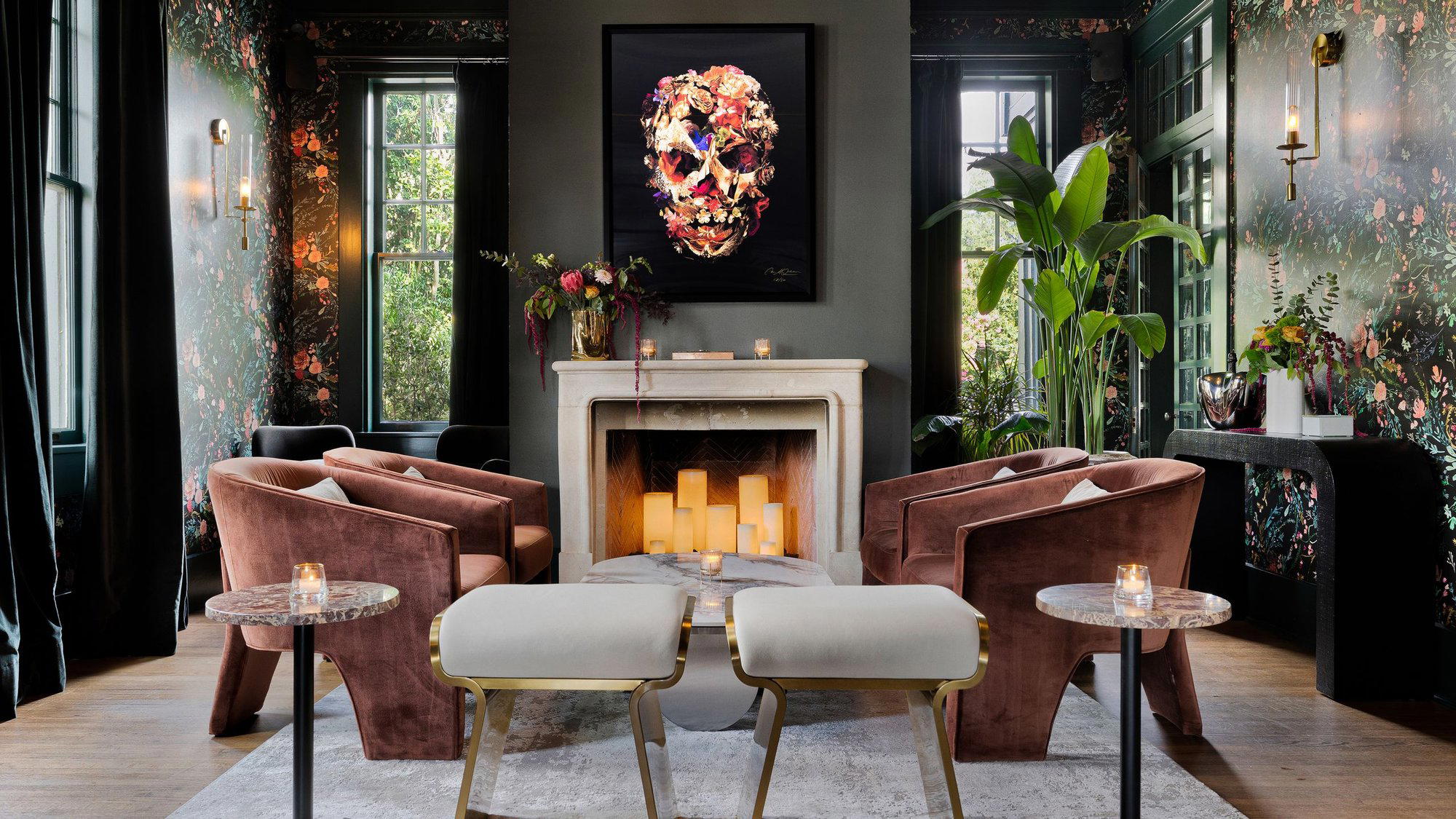
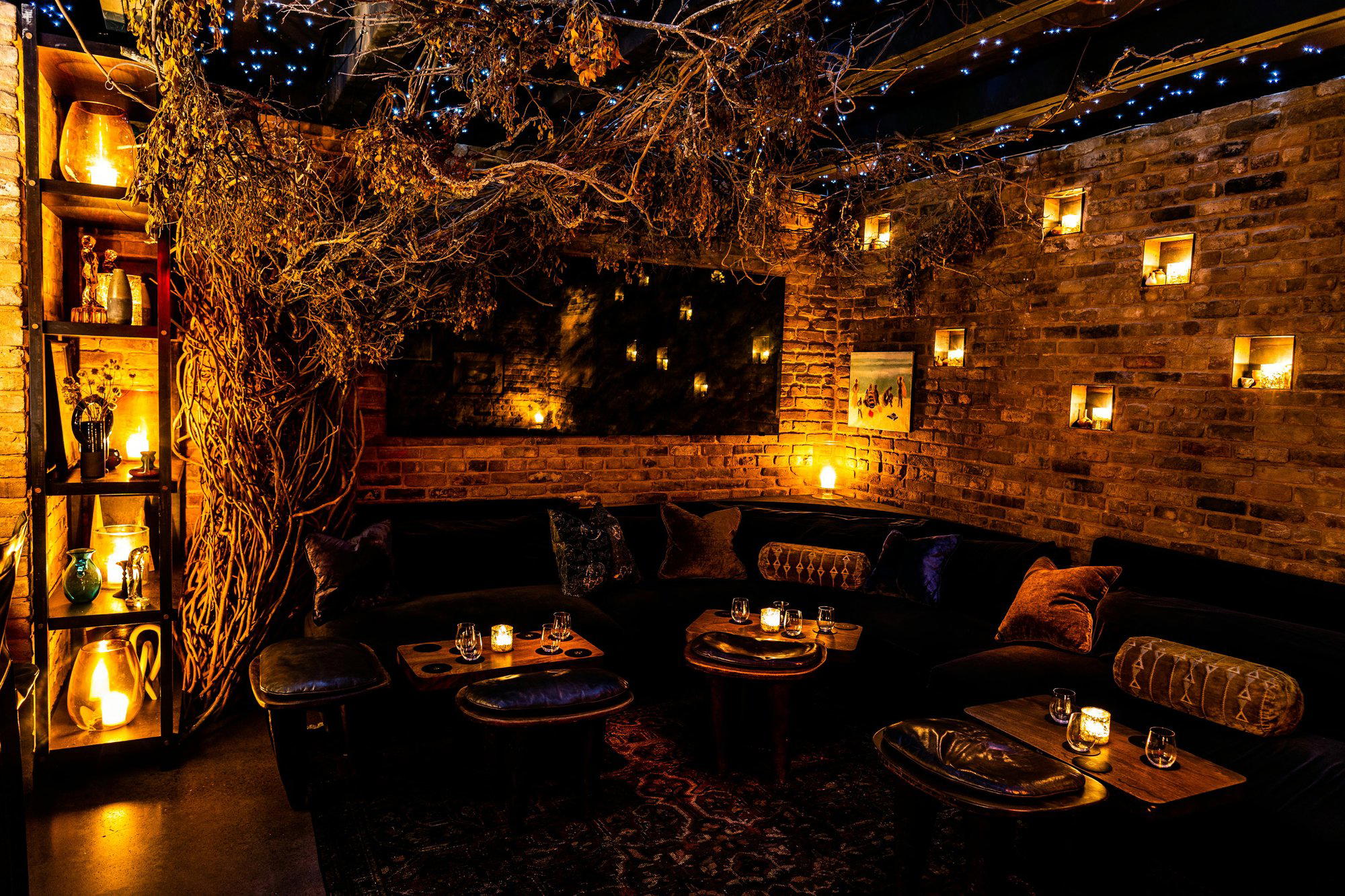
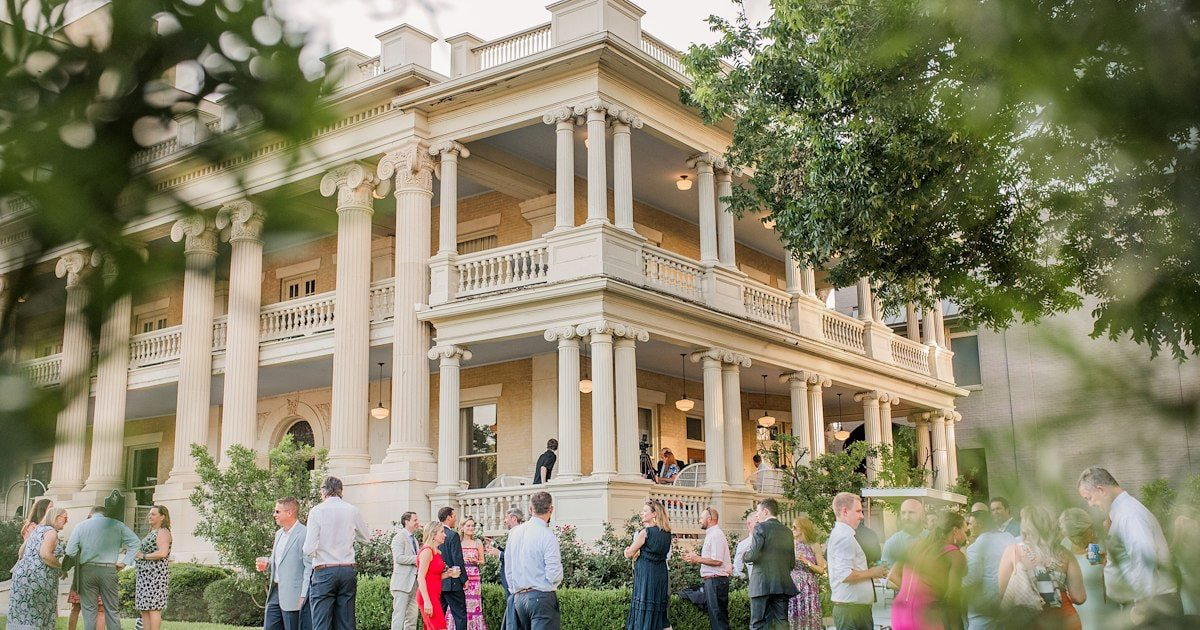
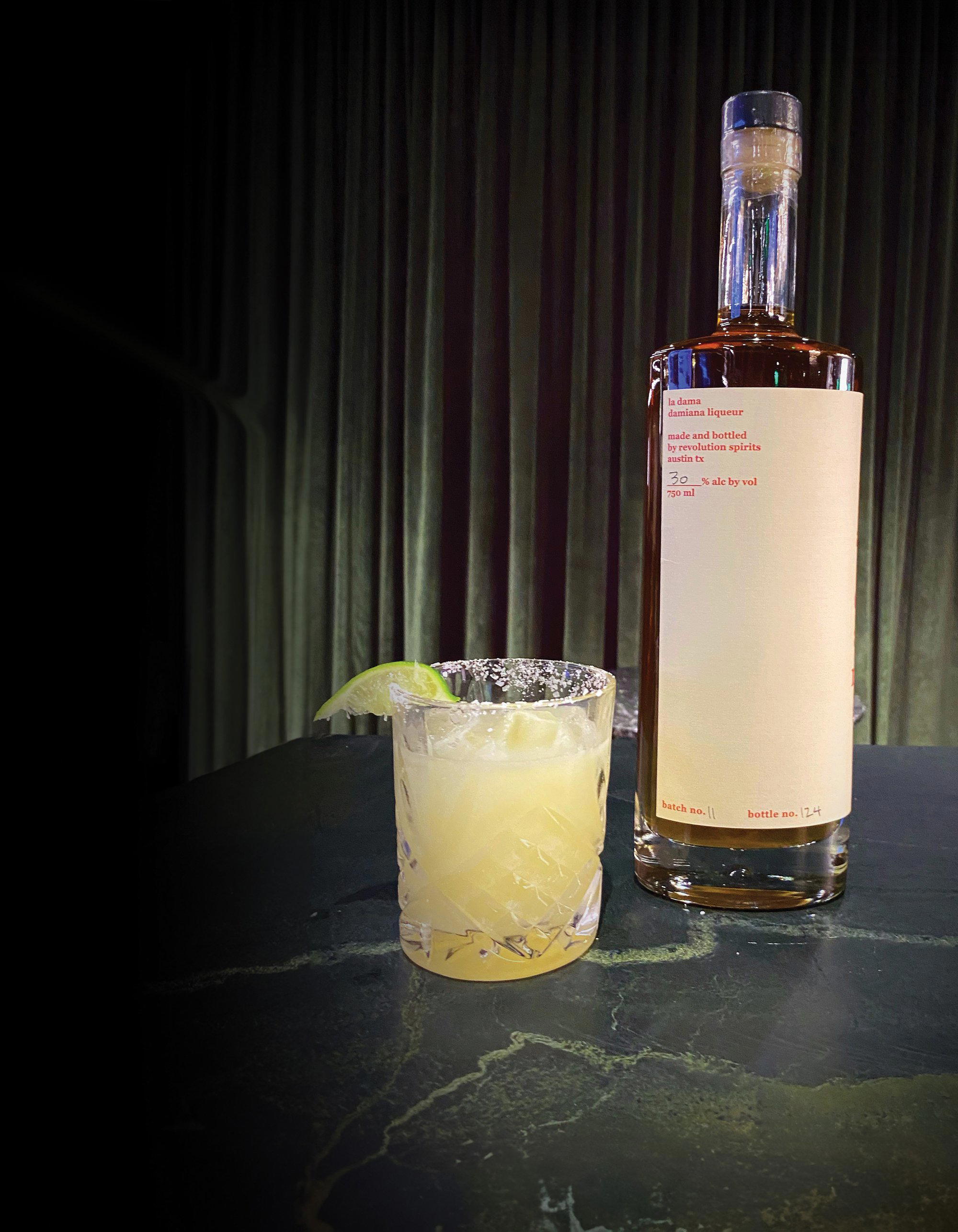
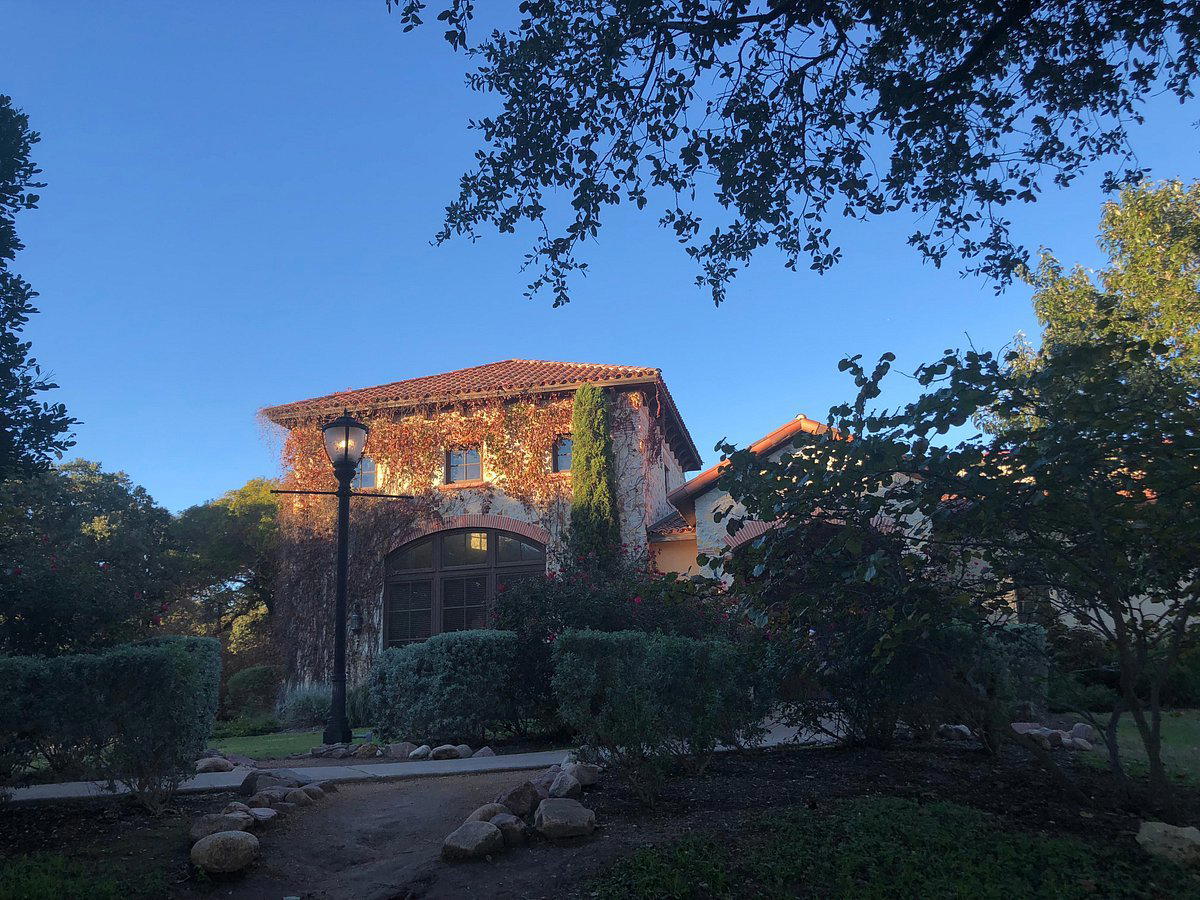
Sophisticated and refined atmosphere in a historic home with beautiful back lawn lounge, praised for cool vibe and excellent craft cocktails.[5][6]

Signature Dishes
sweet pea croquetteschicken nuggetsmasa gougeres