
Johoku Hanten gives Okazaki a serious Sichuan reference point rather than another casual Chinese stop. Its Tabelog Chinese EAST “Tabelog 100” selections in 2021, 2023, and 2026, plus a menu spanning Sichuan, Chinese cooking, and tantan-men, place it in the city’s stronger everyday-dining tier: accessible, family-friendly, and more ingredient-conscious than the category often suggests.
Pearl is the En Primeur Club membership app — saves, bookings, and concierge access live there. Same editors, same standards.
- Address
- 82番地 Zaimokucho, Okazaki, Aichi 444-0057, Japan
- Phone
- +81 564-21-6545
- Website
- johoku-h.jp
 Saves & bookings on Pearl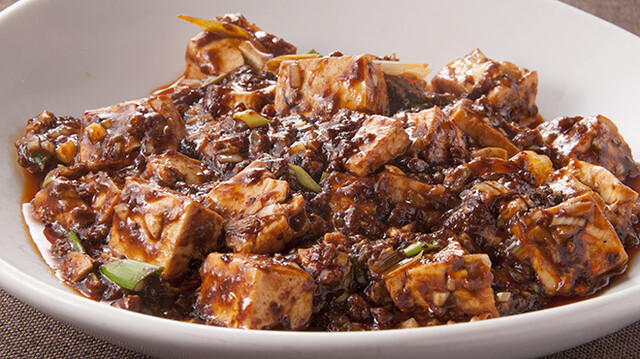
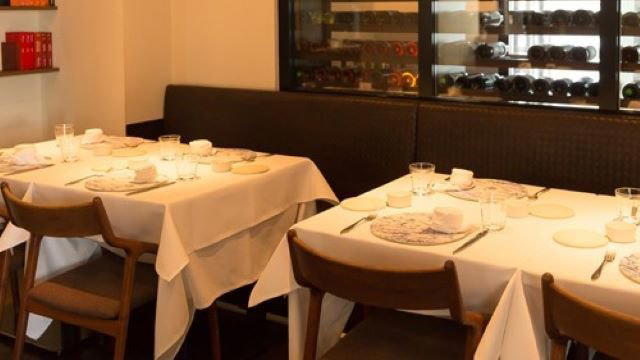
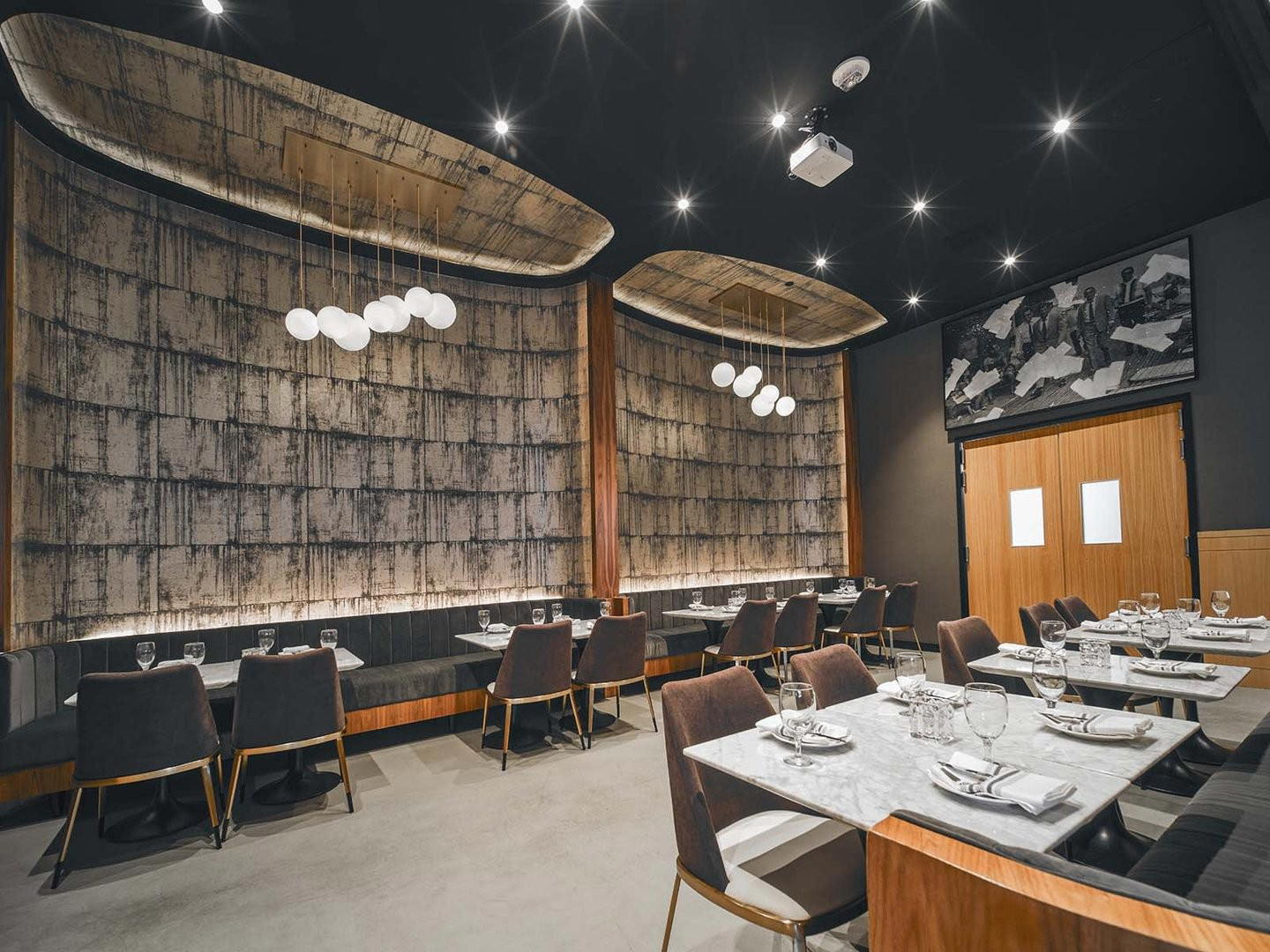
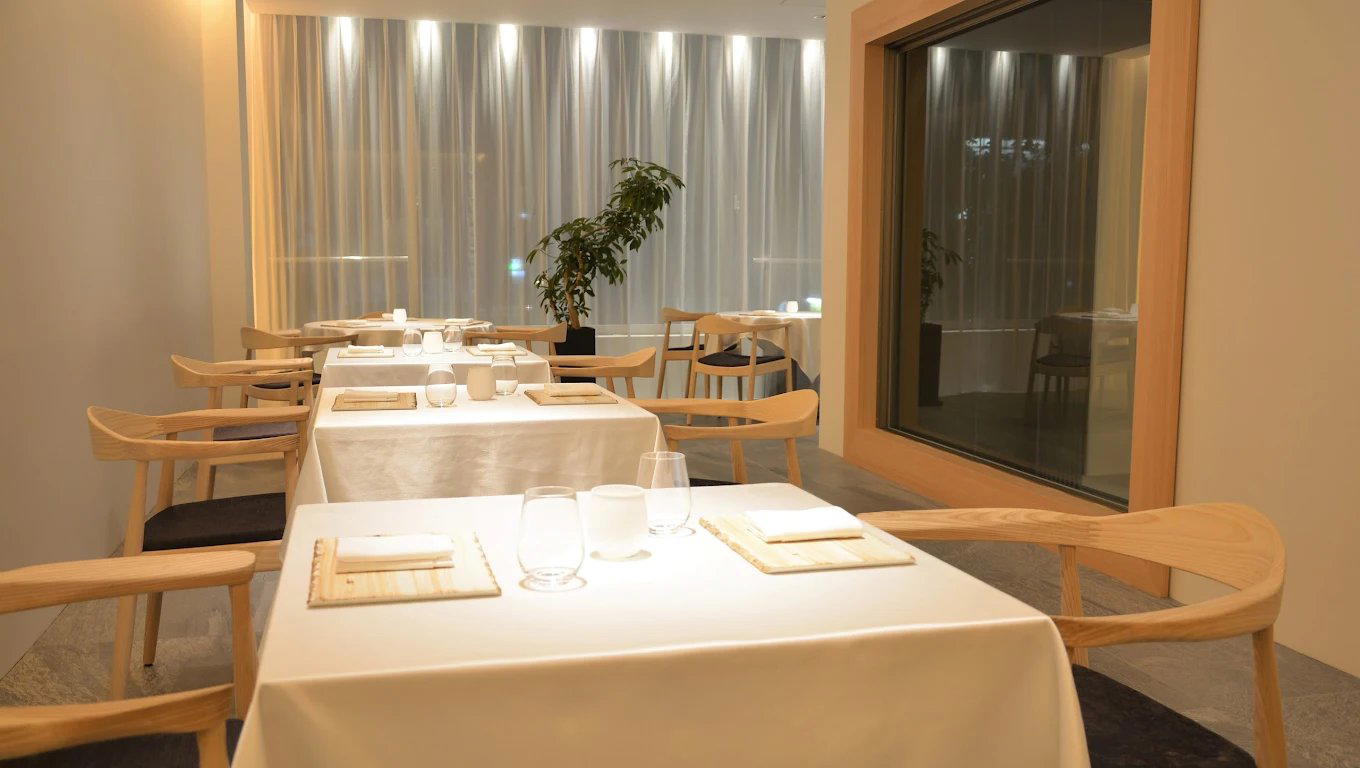
The approach to a house-style restaurant in Okazaki changes the terms of a Sichuan meal. This is not the metropolitan theatre of a counter, nor the hushed choreography of high-end sushi. The appeal sits in the rhythm of a local dining room: groups arriving together, private rooms taking family meals out of the public floor, and a kitchen category that can move between spice, noodles, vegetables, and banquet logic without forcing the meal into a tasting-menu script.
Okazaki’s dining map is often read through ramen, sushi, and destination-format Japanese cooking, but Chinese restaurants carry a different civic function in regional Japan. They are practical, social, and frequently broader than their English category label suggests. Johoku Hanten sits in that space with a Sichuan and Chinese brief, tantan-men on the category line, and a “health and wellness menu” signal that matters more than it first. In Japanese-Chinese dining, the sourcing conversation is less about luxury provenance than balance: vegetables, oil, aromatics, broth, heat, and how a restaurant makes spice feel usable across generations at the same table.
Sichuan heat, regional Japanese pacing, and the ingredient question
Sichuan cooking outside China often gets flattened into chilli volume. In Japan, the better regional examples tend to be more disciplined: heat is only one axis, alongside sesame, fermented bean notes, numbing spice, stock, vinegar, and the texture of noodles or vegetables. Johoku Hanten’s Tabelog categories, Sichuan, Chinese, and tantan-men, place it in that hybrid lane where a specialist noodle bowl can sit beside broader Chinese restaurant cooking. The presence of a health-focused menu category also points toward a kitchen thinking beyond heavy banquet stereotypes.
That matters in Aichi, where diners can move from sub-¥1,000 noodle shops to costly sushi counters within the same city. Jikaseimen Koen Mae, Menya Akinosora, and Tsukemen Sha Ikki represent Okazaki’s low-cost noodle strength, where wheat, broth, and speed drive the experience. At the other end, Sushi Bito Mitoku works in a far higher price bracket, where sourcing expectations attach to seafood, rice, and counter precision. Johoku Hanten occupies the middle ground: more expansive than a ramen stop, less ceremonial than sushi, and useful for diners who want spice, vegetables, shared dishes, and noodles in one sitting.
The Tabelog Chinese EAST “Tabelog 100” selections in 2021, 2023, and 2026 give the restaurant a measurable trust signal within a category that can be hard for travellers to parse from signage alone. A 2026 selection does not turn a neighbourhood Chinese restaurant into a luxury destination; it does something more useful. It identifies a regional address that has been recognised repeatedly in an eastern Japan Chinese-cuisine field, where consistency and public diner confidence carry weight.
Why this format works in Okazaki
Okazaki rewards restaurants that can serve local routines without becoming anonymous. The city is not built around one dining strip for visitors, so stronger meals often appear in practical formats: noodle shops, family restaurants with specialist kitchens, compact counters, and rooms designed for repeat local use. The restaurant’s scale, with 80 seats across two floors and private rooms for small groups, puts it closer to a community dining anchor than a chef’s-counter address. That changes how to read the meal. The point is not scarcity; it is range, reliability, and the ability to feed different appetites at one table.
Compared with Tamborada, which sits in a higher dinner bracket, the Chinese format is more flexible. Compared with Okazaki’s ramen specialists, it allows a longer meal without abandoning noodle comfort. For travellers building a day around the city, that flexibility is valuable: lunch can stay direct and affordable, while dinner can become a shared-table meal with drinks, vegetables, noodles, and Sichuan-leaning dishes rather than a single-bowl stop.
The drinks list also indicates how Japanese-Chinese dining adapts to local habits. Sake, shochu, wine, and cocktails are all part of the listed offer, a spread that suits mixed groups better than a narrowly paired program. That breadth is not an argument for extravagance. It is an argument for usability: the restaurant can function for families, friends, and casual celebrations without asking every diner to want the same kind of evening.
Where it fits in a broader Okazaki itinerary
For travellers, the restaurant makes the strongest sense as part of an Okazaki food plan that resists the usual hierarchy of “serious” dining. A city’s culinary character is not only found in expensive counters. It is also found in which mid-range restaurants earn repeat recognition, which noodle shops keep prices low, and which rooms can handle children, groups, and take-out without diluting their identity.
Use it as a Chinese and Sichuan reference point, then compare the city through adjacent formats: the noodle circuit at Jikaseimen Koen Mae, Menya Akinosora, and Tsukemen Sha Ikki; the premium sushi bracket at Sushi Bito Mitoku; and the higher-spend restaurant lane at Tamborada. For broader planning, EP Club’s city pages pull the area together across Okazaki restaurants, Okazaki hotels, Okazaki bars, Okazaki wineries, and Okazaki experiences.
Travellers continuing through Japan can also use the restaurant as a calibration point for how regional dining differs from larger-city spectacle. Compare it with beef-focused dining such as -Grilled beef Sukiyaki- KAMAKURA TANUKIAN 鎌倉 たぬき庵 in Kamakura, casual seafood-and-grill formats like. 鮪と炭火焼き うお炭 秋葉原店 in Tokyo, coffee-led stops such as.cafe in Osaka, contemporary regional rooms like.know in Kumamoto, and specialist casual addresses including (Shoku) Vietnam in Kawasaki and [Curry Senmon Ten] Maruyama Kyoju. in Sapporo. Outside Japan, the contrast broadens further with Japanese-adjacent formats such as Jōdo Saké Bar in Los Angeles and Onigiri Time in Pasadena.
The editorial case for the restaurant is not that it outspends or outperforms every peer category in Okazaki. It is that repeated Tabelog recognition, Sichuan-led range, family-ready infrastructure, and a mid-range position make it one of the city’s clearer examples of serious everyday dining. For ingredient-minded travellers, the interest lies in how spice, noodles, vegetables, and shared Chinese cooking translate into a regional Japanese restaurant built for regular use.
Quick Comparison
Nearby venues at a similar price tier for orientation.
| Venue | Cuisine | Price | Notes |
|---|---|---|---|
| Johoku HantenThis venue — the venue you are viewing | Sichuan Chinese | $$ | Not listed |
| Jikaseimen Koen Mae | House-made noodle ramen shop | $ | Okazaki |
| Tsukemen Sha Ikki | Tsukemen & ramen shop | $ | Hoseiji-cho |
| Menya Akinosora | Seasonal Local-Ingredient Ramen Shop | $ | Daimon |
| Tamborada | Classic Spanish restaurant with all‑Spanish wine list | $$$ | Ryumiminami, Okazaki |
| Sushi Bito Mitoku | Seasonal Omakase Sushi from Mikawa Bay | $$$$ | Harizaki-cho |
Recognition history
Dated appearances from independent guides and award organizations, with the underlying list record or original source where available.
Tabelog 100 #31 · No. 31
Tabelog · Tabelog 100 - Chinese cuisine - EAST - 2026
Continue exploring
More in Okazaki
Restaurants in Okazaki
Browse all →


At a Glance
- Cozy
- Classic
- Family
- Group Dining
- Casual Hangout
- Celebration
- Standalone
- Beer Program
- Local Sourcing
Current opening hours
- Monday
- 11:30 AM–2:30 PM, 5–9 PM
- Tuesday
- 11:30 AM–2:30 PM, 5–9 PM
- Wednesday
- 11:30 AM–2:30 PM, 5–9 PM
- Thursday
- Closed
- Friday
- 11:30 AM–2:30 PM, 5–9 PM
- Saturday
- 11:30 AM–2:30 PM, 5–9 PM
- Sunday
- 11:30 AM–2:30 PM, 5–9 PM
Hours can change for holidays and private events. Last verified .
A cozy, relaxing, classic Chinese dining room that suits unhurried meals with family or friends.