
Menya Akinosora sits in Okazaki’s compact ramen circuit, where counter formats and low-friction meals carry serious local weight. Its selection for Tabelog Ramen AICHI “Tabelog 100” 2025 places it among the prefecture’s recognized ramen addresses, with a small counter format that suits diners who treat ramen as a focused regional craft rather than a casual stopgap.
Pearl is the En Primeur Club membership app — saves, bookings, and concierge access live there. Same editors, same standards.
- Address
- 愛知県岡崎市大門3-20-15
- Website
- tabelog.com
 Saves & bookings on Pearl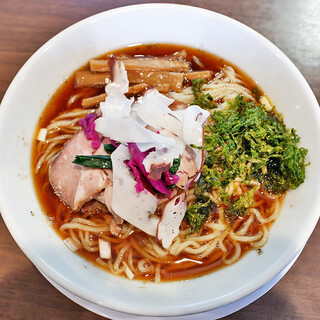
Approaching a small ramen counter in suburban Aichi is rarely about ceremony. The rhythm is practical: a short queue, the clatter of bowls, steam moving across the room, and a meal measured in minutes rather than courses. In Okazaki, that format matters. The city’s dining scene does not behave like central Nagoya’s department-store polish or Tokyo’s reservation economy; it rewards places that can deliver precision inside tight spaces, often with limited seating and a narrow service window. Menya Akinosora belongs to that culture of concentration.
Ramen in Aichi occupies a different lane from the tourist shorthand attached to Hakata tonkotsu or Sapporo miso. The prefecture has its own appetite for strong seasoning, local repeat custom, and practical neighborhood dining. Recognition on the Tabelog Ramen AICHI “Tabelog 100” 2025 list gives this counter a clear signal inside that regional frame: not a national luxury claim, but a prefectural marker that matters to diners comparing ramen shops across Aichi rather than across guidebook Japan.
Aichi ramen culture, compressed into a small Okazaki counter
The stronger ramen addresses outside Japan’s biggest cities often work through restraint of format rather than expansion. A small counter keeps the kitchen, pacing, and turnover tightly linked. That matters because ramen quality is fragile at the point of service: noodles change quickly, broth loses heat, toppings move from texture to softness, and the diner’s timing is part of the product. This is why the counter remains central to serious ramen culture, even when the price category sits far below sushi, kaiseki, or French tasting menus.
Okazaki’s restaurant map also makes ramen a useful lens on the city. Higher-spend dining exists, from Spanish-leaning Tamborada to the sushi bracket represented by Sushi Bito Mitoku, but ramen and casual Chinese cooking carry a different kind of local gravity. Johoku Hanten sits in that everyday dining conversation, while noodle specialists such as Tsukemen Sha Ikki and Jikaseimen Koen Mae show how much of Okazaki’s appeal comes from focused, low-friction formats rather than occasion dining.
Menya Akinosora’s place in that group is defined less by luxury signals than by discipline. The counter-only model, the small room, and the Aichi ramen award context make it a specialist choice for diners who care about the details of a bowl but do not need the architecture of a long meal. That distinction is important. In Japan, ramen’s seriousness is not tied to high spend; it is tied to repetition, timing, and the ability to keep a narrow format consistent.
How to read the recognition without overinflating it
Tabelog’s prefectural ramen lists are useful because they capture a local competitive field. Selection for the 2025 Aichi ramen list places Menya Akinosora in a defined regional conversation, not in the same category as fine-dining awards built around tasting menus, wine programs, or service choreography. For travelers, that distinction is helpful. The signal says: this is a ramen address with enough local traction and review weight to justify attention within Aichi’s noodle scene.
The better comparison is not with Tokyo counters that trade on scarcity or international reputation, but with other Okazaki venues that show how the city splits by format. A sushi meal at Sushi Bito Mitoku asks for a different budget and tempo. Tamborada sits closer to a planned evening. Ramen specialists such as Tsukemen Sha Ikki and Jikaseimen Koen Mae compete on immediacy, queue tolerance, noodle preference, and the diner’s appetite for a single focused dish. That is the proper frame for judging this room.
There is also a broader Japanese dining lesson here. Casual does not mean casual in execution. Many of the country’s serious food traditions live in compact formats: ramen counters, curry shops, onigiri specialists, yakitori rooms, standing bars. Readers building a wider Japan itinerary can see the same focus at different scales, from [Curry Senmon Ten] Maruyama Kyoju. in Sapporo to Onigiri Time in Pasadena, where one category becomes the whole argument. The point is not variety; it is fluency inside a narrow lane.
Where it fits in an Okazaki food itinerary
For visitors, the restaurant works as a sharp daytime anchor rather than a long evening plan. The experience is built around the ramen counter’s pace: arrive with flexibility, eat decisively, and move on. That makes it easy to pair with a broader Okazaki day, especially for travelers using the city as more than a transit point between Nagoya and Toyota. The broader planning pages are useful for that: Our full Okazaki restaurants guide maps the dining field, while Our full Okazaki hotels guide, Our full Okazaki bars guide, Our full Okazaki wineries guide, and Our full Okazaki experiences guide help place the meal inside a fuller itinerary.
The useful editorial call is simple: come for a precise read on Aichi ramen culture, not for spectacle. The room’s value lies in the way a small counter can express a city’s everyday standards. In a country where food media often separates high-end dining from local staples, ramen keeps collapsing that hierarchy. A recognized bowl in Okazaki can tell a traveler as much about regional taste as a formal dinner, provided the expectation is set correctly.
That same category focus links Japanese dining across geographies. A traveler comparing formats might move from beef sukiyaki at -Grilled beef Sukiyaki- KAMAKURA TANUKIAN 鎌倉 たぬき庵 in Kamakura to charcoal and tuna at. 鮪と炭火焼き うお炭 秋葉原店 in Tokyo, café culture at.cafe in Osaka, contemporary dining at.know in Kumamoto, Vietnamese cooking at (Shoku) Vietnam in Kawasaki, or sake-led dining at Jōdo Saké Bar in Los Angeles. The restaurant sits at the ramen end of that spectrum: narrow in format, regionally legible, and strongest when treated as a focused stop rather than a grand occasion.
Price and Positioning
Side-by-side context: comparable cuisine and price.
| Venue | Cuisine | Price | Notes |
|---|---|---|---|
| Menya Akinosora | Not listed | $ | Daimon, Seasonal Local-Ingredient Ramen Shop |
| Tsukemen Sha Ikki | Hoseiji-cho, Tsukemen & ramen shop | $ | Not listed |
| Johoku Hanten | Naka Okazaki, Sichuan Chinese | $$ | Not listed |
| Jikaseimen Koen Mae | Okazaki, House-made noodle ramen shop | $ | Not listed |
| Sushi Bito Mitoku | Not listed | $$$$ | Harizaki-cho, Seasonal Omakase Sushi from Mikawa Bay |
| Tamborada | Not listed | $$$ | Ryumiminami, Okazaki, Classic Spanish restaurant with all‑Spanish wine list |
Recognition history
Dated appearances from independent guides and award organizations, with the underlying list record or original source where available.
Tabelog 100 #65 · No. 65
Tabelog · Tabelog 100 - Ramen - AICHI - 2025
Continue exploring
More in Okazaki
Restaurants in Okazaki
Browse all →
At a Glance
- Cozy
- Solo
- Family
- Casual Hangout
- Chefs Counter
- Standalone
- Local Sourcing
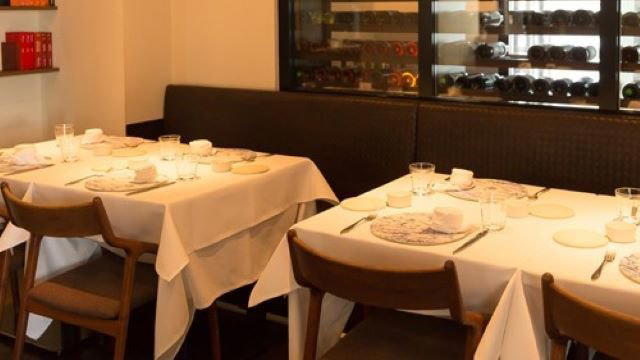
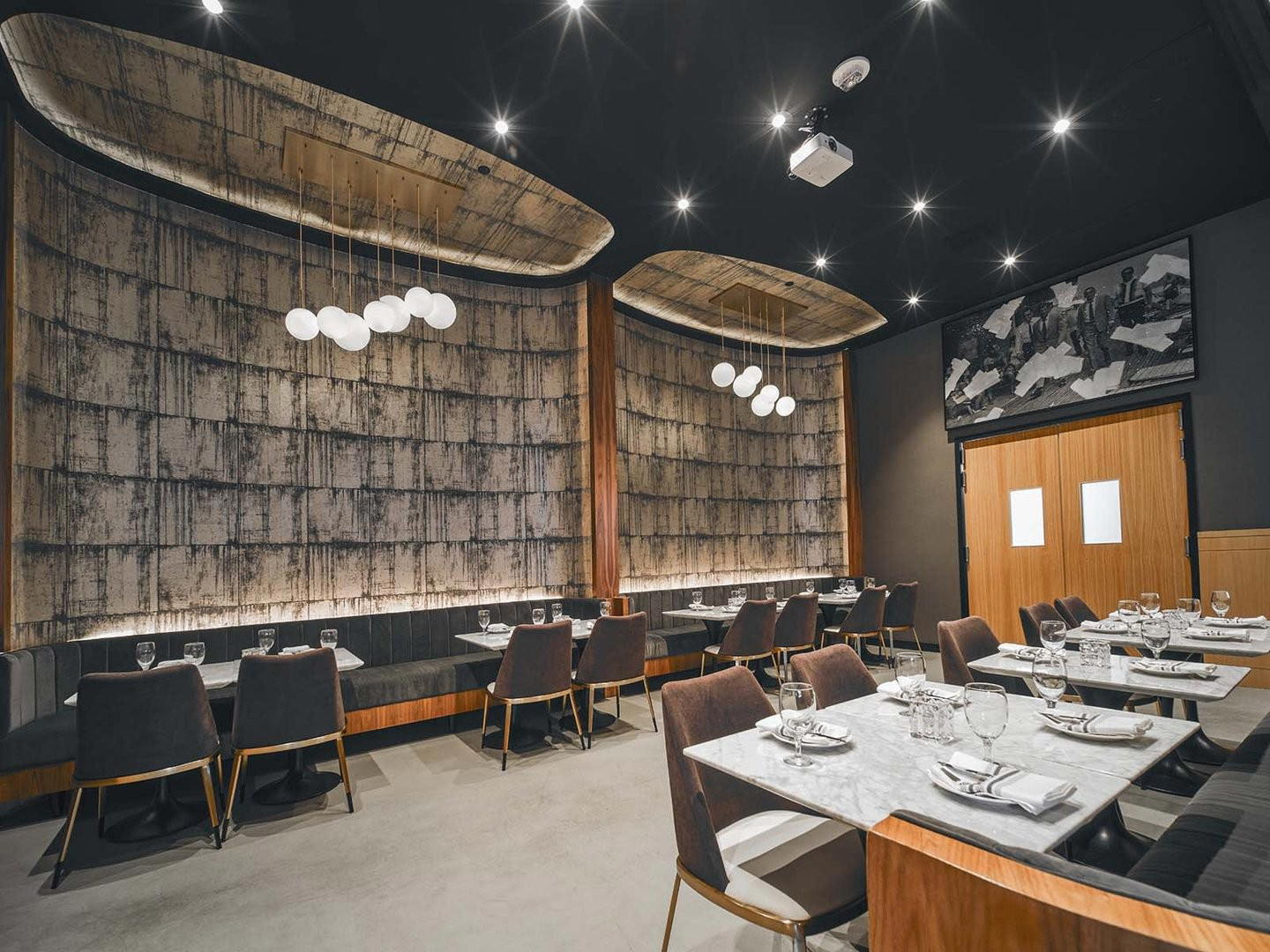
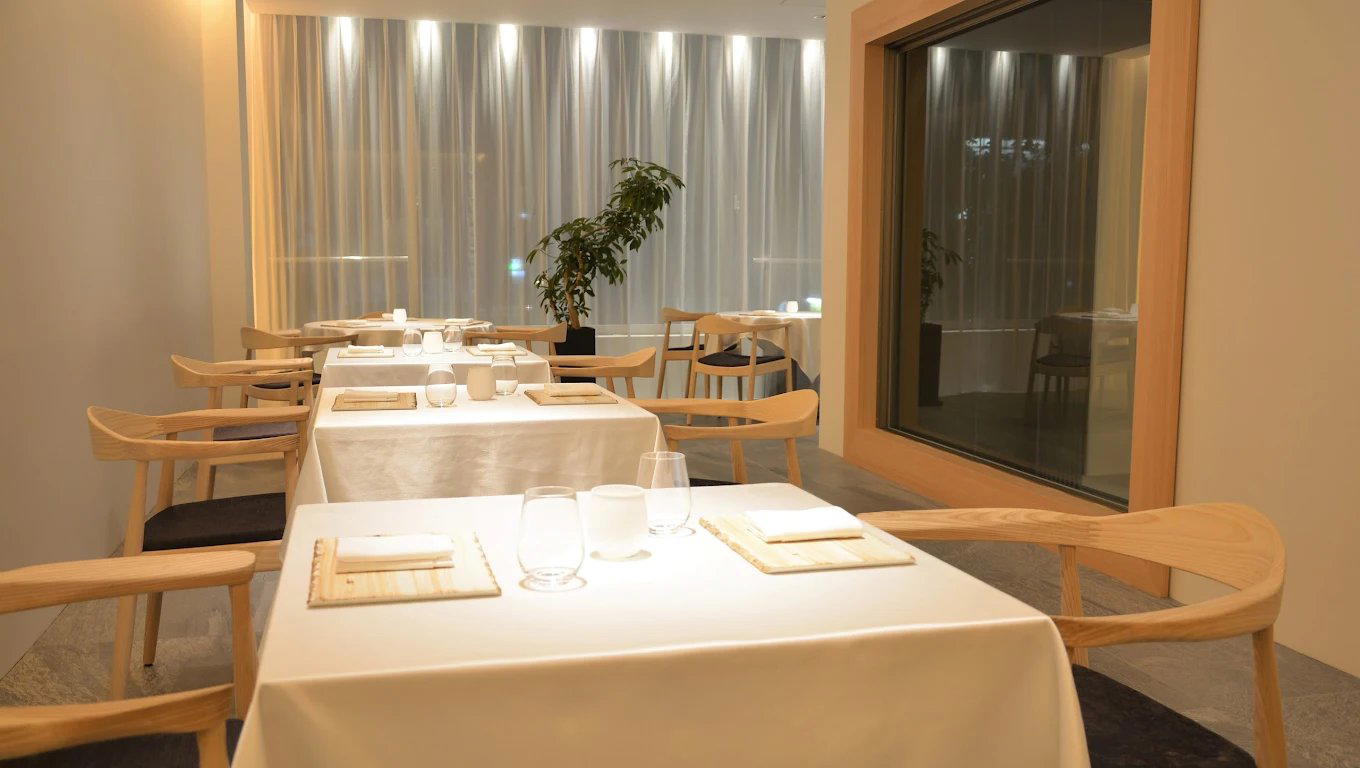
A small, counter-only neighborhood ramen shop with a casual, lively feel at lunchtime; simple, functional decor and bright, clean atmosphere focused on enjoying carefully crafted bowls rather than lingering.