
Jikaseimen Koen Mae puts Okazaki’s ramen culture into its compact, ritual-driven form: counter seating, house-made noodles, and a narrow lunch rhythm rather than a long, lingering restaurant meal. Its Tabelog 100 Ramen AICHI 2025 selection and 3.70 score place it among Aichi’s more closely watched ramen addresses, with pricing that keeps the experience in everyday territory.
Pearl is the En Primeur Club membership app — saves, bookings, and concierge access live there. Same editors, same standards.
- Address
- 4 Chome-8-16 Hashira, Okazaki, Aichi 444-0837, Japan
- Phone
- +81 564-54-5220
- Website
- twitter.com
 Saves & bookings on Pearl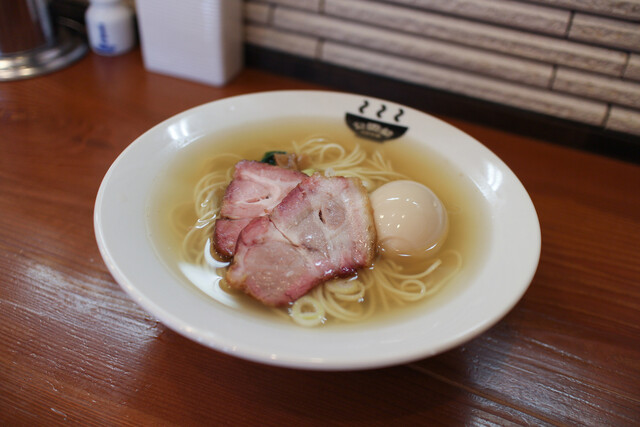
The approach to a small ramen counter in Okazaki carries a different anticipation from a formal reservation room. The ritual is compressed: arrive with intent, read the room, take the counter seriously, and let the bowl set the pace. Jikaseimen Koen Mae fits that grammar: a house-style, counter-seating restaurant where the meal is timing, turnover, and the direct exchange between noodle, broth, and diner.
Okazaki does not ask visitors to dress dinner in spectacle. Its stronger dining identity sits in focused specialist rooms, where category discipline matters more than breadth. Ramen and tsukemen are useful for travelers: accessible pricing, short meals, and a local audience that rewards consistency. For a wider city read, Our full Okazaki restaurants guide maps the field, from everyday counters to higher-spend rooms.
House-made noodles and the discipline of the counter meal
The name signals the point: jikaseimen means house-made noodles. In Japan’s ramen culture, that shifts a shop’s reading, placing control not only in broth and toppings but in texture, thickness, hydration, and how noodles behave across a bowl’s short life. It matters even more with tsukemen, where dipping noodles expose structure plainly; the noodle has to stand outside the broth.
The counter-only setup sharpens the ritual. Eight seats leave little slack: solo diners fit naturally, groups need patience, and the rhythm belongs to focused eating rather than long conversation. This is the opposite end of Okazaki dining from the extended spend of Sushi Bito Mitoku, where the price band signals a different commitment, or Tamborada, where dinner sits in a mid-to-high local bracket. Ramen here is tighter, faster, and more democratic, but not casual in technique.
Award signal matters without inflation. Selection for Tabelog 100 Ramen AICHI 2025 places Jikaseimen Koen Mae in a prefectural ramen conversation, not merely a neighborhood one. Its Tabelog score of 3.70 reinforces the point: this specialist counter has earned attention in a category where small differences in noodle texture and service rhythm shape reputation. The earlier Tabelog Ramen EAST 2024 selection gives the recognition a recent track record rather than a single-year spike.
Ramen rankings can mislead when they flatten formats into one list. A tsukemen-leaning shop, rich soup specialist, and regional classic answer different cravings. Okazaki’s comparison helps: Tsukemen Sha Ikki sits in a similar everyday price lane, while Johoku Hanten points to a broader Chinese dining frame and Menya Akinosora adds another noodle reference for a local crawl. The smarter question is which ritual fits the day: dipping noodles, soup ramen, counter speed, or a longer table meal.
Where Okazaki's specialist dining rewards precision over range
Aichi’s ramen scene is often read through Nagoya, but smaller cities can be more revealing because competition is local, repeat-driven, and unforgiving. A compact counter cannot survive on tourism theatre; it needs regulars, a narrow proposition, and discipline. Jikaseimen Koen Mae opened in 2015, giving the address a decade-long run by 2026, enough for a noodle shop to move beyond novelty into routine.
The price position matters. With a listed average at the lowest end of the yen scale and review-based spending in the modest ramen range, the restaurant sits where value is structural, not a slogan. That pressures execution: at this spend, there is little room for decorative service or elaborate pacing. The meal must deliver through the bowl, noodle, and counter efficiency.
For travelers, etiquette is practical. Small ramen rooms reward decisiveness. Arrive ready to order, avoid turning the counter into a lounge, and read waiting diners’ flow. The format is solo-friendly, but not anonymous; in an eight-seat room, every delay is visible. Japan’s great casual dining forms often work this way: the customer participates in the pace, and the meal improves when everyone understands the compact social contract.
That rhythm separates this stop from broader itinerary dining. A visitor planning a full Okazaki day might pair a noodle lunch with cultural or hotel planning through Our full Okazaki hotels guide, then look at evening categories through Our full Okazaki bars guide. The city’s restaurant map is one layer; Our full Okazaki experiences guide and Our full Okazaki wineries guide help separate a quick food stop from a fuller regional itinerary.
A low-cost meal with serious category signals
Read the restaurant as a category specialist, not a general-purpose restaurant. It is built for ramen and tsukemen, not private rooms, long drinking sessions, or celebratory table service. Private rooms and private use are not part of the format, and the counter makes the decision simple: go for noodle craft and a focused lunch ritual, not a leisurely night out.
The payment culture fits old-school ramen expectations. Cash planning remains sensible at smaller Japanese counters, especially where card and code payments are not part of the setup. Parking beside the shop lowers friction for drivers, while proximity to Okazaki Station works for rail-based visitors prepared for a short local transfer. None of that changes the core point: this is a compact, daytime noodle meal in a city where serious dining does not always announce itself with high prices.
Readers building a Japan-wide casual dining map can place it alongside other specialist addresses without forcing false equivalence. -Grilled beef Sukiyaki- KAMAKURA TANUKIAN 鎌倉 たぬき庵 in Kamakura represents a different beef-led tradition; 鮪と炭火焼き うお炭 秋葉原店 in Tokyo reads through tuna and charcoal;.cafe in Osaka.know in Kumamoto, (Shoku) Vietnam in Kawasaki, and [Curry Senmon Ten] Maruyama Kyoju. in Sapporo show how specific formats anchor different city meals. Outside Japan, Jōdo Saké Bar in Los Angeles and Onigiri Time in Pasadena underline the same lesson in another market: narrow focus can be more useful than range.
The verdict is practical and firm. This is the Okazaki stop for diners who respect the ramen counter as ritual: brief, exacting, affordable, and shaped by house-made noodles. Choose it when the day calls for a focused bowl rather than a social dinner, and treat the small room as part of the experience, not an inconvenience.
Style and Standing
Comparable venues by cuisine and price in the same metro.
| Venue | Cuisine | Price | Notes |
|---|---|---|---|
| Jikaseimen Koen MaeThis venue — the venue you are viewing | House-made noodle ramen shop | $ | Not listed |
| Tsukemen Sha Ikki | Tsukemen & ramen shop | $ | Hoseiji-cho |
| Menya Akinosora | Seasonal Local-Ingredient Ramen Shop | $ | Daimon |
| Sushi Bito Mitoku | Seasonal Omakase Sushi from Mikawa Bay | $$$$ | Harizaki-cho |
| Tamborada | Classic Spanish restaurant with all‑Spanish wine list | $$$ | Ryumiminami, Okazaki |
| Johoku Hanten | Sichuan Chinese | $$ | Naka Okazaki |
Recognition history
Dated appearances from independent guides and award organizations, with the underlying list record or original source where available.
Tabelog 100 #26 · No. 26
Tabelog · Tabelog 100 - Ramen - AICHI - 2025
Continue exploring
More in Okazaki
Restaurants in Okazaki
Browse all →
At a Glance
- Lively
- Cozy
- Solo
- Casual Hangout
- After Work
- Chefs Counter
- Standalone
Current opening hours
- Monday
- Closed
- Tuesday
- Closed
- Wednesday
- 11 AM–2 PM
- Thursday
- 11 AM–2 PM
- Friday
- 11 AM–2 PM
- Saturday
- 11 AM–2 PM
- Sunday
- 11 AM–2 PM
Hours can change for holidays and private events. Last verified .
A compact 8-seat counter ramen shop with an energetic, no-frills atmosphere focused on efficient lunch service and serious noodle fans rather than leisurely dining.