
Tsukemen Sha Ikki places Okazaki’s ramen culture in the low-cost, high-specialisation lane: a counter-led shop built around tsukemen, ramen, and Taiwanese mixed noodles rather than broad izakaya range. Its 2025 selection for Tabelog 100 - Ramen - AICHI gives it a clear regional signal, while the format remains compact, casual, and noodle-focused.
Pearl is the En Primeur Club membership app — saves, bookings, and concierge access live there. Same editors, same standards.
- Address
- 愛知県岡崎市法性寺町字荒子54-2
- Phone
- +81564550112
- Website
- tukemenshaikki.com
- Directions
- Get directions
 Saves & bookings on Pearl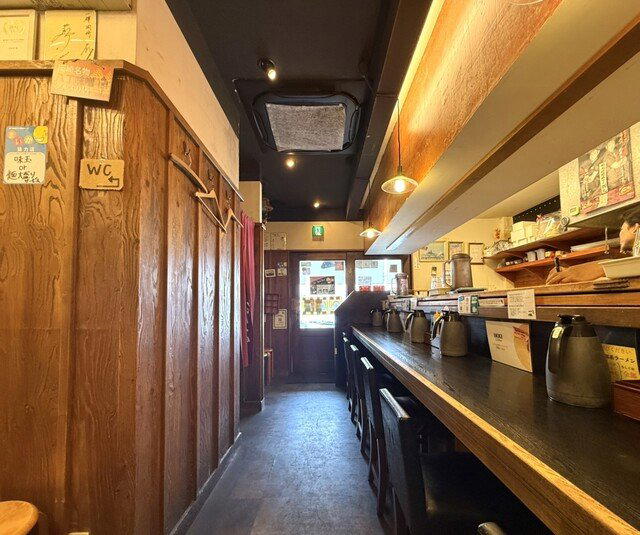
The room tells the story before the first bowl arrives: counter seating, tight turnover, and a menu built for people who have come specifically for noodles rather than a long evening out. Okazaki is not Tokyo, where ramen fame often becomes an endurance test of queues and limited bowls, but Aichi has its own serious noodle culture, and tsukemen rewards shops that can make broth concentration and noodle texture feel deliberate rather than heavy. Tsukemen Sha Ikki sits in that lane, with tsukemen, ramen, and Taiwanese mixed noodles forming the core of the experience.
The important context is regional rather than theatrical. Aichi’s ramen scene has room for pork-seafood intensity, local appetite for mazesoba, and the Nagoya-area taste for Taiwanese-style spice. That combination matters because it explains why a shop can be narrow in format yet broad in noodle grammar. The 2025 selection for Tabelog 100 - Ramen - AICHI places it among the prefecture’s recognised ramen addresses, not as a luxury restaurant but as a precision casual counter where the ticket size stays in everyday territory.
Thick noodles, concentrated broth, and the Aichi appetite for punch
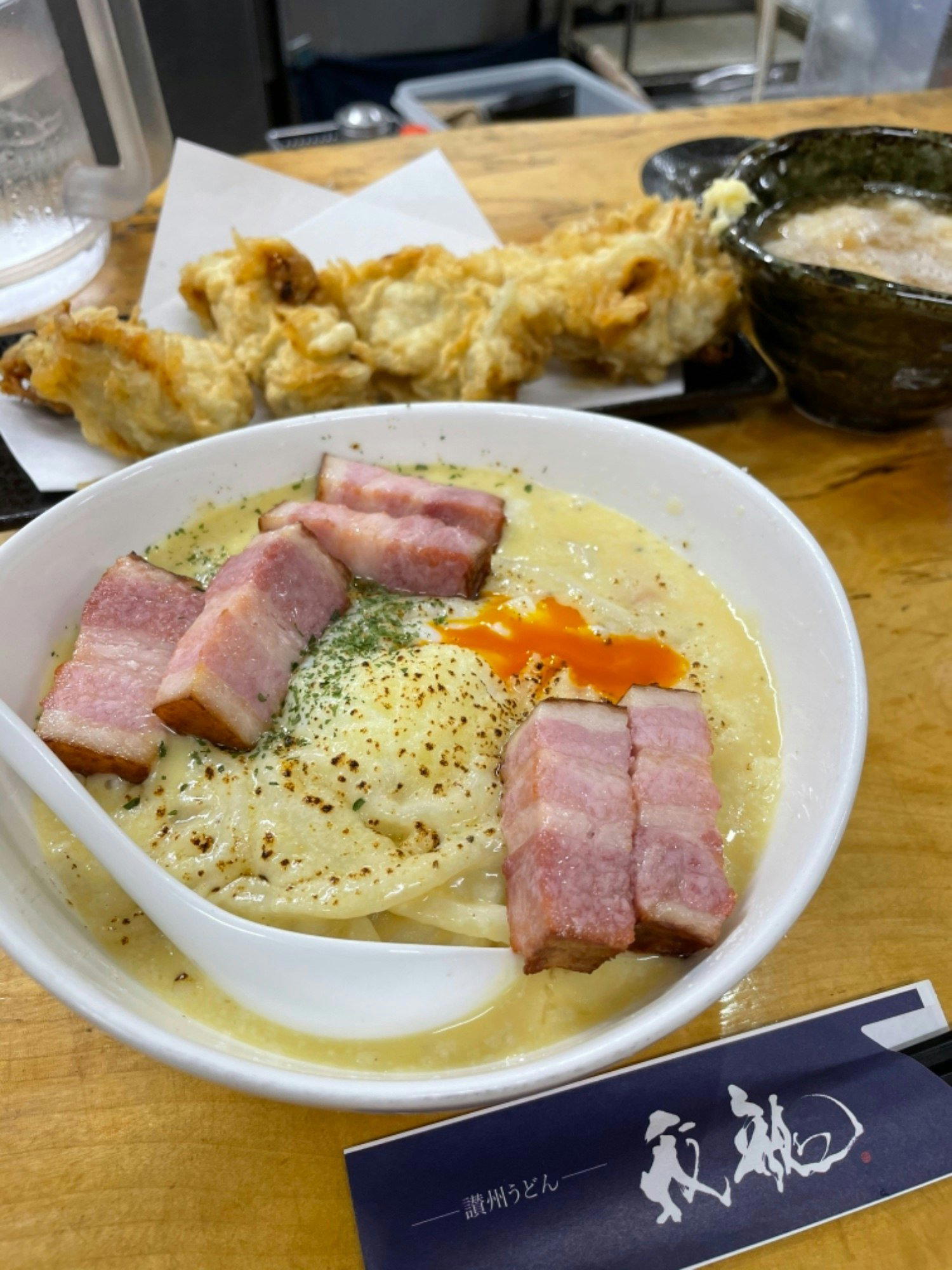
Tsukemen works when the noodle is treated as the main ingredient, not as a vehicle. The style separates noodles from broth, forcing the kitchen to get two elements right: chew and concentration. Here the listed speciality is dipping noodles with rich tonkotsu seafood broth and specially made thick noodles, a pairing that belongs to the modern tsukemen school rather than the lighter postwar ramen idiom. The broth is described as taking 18 hours across two days, a useful signal in a category where density can either read as depth or fatigue.
The menu also points to Aichi’s broader noodle habits. Original seafood soy sauce, shrimp-salt, spicy, and tantan dipping noodles sit alongside mazesoba, Taiwanese mazesoba, Jiro-style ramen, and other ramen formats. That range is not random. In this part of Japan, mixed noodles and spice-driven bowls have a stronger local audience than they would in some regional ramen markets, and the shop’s categories reflect that demand. For travellers using our full Okazaki restaurants guide, this is the kind of address that explains the city better than a generic station-area meal.
Compared with nearby dining choices, the economics are part of the editorial point. Sushi Bito Mitoku operates in an expensive sushi bracket, Tamborada sits in a higher dinner spend tier, and Johoku Hanten reads as a mid-priced Chinese option. Tsukemen, by contrast, keeps the meal anchored in the everyday ramen economy while carrying a recognised Aichi ramen badge. That is why the comparison is useful: the value proposition is not luxury, it is specialisation.
A counter format that rewards solo diners and noodle-focused groups
A ten-seat counter changes how a meal behaves. Conversation bends around the bowl, service moves quickly, and the room suits solo diners as naturally as small groups. The listed occasions include family-friendly, solo dining, and friends, which fits the category: ramen counters in Japan often balance quick individual eating with low-friction casual dining. Children are welcome, but the compact format makes this better for families comfortable with counter seating than for a slow, sprawling meal.
Recognition gives the shop weight without turning it into a formal destination restaurant. Tabelog’s 2025 Aichi ramen selection is a regional trust signal, and the Tabelog score of 3.57 suggests a locally validated audience rather than a place carried by décor or ceremony. The distinction matters in Okazaki, where a visitor may be choosing between noodle counters, sushi, Chinese cooking, and Spanish-leaning dining rather than comparing only ramen shops. Jikaseimen Koen Mae belongs in the same low-cost noodle conversation, while Tsukemen Sha Ikki’s emphasis on dipping noodles and thick custom noodles gives it a more specific identity inside that set.
The restaurant’s location outside the dense tourist circuits also shapes the experience. Okazaki rewards travellers who plan by neighbourhood and transport rather than assuming every strong meal sits beside a major sightseeing node. For context beyond the table, pair the restaurant map with our full Okazaki hotels guide, our full Okazaki bars guide, our full Okazaki wineries guide, and our full Okazaki experiences guide. The point is not to build a tasting-menu itinerary around ramen, but to understand where a casual counter fits into the city’s broader food day.
How to read it against Japan's casual dining spectrum
Japan’s casual dining culture is unusually good at making narrow formats feel complete. A specialist noodle counter can be as intentional as a kaiseki room, just with different signals: seat count, category focus, broth labour, noodle specification, and local award recognition instead of linen, pairings, and course pacing. That is the frame in which this address makes sense. It is not competing with premium sushi or destination Spanish cooking; it is competing for the meal when a traveller wants the city’s everyday food culture with enough craft to justify a detour.
The broader EP Club map shows how varied that casual-to-specialist spectrum becomes across Japan and beyond. A noodle stop in Okazaki answers a different question from -Grilled beef Sukiyaki- KAMAKURA TANUKIAN 鎌倉 たぬき庵 in Kamakura. 鮪と炭火焼き うお炭 秋葉原店 in Tokyo.cafe in Osaka.know in Kumamoto, (Shoku) Vietnam in Kawasaki, and [Curry Senmon Ten] Maruyama Kyoju. in Sapporo. Internationally, the same editorial logic separates specialist Japanese formats such as Jōdo Saké Bar in Los Angeles and Onigiri Time in Pasadena from broader restaurant categories. The useful question is always the same: does the format have enough focus to teach the diner something about place?
For Tsukemen Sha Ikki, the answer sits in the ingredients and structure: thick noodles, tonkotsu-seafood concentration, Aichi-friendly spice and mixed-noodle options, and a compact counter that keeps attention on the bowl. In Okazaki, that makes it a sharp choice for travellers who want a low-cost meal with a stronger regional signal than convenience dining, and who understand that ramen excellence often announces itself through repetition, restraint, and queue-friendly efficiency rather than ceremony.
Fast Comparison
Comparable venues by cuisine and price in the same metro.
| Venue | Cuisine | Price | Notes |
|---|---|---|---|
| Tsukemen Sha Ikki | Tsukemen & ramen shop | $ | Hoseiji-cho |
| Menya Akinosora | Seasonal Local-Ingredient Ramen Shop | $ | Daimon |
| Jikaseimen Koen Mae | House-made noodle ramen shop | $ | Okazaki |
| Tamborada | Classic Spanish restaurant with all‑Spanish wine list | $$$ | Ryumiminami, Okazaki |
| Sushi Bito Mitoku | Seasonal Omakase Sushi from Mikawa Bay | $$$$ | Harizaki-cho |
| Johoku Hanten | Sichuan Chinese | $$ | Naka Okazaki |
Recognition history
Dated appearances from independent guides and award organizations, with the underlying list record or original source where available.
Tabelog 100 #42 · No. 42
Tabelog · Tabelog 100 - Ramen - AICHI - 2025
At a Glance
- Lively
- Casual
- Cozy
- Solo
- Casual Hangout
- Family
- Group Dining
- After Work
- Late Night
- Standalone
Casual, busy local noodle shop with a cozy, house-like setting and a lively atmosphere, often with lines at peak hours.