
Sushi Bito Mitoku puts Okazaki into Japan’s serious sushi conversation through a six-seat counter, reservation-only format, and a 2025 Tabelog Sushi EAST 100 selection. The draw is not spectacle but sourcing discipline: sushi, seafood, Japanese cooking, sake, and wine compressed into a small-room format where local ingredients carry the meal.
Pearl is the En Primeur Club membership app — saves, bookings, and concierge access live there. Same editors, same standards.
- Address
- 愛知県岡崎市針崎町東カンジ36-45
- Phone
- +81564835820
- Website
- sushibito-mitoku.com
- Directions
- Get directions
 Saves & bookings on Pearl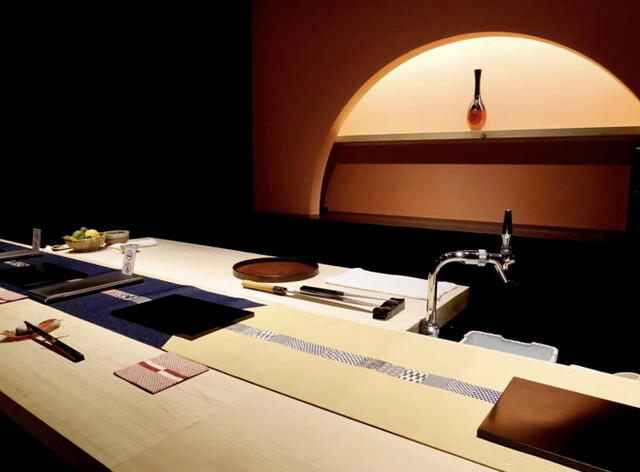
Approach this kind of sushi counter in Okazaki and the mood is already different from Ginza or Kyoto: less theatre, less hotel-lobby polish, more dependence on the relationship between maker, ingredient, and the few guests close enough to watch the work. Sushi Bito Mitoku sits in that smaller provincial tier where scale matters. With six counter seats, a reservation-only format, and a dinner range of JPY 30,000 to JPY 39,999, the meal belongs to the same serious category as destination sushi, but its logic is rooted in Aichi rather than in a capital-city luxury circuit.
That distinction matters. Japan’s high-end sushi scene is often read through Tokyo benchmarks, yet regional counters can be more revealing because sourcing becomes less abstract. A course built around sushi, seafood, and Japanese cuisine in Okazaki has to answer a different question: what does a small counter gain by staying close to local supply lines, rather than performing the familiar metropolitan script? The answer is concentration. Fewer seats mean less room for compromise, and local ingredients are not decorative branding; they are the structure of the meal.
Okazaki sushi with a local-ingredient argument
The public description of the counter points to stylish nigiri made with local ingredients, which is the useful lens here. At this price level, diners are not paying for abundance alone. They are paying for selection, timing, preparation, and the discipline of serving sushi at close range. A six-seat counter makes the experience harder to separate from process: rice, seafood, pacing, and the balance between sushi and broader Japanese cooking all sit within view.
The 2025 Tabelog Sushi EAST 100 selection gives the restaurant a meaningful trust signal, particularly because the list places it among sushi specialists across eastern Japan rather than only within Okazaki. The listed Tabelog score of 3.68 should be read in the Japanese context, where ratings above the mid-threes can already indicate serious local credibility. It is not a global award shorthand; it is a domestic signal that Japanese diners use with caution and frequency.
Okazaki’s dining map also sharpens the point. Around the city, everyday noodle and casual dining addresses such as Jikaseimen Koen Mae, Menya Akinosora, and Tsukemen Sha Ikki occupy a completely different spend category, while Johoku Hanten and Tamborada show how the city’s restaurant range stretches from casual meals to higher-commitment dinners. Sushi Bito Mitoku sits at the narrow end of that range: fewer seats, higher price, tighter booking consequences, and a format where the meal is shaped by procurement as much as cooking.
A six-seat counter changes the stakes
Small sushi rooms are often misunderstood as intimate by default. The more precise point is operational: six counter seats create a low-margin environment for cancellations, late arrivals, and vague planning. The restaurant asks for cancellation notice by the day before, and same-day cancellations carry a full course charge. That policy is not incidental; it reflects the economics of purchased seafood, prepared rice, and a course built for a fixed headcount.
The room is non-smoking, counter-led, and not built around private dining. Children under 12 are not accepted, which places the experience firmly in adult dining territory. Drinks are framed around sake and wine, a useful pairing range for sushi that moves between fish, shellfish, vinegar, salt, and cooked Japanese elements without requiring a rigid Western tasting-menu structure. Credit cards are accepted, while electronic money and QR payments are not, another planning detail that matters more in regional Japan than many travellers expect.
Hours run in the evening, with Wednesday closed and last entry listed at 22:00. The restaurant is about 458 metres from Okazaki Station by the listed JR Line access, and parking is available in a small on-site allocation of about three cars. Those details reinforce the same editorial reading: this is not a drop-in sushi bar for flexible city wandering. It is a planned dinner, in a small house-restaurant setting, where arrival, party composition, and cancellation discipline affect the entire room.
For broader city planning, the restaurant belongs in the premium end of the Okazaki restaurants guide, while travellers building a full itinerary can also scan Okazaki hotels, Okazaki bars, Okazaki wineries, and Okazaki experiences. Regional Japanese dining rarely rewards loose scheduling at this level; the stronger move is to anchor the evening around the counter, then build the rest of the day around transit and timing.
Who should choose this counter
This is the Okazaki choice for diners who care about ingredient origin and counter format more than breadth of menu. The cooking category is sushi, seafood, and Japanese cuisine, but the real decision is whether the diner wants a compact, reservation-only room at a premium spend, rather than a more casual night out. In that context, the price is not merely a number; it filters the occasion.
It also filters expectations. The restaurant opened in 2016, and by 2025 had earned a place on Tabelog’s Sushi EAST 100 list. That timeline suggests an address with enough continuity to be judged beyond novelty, yet it remains small enough that access and etiquette matter. For travellers comparing sushi in Japan, Sushi Bito Mitoku is compelling because it offers a regional answer to a national form: local ingredients, a six-seat counter, and a recognition signal strong enough to justify planning around Okazaki rather than treating the city as a pass-through.
For adjacent reading beyond Okazaki, EP Club’s Japan and overseas restaurant archive includes -Grilled beef Sukiyaki- KAMAKURA TANUKIAN 鎌倉 たぬき庵 in Kamakura. 鮪と炭火焼き うお炭 秋葉原店 in Tokyo.cafe in Osaka.know in Kumamoto, (Shoku) Vietnam in Kawasaki, [Curry Senmon Ten] Maruyama Kyoju. in Sapporo, Jōdo Saké Bar in Los Angeles, and Onigiri Time in Pasadena.
In Context: Similar Options
Comparable venues by cuisine and price in the same metro.
| Venue | Cuisine | Price | Notes |
|---|---|---|---|
| Sushi Bito Mitoku | Seasonal Omakase Sushi from Mikawa Bay | $$$$ | Harizaki-cho |
| Menya Akinosora | Seasonal Local-Ingredient Ramen Shop | $ | Daimon |
| Tsukemen Sha Ikki | Tsukemen & ramen shop | $ | Hoseiji-cho |
| Tamborada | Classic Spanish restaurant with all‑Spanish wine list | $$$ | Ryumiminami, Okazaki |
| Johoku Hanten | Sichuan Chinese | $$ | Naka Okazaki |
| Jikaseimen Koen Mae | House-made noodle ramen shop | $ | Okazaki |
Recognition history
Dated appearances from independent guides and award organizations, with the underlying list record or original source where available.
Tabelog 100 #100 · No. 100
Tabelog · Tabelog 100 - Sushi - EAST - 2025
At a Glance
- Intimate
- Elegant
- Quiet
- Date Night
- Special Occasion
- Celebration
- Solo
- Business Dinner
- Chefs Counter
- Standalone
- Design Destination
- Sake Program
- Local Sourcing
- Sustainable Seafood
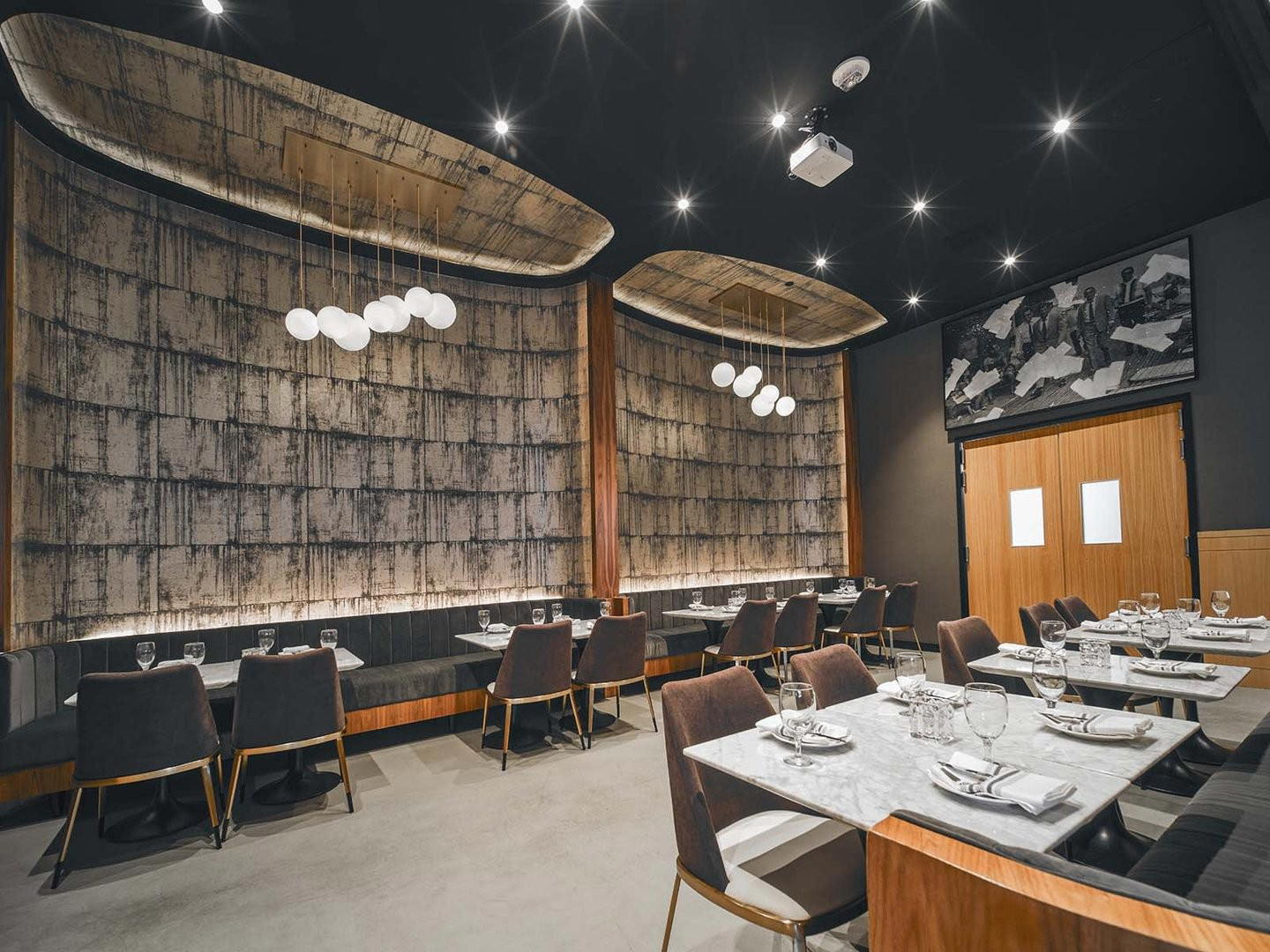
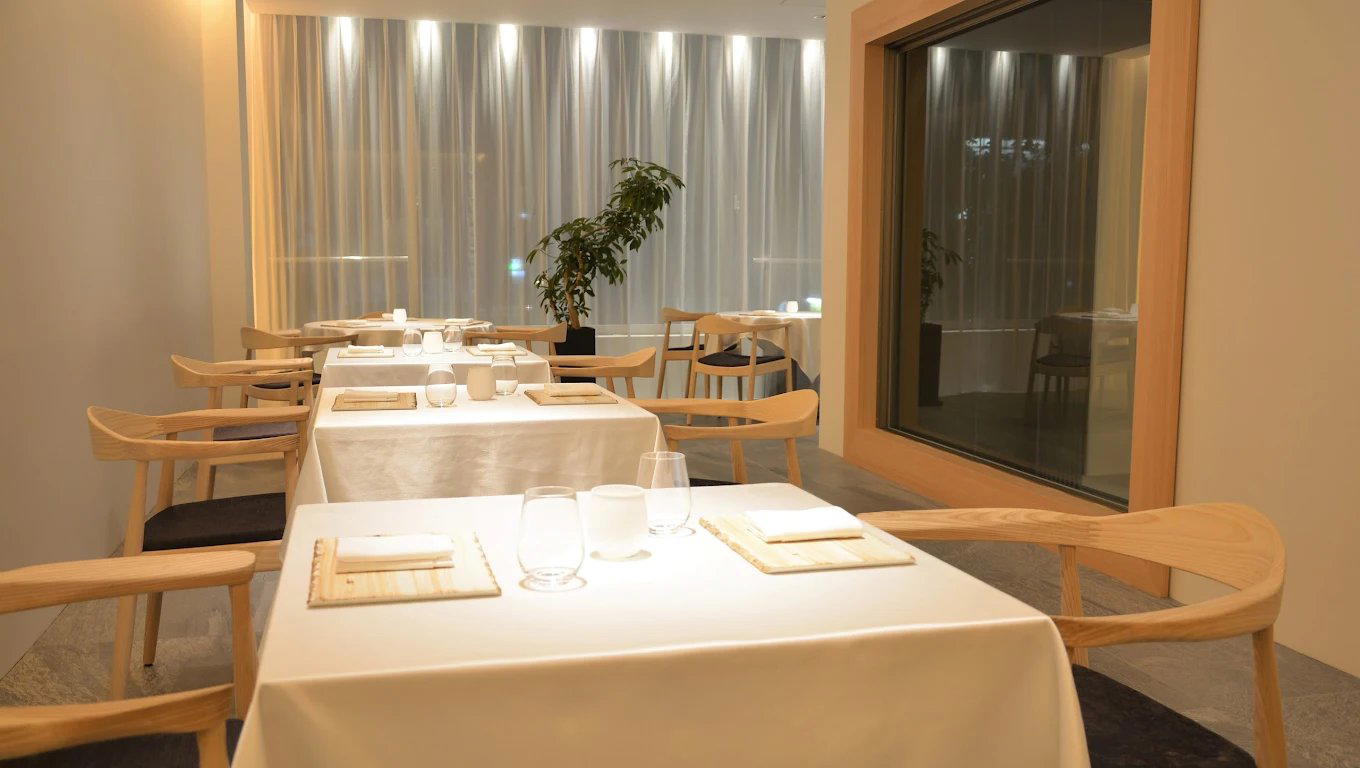
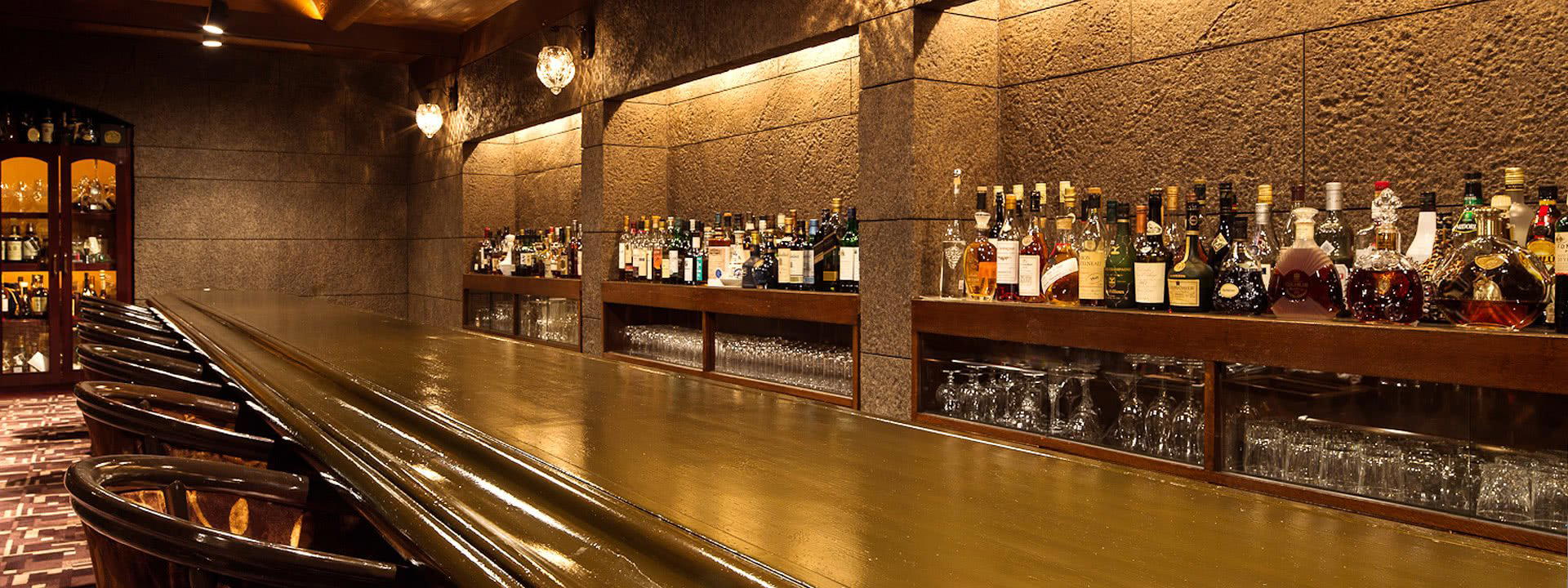
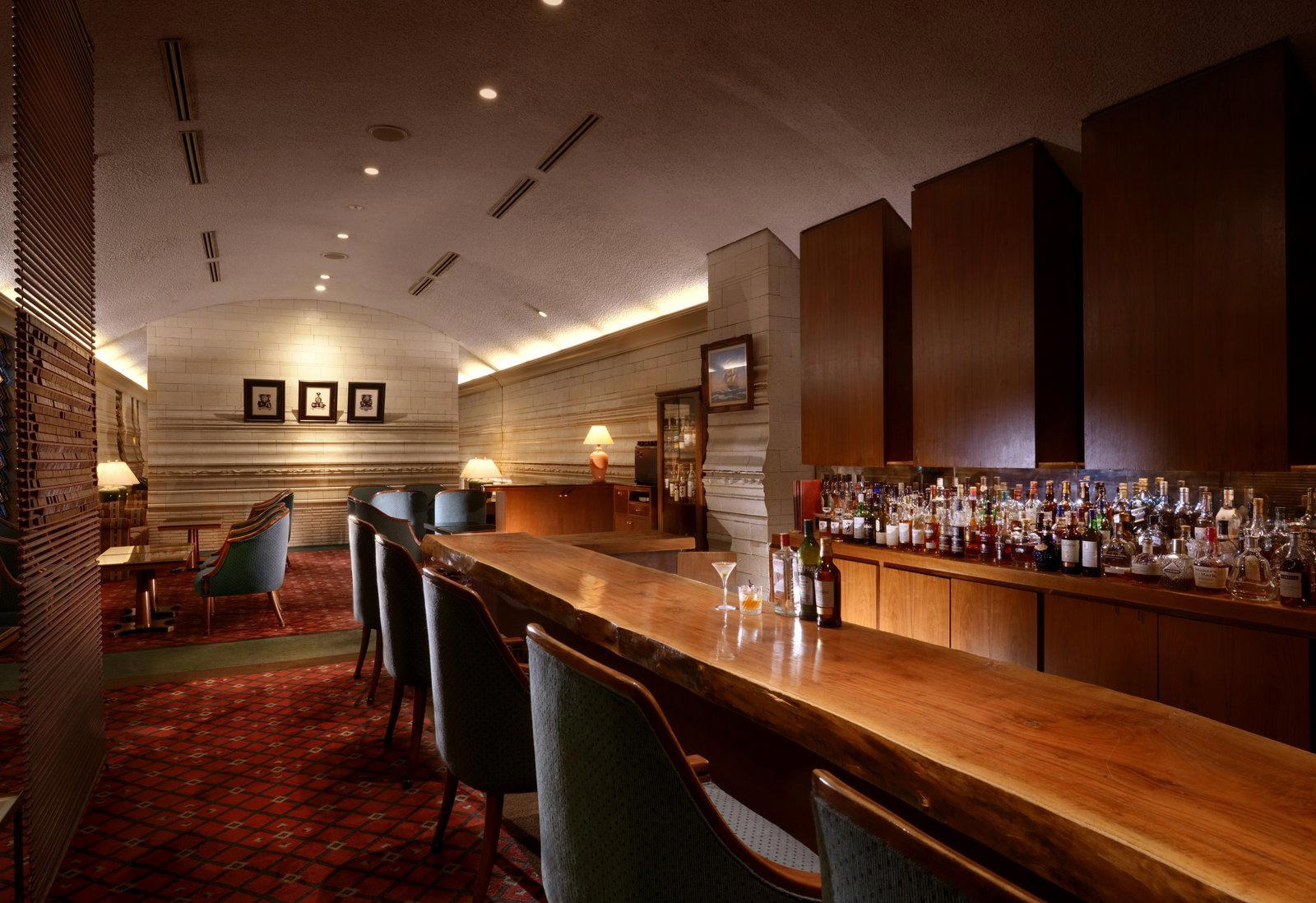
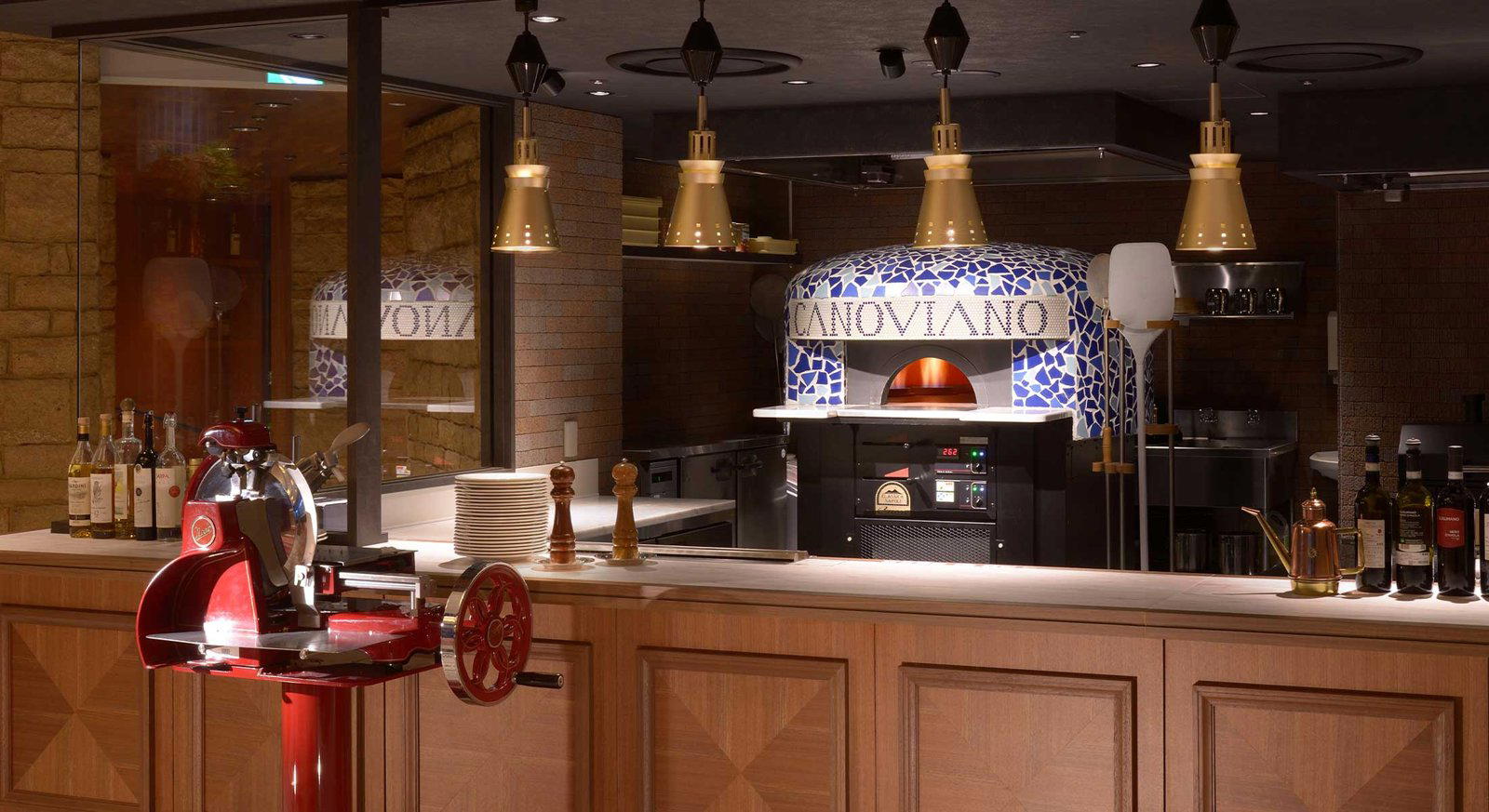
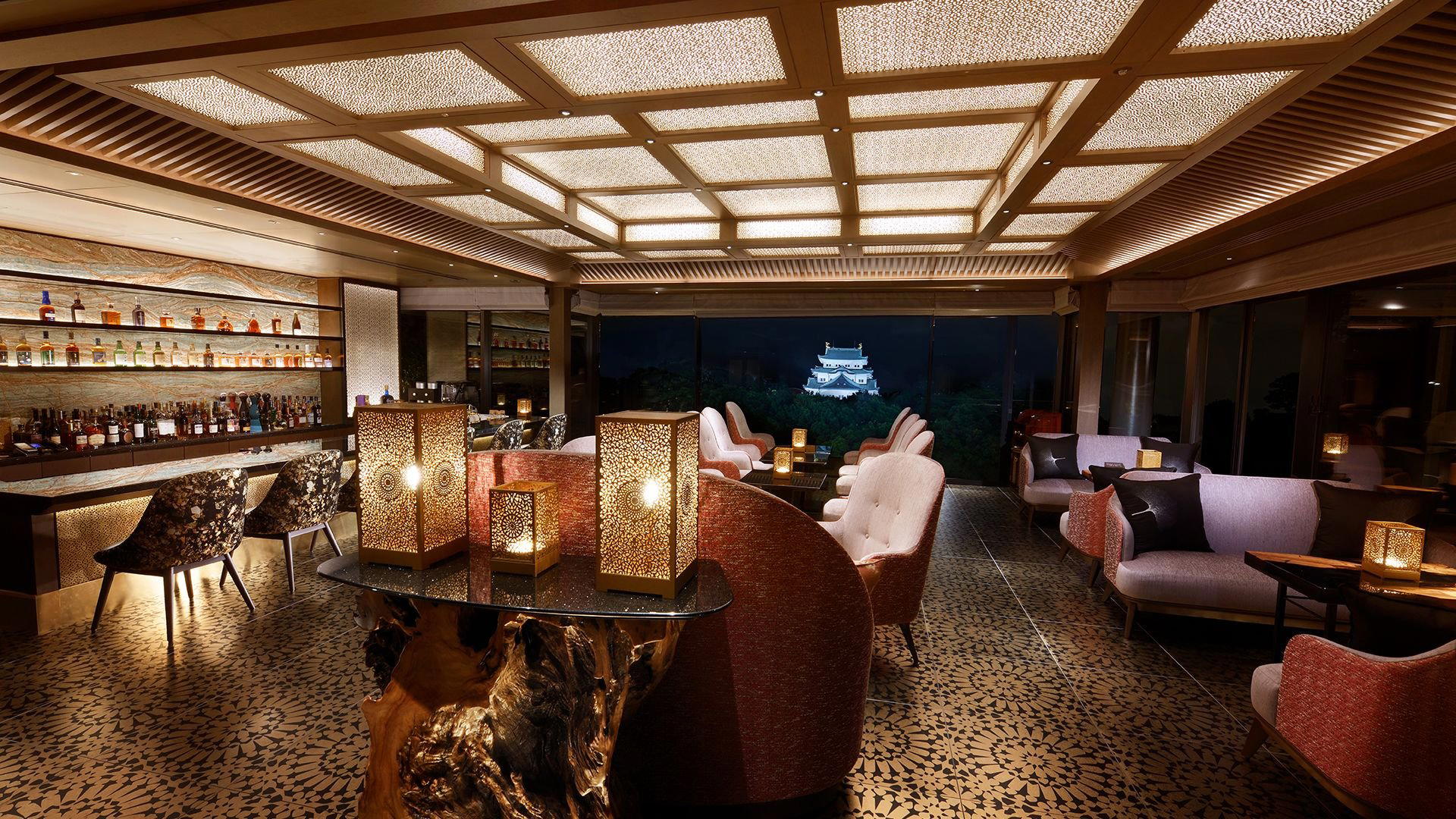
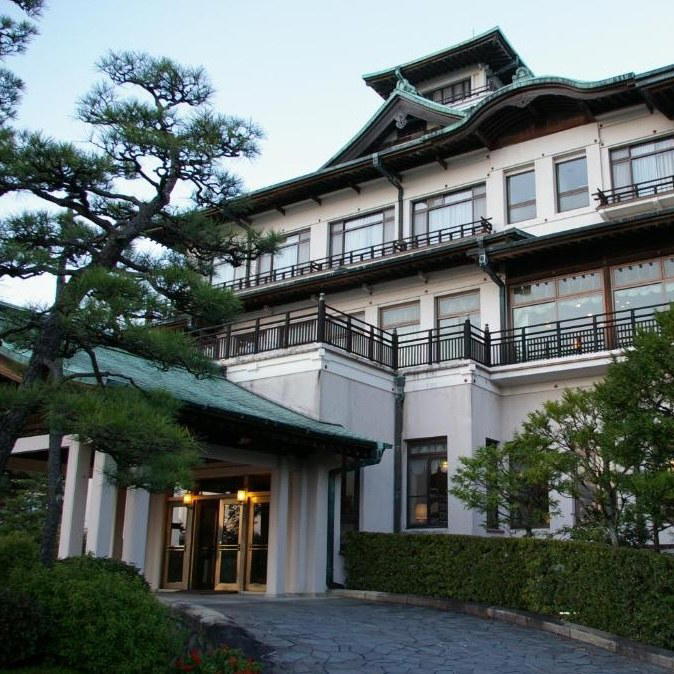
A hushed, reservation-only counter with just six seats, tucked into a residential area near Okazaki Station; the mood is calm and focused on the chef’s craft, with a refined yet understated feel typical of high-end Japanese sushi counters.