Johnsleitnerhütte
Our verdict
Johnsleitnerhütte sits on the Gnanitzalm above Tauplitz in Styria, operating within the Austrian alpine hut tradition where the sourcing radius is the pasture in view. The cooking draws directly from the working alm environment around it, placing it in a category defined by proximity and season rather than tasting menus or formal credentials. A natural stop for those walking the Tauplitz plateau.

Pearl is the En Primeur Club membership app, where members save venues, book tables and use the concierge.
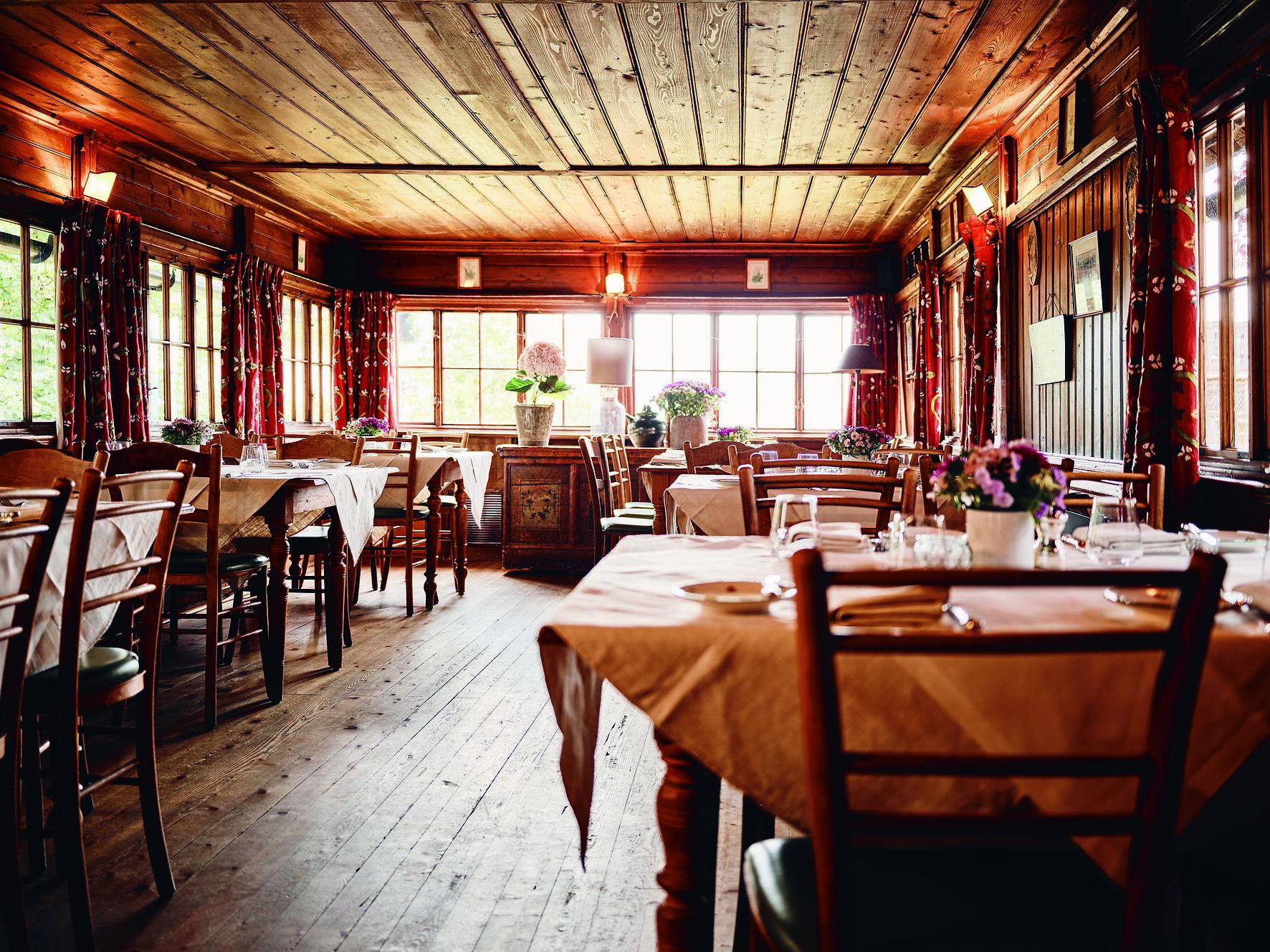
Alpine Pasture Cooking in the Styrian Highlands
The approach to Johnsleitnerhütte follows a pattern that defines the better alpine hut experiences across Austria's interior ranges: a walk or drive through increasingly narrow pasture roads, the sound of cowbells before the structure itself comes into view, and then the hut itself sitting against the gradient of the Tauplitz plateau. The Gnanitzalm address places it in the Styrian Salzkammergut fringe, where the Totes Gebirge massif shapes both the terrain and, in a more literal way than most kitchens would claim, the food. At this altitude and in this agricultural context, ingredient sourcing is not a marketing position. It is a function of geography.
Where the Food Comes From
Austria's alpine hut tradition operates on a supply logic that urban restaurants spend considerable effort trying to replicate. At a working alm, the dairy animals are frequently visible from the dining table. Milk, cream, and butter carry the character of the specific pasture grasses the animals have grazed, which shift through the summer season as snow retreats to higher elevations and new growth follows. This is the central fact of alm cooking, and it separates a genuinely situated hut from a tourist-facing approximation of one.
The Styrian highlands around Tauplitz sit within a region that has produced serious food culture for decades. Döllerer in Golling an der Salzach has made regional Alpine ingredient sourcing the architectural spine of its tasting menus, while Kräuterreich by Vitus Winkler in Sankt Veit im Pongau has built a reputation around hyperlocal herb and plant sourcing at comparable elevations. What the hut format offers that these destination restaurants cannot is proximity: the sourcing radius collapses to the immediate surroundings, and there is no cold chain between pasture and plate.
That proximity matters most for dairy. Styrian alm cheeses are typically produced in small quantities through the summer months, with flavour profiles that shift week to week depending on what the herd is eating. This is the kind of ingredient story that Steirereck im Stadtpark in Vienna references when it sources from specific Austrian alpine producers, but the hut itself is the source. The difference is not trivial.
The Alm Format in Austria's Dining Hierarchy
Austria's serious dining scene concentrates in Vienna, Salzburg, and a cluster of alpine resort towns, where venues like Griggeler Stuba in Lech and Stüva in Ischgl operate at the formal end of mountain dining. The alm hut occupies a different tier entirely, one defined not by tasting menus or wine cellars but by the directness of the cooking and the specificity of the setting. These two categories do not compete; they answer different questions about what a meal in the Austrian highlands is supposed to do.
The better alm experiences in Austria share a set of structural characteristics: limited operating seasons tied to snow conditions and pasture use, menus that shift with what is available rather than what has been planned months in advance, and a physical environment where the building itself is part of the agricultural operation rather than a structure built to look as if it is. Spechtenseehütte, also in the Stainach-Pürgg area, represents the same tradition and offers a useful point of comparison for understanding the character of high-pasture dining in this part of Styria.
For readers who have visited formally trained establishments elsewhere in the region, such as Obauer in Werfen or Landhaus Bacher in Mautern an der Donau, the alm format represents a different kind of culinary intelligence. The discipline here is not in technique but in restraint: cooking that does not try to improve on ingredients that arrived minutes ago.
Styria's Position in Austrian Alpine Food Culture
Styria sits apart from Tirol and Salzburg in the Austrian food conversation. It has fewer internationally profiled destination restaurants and a stronger tradition of regional cooking that does not seek external validation. Artis in Graz represents the Styrian urban end of that tradition, but the agricultural core of the region's food identity lives at elevation, in the summer alm economy that has shaped this part of Austria for centuries. The Tauplitz plateau, where Johnsleitnerhütte operates, is part of that system.
Austrian alpine cooking at altitude draws on a narrow pantry by necessity. Flour, lard, dairy, cured meats, and foraged greens form the working vocabulary of most hut kitchens, and the quality of the output is determined almost entirely by the quality of the inputs. In a region where the inputs are this specific to place, cooking becomes a form of translation rather than transformation. That is the intellectual case for the alm meal, and it is one that the current wave of sourcing-focused restaurants at venues like Ikarus in Salzburg or Gourmetrestaurant Tannenhof in Sankt Anton am Arlberg gestures toward but cannot fully replicate.
For contrast outside Austria altogether: the ingredient proximity that defines the alm experience is what separates it from even the most sourcing-conscious urban restaurants globally. Le Bernardin in New York City and Atomix in New York City both operate with exceptional supply chains, but the supply chain is still a chain. At a working alpine hut, the supply chain is a pasture.
Planning a Visit
The Gnanitzalm location above Tauplitz means access depends on season and weather. Austrian alms of this type typically operate from late spring through early autumn, with the precise window determined by snow clearance on the approach routes. Given the rural address and the absence of published contact information in public directories, the most reliable approach is to check in with Tauplitz tourism infrastructure or local hiking associations before making the journey a centrepiece of the day. The hut is leading reached on foot or by the access tracks that serve the Gnanitzalm, making it a natural destination within a longer walk across the plateau. Those arriving specifically to eat rather than as part of a larger mountain day should plan accordingly: the experience is tied to the place and the movement that gets you there, not to a table reservation in the conventional urban sense.
For a broader orientation to eating and drinking in the area, our full Stainach Pürgg restaurants guide covers the range of options across the municipality, from valley-level cooking to the higher-altitude hut tradition that Johnsleitnerhütte represents. Additional context on Styrian restaurant culture at the formal end of the market can be found through venues like Taubenkobel in Schützen am Gebirge, Schwarzer Adler in Hall in Tirol, Ois in Neufelden, and Restaurant 141 by Joachim Jaud in Mieming, all of which demonstrate how seriously the Austrian alpine food scene takes its sourcing and regional identity.
Frequently asked questions
Can I bring kids to Johnsleitnerhütte?
The Gnanitzalm location above Tauplitz makes this a natural stop on a family walking route through the Totes Gebirge foothills. Alm huts at this altitude in Styria operate informally, outdoor seating, no dress expectations, and the approach on foot keeps the format accessible for children comfortable with a moderate alpine walk.
What's the vibe at Johnsleitnerhütte?
Johnsleitnerhütte follows the functional template of a working Styrian alm: rough-hewn architecture, outdoor benches where the terrain allows, and an atmosphere shaped more by the surrounding Gnanitzalm pasture than by any designed hospitality concept. Conversation happens at communal pace; walkers and locals mix without ceremony. It sits well outside the polished resort-hut register of Tirol or Salzburg.
How do you get to Johnsleitnerhütte on the Gnanitzalm above Tauplitz?
The hut sits at the Gnanitzalm address above the village of Tauplitz in the Stainach Purgg area of Styria, within the Totes Gebirge foothills. Access follows the pattern of alm huts in this part of Austria: a walking approach from the Tauplitz plateau, with route conditions varying by season.
Where is Johnsleitnerhütte in Stainach Purgg?
Johnsleitnerhütte is located at Gnanitzalm, 8982 Tauplitz, Austria, Stainach Purgg.
Should I book Johnsleitnerhütte in advance?
No phone number or website is currently listed for Johnsleitnerhütte, which is consistent with many working alms on the Gnanitzalm that operate on a walk-in basis during their open season. Austrian alms at this altitude typically run from late spring through early autumn, with access dependent on weather and seasonal conditions. Arriving early in the day reduces the risk of limited seating, particularly on weekends in peak summer.
A Quick Peer Check
| Venue | Cuisine | Price | Awards | Notes |
|---|---|---|---|---|
| JohnsleitnerhütteThis venue (the venue you are viewing) | Traditional Austrian Alpine Cuisine | $20–30 | Not listed | Not listed |
| Steirereck im Stadtpark | Modern Austrian Fine Dining | $200–300 | 3 Michelin Stars · World's 50 Best #33 | Creative |
| Döllerer | Modern Alpine Cuisine | $100–150 | 2 Michelin Stars · La Liste Top Restaurants | Contemporary Austrian, Innovative |
| Ikarus | Guest Chef Fine Dining | $200–300 | 2 Michelin Stars · La Liste Top Restaurants | Modern European, Creative |
| Konstantin Filippou | Modern Fish-Led Fine Dining | $200–300 | 2 Michelin Stars · La Liste Top Restaurants | Modern European, Modern Cuisine |
| Landhaus Bacher | Classic Austrian Fine Dining | $100–150 | 2 Michelin Stars · La Liste Top Restaurants | Austrian, Classic Cuisine |
Continue exploring
More in Stainach Purgg
Restaurants in Stainach Purgg
All restaurants in Stainach Purgg →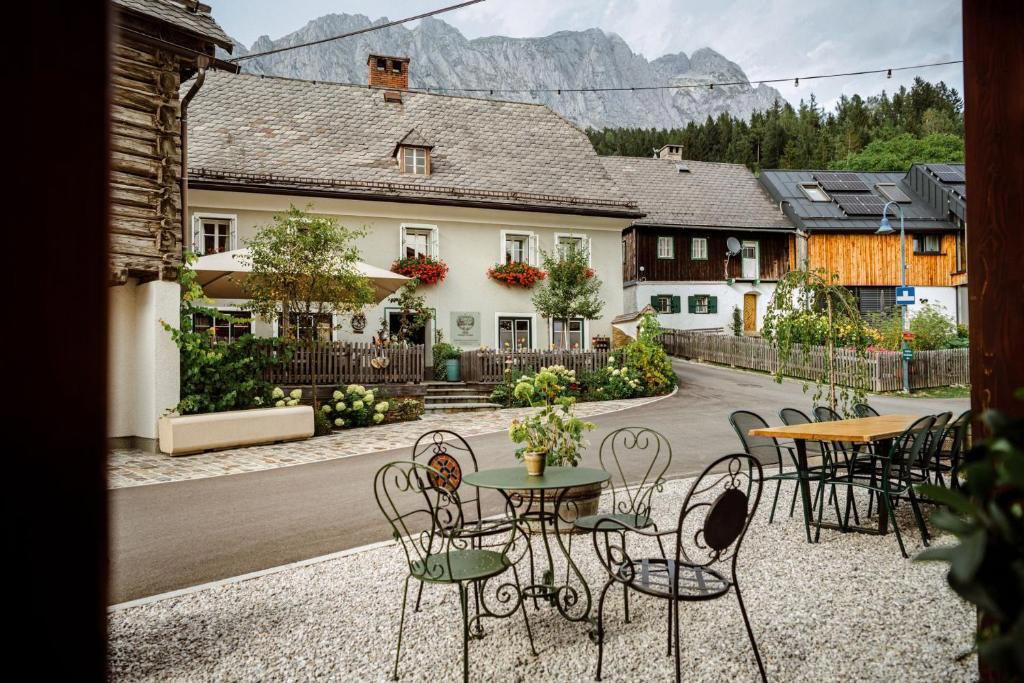
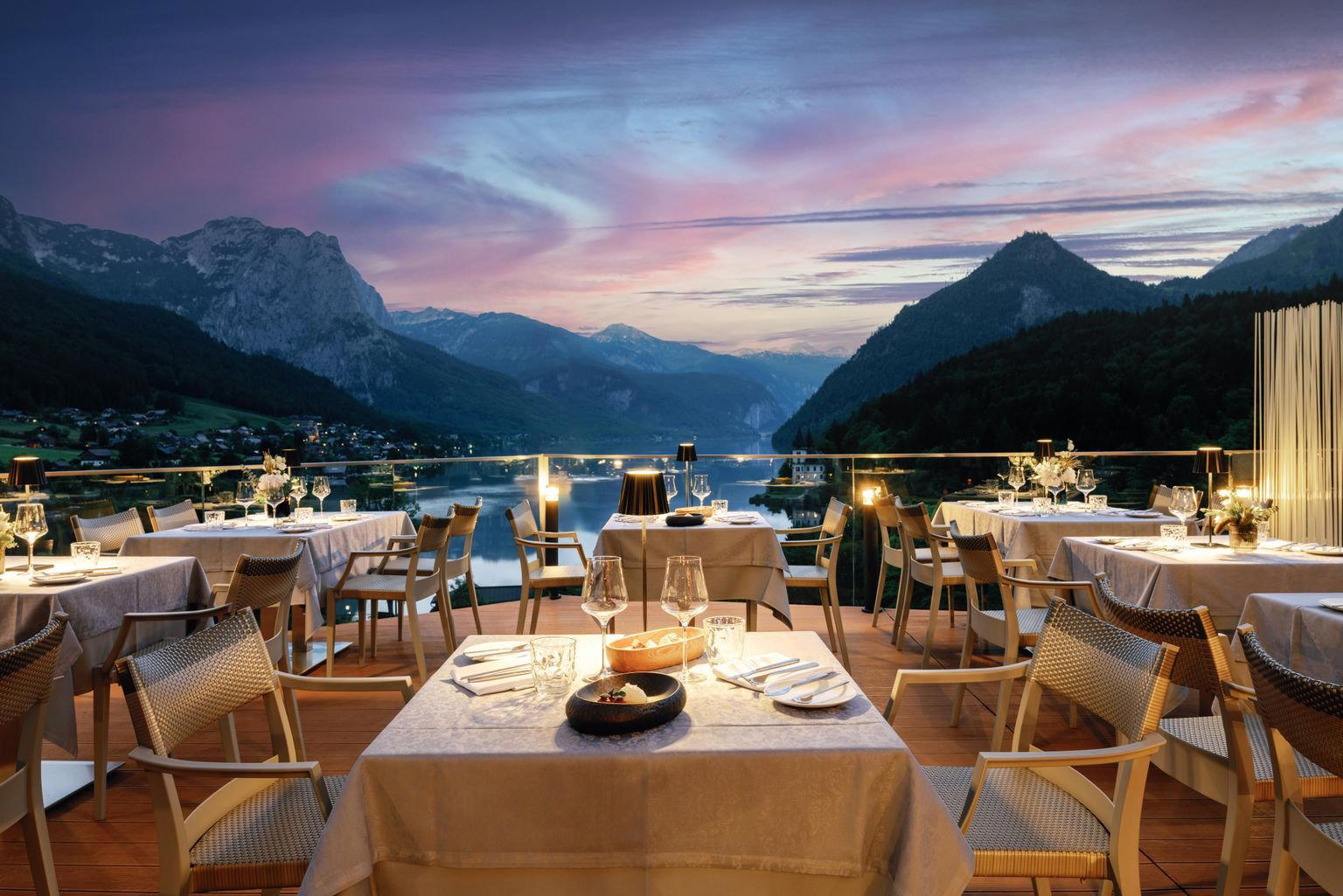
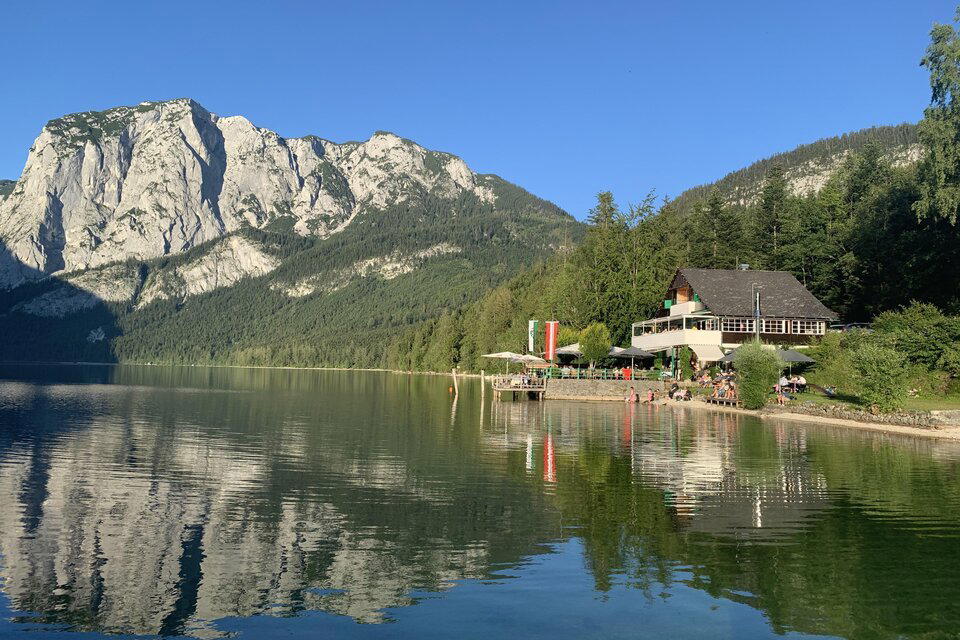
Bars in Stainach Purgg
Browse all →
Details
- Rustic
- Cozy
- Scenic
- Casual Hangout
- Group Dining
- Family
- Panoramic View
- Standalone
- Local Sourcing
- Mountain
- A La Carte
- Family Style
- Beer
- Wine
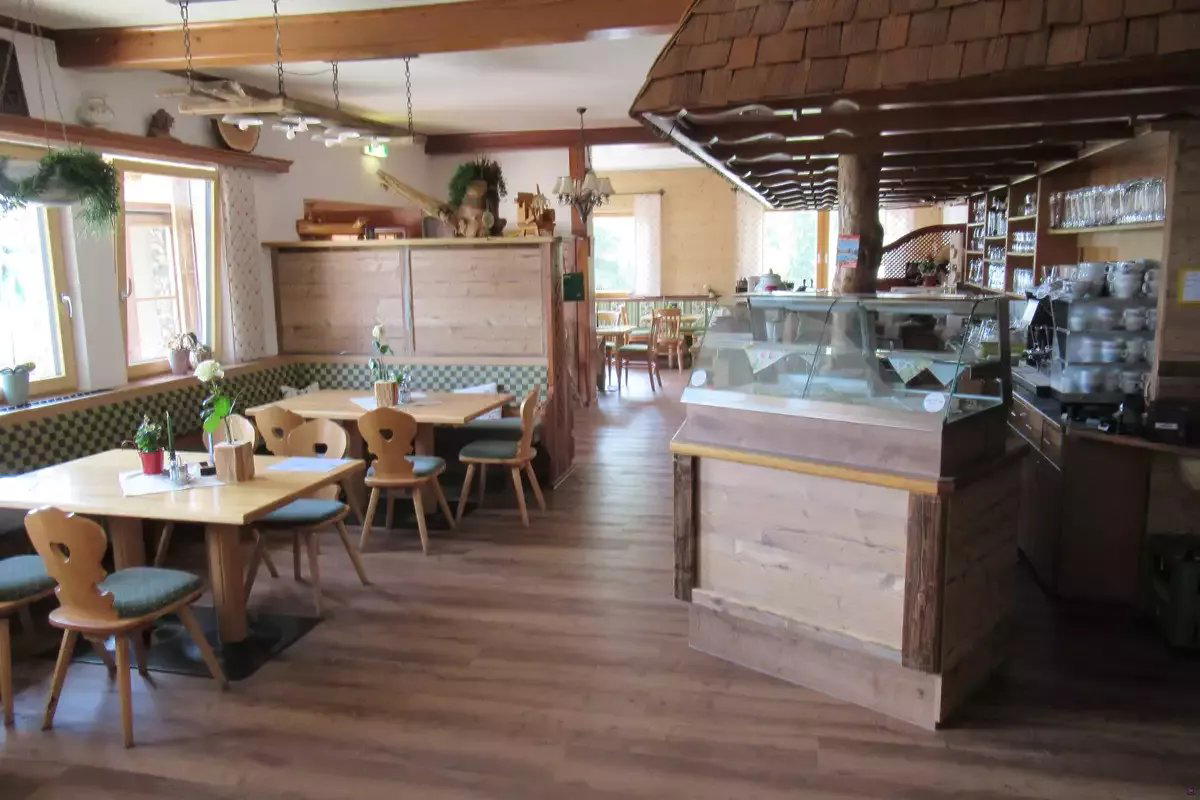
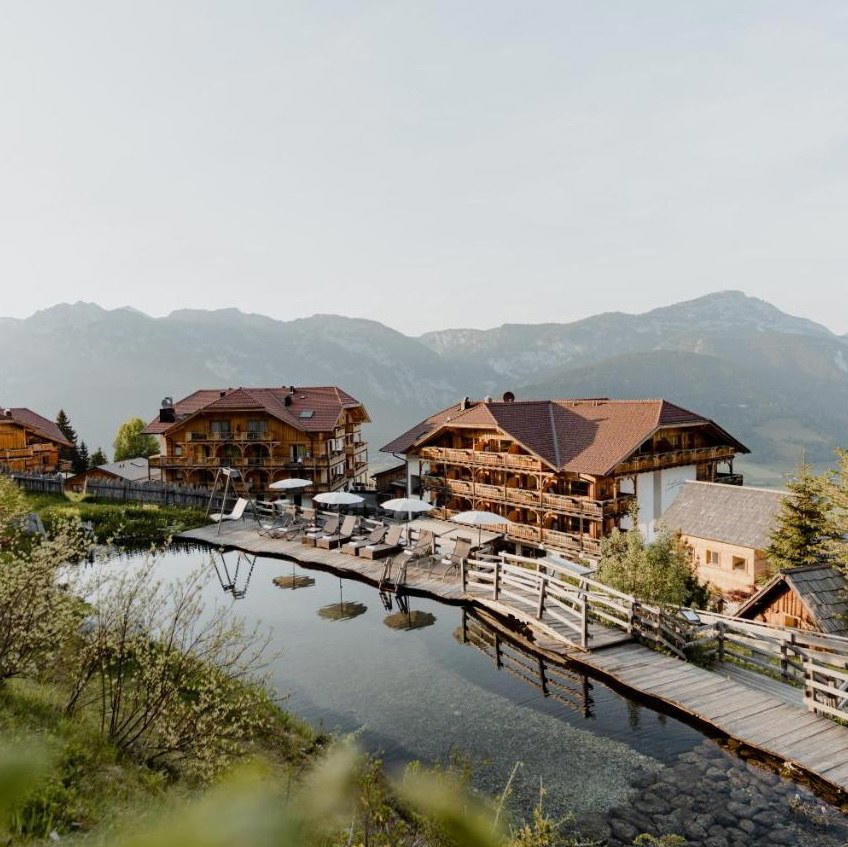
Warm and inviting alpine lodge atmosphere with wooden interiors, traditional décor, and natural lighting from large windows overlooking the mountains.