Berggasthof Steinerhaus sits along the Stoderzinken mountain road above Gröbming in the Styrian Ennstal, operating in the tradition of Austrian alpine gasthouses where altitude and seasonal produce define what lands on the table. The setting places it squarely in a regional dining culture that values proximity to source over formal ambition, making it a reference point for visitors exploring the Aich area's mountain dining options.
Pearl is the En Primeur Club membership app — saves, bookings, and concierge access live there. Same editors, same standards.
- Address
- Stoderzinken Alpenstraße, 8962 Gröbming, Austria
- Phone
- +43368626460
- Website
- steinerhaus.at
- Directions
- Get directions
 Saves & bookings on Pearl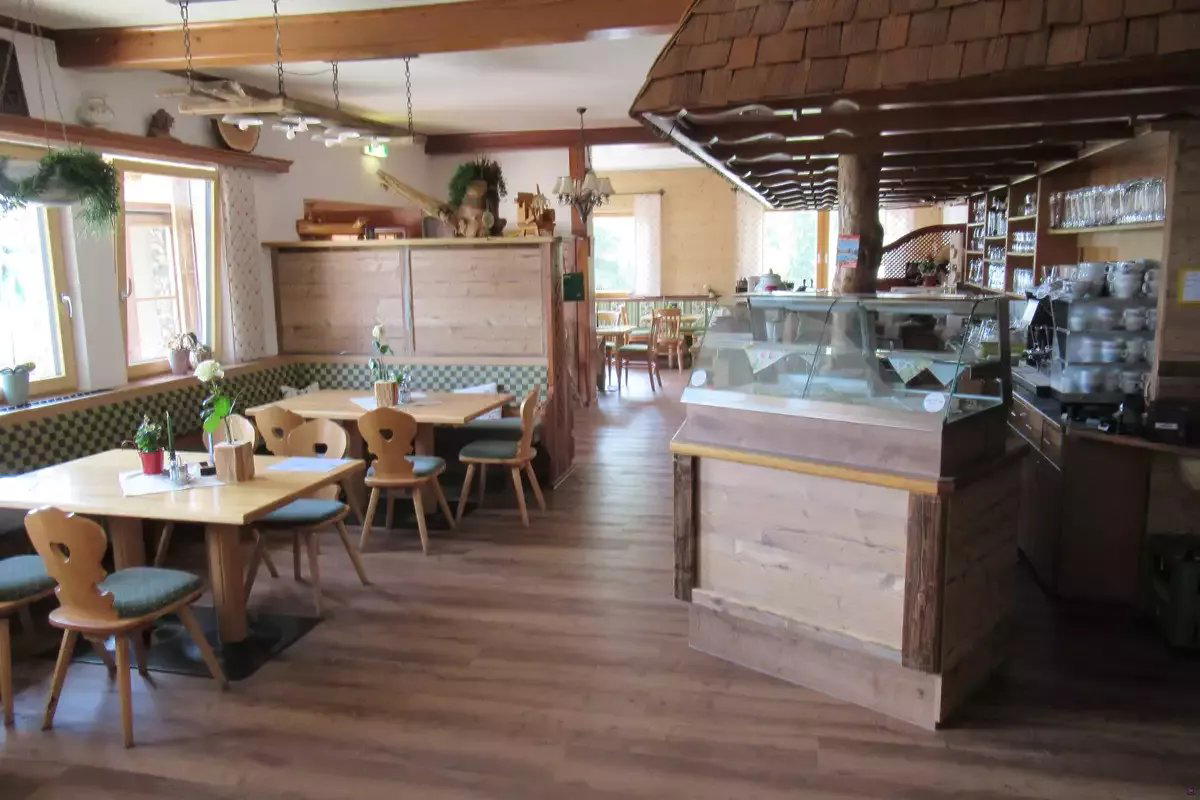
Where the Road Ends and the Kitchen Begins
The approach to Berggasthof Steinerhaus along the Stoderzinken Alpenstraße tells you most of what you need to know before you arrive. The road climbs through the Styrian Ennstal above Gröbming, passing through the kind of terrain where the Austrian Berggasthof tradition was born: high pastures, mountain air, and a working relationship between kitchen and landscape that predates any contemporary conversation about farm-to-table sourcing. By the time the building comes into view, the context has already framed the meal.
The Berggasthof format occupies a distinct position in Austrian hospitality. Unlike the formal Alpine resort restaurants found at places such as Griggeler Stuba in Lech or Gourmetrestaurant Tannenhof in Sankt Anton am Arlberg, a Berggasthof operates closer to the working mountain tradition: a guesthouse built around the rhythms of the alpine season, serving food that reflects what the surrounding area produces rather than what a tasting menu format demands. The distinction matters for readers deciding between the two registers.
Ingredient Sourcing as the Defining Logic
In Styria's Ennstal valley, the argument for local sourcing is geographic before it is ideological. The region sits within one of Austria's most productive agricultural corridors, where dairy farming on high pastures, forestry, and river fishing have historically shaped what local kitchens put on the table. A Berggasthof at this altitude is positioned, almost by necessity, to draw on that supply chain. The distance between pasture and plate is short in a literal sense.
This sourcing logic connects the Stoderzinken area to a broader pattern in Styrian mountain dining. The province has a strong identity around its own produce: pumpkin seed oil from the lowland farms, lamb from higher elevations, freshwater fish from the Enns and its tributaries. Mountain gasthouses operating in this tradition tend to anchor their menus to what the immediate landscape yields seasonally, which means the menu shifts as the growing calendar shifts. What arrives in summer on the Stoderzinken road differs from what the kitchen works with once the first snow closes the higher sections.
Austria's most decorated restaurants, including Steirereck im Stadtpark in Vienna and Döllerer in Golling an der Salzach, have built national and international reputations in part by making the sourcing argument explicit, treating Austrian regional produce as a subject worth serious culinary attention. The Berggasthof tradition operates in a less formal register but draws from the same geographic logic. At this altitude above Gröbming, the sourcing argument needs no marketing language behind it.
The Styrian Alpine Dining Context
The Ennstal sits in Upper Styria, a part of Austria that draws considerably less international dining traffic than Salzburg, Tyrol, or Vienna's first district. That relative quietness shapes the dining culture here. Restaurants in this corridor, from informal mountain stops to more structured regional kitchens, tend to serve a local and Austrian-domestic audience rather than an internationally travelling one. The format is calibrated accordingly: generous portions, direct flavours, wine lists anchored to Styrian and broader Austrian production.
For readers who have covered the more formal end of Austrian alpine dining, venues such as Stüva in Ischgl or Kräuterreich by Vitus Winkler in Sankt Veit im Pongau represent one pole of the alpine restaurant spectrum. Berggasthof Steinerhaus and its counterparts occupy the other end: places where the architecture of the meal is simpler, the room is warmer in temperature and atmosphere, and the connection to the surrounding landscape is expressed through directness rather than technique. Neither pole is superior; they serve different dining intentions entirely.
The Stoderzinken road itself is the access condition that shapes everything about this type of venue. The mountain is a local destination for hiking and paragliding, which means the dining room draws from an active, outdoor-oriented clientele during the warmer months. Nearby, Rosemialm represents another reference point in the immediate Aich area for mountain-adjacent dining.
Where Steinerhaus Sits in a Wider Austrian Restaurant Picture
Austria's restaurant culture spans a wider range than its international reputation often suggests. At the formal end, places such as Obauer in Werfen, Landhaus Bacher in Mautern an der Donau, and Taubenkobel in Schützen am Gebirge hold Michelin recognition and operate with the kitchen discipline that implies. Further along the spectrum, venues such as Ikarus in Salzburg and Atelier Fischer in Sankt Gilgen occupy mid-range creative positions. The Berggasthof category sits entirely outside that formal hierarchy, operating by different standards and serving a different purpose for visitors.
Internationally, the closest structural analogue might be the rifugio tradition in northern Italy or the mountain hut restaurants of Switzerland: places that earn their authority not from award recognition but from physical position, seasonal commitment, and the practical logic of feeding people who have travelled through demanding terrain to get there. For context on how that kind of dining compares to destination restaurant formats globally, the gap between a place like this and somewhere such as Le Bernardin in New York City or Lazy Bear in San Francisco is not about quality hierarchy but about entirely different dining architectures serving entirely different reader needs.
Planning a Visit
Berggasthof Steinerhaus is located on the Stoderzinken Alpenstraße, addressed to 8962 Gröbming in the Styrian Ennstal. Access follows the mountain road, which means seasonal conditions apply: the Stoderzinken road is a high-alpine route, and visits should be planned with awareness that weather and road conditions shift materially between summer and winter months. The area is most accessible for driving visitors during the warmer half of the year, and the hiking and outdoor activity season that runs through late spring and summer represents the natural peak period for mountain gasthouses in this part of Styria. For readers considering properties across the wider region, pairing a visit here with restaurants in the Salzburg corridor, such as Restaurant 141 by Joachim Jaud in Mieming or Ois in Neufelden, gives a fuller picture of what Upper Austria and Styria's dining range covers across different register and formality levels.
A Quick Peer Check
Comparable venues nearby, for context on price, style, and recognition.
| Venue | Cuisine | Price | Notes |
|---|---|---|---|
| Berggasthof SteinerhausThis venue — the venue you are viewing | Traditional Austrian Mountain Cuisine | $$ | Not listed |
| Rosemialm | Austrian Alpine | $$ | Aich |
| Weitmoosalm | Traditional Austrian Alpine | $$ | Planai |
| Waldschenke Ramsau | Traditional Austrian | $$ | Ramsau Ort |
| Stöcklhütte | Traditional Austrian Alpine | $$ | Haus im Ennstal |
| Sonnenstüberl | Traditional Austrian | $$ | Rohrmoos |


At a Glance
- Rustic
- Cozy
- Scenic
- Family
- Casual Hangout
- Terrace
- Panoramic View
- Historic Building
- Mountain
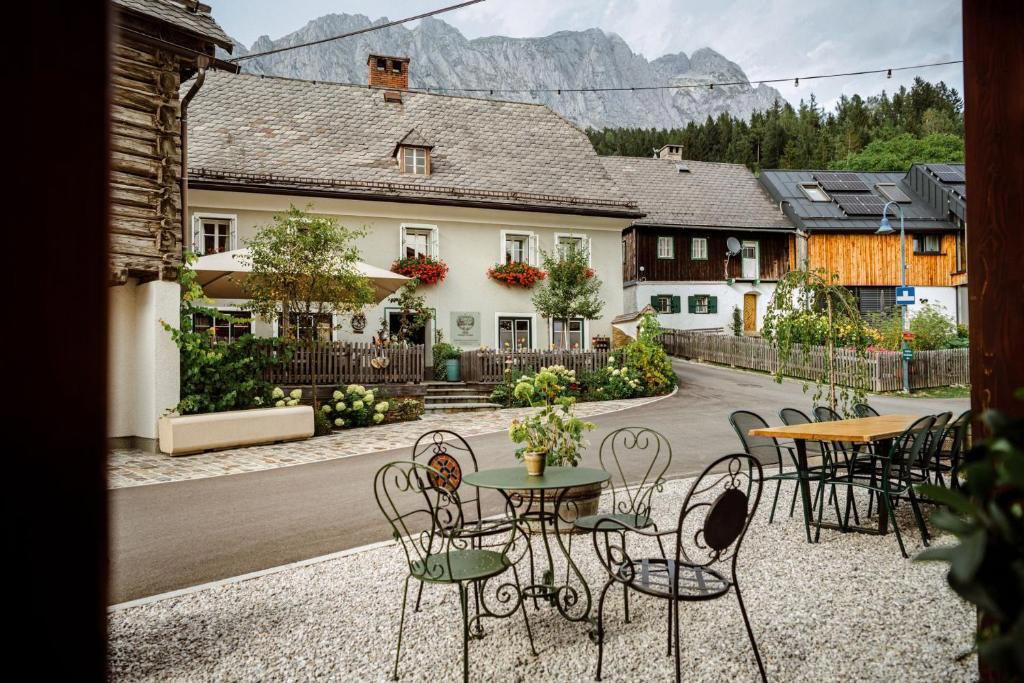
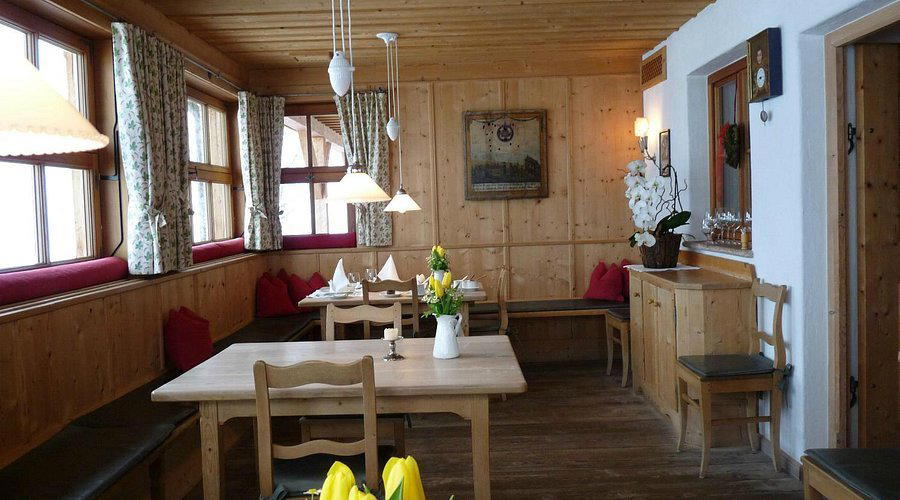
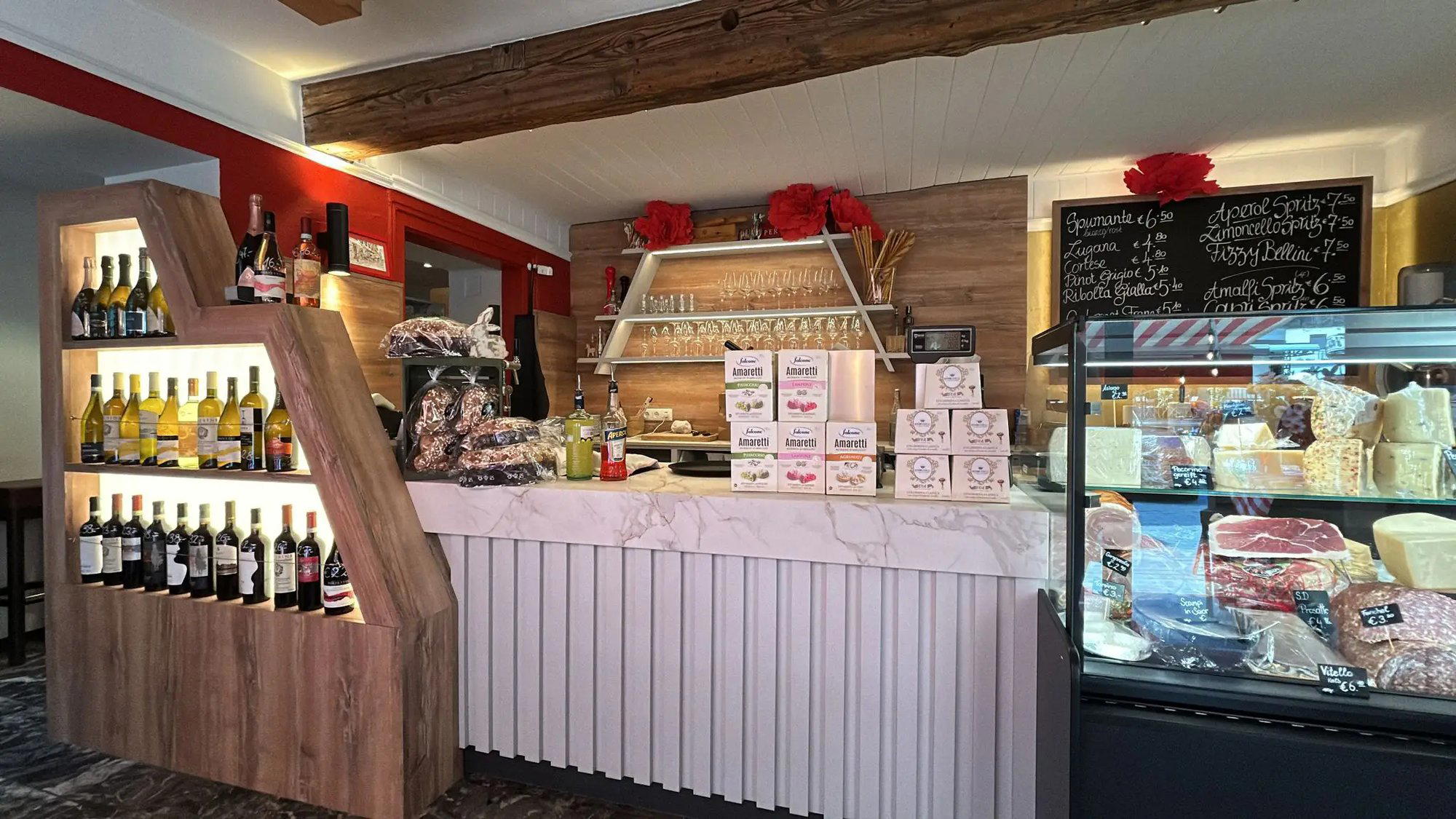
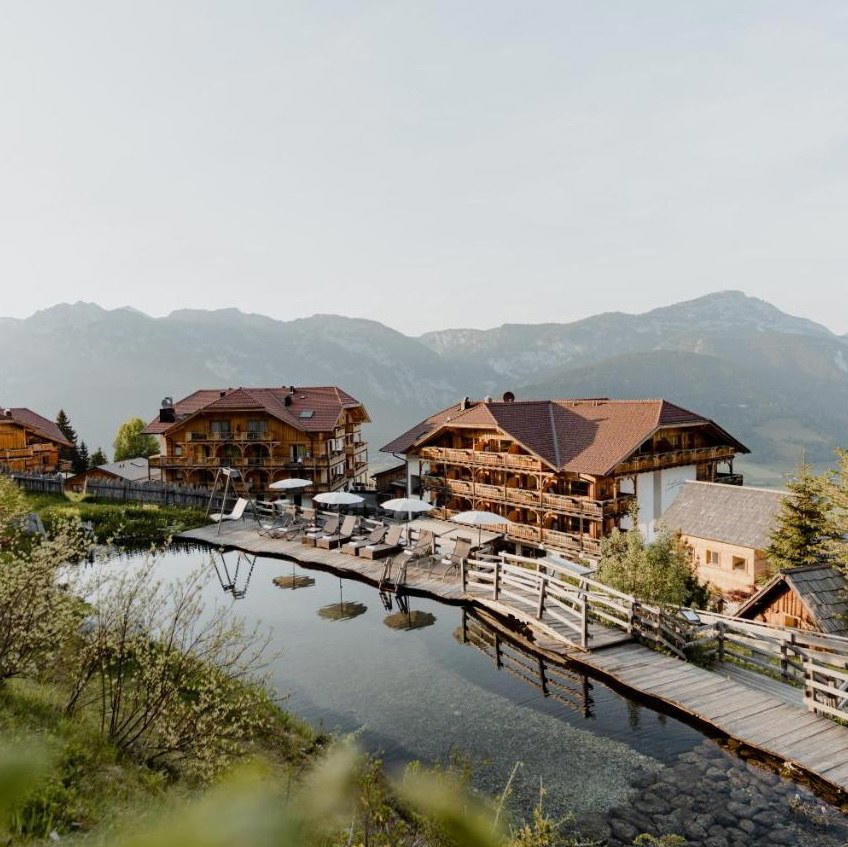
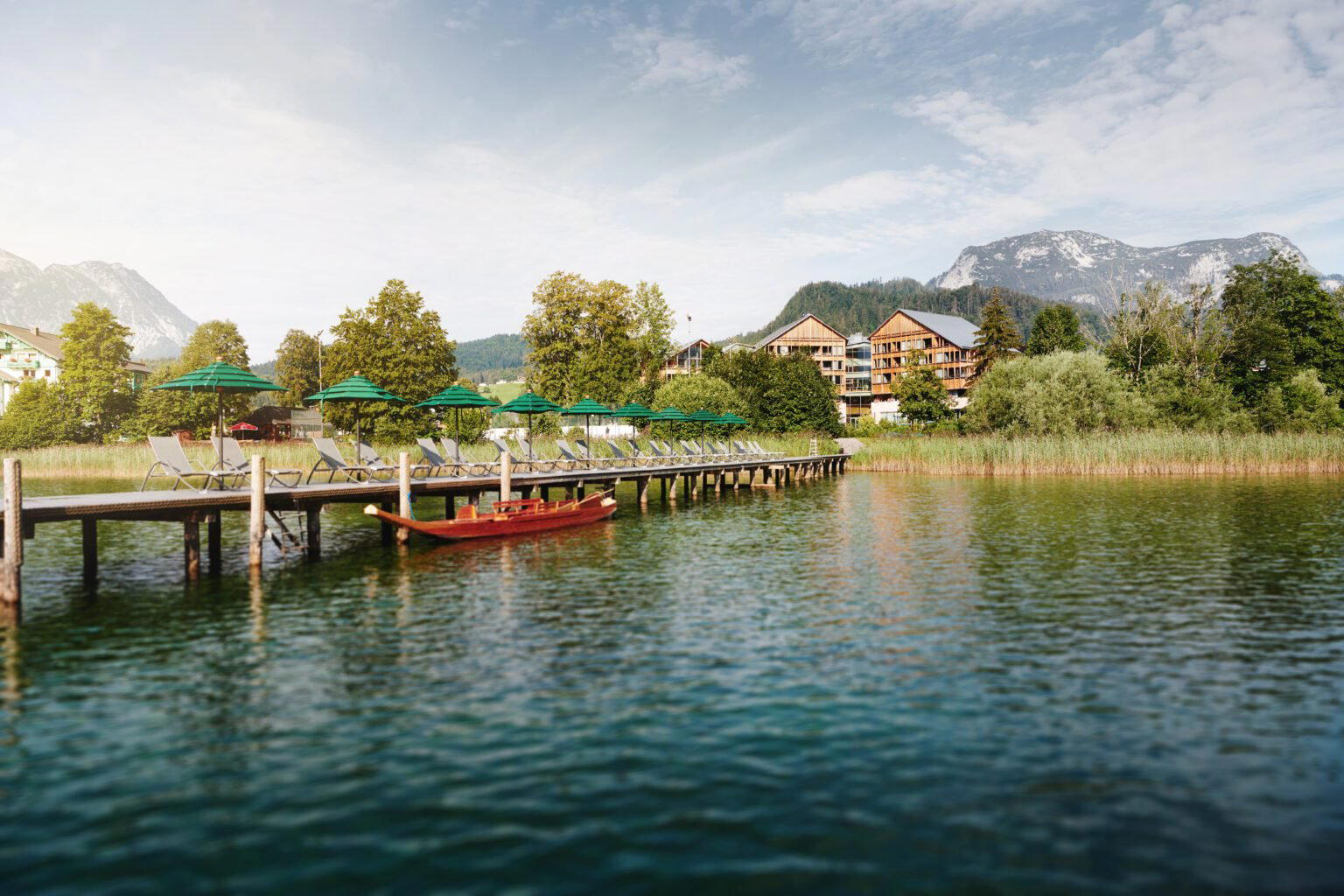
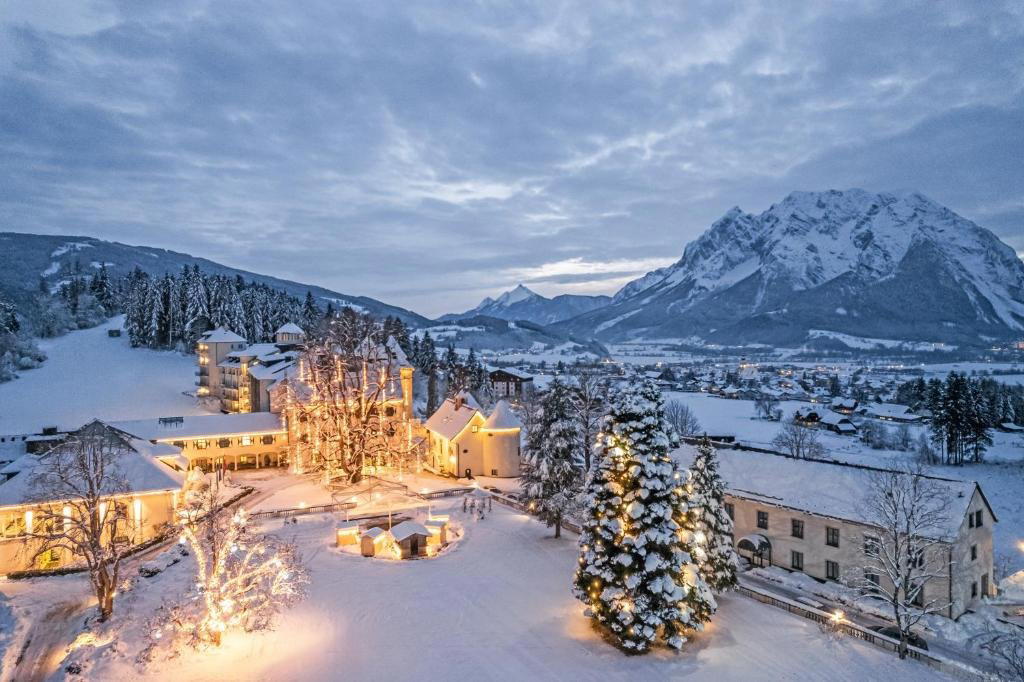
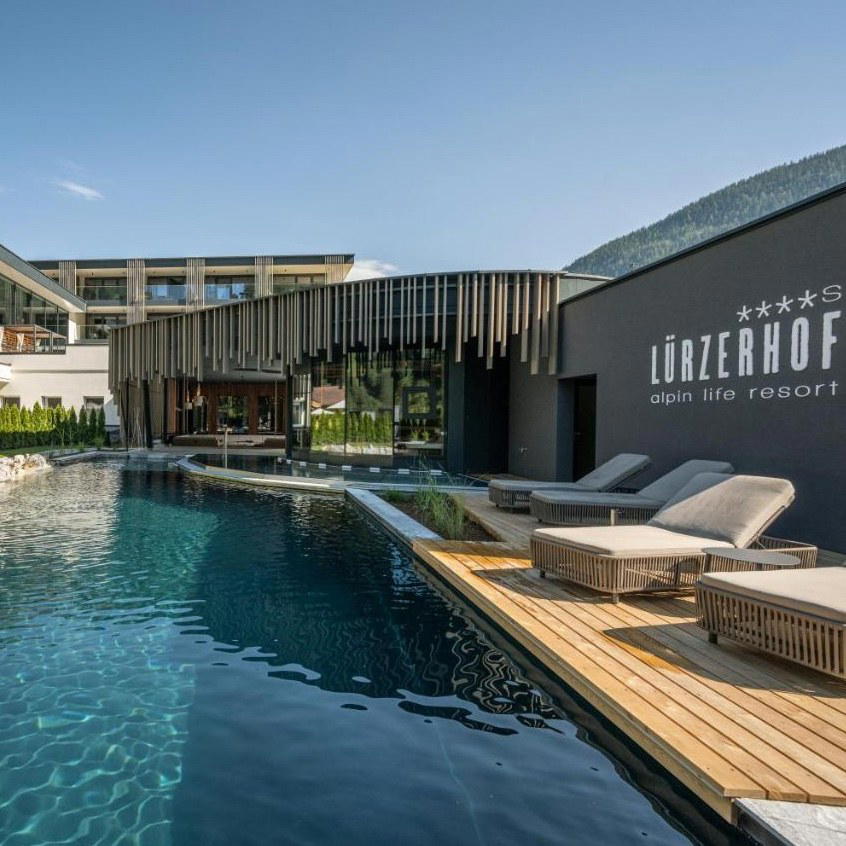
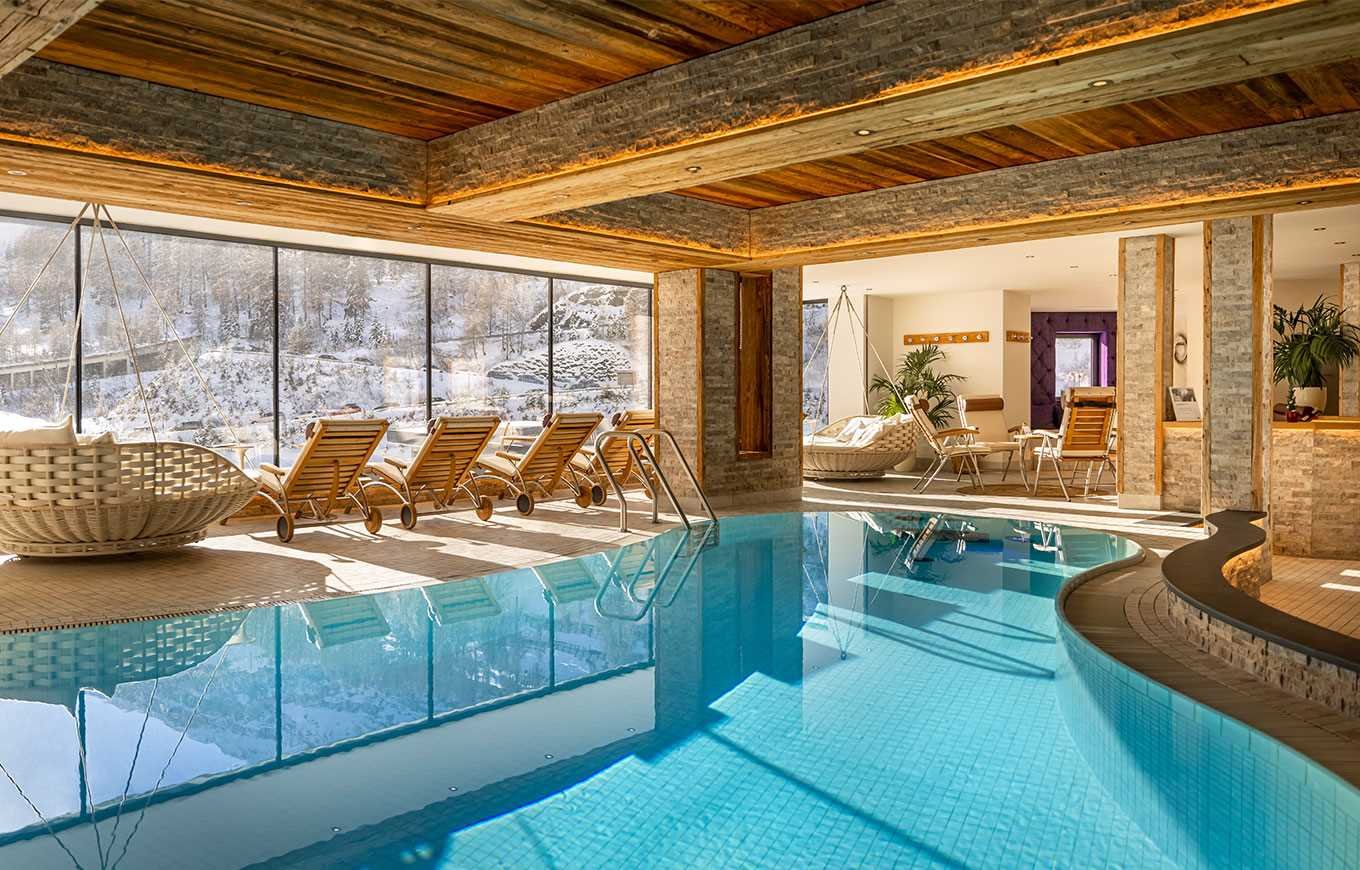
Cozy rustic atmosphere with dramatic mountain vistas and fresh alpine air, ideal for relaxation after hiking or skiing.