Spechtenseehütte
Our verdict
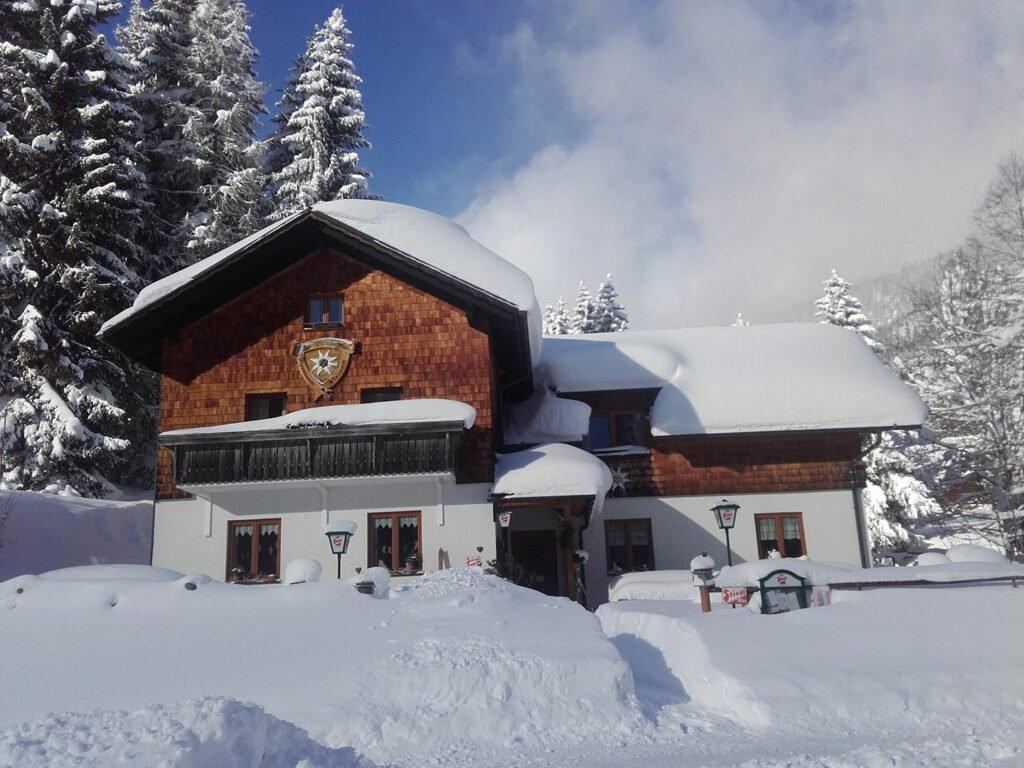
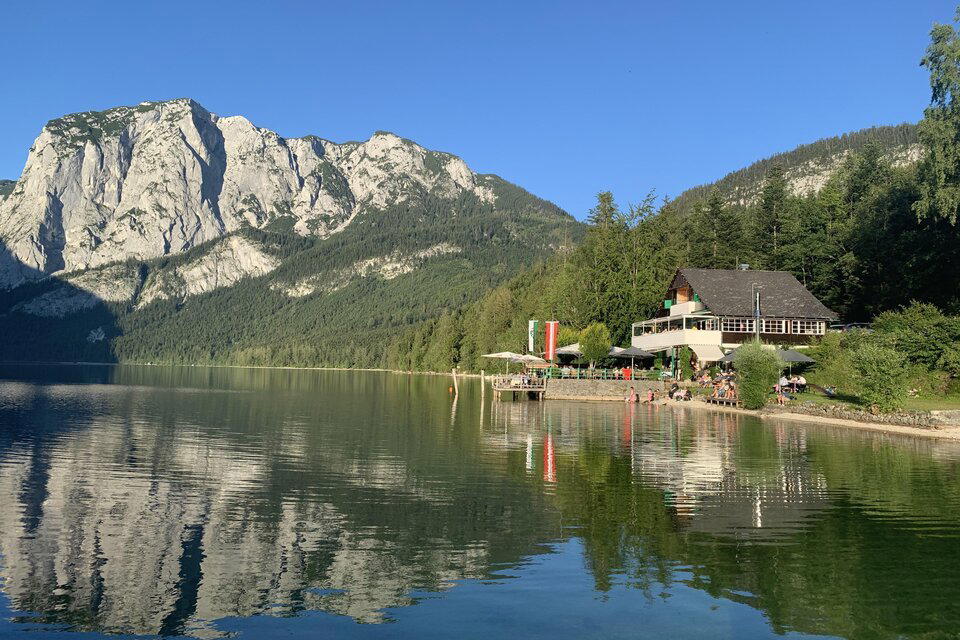
A mountain refuge in the Tauplitz area of Styria's Salzkammergut region, Spechtenseehütte sits within one of Austria's less-trafficked alpine corridors, where the hut tradition of simple, grounded hospitality persists largely unchanged. The address, Wörschachwald 88, places it deep in forested terrain above the valley floor, serving the kind of audience that arrives on foot or ski and expects food that matches the setting rather than transcends it.

Pearl is the En Primeur Club membership app, where members save venues, book tables and use the concierge.
The Alpine Hut Tradition in Styria's Interior
Austria's mountain huts occupy a distinct place in Central European food culture that fine-dining comparisons tend to obscure. The Hütte is not a restaurant that happens to have an alpine address; it is a format shaped by elevation, seasonality, and the physical state of the people who arrive at it. In Styria's interior, the fold of mountains running south from the Salzkammergut toward the Ennstal, that format has remained more conservative than in the more commercially polished Tyrolean or Salzburg corridors. Spechtenseehütte, at its address in Wörschachwald above Tauplitz, belongs to this tradition: a working refuge in terrain that still functions primarily as walking and skiing country rather than resort infrastructure.
The broader Austrian alpine dining conversation tends to concentrate on a handful of marquee addresses: Steirereck im Stadtpark in Vienna, Döllerer in Golling an der Salzach, Ikarus in Salzburg. These are restaurants operating at the creative and price ceiling of Austrian cooking, where contemporary technique meets local sourcing at a four-figure-per-head level. The hut tradition exists in a completely different register, one where the measure of quality is whether the food is honest, hearty, and priced proportionally to what the walk in and out actually costs.
Wörschachwald and the Tauplitz Plateau
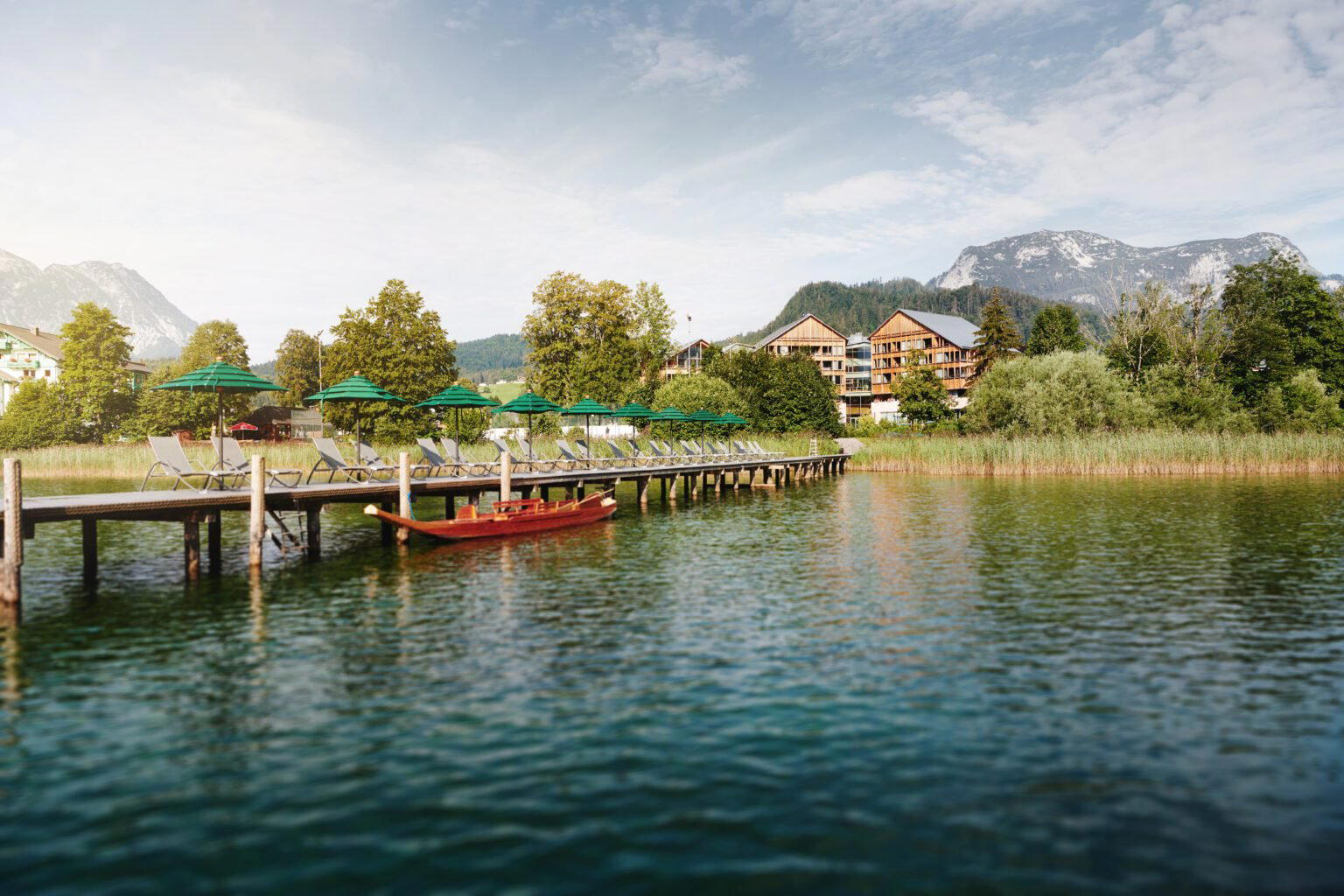
Tauplitz and the surrounding Wörschachwald area sit within a section of Styria that functions outside the main tourist circuits. The Tauplitz plateau, reached by road from Stainach-Pürgg in the Ennstal valley, is known primarily as a winter sports area and a summer hiking destination. The terrain is characterized by karst limestone formations, forest cover, and a series of high lakes, the Tauplitzseen, that draw day visitors in warmer months. The Spechtensee itself is one of these lakes, and the hut's name anchors it geographically to that body of water and the immediate forested surroundings.
This geography matters for understanding what the venue is and who arrives at it. Unlike the Arlberg corridor, where addresses like Griggeler Stuba in Lech or Stüva in Ischgl have developed alongside international ski tourism and refined their formats accordingly, the Tauplitz area draws a predominantly regional, Austrian and German-speaking clientele. The expectations at a hut in this context are calibrated accordingly: solid Styrian and broader Austrian cooking, beer and local wine served without ceremony, and service that matches the informality of the setting.
What the Hut Format Means at This Altitude
The Almhütte and Schutzhütte formats across Austria have developed slightly different identities depending on whether they sit on a ski run, at a lake edge, or along a hiking route. Lake-adjacent huts like Spechtenseehütte typically serve a mixed clientele: hikers completing a circuit, families who have driven up and walked a short distance, and locals who return seasonally as a matter of habit rather than discovery. The food at these huts is almost always anchored in the same canon: Gulasch, Kaiserschmarrn, Brettljause (a cold-cut and cheese board), grilled meats, and soup. Styria adds its own inflections, pumpkin seed oil appears on salads, Steirisches Schöpsernes (Styrian mutton) surfaces in some huts during cooler months, and locally cured meats tend to be of higher provenance than in more tourist-heavy corridors.
The broader Austrian hut canon is a legitimate culinary tradition in the sense that matters most: it has been consistent across generations, it reflects the agricultural and pastoral economy of the regions it inhabits, and it is what the people who live in those regions actually eat when they are outdoors. That is a different kind of authority from the creative-Austrian tradition represented by venues like Obauer in Werfen, Landhaus Bacher in Mautern an der Donau, or Kräuterreich by Vitus Winkler in Sankt Veit im Pongau, but it is authority nonetheless.
Placing Spechtenseehütte in the Regional Picture
Within the Stainach-Pürgg area specifically, the hut offering is small enough that individual venues carry more significance than they would in a denser market. Johnsleitnerhütte represents a comparable format in the same area, and the two addresses together give some sense of what the local alpine dining offer looks like at this level. For a broader view of dining in the region, our full Stainach Purgg restaurants guide maps the complete picture across formats and price points.
The hut tradition in this part of Styria does not aspire to the creative register of venues like Taubenkobel in Schützen am Gebirge or the experimental approach of Artis in Graz, nor should it be measured against those standards. The comparison set for a hut in Wörschachwald is other huts in the Ennstal and Salzkammergut belt, and within that set the criteria are consistency, sourcing quality, and whether the kitchen delivers what the terrain demands. At altitude, after several hours on foot or on snow, the food that matters is food that is prepared with care and served without pretension.
Planning a Visit
Spechtenseehütte sits at Wörschachwald 88, 8982 Tauplitz, in the municipality of Stainach-Pürgg. Access is via the road that climbs to the Tauplitz plateau from the Ennstal valley, and the hut is reachable on foot from the plateau's main walking routes. Seasonal opening patterns for huts in this area typically follow the summer hiking season (roughly late May through October) and the winter ski season, with closures in the shoulder months of November and early spring. Visitors planning a specific trip should verify current opening before travel, as mountain hut schedules are subject to weather and operator decisions that do not always follow fixed calendars. No advance booking infrastructure is listed; walk-in is the standard format for huts at this level, though groups arriving in larger numbers during peak summer weekends may find space constrained. For international visitors arriving in Austria who are also considering the country's more formally structured dining tier, venues like Restaurant 141 by Joachim Jaud in Mieming or Schwarzer Adler in Hall in Tirol offer a calibrated step up in ambition while remaining within the alpine context. For those drawn to the contrast between alpine informality and high-end creative cooking as a broader travel pattern, the same impulse that draws visitors to Ois in Neufelden, Gourmetrestaurant Tannenhof in Sankt Anton am Arlberg demonstrates how the mountain-dining format can operate at the opposite end of the formality spectrum.
Frequently asked questions
How do I find Spechtenseehütte?
Spechtenseehütte is located at Wörschachwald 88, 8982 Tauplitz, Austria, Stainach Purgg.
Is Spechtenseehütte suitable as a stop during a Tauplitz plateau hike?
Located at Wörschachwald 88 in the Tauplitz area of Stainach-Pürgg, Spechtenseehütte sits along one of the access routes onto the Tauplitz plateau, which makes it a natural waypoint for walkers moving through the Wörschachwald. The Schutzhütte and Almhütte format across this part of Styria is built around exactly that function, rest, food, and local orientation, rather than operating as a standalone dining destination.
What do people recommend at Spechtenseehütte?
Spechtenseehütte sits within the Wörschachwald area of Tauplitz, where alpine huts in this format typically centre on regional Styrian staples: hearty cold-weather plates suited to the plateau altitude and the walking or skiing crowd passing through.
What's the best way to book Spechtenseehütte?
No booking phone number or website is currently listed for Spechtenseehütte at Wörschachwald 88, 8982 Tauplitz. For huts in this area of Stainach-Pürgg, showing up directly during operating hours is the standard approach, though calling ahead is advisable for larger groups, contact details are worth seeking through the local Tauplitz tourist board, which maintains updated hut information for the plateau.
What's Spechtenseehütte best at?
Spechtenseehütte's address in the Wörschachwald places it within the Tauplitz plateau area of Stainach-Pürgg, a section of Styria that draws hikers and skiers rather than destination diners. Huts in this format perform a specific function: reliable shelter and food at altitude, rooted in regional Styrian cooking traditions rather than fine-dining ambition. That focus on the practical and local is what distinguishes a well-run Almhütte from the resorts further north.
Price and Recognition
| Venue | Cuisine | Price | Awards | Notes |
|---|---|---|---|---|
| SpechtenseehütteThis venue (the venue you are viewing) | Alpine Mountain Hut | Not listed | Not listed | Not listed |
| Steirereck im Stadtpark | Modern Austrian Fine Dining | $200–300 | 3 Michelin Stars · World's 50 Best #33 | Creative |
| Döllerer | Modern Alpine Cuisine | $100–150 | 2 Michelin Stars · La Liste Top Restaurants | Contemporary Austrian, Innovative |
| Ikarus | Guest Chef Fine Dining | $200–300 | 2 Michelin Stars · La Liste Top Restaurants | Modern European, Creative |
| Konstantin Filippou | Modern Fish-Led Fine Dining | $200–300 | 2 Michelin Stars · La Liste Top Restaurants | Modern European, Modern Cuisine |
| Landhaus Bacher | Classic Austrian Fine Dining | $100–150 | 2 Michelin Stars · La Liste Top Restaurants | Austrian, Classic Cuisine |
Continue exploring
More in Stainach Purgg
Restaurants in Stainach Purgg
All restaurants in Stainach Purgg →
Bars in Stainach Purgg
Browse all →
Details
- Scenic
- Rustic
- Cozy
- Casual Hangout
- Panoramic View
- Standalone
- Local Sourcing
- Mountain
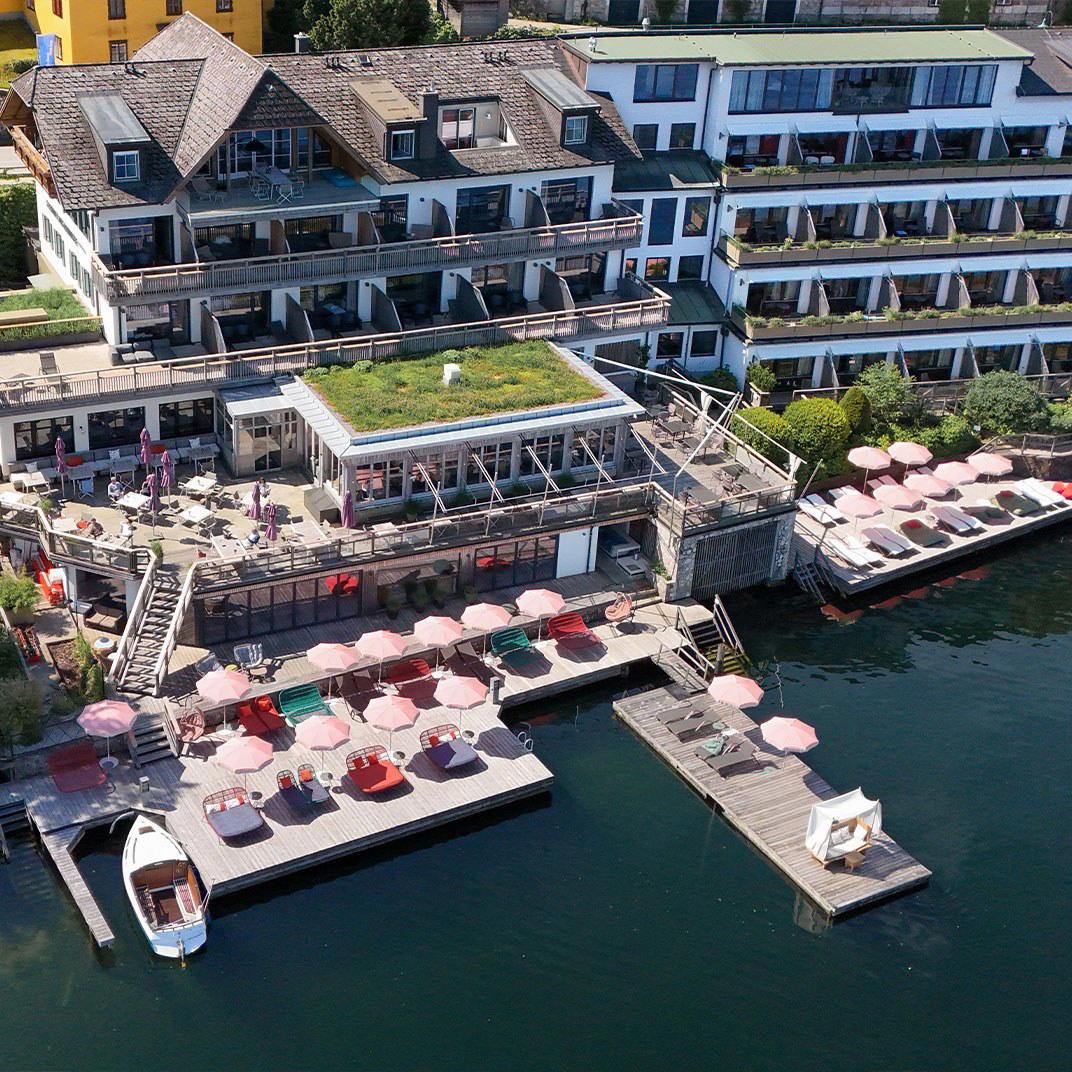
Rustic alpine-hut atmosphere in a scenic mountain setting near Spechtensee.