JOHANNS

Michelin Plate
Our verdict
In the Valle Aurina, JOHANNS operates from a contemporary hotel dining room framed by mountain views, where chef Tina Marcelli structures her menus around fermentation, zero-waste practice, and direct relationships with local farmers, including family members. Two distinct tasting formats — one personal, one domestic — give the kitchen's sourcing philosophy a clear shape. This is fine dining that reads the valley rather than performing for it.

Pearl is the En Primeur Club membership app — saves, bookings, and concierge access live there. Same editors, same standards.
- Address
- Mühlwalderstrasse, 9, 39032 Molini di Tures BZ, Italy
- Phone
- +39 0474 646000
- Hours
- Mon 12–2 PMTue–Wed ClosedThu–Sun 7–10 PM
- Website
- johanns.it
- Directions
- Get directions
Where the Valley Sets the Menu
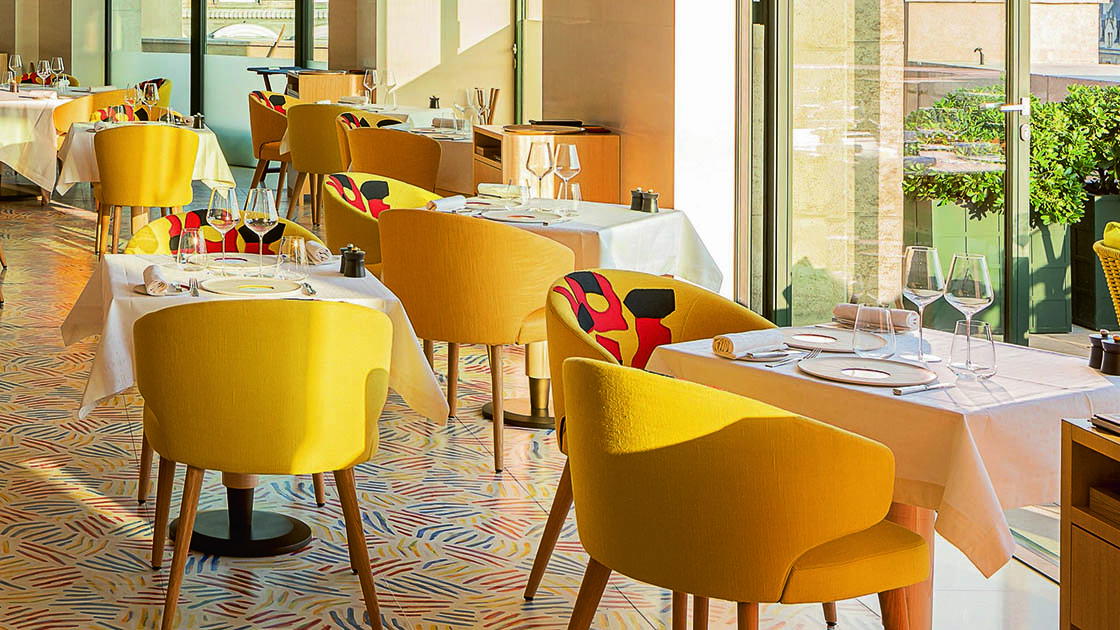
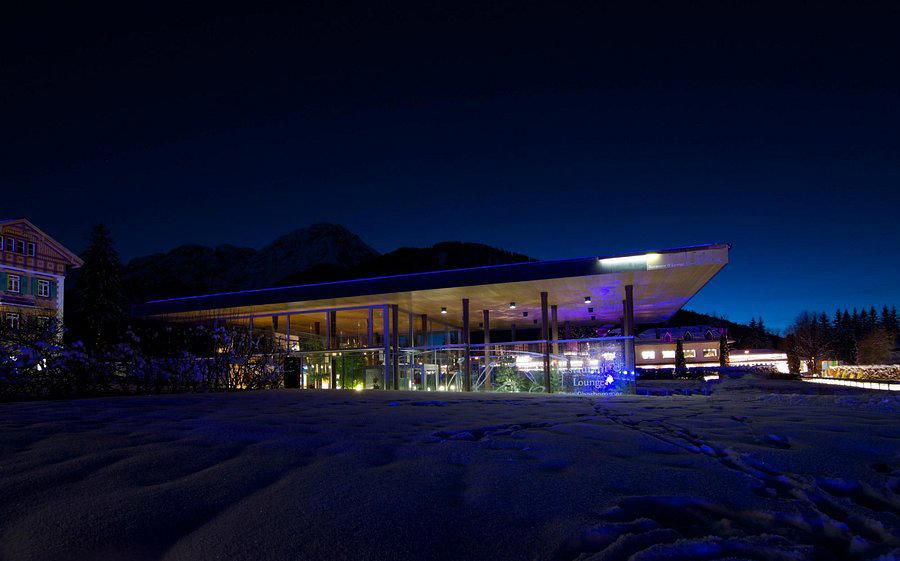
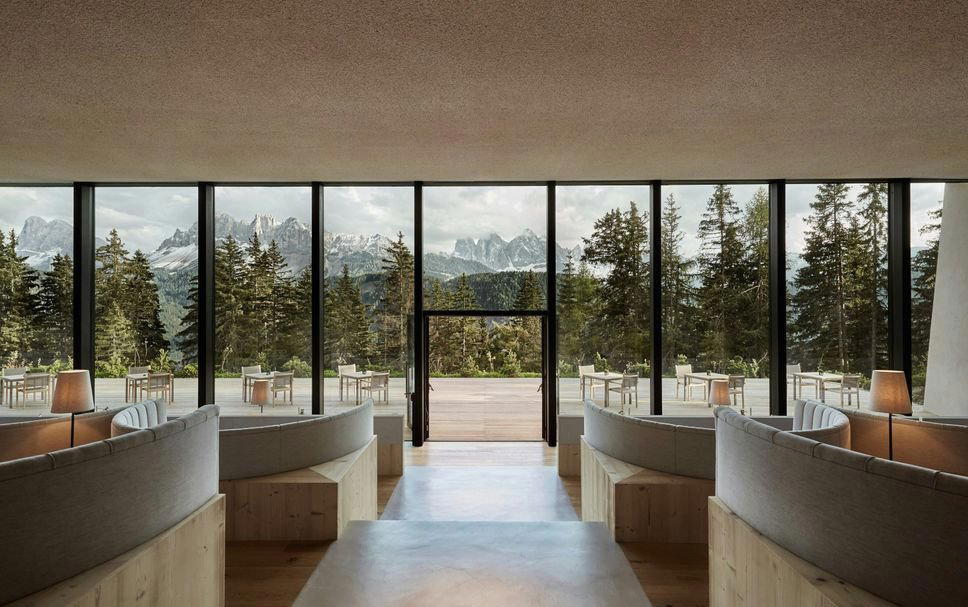
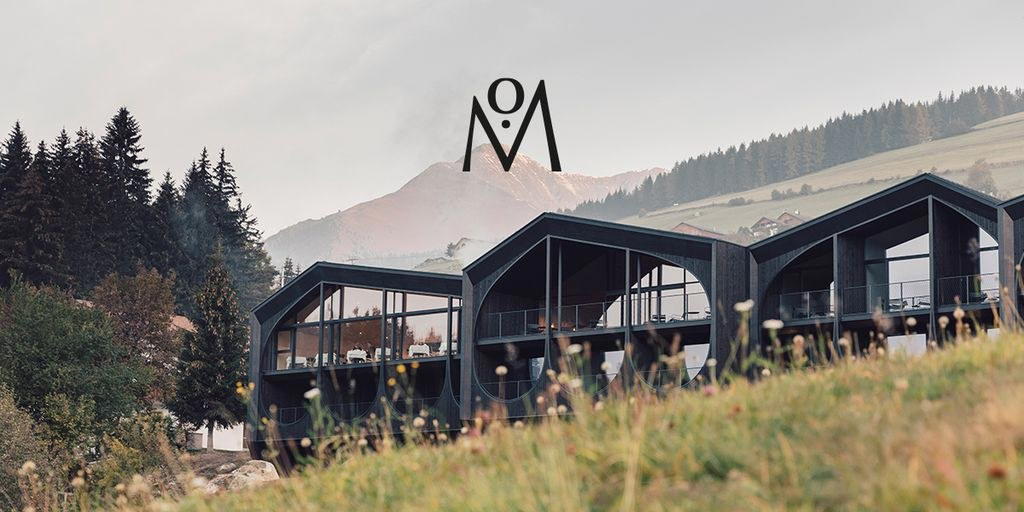
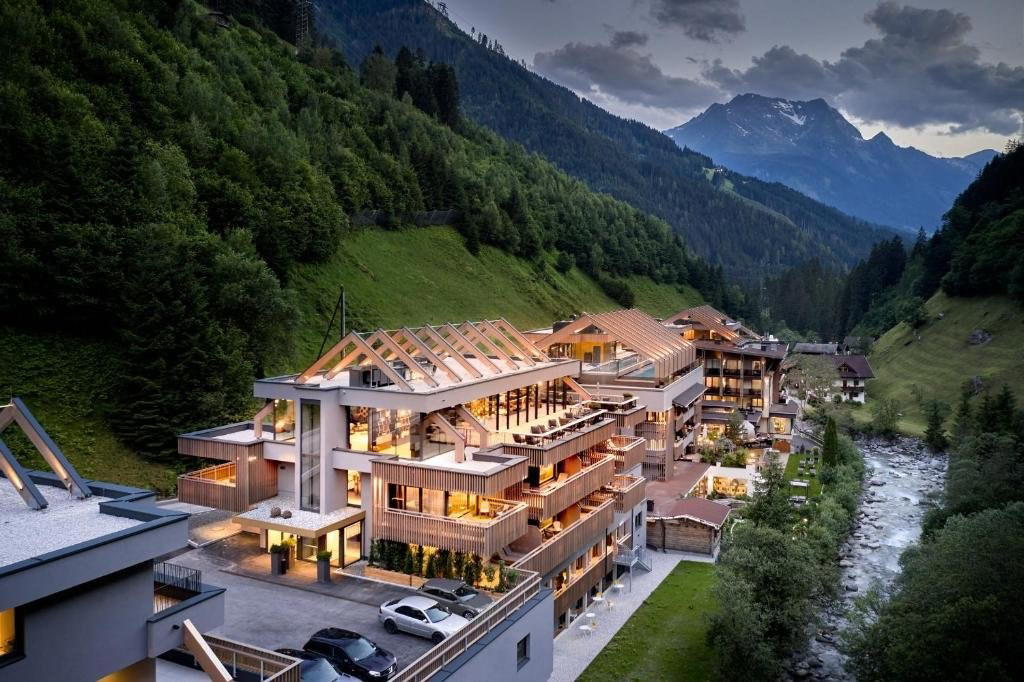
The approach from Molini di Tures into the Valle Aurina corridor leaves little ambiguity about what kind of cooking belongs here. The mountains are not backdrop; they are inventory. Alto Adige has long produced one of Italy's most coherent regional food identities — cured meats, aged cheeses, foraged greens, fermented staples — and the handful of serious kitchens working within that tradition treat proximity to producers not as a marketing point but as a structural constraint on what gets cooked. JOHANNS, inside a new and deliberately contemporary hotel on Mühlwalderstrasse, belongs to that discipline. Large windows frame the peaks and the room reads as modern without being cold: a space designed to put the food forward rather than compete with it.
Alto Adige's fine dining conversation is now shaped by a small group of chefs who have chosen radical sourcing specificity over the broader Italian creative canon. Atelier Moessmer Norbert Niederkofler in Brunico anchors that conversation at the three-Michelin-star tier, with a philosophy that has become a regional reference point. JOHANNS operates at a different scale and format but aligns with the same underlying argument: that the most coherent cooking in the Dolomites comes from restraint and specificity, not from importing ingredients or technique.
Fermentation, No Waste, and the Family Supply Chain
The sourcing structure at JOHANNS is more granular than the phrase "local producers" usually implies. Chef Marcelli's relationships extend to family members, her sister and uncle among the contributors to the kitchen's supply, which pushes the provenance question into a different register. When a farm relationship is also a family relationship, the feedback loop between what grows and what gets cooked becomes unusually tight. Seasonal surplus gets fermented rather than discarded; no-waste practice is built into the kitchen's operating logic rather than added as a finishing position.
Fermentation as a preservation and flavour strategy has become one of the defining techniques of serious European fine dining over the past decade, but in the Alpine context it carries particular historical weight. The region's preserved and cured traditions predate modern refrigeration by centuries, and a kitchen that works seriously with fermentation in Alto Adige is drawing on a genuine local lineage, not adopting a borrowed trend. The menu at JOHANNS reflects that continuity: technique serves territory rather than the reverse.
This kind of sourcing discipline places JOHANNS in a peer group distinct from Italy's major urban fine dining addresses. Osteria Francescana in Modena, Enoteca Pinchiorri in Florence, and Enrico Bartolini in Milan each operate within a different competitive and creative logic, city-anchored, internationally referenced, and built for audiences that arrive with broad frame of reference. JOHANNS's frame is narrower by design, and the narrowness is the point.
Two Menus, Two Registers
The kitchen operates across two tasting formats, a structural choice that signals something deliberate about who the restaurant expects to serve. "About TM" runs at seven or five courses and represents the chef's full creative position: the Valle Aurina as filtered through Marcelli's specific technical and emotional sensibility. "La Cucina di casa" is four courses and changes daily, organised around the logic of a family kitchen where what's available that morning determines what appears at the table by evening. The daily-change format is harder to execute well than it looks, it requires genuine supply flexibility and a kitchen capable of pivoting without the safety net of a fixed menu, but it also produces the most honest expression of what seasonal sourcing actually means in practice.
This two-track structure is relatively uncommon among serious tasting-menu kitchens in northern Italy. Most operate on a single format with optional course counts. The split at JOHANNS accommodates two different relationships to the food: one for a reader who wants to understand the chef's thinking as a coherent system, and one for a guest who wants to eat what the valley produced this week. Both are legitimate positions, and offering both without diluting either requires confidence in the kitchen's identity.
For comparison, Italy's most recognised tasting-menu addresses, Le Calandre in Rubano, Piazza Duomo in Alba, Reale in Castel di Sangro, Dal Pescatore in Runate, present single, curated sequences. The choice to offer a parallel domestic-register menu alongside the chef's primary tasting sequence is a distinctive structural position. It is closer in spirit to what certain coastal kitchens do with daily catch menus, Uliassi in Senigallia operates with similar seasonal responsiveness, than to the locked-in creative sequences typical of the Michelin bracket.
The Room and the Service
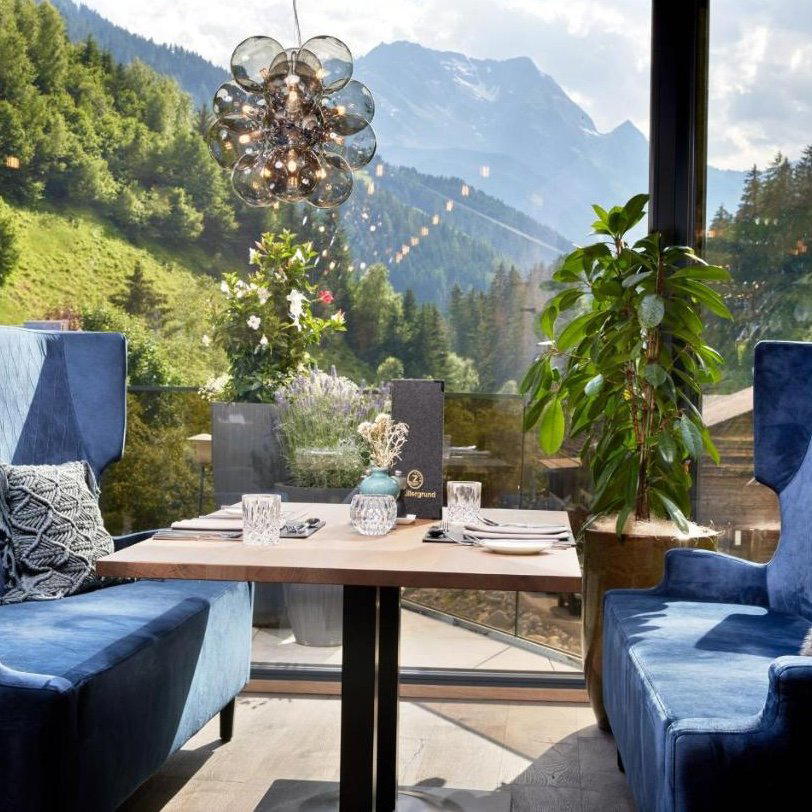
Intimacy is a function of both seat count and intent. The dining room at JOHANNS reads as deliberately contained, with the contemporary hotel architecture providing a clean, uncluttered frame. The mountain views through large windows do functional work: they connect the inside of the room to the sourcing territory visible outside, which reinforces the kitchen's argument rather than simply providing scenery. Chef Marcelli presents some dishes personally, a practice that is common at this level of tasting-menu cooking and serves the same function as a winemaker pouring at the table, it closes the interpretive gap between maker and guest. The supporting team is described as young and attentive, a profile consistent with a kitchen that is building rather than coasting.
Planning a Visit
Molini di Tures sits in the upper Valle Aurina, roughly an hour's drive from Brunico, which is the nearest town with reliable rail connections and serves as the practical gateway for visitors arriving from Bolzano or further afield. For those planning a longer stay in the valley, our full Molini di Tures hotels guide covers the accommodation options, including the property JOHANNS is part of. Given the format, a tasting menu kitchen attached to a specific hotel in a mountain valley with limited dining alternatives at this level, booking well in advance is advisable, particularly for the summer and autumn seasons when the valley draws visitors for hiking and cycling. The daily-changing "La Cucina di casa" format adds a variable that makes the booking calendar less predictable than a fixed-menu kitchen; what's available on any given night depends on supply, which in turn depends on season and yield.
For wider context on eating and drinking in the area, see our full Molini di Tures restaurants guide, our bars guide, our wineries guide, and our experiences guide. Guests arriving from the United States with reference points from New York's tasting-menu scene, Le Bernardin or Atomix, for instance, will find JOHANNS operating in a smaller, quieter key, where the sourcing geography is the spectacle and the cooking is the argument for paying attention to it. Similarly, Casa Perbellini 12 Apostoli in Verona and Quattro Passi in Marina del Cantone represent Italian fine dining from very different regional contexts, against which the Valle Aurina's specific proposition becomes easier to read.
Frequently asked questions
Is JOHANNS good for families?
The format is a structured tasting menu offered across two itineraries — a seven-or-five-course 'About TM' and a daily-changing four-course 'La Cucina di casa' — in an intimate room in a remote Alpine village. That combination suits adults planning a deliberate dining occasion rather than an impromptu family meal. The home-kitchen spirit of 'La Cucina di casa' softens the formality, but the tasting-menu structure remains a commitment.
How would you describe the vibe at JOHANNS?
The dining room is contained and contemporary, with large windows framing the mountains of the Valle Aurina corridor. It sits inside a new hotel built to the same register — modern, unhurried, and deliberately low-key in a quiet Alpine village. Chef Marcelli presents some dishes herself, and the service team is described as young and attentive rather than stiffly ceremonial.
Has JOHANNS won any awards?
JOHANNS has received recognition including: Tina Marcelli returns to "her" Valle Aurina, picking up where she left off in her previous regional experience: fermentation, no waste, overall sustainability, and collaboration with local farmers and producers, sometimes even family member….
What's the best thing to order at JOHANNS?
The 'About TM' sequence — available in five or seven courses — is the direct argument for why you made the drive to Molini di Tures: it maps Chef Marcelli's fermentation technique, zero-waste sourcing, and collaborations with local and family producers into a single sitting. If the occasion calls for something less formal, the four-course 'La Cucina di casa' changes daily and runs on a domestic, family-kitchen logic that's specific to this kitchen and not easily replicated elsewhere.
Where is JOHANNS in Molini di Tures?
JOHANNS is located at Mühlwalderstrasse, 9, 39032 Molini di Tures BZ, Italy, Molini di Tures.
How far ahead should I plan for JOHANNS?
Molini di Tures is roughly an hour's drive from Brunico, the nearest town with rail connections, which means the restaurant draws a deliberate, destination-oriented crowd rather than walk-in trade. For a specific date in peak Alpine season, booking several weeks in advance is a practical baseline. check the venue's official channels for current availability, as neither phone nor online booking details are publicly listed at this time.
Comparable Spots, Quickly
Comparable venues nearby, for context on price, style, and recognition.
| Venue | Cuisine | Price | Awards | Notes |
|---|---|---|---|---|
| JOHANNSThis venue — the venue you are viewing | Alpine Contemporary Fine Dining | Not listed | Michelin Plate | Not listed |
| Burjè 1968 | Modern Italian with French Influences | $150–200 | Michelin Plate · La Liste Top Restaurants | Corvara |
| Hebbo Wine & Deli | Contemporary Alpine Fine Dining | $150–200 | Michelin Plate · Wine Spectator Best of Award of Excellence | Dobbiaco |
| Kircherhof | Modern Alpine | $50–100 | Michelin Plate | Albes |
| Terracotta | Modern Italian Contemporary | $50–100 | Michelin Plate | old town |
| Luisa Gourmet | Modern Italian Fine Dining | Not listed | La Liste Top Restaurants | Montagna |
Recognition history
Dated appearances from independent guides and award organizations, with the underlying list record or original source where available.
Michelin Plate
Michelin
Continue exploring
More in Molini di Tures
Restaurants in Molini di Tures
Browse all →
Bars in Molini di Tures
Browse all →
Hotels in Molini di Tures
Browse all →

Details
- Intimate
- Modern
- Elegant
- Scenic
- Sophisticated
- Special Occasion
- Date Night
- Chefs Counter
- Open Kitchen
- Panoramic View
- Farm To Table
- Local Sourcing
- Zero Waste
- Mountain
- Tasting Menu
Current opening hours
- Monday
- 12–2 PM
- Tuesday
- Closed
- Wednesday
- Closed
- Thursday
- 7–10 PM
- Friday
- 7–10 PM
- Saturday
- 7–10 PM
- Sunday
- 7–10 PM
Hours can change for holidays and private events. Last verified .
Intimate and contemporary dining room with natural materials, large windows framing mountain views, warm and quiet atmosphere enhanced by attentive service.