Burjè 1968


Burjè 1968 brings contemporary Italian cooking to the Alta Badia with a creative edge drawn from French culinary traditions and the occasional use of less familiar ingredients. The kitchen offers both à la carte and structured tasting menus of five or seven courses. Recognised by Michelin and placed in La Liste's Top Restaurants 2026 with 79 points, it sits in the mid-to-upper tier of Corvara's dining scene.
Pearl is the En Primeur Club membership app — saves, bookings, and concierge access live there. Same editors, same standards.
- Address
- Str. Burjé, 11, 39033 Corvara in Badia BZ, Italy
- Phone
- +39 0471 836043
- Website
- burje1968.it
- Directions
- Get directions
 Saves & bookings on Pearl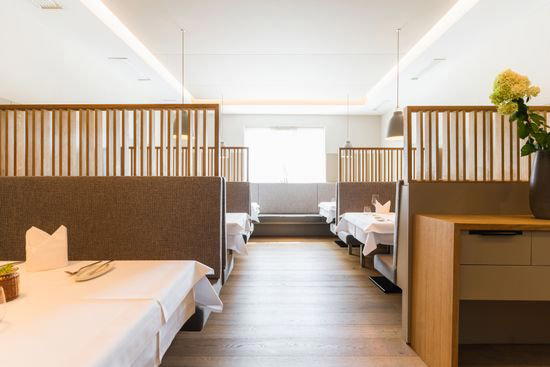
Where Alpine Tradition Meets Continental Ambition
Corvara in Badia sits at roughly 1,570 metres in the Alta Badia, a valley in South Tyrol where Ladin culture, German-speaking traditions, and Italian administrative identity have overlapped for centuries. The cuisine that has developed here is correspondingly layered: it is not simply northern Italian, nor is it Tyrolean in the Austrian sense, nor French, but something shaped by altitude, isolation, and proximity to multiple culinary traditions at once. Burjè 1968 is a restaurant in Corvara in Badia, serving modern Italian with French influences. Burjè 1968, on Strada Burjé in the centre of the village, operates squarely within that cultural complexity. The name connects the restaurant to its address and implicitly to a longer local history, while the contemporary kitchen pushes outward from those roots into French technique and occasionally more exotic reference points.
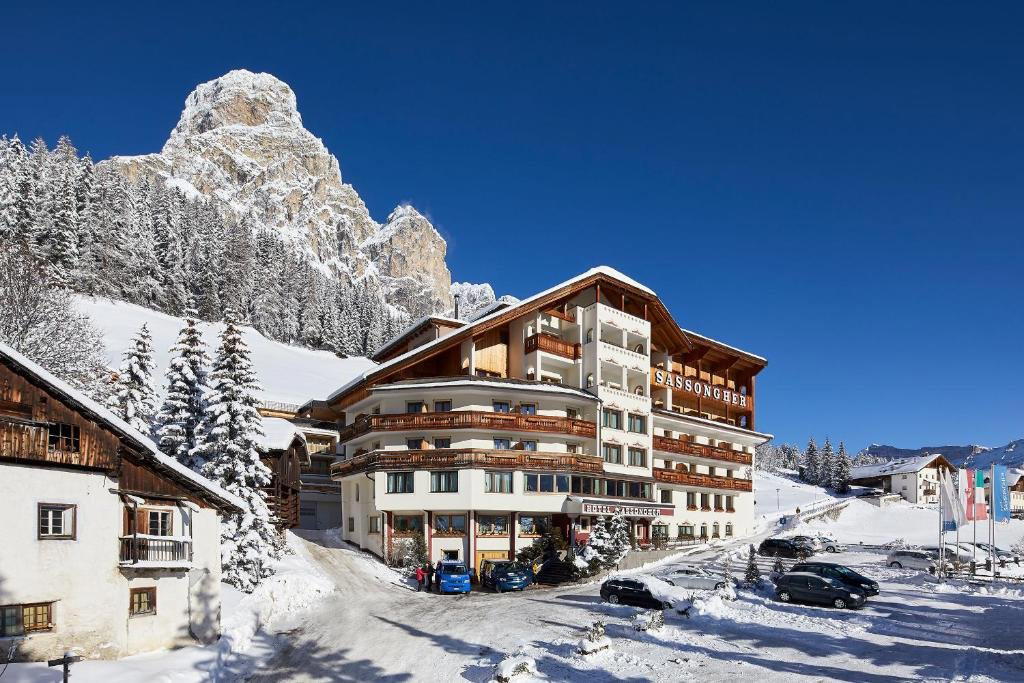
The physical approach to the restaurant places you in the Alta Badia's characteristic architectural environment: the compact village core of Corvara, surrounded by the Dolomite peaks that have made this valley among the more photographed in the Alps. There is a clarity to the setting that the kitchen seems to echo in the way it presents food. Contemporary cuisine at this altitude tends to work against the scenery or with it; in the Dolomites, the better kitchens generally choose the latter, using the landscape's discipline as a frame rather than fighting it with unnecessary complexity.
A Kitchen That Works Between Two Culinary Traditions
The cooking is framed as modern Italian with French influences and creative preparation. That framing positions the restaurant inside a well-established current in Italian fine dining, one that stretches back to the 1980s when kitchens like Enoteca Pinchiorri in Florence began absorbing French classical method into Italian ingredient-led cooking. The approach has since diversified across the country, with restaurants such as Le Calandre in Rubano and Osteria Francescana in Modena each finding distinct relationships between Italian identity and external culinary influence. What distinguishes the Dolomite context is altitude and ingredient terroir: the mountain setting supplies dairy, cured meats, and foraged elements that do not appear in Emilian or Venetian kitchens, and French technique applied to these materials produces results with their own regional character.
Occasional use of more exotic ingredients noted in the restaurant's documentation is a recognisable signal in contemporary Italian cooking. It marks a kitchen willing to move beyond strict Italian regionalism when a dish demands it, without recentring the menu around novelty. Across the broader Italian fine dining tier, this kind of selective openness has become fairly standard: the ambition is to improve the cooking, not to signal international ambition for its own sake. At Burjè 1968, the framing suggests the approach remains calibrated rather than exhibitionist.
Structure and Format: Tasting Menus in an Alpine Context
Kitchen offers an à la carte alongside five- and seven-course tasting menus. In the context of Alpine destination dining, the tasting menu format has become the default for restaurants operating at this level, partly because it allows the kitchen to demonstrate range, and partly because guests at altitude tend to be in a leisure mindset that accommodates a longer meal. The five-course option offers a reasonable middle position: enough structure to read as a considered progression, short enough to leave room for other activities during an active mountain holiday. The seven-course menu is the fuller statement of what the kitchen can do.
For reference within the Corvara fine dining tier, La Stüa de Michil holds a Michelin star at the €€€€ price point and represents stronger examples from the local hierarchy. The restaurant sits at €€€, which places it alongside Bistrot La Perla and KELINA Fine Dine in a competitive mid-tier that is actually especially densely occupied segment among the village's restaurant market. That tier asks kitchens to justify their price point through the quality and creativity of the cooking rather than through room size or hotel affiliation. Cappella Restaurant and L'Ostì round out the options for diners wanting to explore the range available without committing to the highest price bracket.
Recognition and What It Signals
The 2025 Michelin Plate indicates good cooking, short of star level but notable enough for inclusion and active recommendation. In a village with strong competition from nearby destinations, a Plate recognition in this area carries weight. The inspectors are experienced with the local context.
La Liste's 79-point placement in 2026 adds a second independent data point. La Liste aggregates critical scores across multiple international guides and publications, so a score in this range indicates consistent recognition across sources rather than a single outlet's enthusiasm. For context, Italian restaurants high on La Liste's rankings include places like Enrico Bartolini in Milan and Dal Pescatore in Runate; a 79-point placement puts the restaurant in a recognised international tier without claiming equivalence with those multi-starred operations. Outside Italy, the contemporary register of cooking at the restaurant has parallels in places like César in New York City and Jungsik in Seoul, where kitchens combine classical European structure with local or personal ingredient perspectives.
Planning Your Visit
Corvara has peak periods in winter and summer, so booking ahead is advisable during busy weeks. The address at Str. Burjé, 11 places the restaurant within the village centre, accessible on foot from the main hotel cluster. The €€€ price point suggests a main course range broadly in line with comparable Italian fine dining outside the major urban centres, and the tasting menu format will typically run longer in both time and cost.
Price and Positioning
Comparable venues nearby, for context on price, style, and recognition.
| Venue | Cuisine | Price | Awards | Notes |
|---|---|---|---|---|
| Burjè 1968This venue — the venue you are viewing | Contemporary | $$$$ | Michelin Plate | Not listed |
| Bistrot La Perla | Not listed | $$$ | Michelin Plate | Corvara in Badia, Italian Regional Bistro |
| Ladinia | Corvara in Badia, Ladin Alpine Cuisine | $$$ | Michelin Plate | Not listed |
| Rifugio Col Alt | Not listed | $$$ | Michelin Plate | Corvara in Badia, Alpine Italian with Mediterranean Influences |
| KELINA Fine Dine | Not listed | $$$$ | Michelin Plate | Corvara in Badia, Modern Alpine Mediterranean |
| L'Ostì | Not listed | $$$ | Michelin Plate | Corvara in Badia, Modern Creative Italian |
Recognition history
Dated appearances from independent guides and award organizations, with the underlying list record or original source where available.
La Liste Top Restaurants
La Liste
Michelin Plate
Michelin
Michelin Plate
Michelin
Continue exploring
More in Corvara in Badia
Restaurants in Corvara in Badia
Browse all →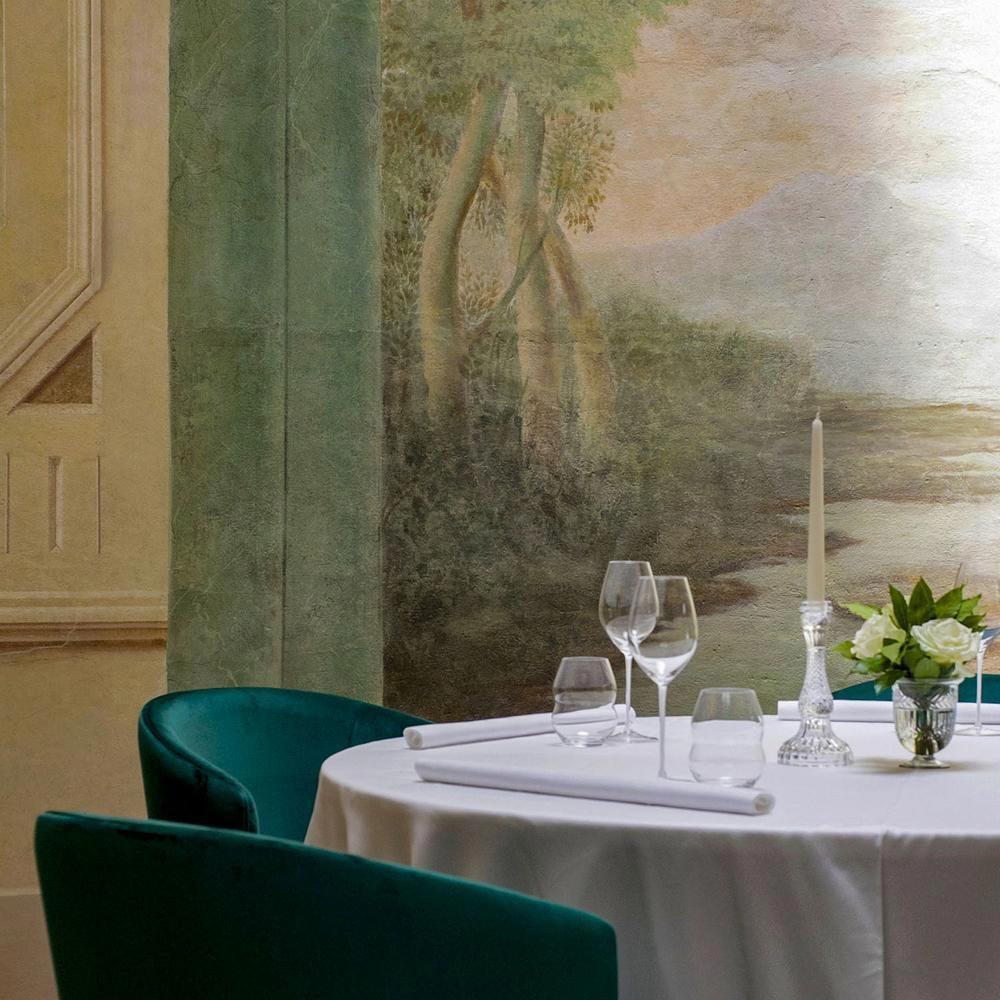
Bars in Corvara in Badia
Browse all →
Hotels in Corvara in Badia
Browse all →

At a Glance
- Intimate
- Elegant
- Sophisticated
- Special Occasion
- Hotel Restaurant
- Extensive Wine List
- Sommelier Led
- Local Sourcing
- Mountain
Current opening hours
- Monday
- 12–1:45 PM, 7–9 PM
- Tuesday
- 12–1:45 PM, 7–9 PM
- Wednesday
- 12–1:45 PM, 7–9 PM
- Thursday
- 12–1:45 PM, 7–9 PM
- Friday
- 12–1:45 PM, 7–9 PM
- Saturday
- 12–1:45 PM, 7–9 PM
- Sunday
- 12–1:45 PM
Hours can change for holidays and private events. Last verified .
Warm, intimate fine dining atmosphere inside Hotel Arkadia with focus on immersive culinary artistry.