Joanne Trattoria
On the Upper West Side, Joanne Trattoria occupies a stretch of West 68th Street where the Lincoln Center crowd and local regulars have long converged over Italian-American cooking. The room rewards the kind of unhurried dinner that Manhattan rarely permits: courses that build on one another, a wine list calibrated to the food, and a pace that resists the city's default urgency.
Pearl is the En Primeur Club membership app — saves, bookings, and concierge access live there. Same editors, same standards.
- Address
- 70 W 68th St, New York, NY 10023
- Phone
- +12127210068
- Website
- joannenyc.com
- Directions
- Get directions
 Saves & bookings on Pearl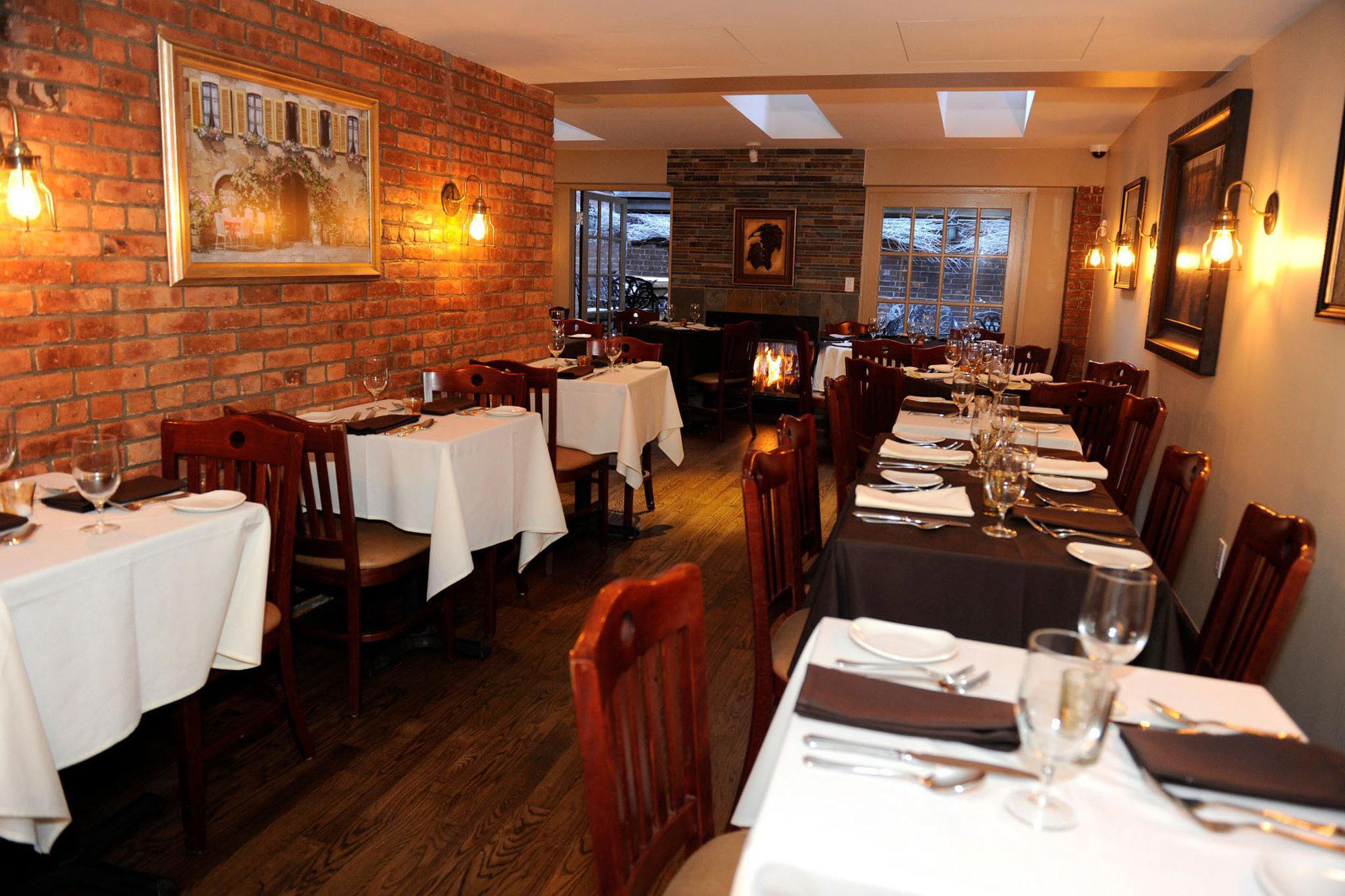
A Corner of the Upper West Side That Still Takes Its Time
West 68th Street, a half-block from the hulking limestone facade of Lincoln Center, has a particular rhythm on weekday evenings. The pre-curtain rush funnels through around six o'clock, then the street quiets just as the first interval begins, and by the time the concert hall empties, the neighborhood settles back into something more residential in character. It is into this pattern that Joanne Trattoria slots: a dining room calibrated not to a single seating or a timed tasting sequence, but to the longer, looser logic of Italian-American hospitality, where the meal is understood to take as long as the conversation requires.
That model is somewhat at odds with how the broader Manhattan dining market has moved. The city's most-discussed tables in recent years have drifted toward highly structured formats: the ticketed omakase, the prix-fixe-only tasting menu, the single sitting per evening. [Masa], [Per Se], and [Atomix] all operate within that controlled framework, where the kitchen dictates sequence and the guest's role is receptive. The trattoria format is the structural opposite: the guest assembles their own arc from a menu of discrete parts, and the kitchen's job is to execute each part cleanly rather than to narrate a single throughline.
How the Meal Sequences
The Italian-American table tradition that informs a trattoria menu is, at its core, a progression framework. Antipasto establishes register: cured things, dressed vegetables, something fried, the kind of food designed to settle you into the room rather than announce technical ambition. First courses in the Italian sense, the pasta and risotto plates, carry the structural weight of the meal. They are the kitchen's clearest statement of what kind of cooking this is, how fat is balanced against acid, how much sauce adheres to how much surface area, whether the texture of the pasta is treated as a variable worth controlling. Second courses, the proteins, serve a different function: they resolve the flavors that the first courses opened.
That arc, antipasto through primo through secondo, is worth taking seriously at any trattoria because it was designed for a specific physiological and social purpose. The portions are calibrated to accumulate rather than to satisfy in isolation. Ordering only a main course at a traditional Italian table tends to produce a lopsided experience, the equivalent of attending only the third act of a three-act opera. The Lincoln Center neighborhood makes that analogy more than metaphorical.
For a fuller picture of how Italian-inflected dining fits within the city's broader restaurant culture, the maps the relevant competitive sets and neighborhoods in more detail.
Situating Joanne Trattoria in Its comparable set
The Upper West Side's dining identity has shifted considerably over the past fifteen years. Through most of the 1990s and 2000s, the neighborhood was understood primarily as residential: solid enough, but not a destination for serious eating in the way that the West Village, Tribeca, or the East Village commanded attention. That perception has softened. A generation of neighborhood-anchored restaurants has accumulated track records long enough that their local authority is no longer provisional.
Joanne Trattoria's address, 70 West 68th Street, places it in the immediate orbit of Lincoln Center, which has historically meant a captive audience of pre- and post-performance diners with specific timing needs. The restaurants that thrive in that zone tend to be operationally flexible, capable of turning a table in ninety minutes when the curtain demands it and equally capable of extending a meal when the evening allows. That operational range is harder to maintain than it looks, and it distinguishes neighborhood institutions from the purely occasion-driven dining rooms that ring major cultural venues in other cities.
Across the US, particularly durable restaurant institutions in arts-adjacent neighborhoods share a common trait: they serve the neighborhood first and the event second. [Emeril's in New Orleans] built its longevity on local regulars as much as tourist traffic. [Bacchanalia in Atlanta] holds its position partly by being genuinely embedded in the local fabric rather than positioned for a specific occasion type. The same logic applies along the Upper West Side corridor.
The Trattoria Format in a Tasting-Menu Era
The wider dining market has invested heavily in the idea that the kitchen should control the meal's narrative entirely. The tasting menu as a format reached a kind of critical mass in the 2010s, when restaurants like [Alinea in Chicago], [The French Laundry in Napa], and [Single Thread Farm in Healdsburg] each demonstrated what could be achieved when every element of timing, sequence, and portion is a deliberate compositional choice. That format makes sense for a kitchen whose central goal is expressive coherence across fifteen or twenty courses.
The trattoria does not compete on those terms, nor should it. Its authority comes from repetition and calibration: the same dishes executed hundreds of times until the kitchen knows precisely where each one should land. [Blue Hill at Stone Barns in Tarrytown] and [Lazy Bear in San Francisco] both demonstrate what deep repetition within a defined framework produces at the high end. The trattoria model applies the same logic at a different register: no less rigorous in its own terms, but organized around comfort and recurrence rather than revelation and progression.
Internationally, the Italian trattoria has analogues in formats built around hospitality depth rather than technical display. [8 1/2 Otto e Mezzo Bombana in Hong Kong] and [Alain Ducasse at Louis XV in Monte Carlo] each demonstrate, in different ways, how Italian and French traditions translate when the emphasis shifts from novelty to precision within a known vocabulary. The comparison is useful because it clarifies what the trattoria format is optimized for: a guest who returns, not one who arrives for a single benchmark experience.
Planning Your Visit
Joanne Trattoria is located at 70 West 68th Street, easily reached via the 1 train at 66th Street-Lincoln Center. For Italian-American meals where the full antipasto-primo-secondo arc is the goal, allow at least two hours.
For context on how the restaurant compares to the wider range of New York City dining, including the structured tasting-menu tier represented by [Le Bernardin], [Jungsik New York], and [Providence in Los Angeles] as a West Coast point of comparison, [The Inn at Little Washington] rounds out the picture for readers comparing Italian-American and American fine dining traditions across the East Coast.
Quick reference: 70 West 68th Street, Upper West Side, New York, NY 10023. Nearest subway: 1 train, 66th Street-Lincoln Center stop.
Where It Fits
Comparable venues nearby, for context on price, style, and recognition.
| Venue | Cuisine | Price | Notes |
|---|---|---|---|
| Joanne TrattoriaThis venue — the venue you are viewing | Southern Italian Trattoria | $$$ | Not listed |
| Allegretto al Forno | Southern Italian Neapolitan Pizza & Small Plates | $$$ | Williamsburg |
| All'Antico Vinaio | Tuscan Schiacciata Sandwiches | $$$ | Hell's Kitchen |
| Serafina - 777 Third Ave | Classic Italian Trattoria | $$$ | East Midtown-Turtle Bay |
| Masseria East | Traditional Italian | $$$ | Upper East Side-Carnegie Hill |
| Lumaca | Coastal Italian | $$$ | Midtown South-Flatiron-Union Square |
Continue exploring
More in New York City
Restaurants in New York City
Browse all →
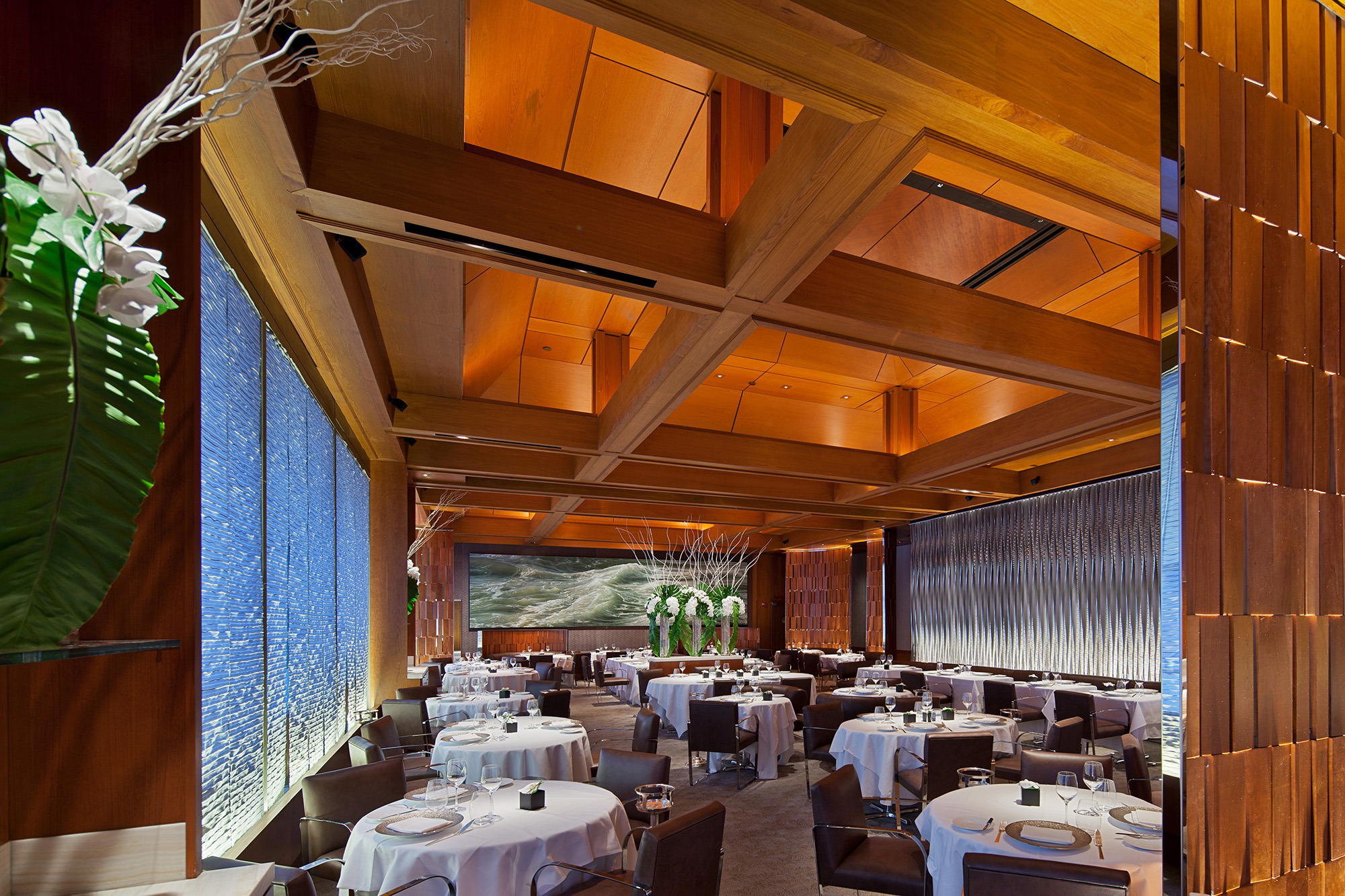
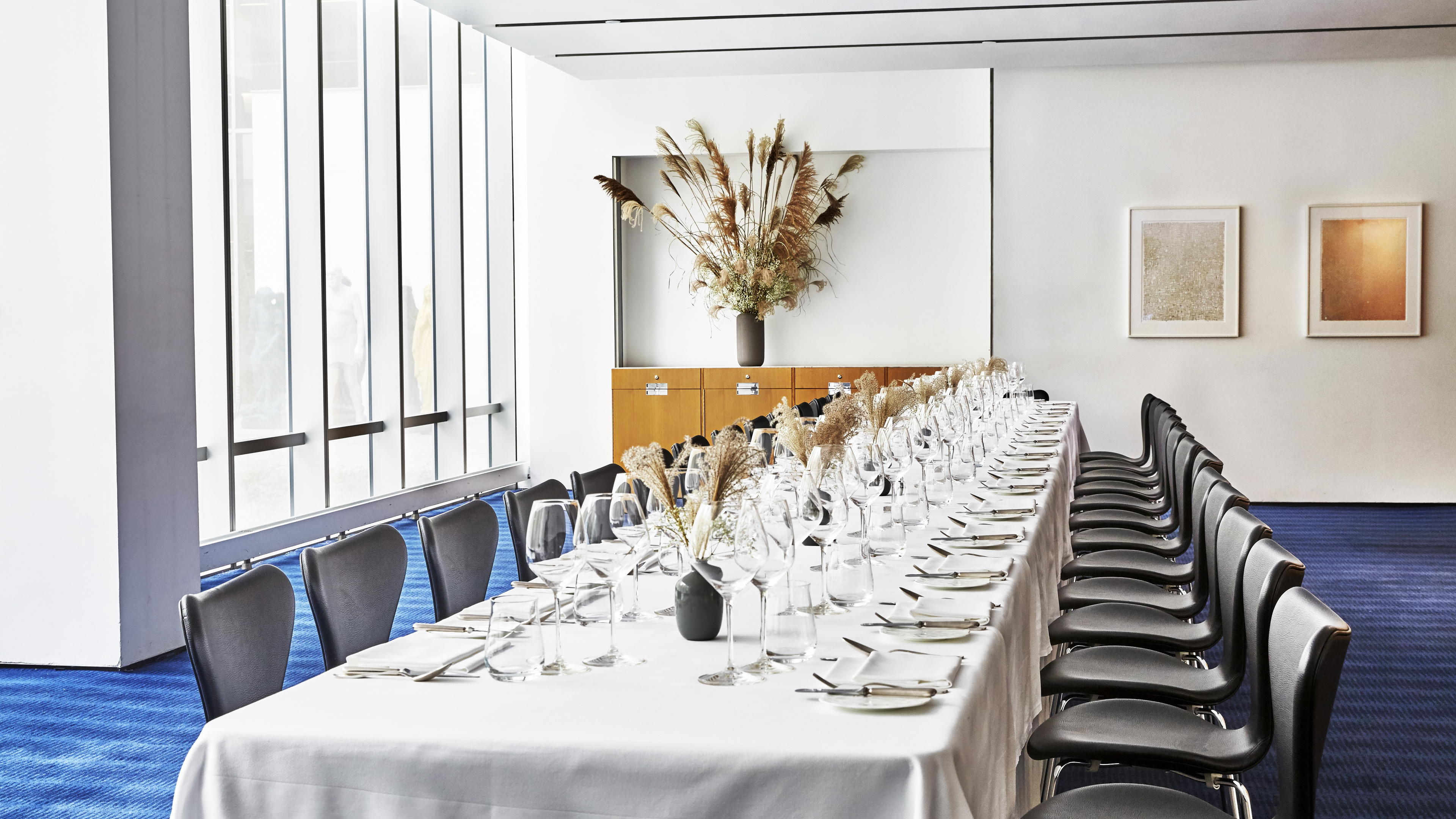
Bars in New York City
Browse all →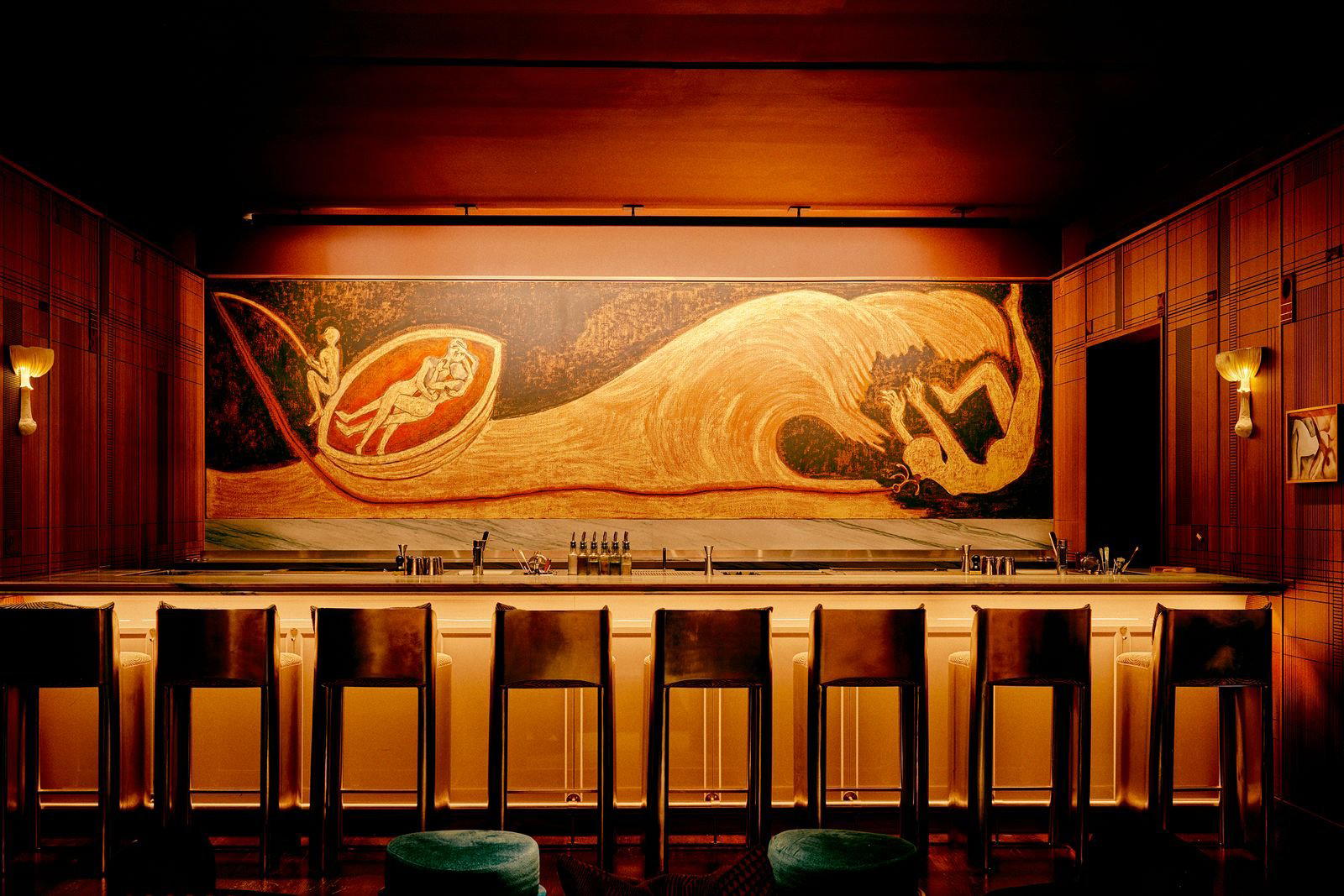
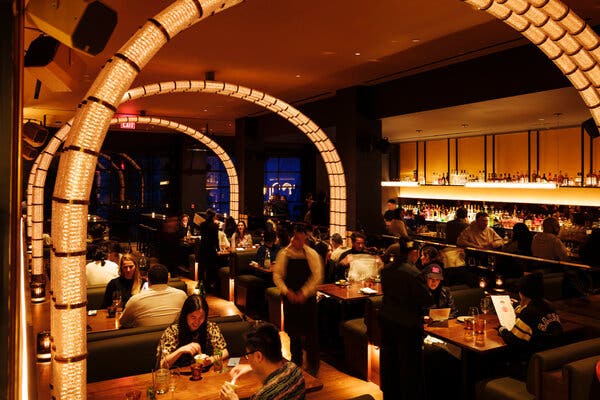

Hotels in New York City
Browse all →
Wineries in New York City
Browse all →


At a Glance
- Romantic
- Cozy
- Elegant
- Lively
- Date Night
- Special Occasion
- Group Dining
- Open Kitchen
- Private Dining
- Live Music
Current opening hours
- Monday
- 4–10 PM
- Tuesday
- 4–10 PM
- Wednesday
- 11:30 AM–10 PM
- Thursday
- 11:30 AM–10 PM
- Friday
- 11:30 AM–11 PM
- Saturday
- 11:30 AM–11 PM
- Sunday
- 11:30 AM–10 PM
Hours can change for holidays and private events. Last verified .
Romantic setting with timeless charm, fireplaces, cozy bar, and moderate noise level.