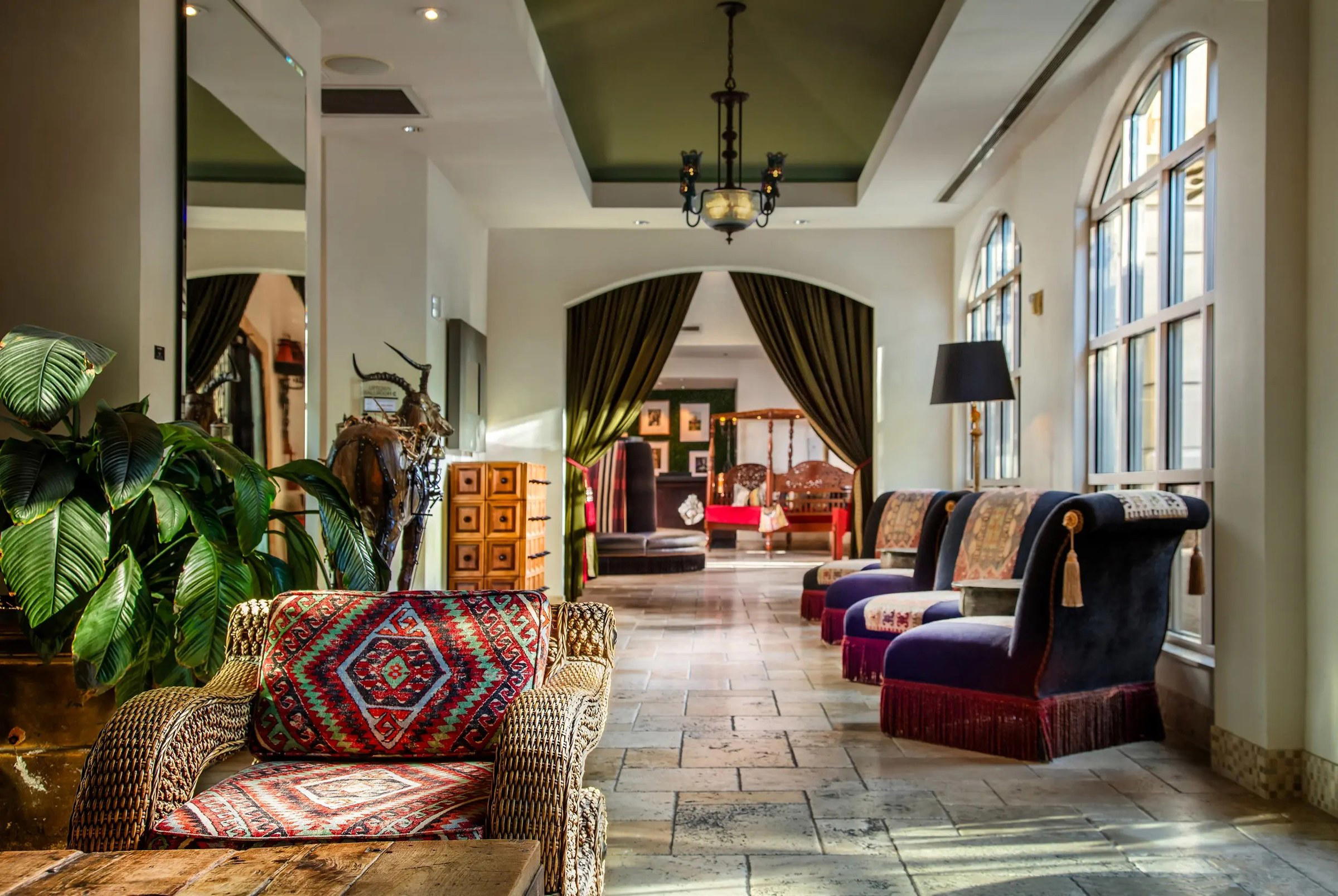
Jo’Seon Wagyu Omakase
Our verdict
Jo'Seon Wagyu Omakase on Oak Lawn Avenue brings a focused dual-format concept to Dallas: Korean barbecue techniques applied to Japanese Wagyu beef, delivered through an omakase structure. Reservations and current pricing should be confirmed directly with the venue.

Pearl is the En Primeur Club membership app — saves, bookings, and concierge access live there. Same editors, same standards.
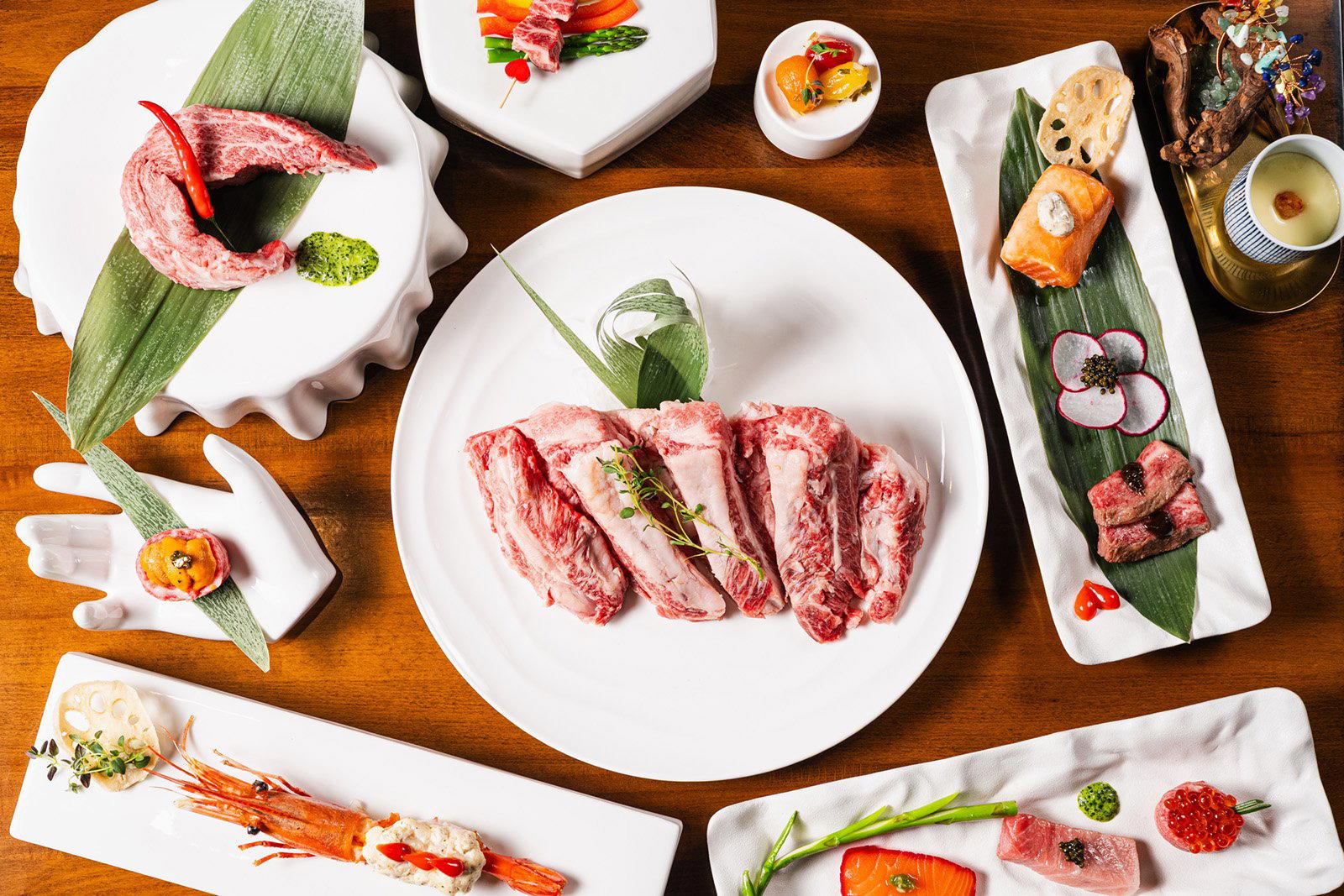
Where Korean Fire Meets Japanese Beef in Dallas
The omakase format, long associated with sushi counters in Tokyo and their American outposts, has been migrating toward beef-centric concepts over the past several years. Nowhere is this more deliberate than in Dallas, a city whose dining culture has historically defaulted to Texas beef and the conventions of the American steakhouse. Against that backdrop, Oak Lawn Avenue has become one of the more interesting corridors for format-forward dining, and Jo'Seon Wagyu Omakase at 1628 Oak Lawn Ave sits inside that shift: a counter-style experience that applies Japanese Wagyu sourcing to a Korean barbecue sensibility, sequenced and paced the way a chef-driven tasting format demands.
The Format That Defines the Experience
Omakase, in its strictest sense, is a transfer of authority: the diner relinquishes the menu and the kitchen controls the sequence, the portion weight, and the pacing. In Japan, that structure exists almost exclusively around fish, where it demands daily market access and a chef's intuition about what is at peak condition. Applied to Wagyu, the format asks different questions. The beef must be sourced from specific bloodlines, the fat distribution assessed, and the cuts sequenced so that the richest portions don't arrive before the palate has been prepared for them. Jo'Seon operates at the intersection of two grilling traditions: Japanese Wagyu's emphasis on marbling grade and temperature control, and Korean barbecue's focus on tableside fire, cut variation, and the rhythm of the meal as a social event. Few concepts in the United States hold both simultaneously without one subordinating the other.
Dallas diners familiar with the Japanese counter at Tatsu Dallas will recognise the structural logic here, though the protein category and cultural register are distinct. Where Tatsu sits within a Japanese izakaya tradition at the high end of the market, Jo'Seon's dual Korean-Japanese framing puts it in a genuinely different lane. The comparison is useful because it illustrates how Dallas's upper dining tier has diversified: the city that once deferred entirely to Texas cattle and chophouse convention now supports multiple format-specific concepts drawing on East Asian culinary grammar.
The Beef Category in Context
Japanese Wagyu occupies a specific position in the American premium protein market. The cattle must be of Japanese genetic origin, and the highest grades, A5 in the Japanese grading system, are imported in limited quantities and subject to strict traceability requirements. The American Wagyu market has grown considerably since the early 2010s, with a number of domestic crossbred programs now producing beef marketed under the Wagyu name, but the distinction between domestic Wagyu crosses and authentic Japanese imports remains commercially and qualitatively significant. Concepts that anchor their identity to Japanese Wagyu are making a sourcing claim that carries cost and supply implications.
Korean barbecue's contribution to this format is not merely aesthetic. The tradition of tabletop grilling, with its emphasis on cut variety, banchan accompaniments, and the interaction between diner and fire, changes how premium beef is experienced. Rather than a steakhouse's single centrepiece cut plated in a kitchen and carried to the table, Korean-style grilling allows each cut to be cooked to a precise window over live heat, eaten immediately, and succeeded by the next. For high-marbling beef, where fat renders quickly and texture shifts in a matter of seconds, that approach can be more technically exacting than a conventional kitchen sear. The omakase structure imposes sequence and restraint on what would otherwise be a self-directed meal.
Drinking with Wagyu: The Case for a Thoughtful Beverage Program
The editorial angle most worth examining at any premium omakase format is the beverage pairing, because it reveals whether the kitchen's ambitions extend through the full meal or stop at the protein. Wagyu's intense fat content presents a genuine pairing challenge. High tannin reds, the instinctive reach for a steakhouse setting, can overwhelm rather than complement heavily marbled beef. The more considered options tend toward either lighter reds with higher acidity, certain Burgundy appellations or their New World equivalents being the standard reference point, or toward sake, which has the structural brightness to cut fat without competing with umami.
The Korean dimension opens further pairing territory: soju, the distilled Korean spirit, and makgeolli, the lightly fermented rice beverage, both have historical roles alongside Korean barbecue and bring different textural counterpoints than wine. A beverage program that engages seriously with this dual tradition, rather than defaulting to a generic fine-dining wine list, would be the most coherent response to the format. For context, Korean fine dining at the level of Atomix in New York City has demonstrated that thoughtful Korean beverage curation, including traditional spirits and natural wines chosen for their acidity profiles, can function at the highest level of the American dining market. Whether Jo'Seon's list takes a similar approach is something diners should inquire about at booking.
Among the American fine dining venues that have most deliberately built their beverage programs around a single protein category, the discipline required becomes clear. The integration at Single Thread Farm in Healdsburg or the wine depth at The French Laundry in Napa demonstrates how a beverage program can either anchor or undermine a kitchen's credibility. At a Wagyu omakase format, that principle applies equally: the pairing structure either tracks the sequencing logic of the meal or it doesn't.
Where Jo'Seon Sits in the Dallas Dining Order
The Dallas restaurant market at the upper price tier includes a number of format-driven concepts alongside the city's established hotel dining and chef-driven restaurants. Mamani, 3Eleven Kitchen and Cocktails, and 12 Cuts Brazilian Steakhouse represent different points on the spectrum from concept-led to format-led dining. Jo'Seon's dual-heritage framing and omakase structure position it toward the specialist end of that range, where the format itself is part of the value proposition and the diner is expected to engage with the sequence rather than direct it. For weekend visitors or those exploring the neighbourhood more broadly, 360 Brunch House covers different daypart needs on Oak Lawn. Our full Dallas restaurants guide maps the broader dining order across neighbourhoods and price tiers.
Nationally, the Japanese-Korean fusion at the premium end of the market remains a relatively sparse category. Concepts like Smyth in Chicago, Providence in Los Angeles, and Addison in San Diego have demonstrated that regionally specific fine dining with a defined tasting format can develop national recognition. For a Wagyu-specific omakase concept, the ceiling is set by how rigorously the sourcing, sequencing, and beverage program are executed. Reference points like Le Bernardin in New York City, Lazy Bear in San Francisco, Blue Hill at Stone Barns in Tarrytown, The Inn at Little Washington, Emeril's in New Orleans, and Atelier Moessmer Norbert Niederkofler in Brunico illustrate how format discipline at the highest level translates into sustained critical attention and booking depth.
Planning Your Visit
Jo'Seon Wagyu Omakase is located at 1628 Oak Lawn Ave, Dallas, TX 75207, in the Oak Lawn corridor on the edge of the Design District, an area that has attracted a concentration of concept-forward dining over the past decade. Omakase formats at comparable Wagyu-focused concepts nationally typically require advance reservations, often weeks out for preferred seating times, and carry set pricing structures that include the full sequence. Confirming the beverage pairing options and any supplements at the point of booking is advisable.
Frequently asked questions
Is Jo'Seon Wagyu Omakase child-friendly?
The omakase format — a fixed, chef-controlled sequence built around premium Japanese Wagyu — is structured around multi-course pacing and a focused dining room environment. That format generally suits adults or older teenagers with an appetite for seated, course-by-course dining rather than flexible ordering. Families with young children would likely find the Oak Lawn Ave concept a mismatch with the format's demands.
Is Jo’Seon Wagyu Omakase focused on a specific cuisine style?
What's the address for Jo’Seon Wagyu Omakase?
Jo’Seon Wagyu Omakase is located at 1628 Oak Lawn Ave, Dallas, TX 75207, Dallas.
What kind of setting is Jo'Seon Wagyu Omakase?
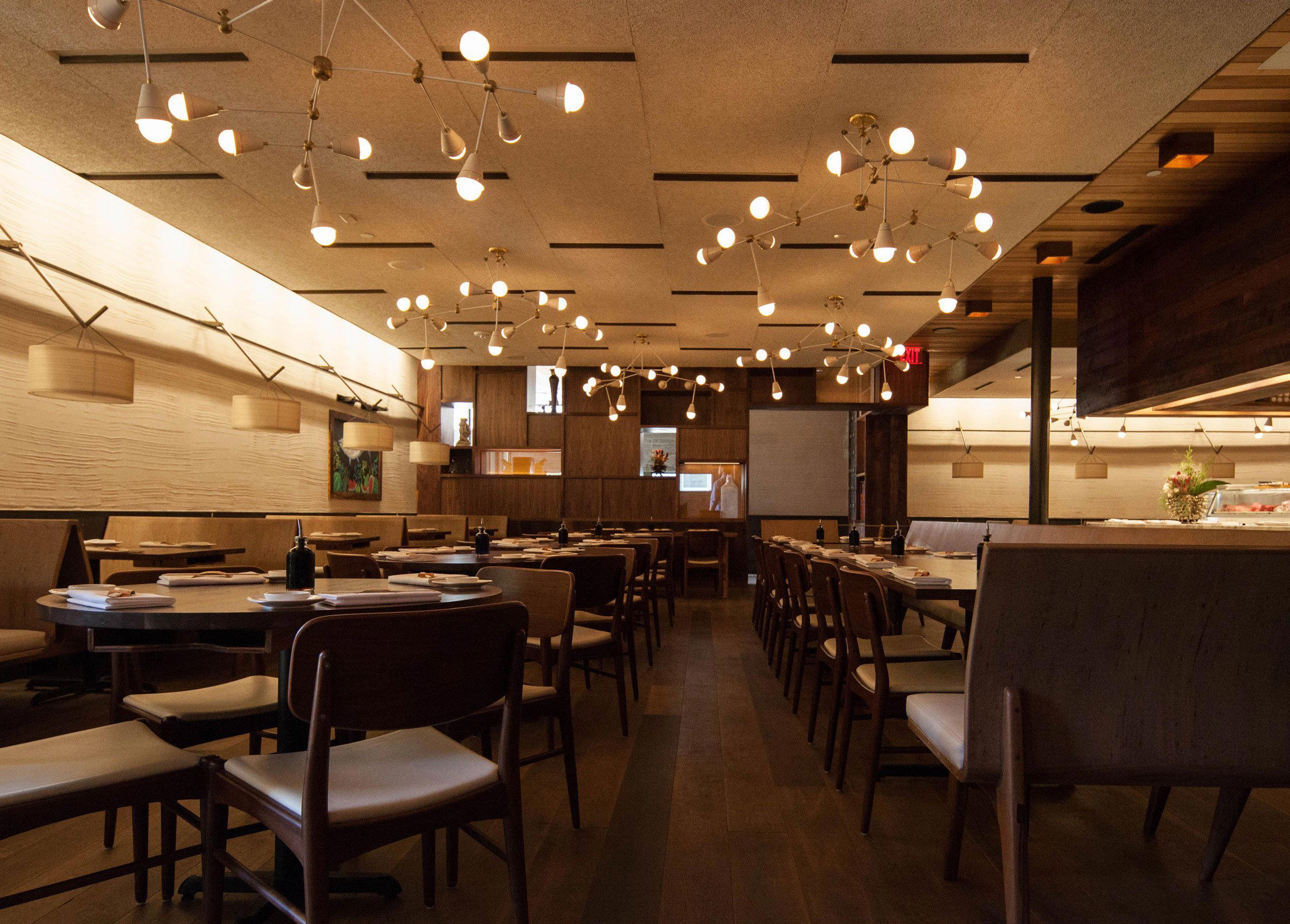
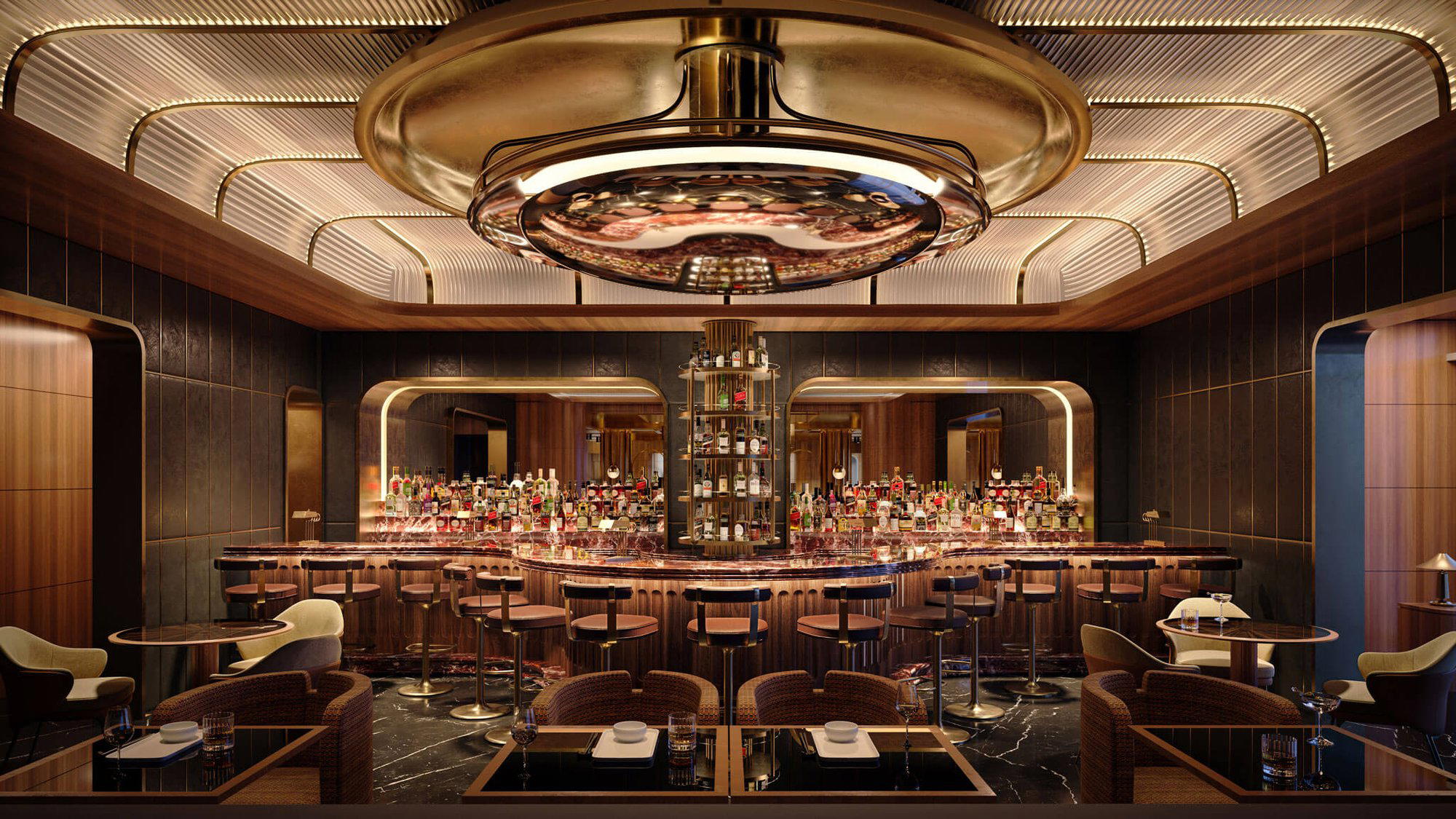
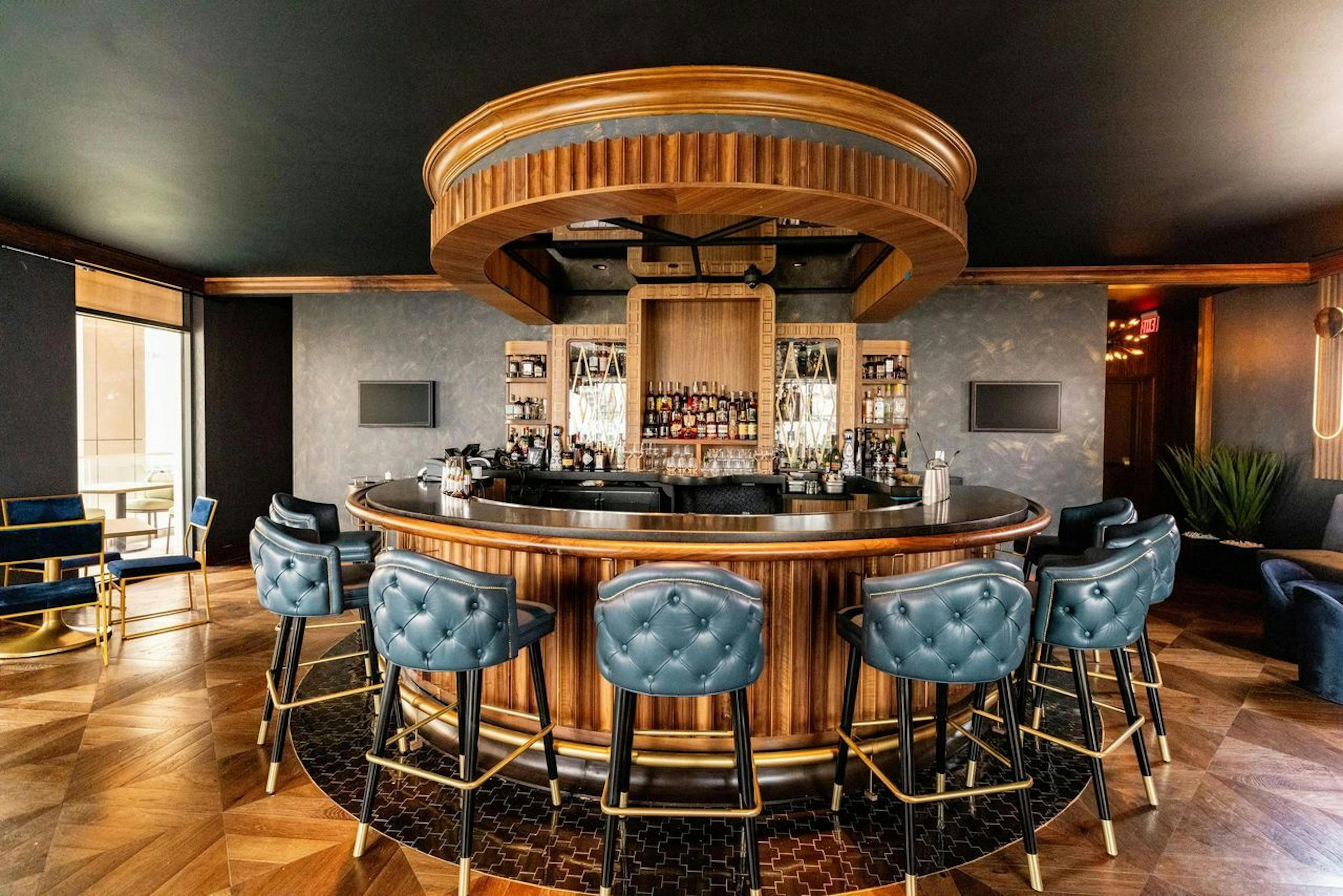
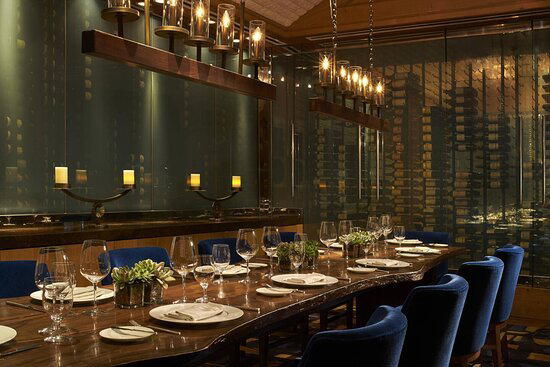
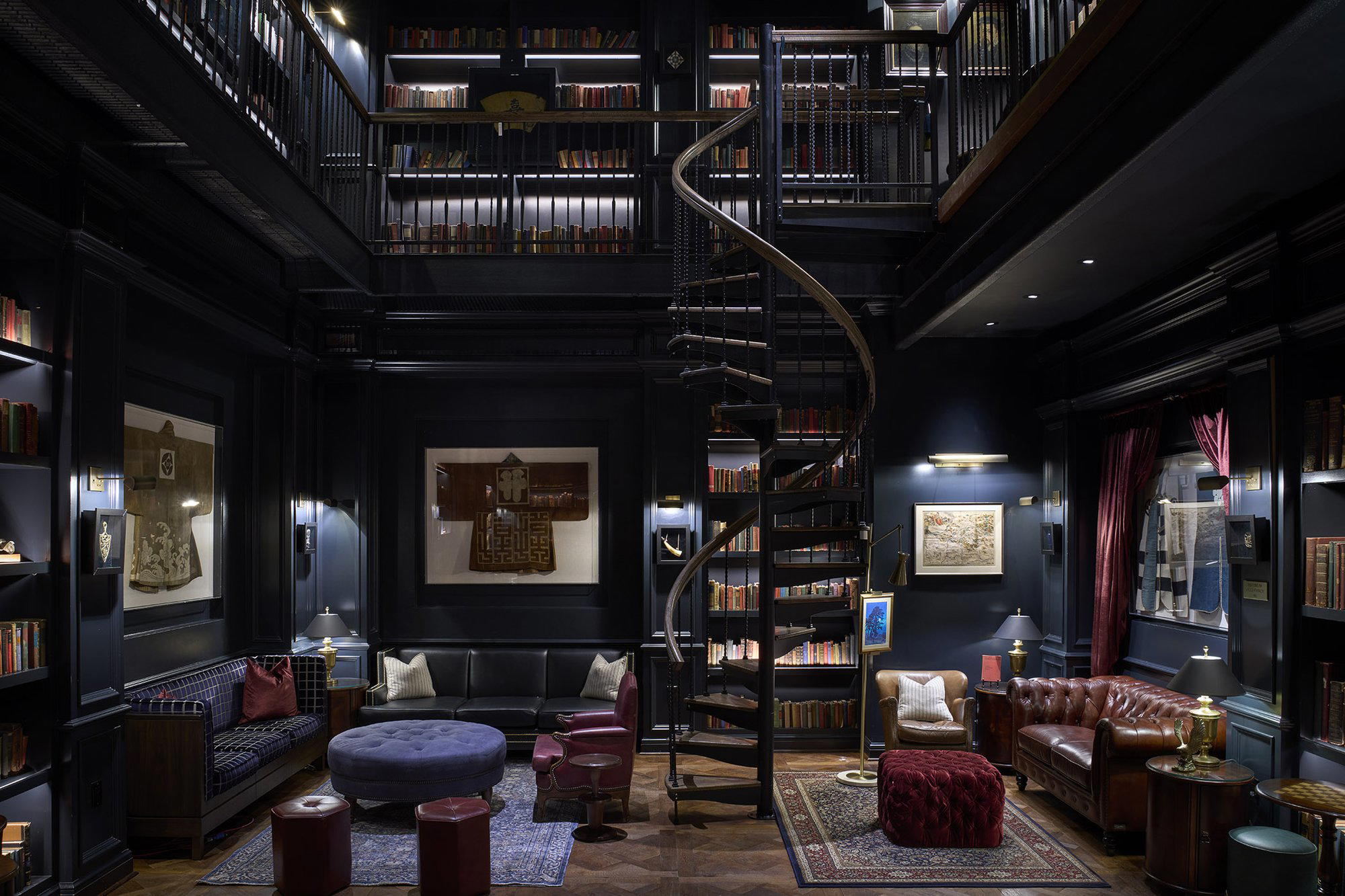
Jo'Seon operates as a counter-format omakase concept at 1628 Oak Lawn Ave, on the edge of Dallas's Design District. The experience is structured and sequential: the kitchen controls the progression, and the setting reflects that — intimate and deliberate rather than open and à la carte. The Korean barbecue and Japanese Wagyu crossover positions it as a format-driven concept rather than a conventional steakhouse.
Booking and Cost Snapshot
Comparable venues nearby, for context on price, style, and recognition.
| Venue | Cuisine | Price | Awards | Notes |
|---|---|---|---|---|
| Jo’Seon Wagyu OmakaseThis venue — the venue you are viewing | Korean Wagyu Omakase | $200–300 | Not listed | Not listed |
| JOA GRILL | Modern Korean BBQ | Not listed | Not listed | Koreatown, Modern Korean BBQ |
| STK - Dallas | Modern American Steakhouse | $50–100 | Wine Spectator Award of Excellence | LoMac, Modern American Steakhouse |
| Takumi Hachi | Japanese Omakase | Not listed | Not listed | Addison, Japanese Omakase |
| Table 13 | Steakhouse & Seafood | $30–50 | Not listed | Addison, Steakhouse & Seafood |
| The Mexican | Modern Mexican Fine Dining | $50–100 | Not listed | Dallas Market Center, Modern Mexican Fine Dining |