Jing Yan Tavern
Jing Yan Tavern occupies a Congress Street address in Portland, Maine, where the city's appetite for cuisine that crosses cultural registers has grown steadily alongside its broader restaurant scene. The tavern format signals a more casual register than Portland's tasting-menu tier, positioning it alongside the city's neighbourhood dining options rather than against its destination counters.
 Discover on Pearl
Pearl is the En Primeur Club membership app — saves, bookings, and concierge access live there. Same editors, same standards.
- Address
- 90 Congress St, Portland, ME 04101
- Phone
- +12078350010
- Website
- jingyanrestaurant.com
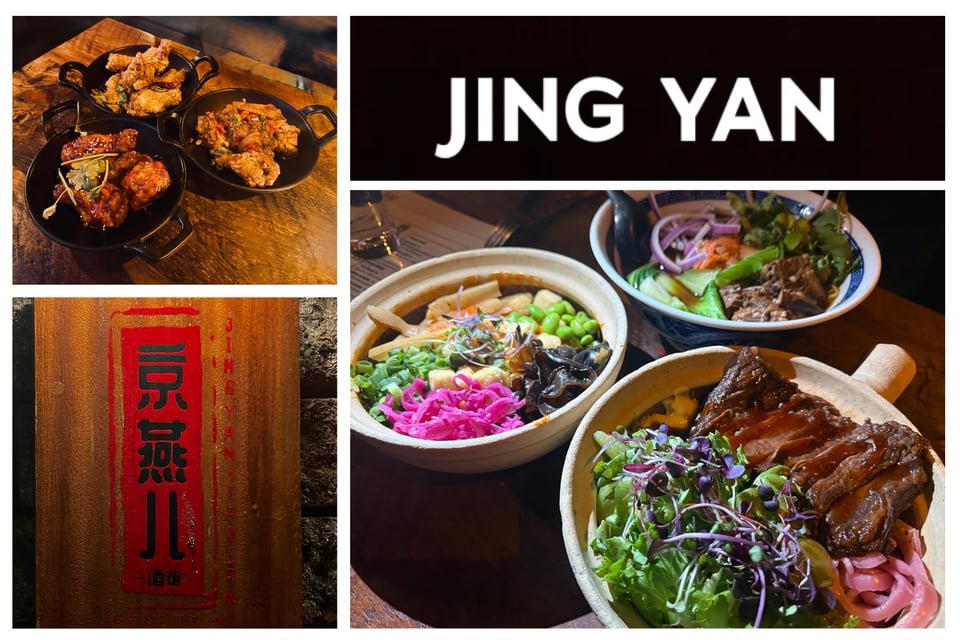
Congress Street and the Shape of Portland's Dining Scene
Portland, Maine punches above its population in dining density and ambition. The city's Congress Street corridor has become a reliable indicator of where that ambition is heading: restaurants here tend to occupy the middle register between the destination tasting-menu format and the purely functional, drawing a local crowd that expects cooking to have a point of view without demanding ceremony. Jing Yan Tavern is an Asian Fusion restaurant at 90 Congress St, Portland, ME 04101. The tavern designation itself signals informality, accessibility, and a deliberate distance from white-tablecloth language.
That positioning matters in a city where the conversation about what Portland does well has shifted considerably over the past decade. The arrival of places like Kann, which brought Haitian cuisine into the foreground of the city's dining identity, and Berlu, which applied a fine-dining sensibility to Vietnamese cooking, established that Portland's strength is not one cuisine but a consistent willingness to take unfamiliar culinary frameworks seriously. Jing Yan Tavern enters that context carrying its own cultural register, and the Congress Street address places it within walking distance of the kind of foot traffic that sustains neighbourhood restaurants rather than destination ones.
What the Tavern Format Reveals About Menu Intent
The word "tavern" does real work in a restaurant name. Historically, the tavern format implied a menu built for repetition rather than occasion, dishes you return to weekly rather than once a year. That structure tends to produce menus organised around anchoring proteins or preparations, with sides and accompaniments that rotate to reflect availability rather than concept. It is a fundamentally different architecture from the progression-based tasting menu, where each course exists to set up the next.
In the context of Chinese-influenced or pan-Asian tavern concepts, a format that has gained traction in several American cities over the past several years, the menu architecture often draws on shared-table eating, where the meal is constructed collectively rather than individually. Dishes arrive when ready, portions are sized for the table rather than the plate, and the ordering sequence is negotiated rather than prescribed. This stands in contrast to the individuated courses of European fine dining and the fixed progression of the omakase format. It is a structure that rewards groups and repeat visitors, since the menu reveals itself differently depending on what you order together.
That approach also changes how a kitchen signals quality. In a tasting-menu format, quality is communicated through restraint and sequence. In a shared-table format, it is communicated through the precision of individual dishes, the balance of a sauce, the texture of a protein, the freshness of aromatics, because each dish has to hold its own without the scaffolding of a narrative arc around it. The tavern setting at Jing Yan suggests the kitchen is working in this latter register: each item on the menu needs to justify itself independently.
Where Jing Yan Sits in Portland's Competitive Set
Portland's restaurant scene distributes across several distinct tiers. At the leading end, tasting-menu and reservation-essential formats draw visitors from outside the city. Langbaan's ticketed Thai tasting menu is the clearest local example of that model: fixed seats, fixed price, destination booking. Below that tier, the city has a well-developed neighbourhood restaurant cohort, Ken's Artisan Pizza and Nostrana both operate in this register, with menus built around a central culinary idea executed consistently for a returning local crowd.
Jing Yan Tavern occupies this second tier by format and address. The Congress Street location, away from the tourist-heavy Old Port, reinforces that neighbourhood orientation. For visitors used to benchmarking against destination restaurants in other cities, Lazy Bear in San Francisco, Alinea in Chicago, Le Bernardin in New York City, or The French Laundry in Napa, the tavern format signals a different kind of visit: lower ceremony, higher frequency, and a meal that derives its value from the cooking rather than the occasion.
Some of the most instructive eating in any city happens at this level, where kitchens have to earn return visits from people who live nearby rather than from travellers crossing off a list. The neighbourhood restaurant is also where culinary translation tends to happen most organically: a cuisine encounters local ingredients, local habits, and local expectations, and the menu adjusts accordingly over time. The result is often more grounded than what happens in the more performative destination format.
Internationally, the shared-table format finds different expressions at venues like Atomix in New York City and 8½ Otto e Mezzo Bombana in Hong Kong, each of which handles the tension between accessibility and ambition differently. Closer to home, Blue Hill at Stone Barns in Tarrytown and Single Thread Farm in Healdsburg represent what the destination end of the American spectrum looks like when place and produce are the animating idea, a contrast that clarifies what the tavern format is choosing not to be. Other American reference points include Providence in Los Angeles, Addison in San Diego, The Inn at Little Washington, and Emeril's in New Orleans.
Planning a Visit
Jing Yan Tavern's Congress Street address in Portland's peninsula puts it within reach of the city's central neighbourhoods on foot. Hours and reservations should be confirmed directly with the venue before visiting. The reservation policy is recommended, and Congress Street's weekend foot traffic means planning ahead is sensible. Given the neighbourhood orientation of the address, weeknight visits tend to offer a more settled experience than weekends.
The Minimal Set
Comparable venues nearby, for context on price, style, and recognition.
| Venue | Cuisine | Price |
|---|---|---|
| Jing Yan TavernThis venue — the venue you are viewing | East End, Asian Fusion | $$ |
| Papi Portland | Old Port, Puerto Rican Bar & Kitchen | $$ |
| Rose Foods | Oakdale, Authentic Jewish Deli | $$ |
| Hot Suppa | West End, Southern Comfort American | $ |
| DiMillo's On the Water | Old Port, Classic New England Seafood | $$$ |
| Mr. Tuna | Monument Square, Modern Japanese Sushi | $$$ |



At a Glance
- Cozy
- Intimate
- Trendy
- Date Night
- Casual Hangout
- Open Kitchen
- Craft Cocktails
- Sake Program
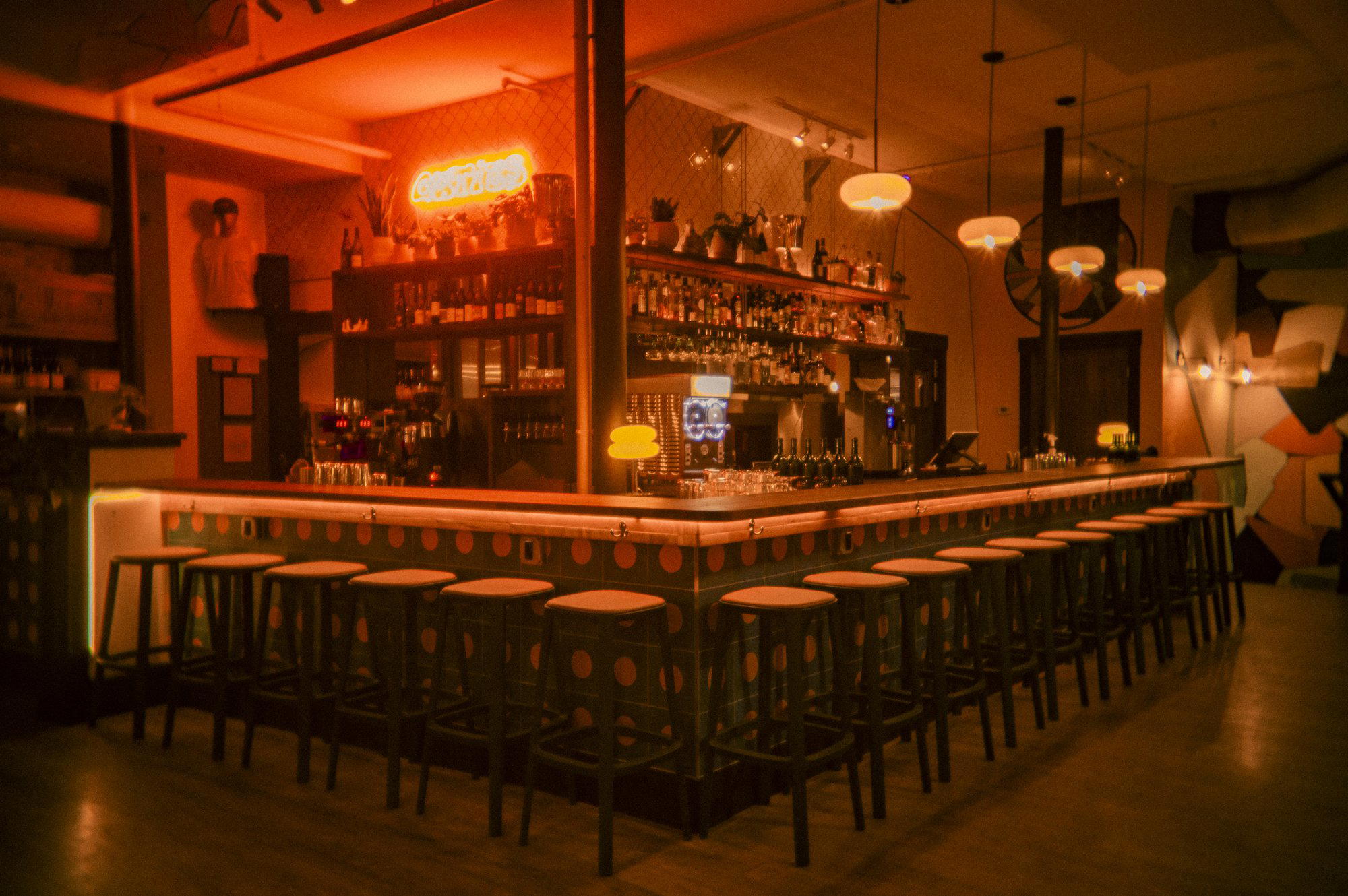
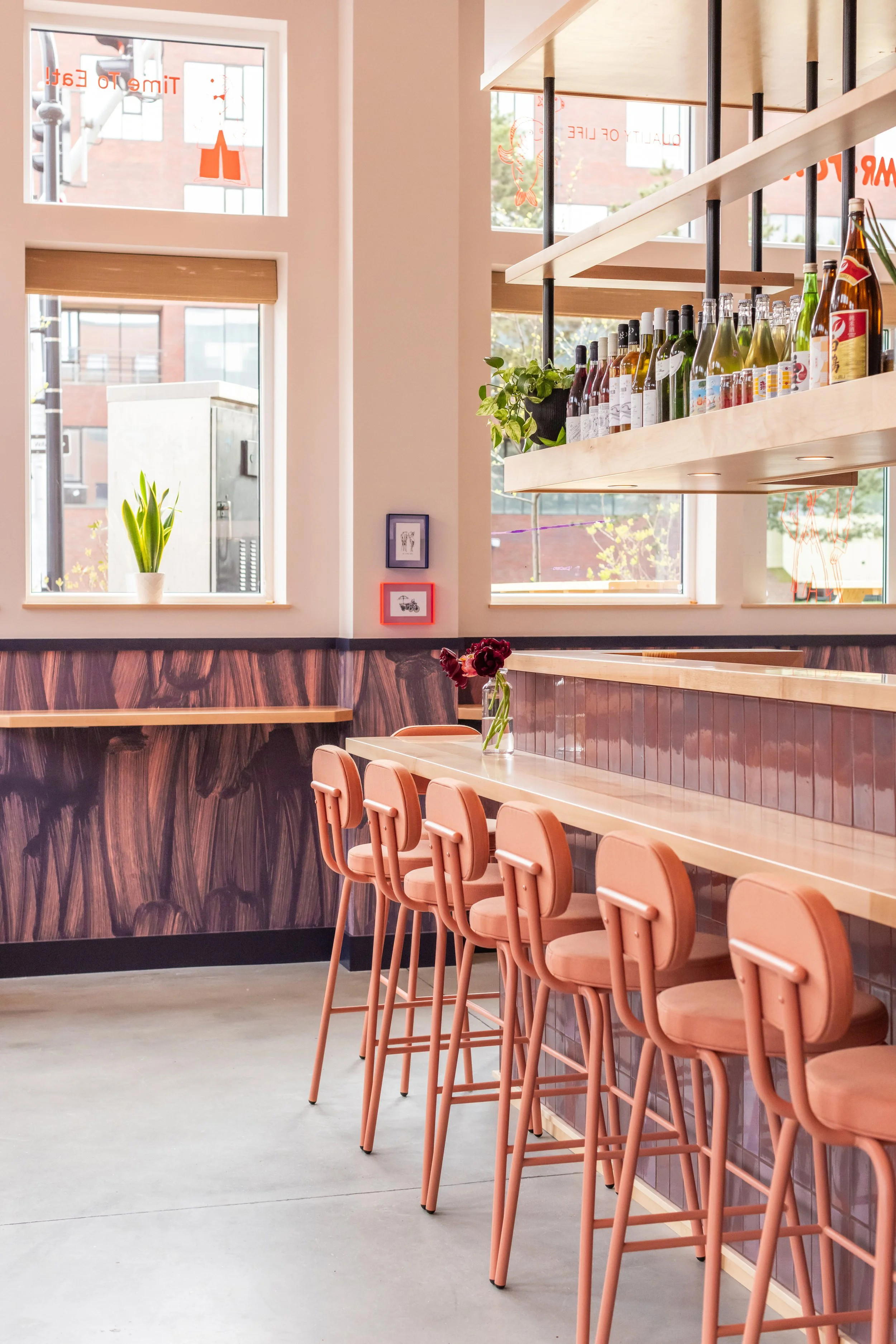
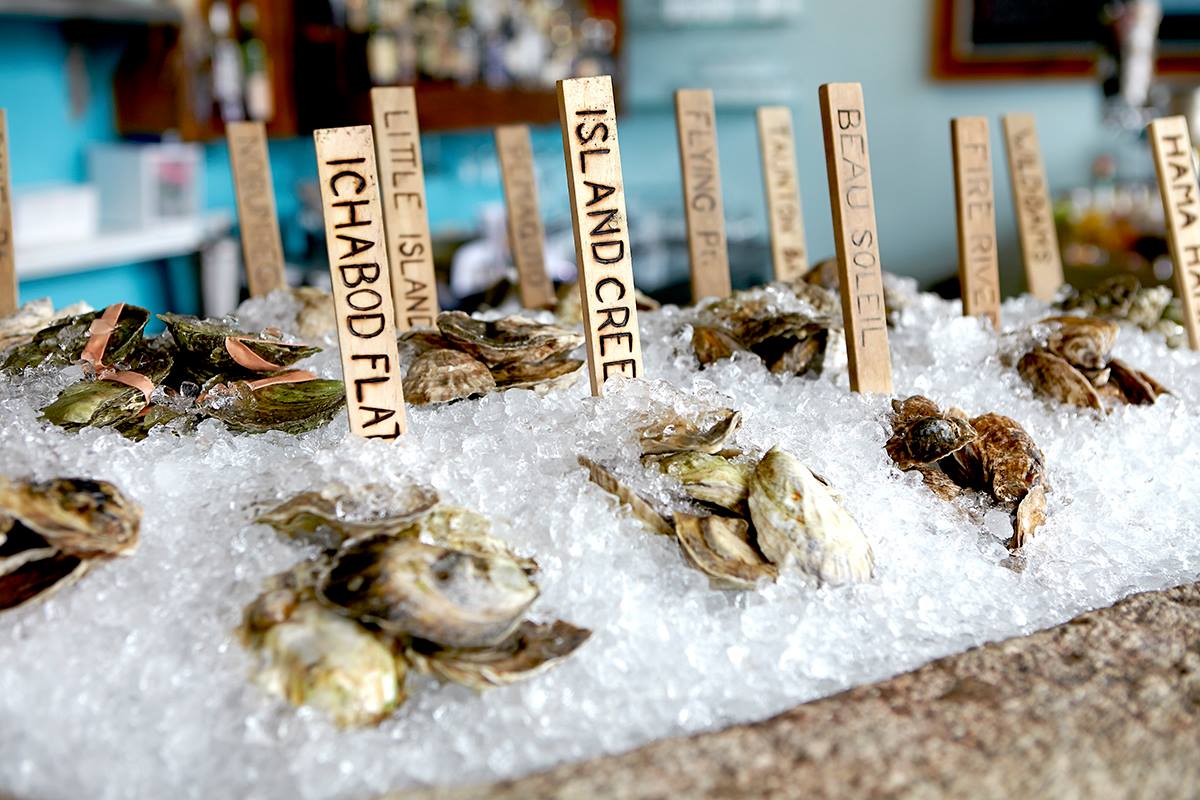
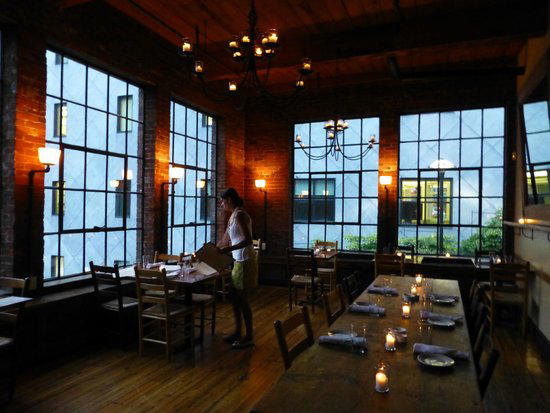
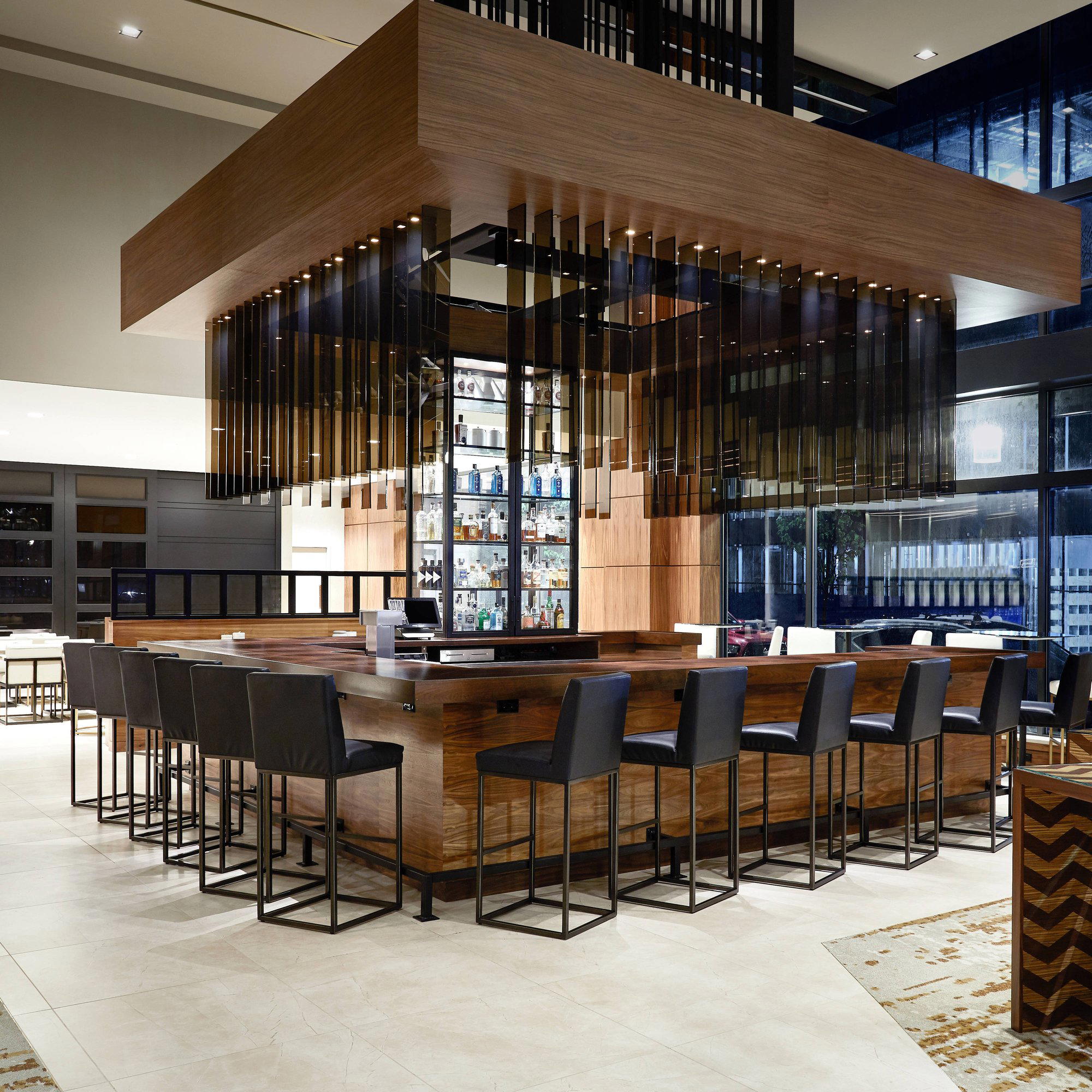
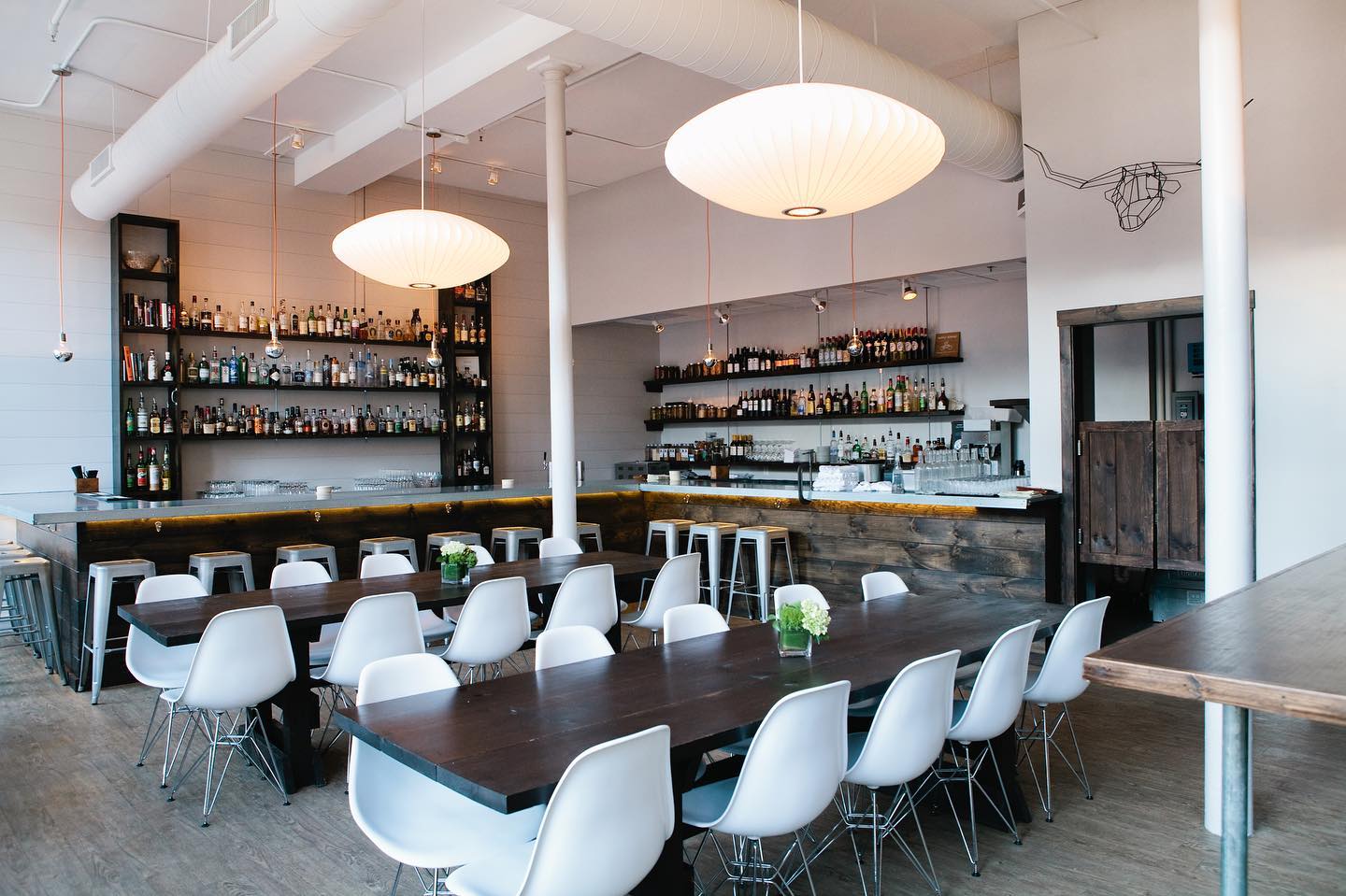
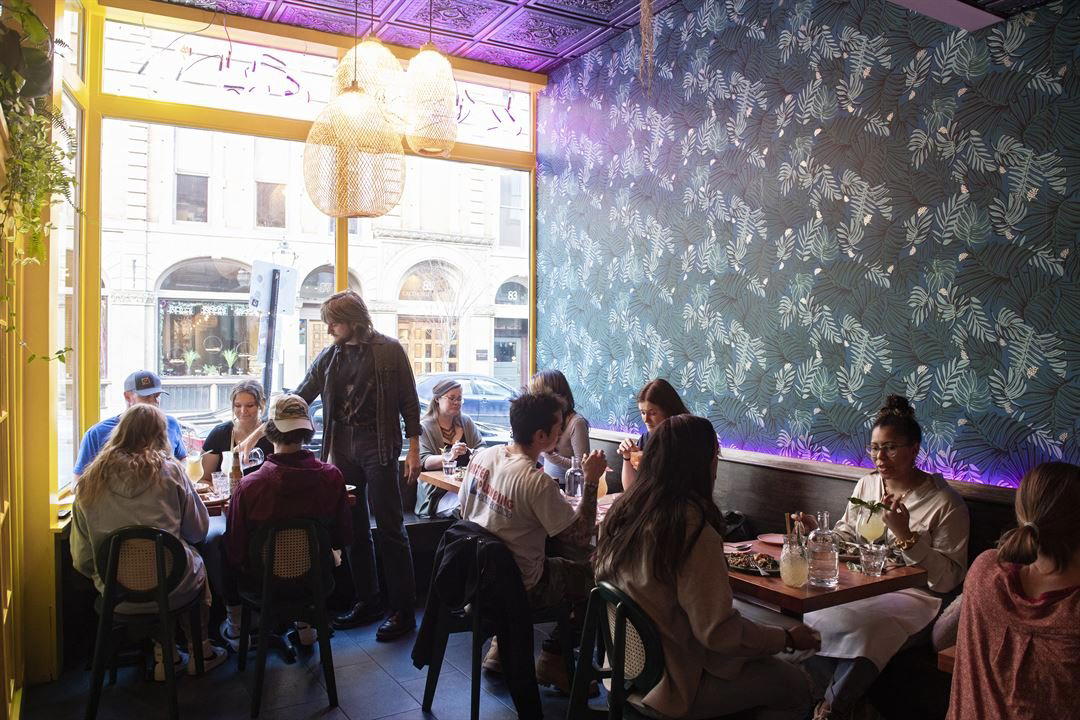
Cozy and elegant with hand-painted murals, fresh flowers, and a warm inviting atmosphere featuring low lounge music.