
Tabelog 100 #57
Our verdict
Jinba Do belongs to Kyoto’s northern wagashi circuit, where the point is not a long meal but a tightly edited sweet stop shaped by timing, craft, and restraint. Its Tabelog 100 selection for Japanese traditional sweets and sweets recognition across multiple years puts it in a serious local category, while the take-out format keeps the experience compact.

Pearl is the En Primeur Club membership app, where members save venues, book tables and use the concierge.
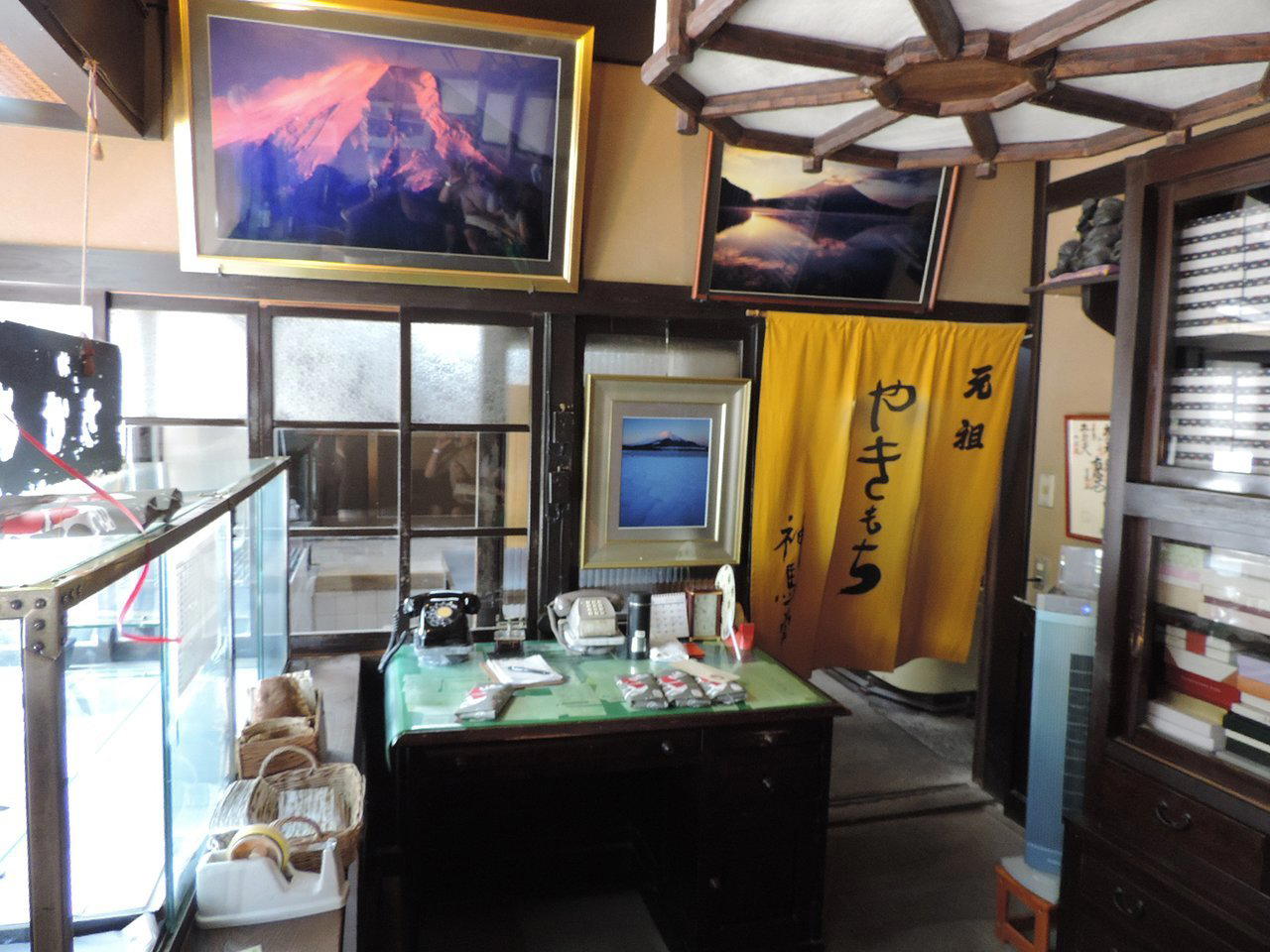
The menu
What to order
- Yaki-mochi (kusa-mochi)
- Grilled mochi with sweet bean paste
Kyoto changes pace away from its busiest dining corridors. The city’s temple-and-department-store sweet culture gives way to a quieter rhythm: neighborhood counters, local foot traffic, and wagashi bought with a purpose rather than treated as dessert after a restaurant meal. In that setting, the sweet shop becomes a short-form tasting progression. The sequence is compressed, but the logic is familiar to anyone who understands Kyoto dining: arrive with focus, choose carefully, carry the purchase away, and let season, texture, and restraint do the work.
Jinba Do sits inside that older Kyoto pattern. It is categorized as Japanese traditional sweets and was selected for Tabelog’s 2023 recognition in that field, with a listed score of 3.66. That matters because Kyoto is not short of wagashi heritage; recognition in this category signals consistency in a city where sweet-making is judged against everyday local memory as much as visitor enthusiasm.
Kyoto wagashi as a short tasting sequence
Restaurant tasting menus announce their progression course by course. Wagashi shops do it more quietly. The opening move is usually visual and seasonal, the middle is texture, and the finish is balance: sweetness held in check so tea, weather, and occasion can complete the experience. Kyoto’s traditional sweets are often read through ceremony, but the city’s more revealing pleasure is everyday purchase. A small box can carry the same discipline as a formal meal, only without the room, wine list, or choreography.
This is where Jinba Do is useful for understanding the genre. The format strips away the dining room and leaves the essentials: a narrow category, a low listed spend, and a tempo that rewards planning. Compared with sit-down Japanese dining in Kyoto, including Kamigamo Akiyama in the broader Kyoto Japanese dining field, this is a different kind of precision. The question is not how long the meal lasts, but how much craft can survive in a brief exchange across a counter.
The comparison also clarifies Kyoto’s range. Some Kyoto sweets traditions approach treats through repetition, heat, and ritualized local habits. Jinba Do sits in the broader wagashi field, closer to the purchase-and-carry rhythm than to a seated sweets cafe. For travelers building a day around Kyoto, that difference matters: the sweet stop becomes punctuation, not the main appointment.
What Tabelog recognition says about the category
In Kyoto, awards for sweets should be read differently from awards for fine dining. They do not necessarily point to ceremony or rarity; they often point to reliability inside a crowded local field. The 2023 Tabelog recognition for Japanese traditional sweets places the shop within a closely watched category rather than a broad restaurant listing. For a city with deep sweet-making memory, that kind of notice is most useful when read as a signal of category strength.
That distinction is useful because Kyoto’s sweets scene contains several economies at once. There are formal wagashi houses attached to tea culture, casual counters, department-store gift specialists, and modern cafes translating Japanese flavors for a wider audience. A low-spend sweet shop with Tabelog recognition occupies a leaner lane: craft without the long reservation cycle, tradition without the cost structure of formal dining, and a visit that can fit between temples, buses, and lunch.
For a broader Kyoto eating map, pair this stop with other Kyoto dining rather than treating it as a replacement for lunch. The city’s restaurants, counters, sweet shops, and casual specialists all point to different ways Kyoto absorbs local demand, seasonal habits, and contemporary dining. The useful itinerary is not a ranking; it is contrast. Wagashi reads more clearly when placed against the denser restaurant traffic of central Kyoto and the quieter rhythms of smaller specialist shops.
How to place it in a Kyoto day
The strongest use case is a morning or daytime Kyoto route, where a sweets purchase can sit between cultural stops and a longer meal elsewhere. The shop is in Kyoto, a city that asks for more intention than a simple station-to-sightseeing corridor. That mild friction is part of the editorial value. Kyoto rewards visitors who stop treating every meal as a destination dinner and start reading smaller formats: sweets, pickles, tea, noodles, and counters that run on local tempo.
It also belongs to a practical price tier that changes the way a traveler should judge it. A listed spend of - JPY 999 View spending breakdown is not trying to compete with Kyoto’s set-menu restaurants or hotel dining rooms. It competes with other small decisions in a day: which sweet to carry, which part of the city to prioritize, which local specialty deserves a detour. Shichiku Kiko and Mikura Ya show how varied the surrounding Kyoto field can be; the appeal here is the compactness.
Readers planning around Kyoto should use the city as a set of linked categories, not a single restaurant list. For broader context, see Our full Kyoto restaurants guide, Our full Kyoto hotels guide, Our full Kyoto bars guide, Our full Kyoto wineries guide, and Our full Kyoto experiences guide. The connective tissue is format intelligence: knowing when a brief, inexpensive stop carries as much local meaning as a long booking.
Frequently asked questions
What price level is Jinba Do?
Pricing at Jinba Do is listed as - JPY 999 View spending breakdown.
Where exactly is Jinba Do?
Kyoto.
Do they take walk-ins at Jinba Do?
Jinba Do is listed in the Japanese traditional sweets category. For a same-day visit in Kyoto, it is best to check current details directly before going.
What's the standout thing about Jinba Do?
Its strongest credential is Tabelog recognition in 2023, alongside its Japanese traditional sweets category and listed score of 3.66. It reads as a serious Kyoto wagashi stop rather than a broad sit-down dining entry.
Can Jinba Do accommodate dietary restrictions?
The listing identifies Jinba Do as Japanese traditional sweets, with no menu-engineering details attached to the public record. That means the safest approach is to call +81-75-781-1377 before going, especially if an allergy or ingredient restriction needs checking. Check the venue's official channels for the latest details.
At-a-Glance Comparison
Comparable venues by category and price.
| Venue | Cuisine | Price | Awards | Notes |
|---|---|---|---|---|
| Jinba DoThis venue (the venue you are viewing) | Traditional Japanese Yaki-Mochi & Wagashi | $1–10 | Tabelog 100 #57 | Not listed |
| Mikura Ya | Traditional Kyoto Wagashi (Japanese confectionery) | $1–10 | Tabelog 100 #98 | Kita |
| Takagi Coffee Ten Takatsuji honten | Japanese kissaten & coffee shop | Not listed | Tabelog 100 | Shimogyō |
| Mangetsu JR kyoto isetan ten | Traditional Japanese sweets (wagashi) take-out | $1–10 | Tabelog 100 #7 | Shimogyō |
| Jukou Gundan | Ramen, tsukemen & maze-soba shop | $10–20 | Tabelog 100 #39 | Sakyō |
| Fuka Fuchomae honten | Traditional Kyoto Japanese sweets & nama-fu shop | $1–10 | Tabelog 100 #84 | Kamigyō |
Recognition history
Dated appearances from independent guides and award organizations, with the underlying list record or original source where available.
Tabelog 100 #57 · No. 57
Tabelog · Tabelog 100 - Japanese traditional sweets / Japanese sweets cafe - WEST - 2023
Continue exploring
More in Kyoto
Restaurants in Kyoto
All restaurants in Kyoto →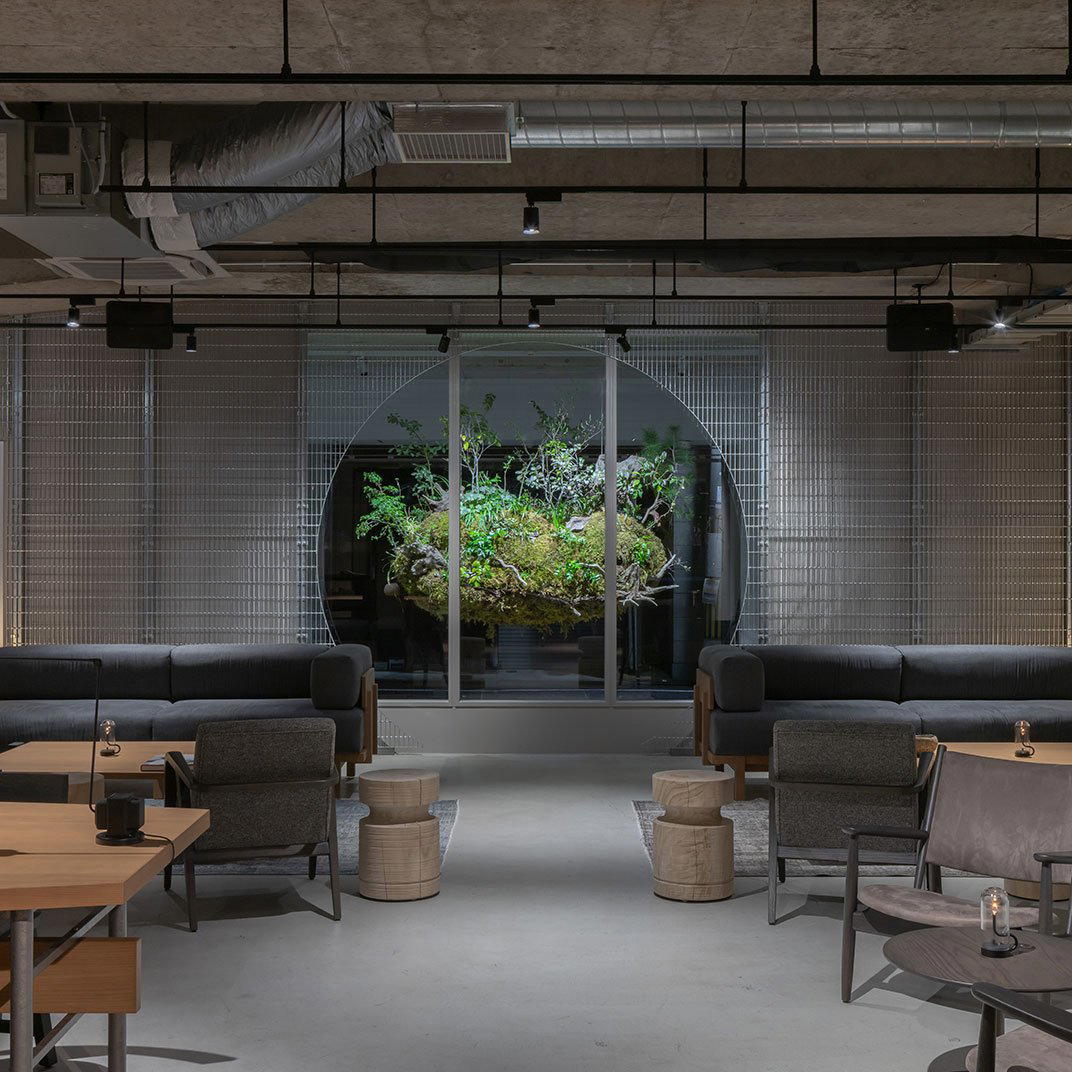
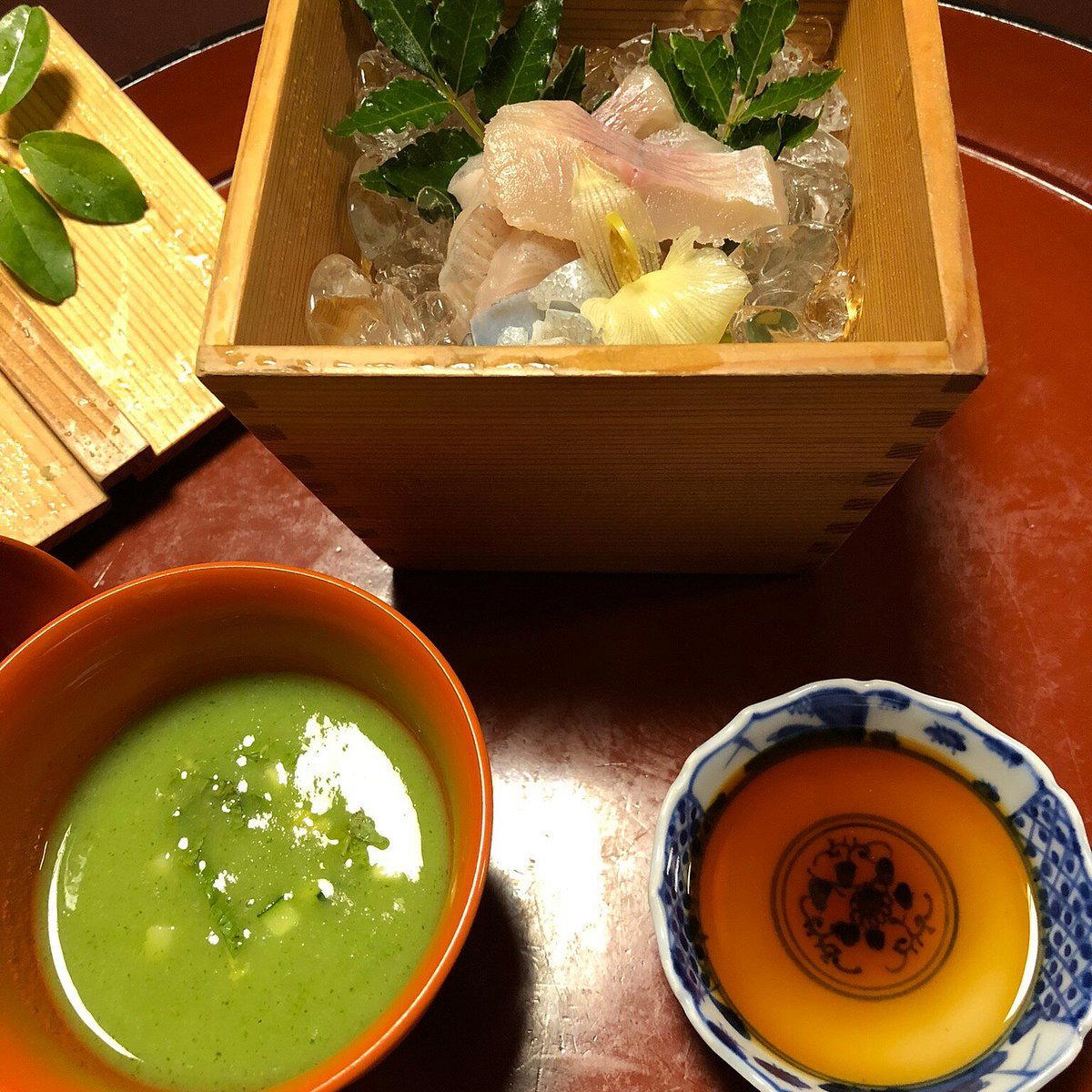

Bars in Kyoto
All bars in Kyoto →



Hotels in Kyoto
All hotels in Kyoto →


Wineries in Kyoto
Browse all →
Details
- Classic
- Well Known
- Quiet
- Solo
- Family
- Casual Hangout
- After Work
- Historic Building
- Standalone
- Street Scene
- A La Carte
A small, traditional wagashi shop with a simple, no-frills interior focused on takeaway, offering a quiet, old-fashioned atmosphere that reflects its long history by Kamigamo Shrine.