Yoshino
Yoshino sits in London’s St James’s orbit, where premium dining is shaped as much by sourcing discipline as by roomcraft. The editorial interest is not spectacle but restraint: how a central London restaurant can make ingredient quality, seasonality, and service tempo carry the experience without leaning on excess.
Pearl is the En Primeur Club membership app — saves, bookings, and concierge access live there. Same editors, same standards.
- Address
- 4-5 Duke of York Street, London, SW1Y 6LA, United Kingdom
- Phone
- +44 20 7287 6622
- Website
- yoshino.london
- Directions
- Get directions
 Saves & bookings on Pearl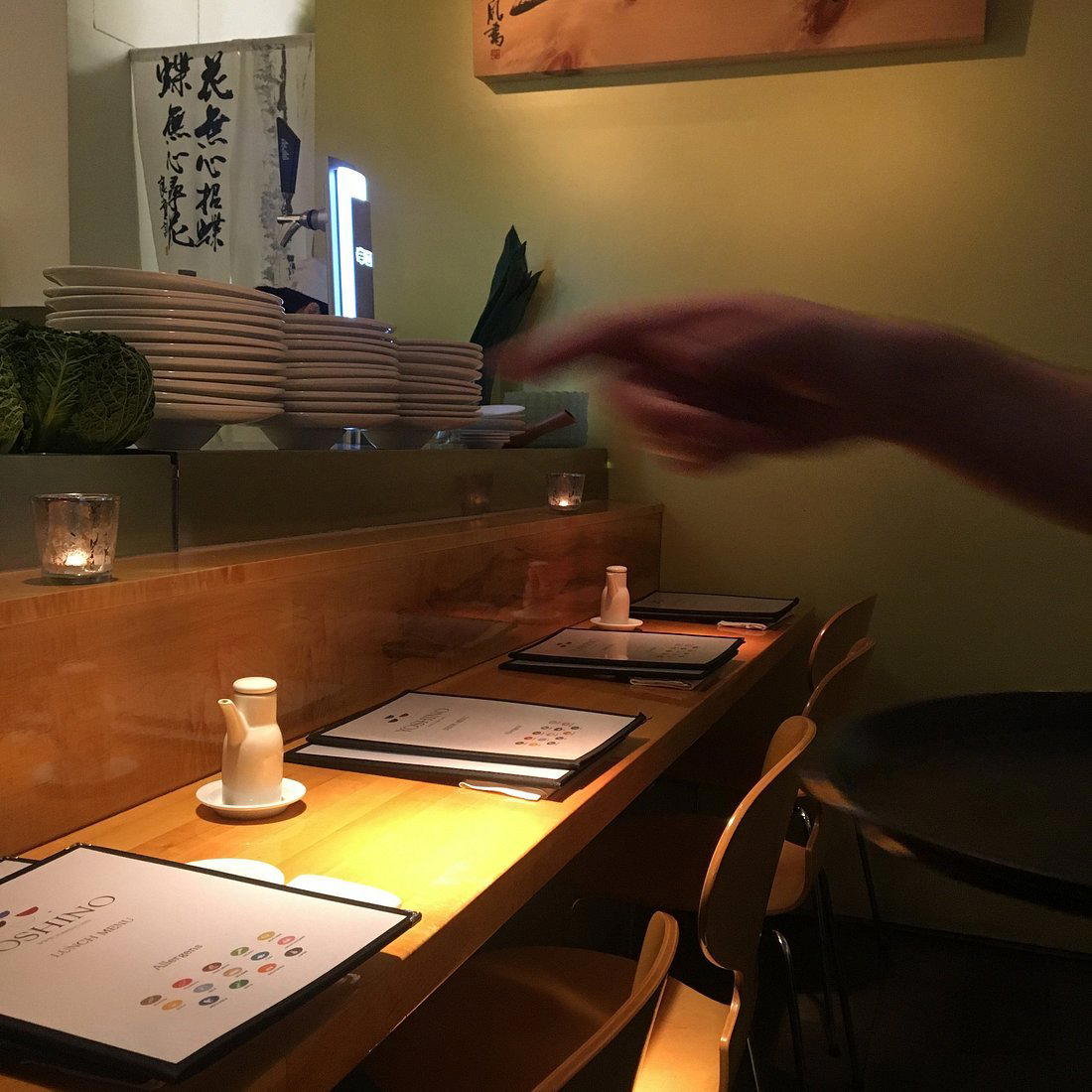
Approaching Yoshino means entering the polished, tightly managed side of central London dining: St James’s and its surrounding streets are built for discreet arrivals, short walks from major hotels, and rooms where the first impression is control rather than noise. In this part of the city, premium restaurants are judged less by theatricality than by how calmly they handle detail: produce condition, pacing, glassware, temperature, and the silence between courses.
That matters because London’s high-end dining culture has become a sourcing argument. The city can import specialist ingredients, buy from British day boats, lean on European growers, and serve international formats to a clientele that notices when the supply chain is doing the work. Yoshino belongs in that conversation. The name carries Japanese reference points, but the larger story is London’s appetite for restaurants where provenance and restraint sit ahead of volume, novelty, or menu sprawl.
Ingredient discipline in a central London room
London rewards restaurants that know what to leave off the plate. The stronger end of the city’s premium Japanese-influenced dining scene is not about abundance for its own sake; it is about selecting fewer elements and making each one answerable to season, cut, handling, and timing. That approach suits St James’s, a district where the dining room often has to serve both serious regulars and international visitors without diluting its focus.
Yoshino’s appeal should be read through that lens. A restaurant in this category has to make sourcing visible through structure rather than speeches: a shorter repertoire, careful sequencing, and a room quiet enough for small differences to register. London diners have become fluent in that grammar. They understand why fish quality, rice handling, vegetable seasonality, and condiments matter, even when the menu avoids over-explanation.
The city’s wider restaurant map makes the point. Casual specialists such as 081 Pizzeria Peckham show how narrow focus can beat generic ambition, while Soho’s flexible modern-European tradition is better represented by 10 Greek Street (Modern European). In Chelsea and Pimlico, restaurants such as 101 Pimlico Road reflect a different rhythm: neighbourhood polish, dependable produce, and a room built for repeat use. Yoshino sits at another register, but the same London rule applies: sourcing only matters when the format gives it room.
Why St James's changes the expectations
St James’s is not a neutral backdrop. The area’s restaurants compete with clubs, galleries, members’ rooms, hotel dining rooms, and expense-account addresses, so a new or low-profile room has to justify its presence through precision. This is not the part of London where a restaurant can rely on novelty for long. The audience is transient but informed, and the neighbourhood pushes kitchens toward confidence rather than noise.
That geography shapes how Yoshino should be approached. The experience is better understood as a central London specialist meal than a casual drop-in. The pleasure comes from watching a narrow format hold its line: controlled service, ingredient-led cooking, and enough restraint to let the sourcing carry the argument. In a city crowded with tasting menus, counters, bistros, and hotel dining rooms, that focus is the useful distinction.
For readers mapping the wider city, 104 (Modern Cuisine) and 116 at The Athenaeum show how London’s premium dining can move between intimate modern cooking and hotel-adjacent formality. The broader context sits in our full London restaurants guide, with nearby planning often tied to our full London hotels guide, our full London bars guide, our full London wineries guide, and our full London experiences guide.
A focused choice for diners who care where the food begins
The case for Yoshino is strongest for diners who read a meal through ingredients first. London has plenty of restaurants that foreground personality, design, or breadth; this address is better suited to those who want the kitchen’s selectiveness to do the talking. That means the meal should be judged by consistency, handling, pacing, and whether the room protects concentration.
There is also a national context. Across the UK, smaller-format restaurants have helped move attention away from old hierarchies of formality and toward sharper editorial choices: 'Seasgair' by Michel Roux Jr in Fort William, “8” By Andrew Sheridan in Liverpool, 1 York Place in Bristol, 10 Tib Lane in Manchester, 11th and Social in Norwich, and 1215 in Egham all speak to different versions of that shift. For a wider Pacific-facing reference point, Jōdo Saké Bar in Los Angeles and Onigiri Time in Pasadena show how Japanese food culture travels through specialist formats rather than generic luxury language.
Yoshino is therefore a useful London address for a specific kind of diner: one who values control over display, sourcing over breadth, and a central location that suits a serious meal before or after the rest of the evening. In St James’s, that restraint is not a lack of ambition. It is the point.
Comparable Venues Nearby
Comparable venues nearby, for context on price, style, and recognition.
| Venue | Cuisine | Price | Notes |
|---|---|---|---|
| YoshinoThis venue — the venue you are viewing | Traditional Japanese Restaurant & Sushi | $$$ | Not listed |
| Koji | Contemporary Japanese with Pan-Asian & South American Influences | $$$ | Parsons Green |
| Jugemu | Authentic Japanese Izakaya & Sushi | $$$ | Soho |
| 123V Browns | Modern Vegan Garden Sushi | $$$ | Mayfair |
| Donabe | Modern Japanese Donabe | $$$ | South Bank |
| Kulu Kulu | Conveyor Belt Sushi | $$ | Soho |
Continue exploring
More in London
Restaurants in London
Browse all →
Bars in London
Browse all →
Hotels in London
Browse all →



At a Glance
- Cozy
- Classic
- Intimate
- Sophisticated
- Date Night
- Business Dinner
- Group Dining
- Special Occasion
- After Work
- Standalone
- Design Destination
- Sake Program
- Beer Program
- Sustainable Seafood
Relaxed and understated, with simple classic décor, gentle lighting and a calm, slightly formal feel that suits both business meals and discreet dinners rather than a loud, buzzy scene.