
Jikaseimen Ramen Kariya belongs to Aichi’s serious ramen circuit rather than the casual noodle-shop background noise around commuter stations. The draw is the self-made noodle premise, backed by selection for Tabelog 100 - Ramen - AICHI - 2025, a 10-seat counter format, and pricing that keeps the experience in everyday territory rather than special-occasion dining.
Pearl is the En Primeur Club membership app — saves, bookings, and concierge access live there. Same editors, same standards.
- Address
- 愛知県刈谷市松栄町2-10-2
- Phone
- +81566668625
- Website
- tabelog.com
 Saves & bookings on Pearl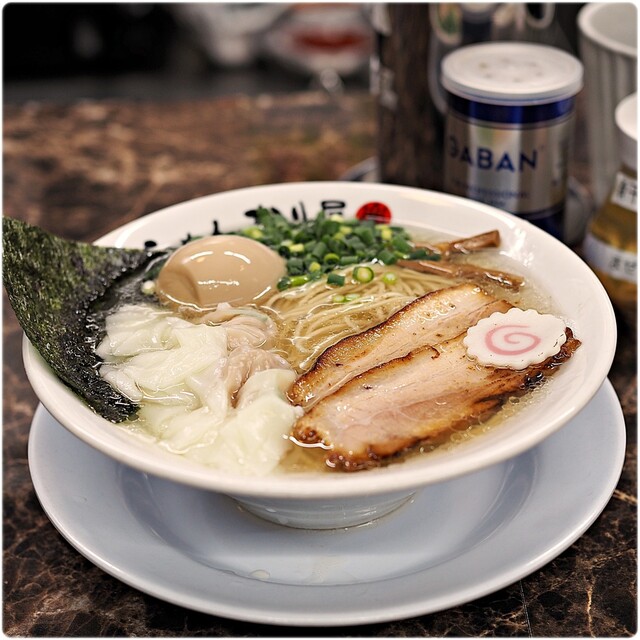
Approach this part of Kariya and the ramen scene feels workaday before destination-led: road traffic, station movement, compact shopfronts, and the quick rhythm of people eating alone or in pairs. That setting matters. Aichi’s ramen culture is not only late-night urban theatre; it lives at small counters where noodle texture, broth discipline, and turnover matter more than décor. Jikaseimen Ramen Kariya fits that strain: compact, counter-led, and defined by the promise in its name, jikaseimen, or house-made noodles.
In a prefecture where Tabelog’s ramen selections are a useful shorthand for serious local hunting, inclusion in Tabelog 100 - Ramen - AICHI - 2025 places the shop in a competitive field, not a neighbourhood-only category. That does not make it luxury. It sharpens the value proposition: a specialist ramen counter at a sub-JPY 1,000 listed price range, with recognition that sends diners comparing bowls across cities, not just blocks.
House-made noodles put texture at the centre of the bowl
Ramen evaluation in Japan often starts with broth, but noodle-making is where a shop declares priorities. House-made noodles can shift a bowl’s balance: thickness, hydration, chew, and surface texture all affect how broth clings and how quickly the ramen should be eaten. The sourcing angle is less rare luxury ingredients than control. When a ramen shop makes its own noodles, it narrows the distance between raw material and finished bowl, and takes responsibility for a component many restaurants outsource.
That emphasis puts Jikaseimen Ramen Kariya in a different lane from broader casual dining in the city. Konasu, with a JPY 6,000 to JPY 7,999 bracket, belongs to another occasion structure. The more relevant local comparison is the affordable noodle tier, including Men Tamayura Kariya ten, in a JPY 1,000 to JPY 1,999 range. Against that backdrop, this shop’s listed JPY 999 ceiling is a pointed reminder that specialist craft and low-ticket dining still overlap in Japan when the format is tight enough.
The 10-seat counter-only setup reinforces that equation. Small ramen rooms are not automatically serious, but they make inefficiency visible. There is little space for ceremony, large groups, or padding between kitchen timing and diner. For travellers used to ramen as either quick convenience meal or export concept, this is where the Japanese version becomes more exacting: fewer seats, tighter focus, and a meal designed around pace rather than lingering.
Kariya's ramen scene rewards precision over spectacle
Kariya is not framed internationally like Tokyo, Kyoto, or Osaka, yet its Aichi location gives it access to dense regional dining culture shaped by car travel, station-adjacent eating, and local repeat customers. Ramen shops outside major tourist cores often compete on reliability and specificity rather than visual branding. A Tabelog score of 3.59 carries practical weight here, especially with a prefecture-level ramen selection. It signals a shop that has moved beyond local convenience without losing the everyday grammar of the category.
That distinction matters for visitors building a Kariya food day. The city’s stronger dining choices span ramen counters to higher-spend Japanese restaurants, so the right plan is not to treat every meal as a formal reservation. Use ramen for the focused, efficient slot, then read the wider city through nearby categories in Our full Kariya restaurants guide. Travellers staying overnight can pair that with Our full Kariya hotels guide, while drinking, producer visits, and local programming sit separately in Our full Kariya bars guide, Our full Kariya wineries guide, and Our full Kariya experiences guide.
The broader Aichi ramen comparison helps. Out-of-metro noodle houses such as Menya Kuromatsu occupy a slightly higher JPY 1,000 to JPY 1,999 bracket, while local competition like Men Tamayura Kariya ten suggests Kariya has enough noodle depth to reward selective eating. Ramen Aigoya adds another local reference for readers mapping the city through ramen rather than generic dining lists. The useful question is not which shop wins a universal ranking; it is which format suits the day. Counter ramen answers the solo lunch, efficient dinner, and texture-focused meal better than a drawn-out table booking.
How to read the experience before going
The practical character is plain: reservations are unavailable, seating is limited, and the room is counter-only. Timing matters more than planning theatrics. Lunch runs are often the cleanest way to understand ramen shops of this type, while evening service adds another chance on days when it operates. The note that service may finish early if ingredients run out is not decorative; it is part of small-batch ramen economics. A shop that controls noodle production and serves from a small room is not built for endless late arrivals.
Payment is another category signal. Credit cards, electronic money, and QR payments are not accepted, so cash is the sensible default. Parking is available on a tenant-share basis, and the nearest station is Noda Shimmachi, making the shop workable for rail-based diners and drivers moving through Kariya. The no-smoking policy and school-age children welcome note broaden the audience, but the counter format suits compact parties better than sprawling family groups.
For readers comparing Japan dining formats across cities, this is a reminder that seriousness does not always arrive with a tasting menu. A compact ramen counter in Kariya can carry more ingredient logic than a louder restaurant with a larger bill. The same itinerary might include regional specialists elsewhere, from Kondo Meshinosuke in Kariya to broader Japan references such as -Grilled beef Sukiyaki- KAMAKURA TANUKIAN 鎌倉 たぬき庵 in Kamakura. 鮪と炭火焼き うお炭 秋葉原店 in Tokyo.cafe in Osaka.know in Kumamoto, (Shoku) Vietnam in Kawasaki, [Curry Senmon Ten] Maruyama Kyoju. in Sapporo, and [ki:] in Kyoto. For transpacific context on Japanese drinking and casual formats, Jōdo Saké Bar in Los Angeles and Onigiri Time in Pasadena show how different the diaspora translation can feel once the counter culture leaves Japan.
Snapshot
Comparable venues by cuisine and price in the same metro.
| Venue | Cuisine | Price | Notes |
|---|---|---|---|
| Jikaseimen Ramen KariyaThis venue — the venue you are viewing | Ramen shop with house-made noodles | $ | Not listed |
| Konasu | Seasonal Japanese Cuisine & Tempura Omakase | $$$ | Kariya Sta. |
| Men Tamayura Kariya ten | Ramen & Tsukemen | $ | Kariya |
| Kondo Meshinosuke | Seafood & Kaisen-don Izakaya | $$ | Kariya |
| Ramen Aigoya | Japanese Ramen | $$ | Igayacho, Kariya |
| Jiyoken | Hakodate Shio Ramen | $ | Matsukaze-cho |
Recognition history
Dated appearances from independent guides and award organizations, with the underlying list record or original source where available.
Tabelog 100 #23 · No. 23
Tabelog · Tabelog 100 - Ramen - AICHI - 2025
Continue exploring
More in Kariya
Restaurants in Kariya
Browse all →
At a Glance
- Cozy
- Solo
- Family
- Casual Hangout
- After Work
- Late Night
- Standalone
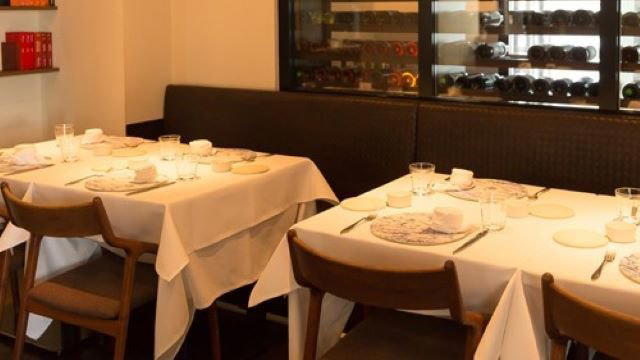
A compact, counter-only ramen shop with a casual, no-frills feel, likely bright and functional, geared toward solo diners and families looking for a quick, focused ramen experience rather than leisurely dining.