
Kondo Meshinosuke brings Kariya into the 2025 Tabelog 100 Izakaya EAST conversation with a compact seafood-led izakaya format. The appeal is not luxury theatre, but the Japanese tavern tradition at a local scale: counter seats, table seating, sake and shochu, and a fish-focused menu that fits both solo dining and family meals.
Pearl is the En Primeur Club membership app — saves, bookings, and concierge access live there. Same editors, same standards.
- Address
- Aoki-21 Igayacho, Kariya, Aichi 448-0001, Japan
- Phone
- +81 566-87-0341
- Website
- instagram.com
- Directions
- Get directions
 Saves & bookings on Pearl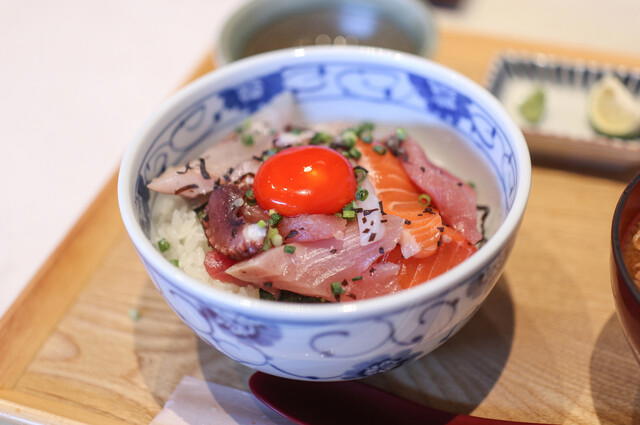
Approaching a small izakaya in Kariya differs from entering a polished Nagoya or Tokyo dining room. The promise is lower ceremony, higher routine: a counter within earshot of the kitchen, close tables, and a menu treating fish, rice, sake and shochu as the grammar of an ordinary night out, not a special-occasion script. Kondo Meshinosuke belongs to that register, making its Tabelog 100 Izakaya EAST 2025 selection useful. It places a modest local tavern format inside a wider conversation about where serious casual dining in Japan is happening now.
Kariya is often read through industry and transit rather than dining culture, which makes its food scene revealing. In smaller Aichi cities, the izakaya is not a late-night accessory to fine dining but a primary social room: after work, with children, alone at the counter, or over a compact dinner without a tasting-menu commitment. The category rewards discipline over spectacle. Fish must be handled well, drinks must make sense with the food, and the room must absorb different diners without becoming generic.
Seafood izakaya culture without metropolitan theatre
The seafood izakaya sits between the specialist counter and the everyday canteen, borrowing from both without becoming either. Kaisen-don, grilled or prepared fish, sake service and shochu are familiar markers, but the deeper value is flexibility. A diner can make a quick meal from rice and fish, or stretch the evening across small plates and drinks. That elasticity explains why fish-led izakaya remain powerful outside major urban restaurant districts.
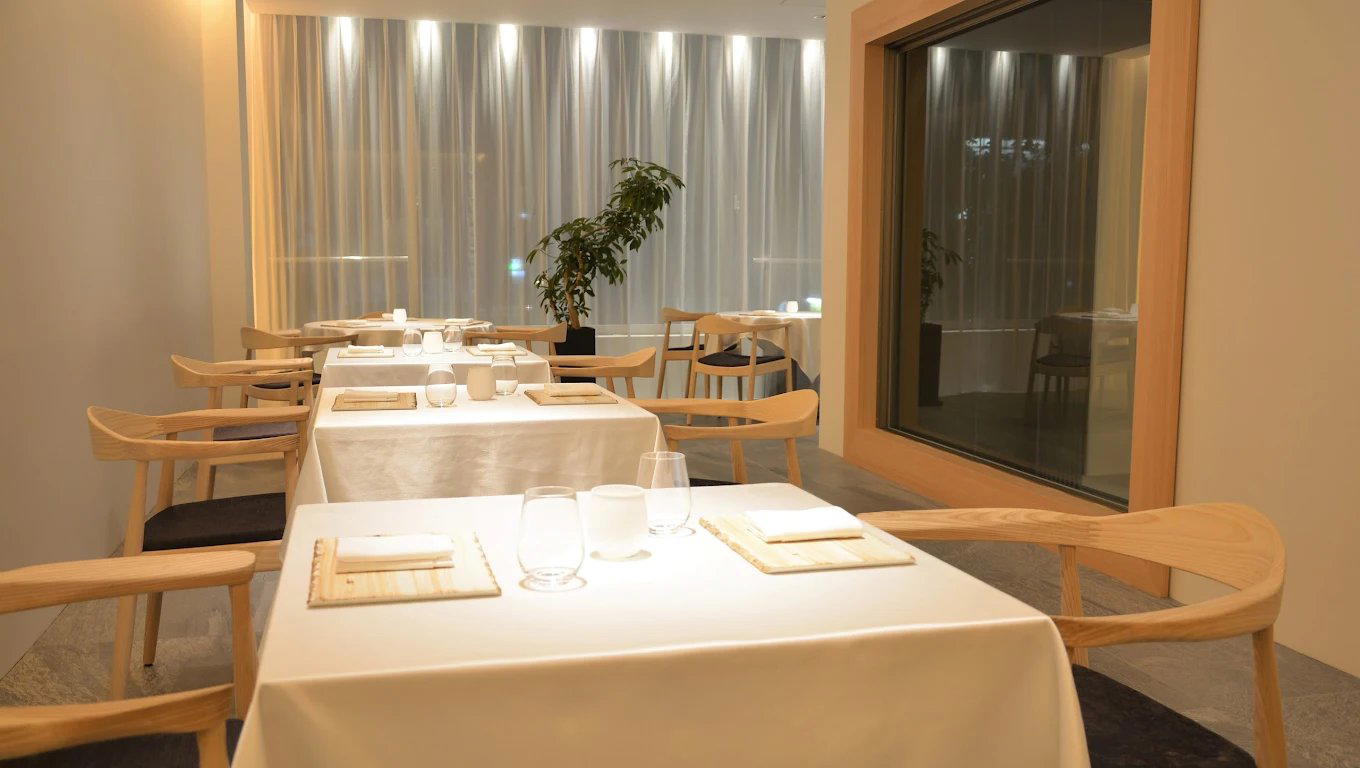
Here, format matters more than chef mythology. The compact room, with counter seating and tables, keeps the experience close to tavern tradition rather than destination dining. Private rooms are not offered, so the social contract is open-room dining, suiting solo meals as naturally as small family groups. That detail says more than any invented narrative could. It is built around accessibility, turnover and regular use, not hushed exclusivity.
The 2025 Tabelog recognition gives the venue a credible signal in a category where Michelin-style markers rarely capture the full picture. Izakaya quality is often judged through consistency, local loyalty and category fluency rather than formal luxury. A Tabelog 100 Izakaya EAST selection means this Kariya address is assessed against a broader eastern Japan field, not only nearby casual restaurants. For travellers using Kariya as a base, that distinction separates a neighbourhood meal from a stop with regional relevance.
Where Kariya's casual dining range makes sense
Kariya’s dining map rewards readers who think in categories rather than rankings. Ramen counters, seafood taverns and small Japanese restaurants serve different purposes, and the right choice depends on the meal. Ramen Aigoya sits in the low-cost noodle lane, while Jikaseimen Ramen Kariya and Men Tamayura Kariya ten address the city’s ramen audience in different registers. Konasu broadens the local Japanese dining picture. Kondo Meshinosuke occupies another lane: less single-bowl focused, more drink-and-dish oriented, and better suited to a meal that can expand or contract.
That distinction matters for visitors. Japan’s casual dining categories can look similar from outside because prices often overlap, especially in regional cities. The difference is pacing. Ramen is concise and self-contained. An izakaya asks the table to build rhythm across food and drink. A seafood bowl can be a complete lunch, while sake and shochu turn dinner into slower conversation. The fish focus places it closer to tavern lineage than quick-service dining, even when the meal remains financially restrained.
For a broader itinerary, treat this as part of Kariya’s practical food network rather than a standalone pilgrimage. Our full Kariya restaurants guide gives the strongest local frame, while our full Kariya hotels guide, our full Kariya bars guide, our full Kariya wineries guide and our full Kariya experiences guide help separate a dinner stop from the rest of the trip. The strongest case is not that Kariya mimics a capital-city dining district; it is that local formats retain their practical purpose.
How to read the award signal, and who should go
Tabelog’s Hyakumeiten lists are especially relevant for categories like izakaya, where formal international awards offer a narrow view of what matters. A 2025 Izakaya EAST selection points to quality inside a crowded everyday category, not luxury trappings. The venue opened in 2024, so the recognition suggests unusually quick traction within its segment. In a restaurant culture where regulars and repeat performance matter, early category recognition is not accidental noise.
The strongest audience is the traveller who wants a local Japanese meal with structure but without ceremony. Solo diners get the counter’s logic; families get a room explicitly suited to children and strollers; drinkers get sake and shochu aligned with fish rather than a generic beverage list. Travellers chasing chef-driven tasting menus should look elsewhere. Travellers trying to understand seafood izakaya culture outside the largest cities will find the point faster here than in a room designed for visitors.
There is also value in comparison beyond Kariya, provided it stays categorical rather than competitive. A beef-focused stop such as -Grilled beef Sukiyaki- KAMAKURA TANUKIAN 鎌倉 たぬき庵 in Kamakura tells a different story about Japanese comfort and ceremony;. 鮪と炭火焼き うお炭 秋葉原店 in Tokyo shifts the seafood-and-drink idea into a capital-city context. Casual formats elsewhere, from.cafe in Osaka to.know in Kumamoto, (Shoku) Vietnam in Kawasaki, [Curry Senmon Ten] Maruyama Kyoju. in Sapporo and [ki:] in Kyoto, show how Japan’s everyday dining culture fragments by city, dish and social use. Even overseas, Jōdo Saké Bar in Los Angeles and Onigiri Time in Pasadena underline the same lesson: Japanese casual food travels well, but the local tavern setting gives it a different authority.
Price Lens
Nearby venues at a similar price tier for orientation.
| Venue | Cuisine | Price | Notes |
|---|---|---|---|
| Kondo Meshinosuke | Seafood & Kaisen-don Izakaya | $$ | Not listed |
| Konasu | Not listed | $$$ | Kariya Sta., Seasonal Japanese Cuisine & Tempura Omakase |
| Jikaseimen Ramen Kariya | Not listed | $ | Noda Shimmachi, Ramen shop with house-made noodles |
| Ramen Aigoya | Igayacho, Kariya, Japanese Ramen | $$ | Not listed |
| Men Tamayura Kariya ten | Kariya, Ramen & Tsukemen | $ | Not listed |
| Nishimura Shokudo | Ijikacho, Japanese Seafood Cafeteria | $$ | Not listed |
Recognition history
Dated appearances from independent guides and award organizations, with the underlying list record or original source where available.
Tabelog 100 #59 · No. 59
Tabelog · Tabelog 100 - Izakaya - EAST - 2025
At a Glance
- Casual Hangout
- Solo
- After Work
- Standalone
Current opening hours
- Monday
- 11:30 AM–2 PM, 6–8:30 PM
- Tuesday
- 11:30 AM–2 PM
- Wednesday
- Closed
- Thursday
- 11:30 AM–2 PM, 6–8:30 PM
- Friday
- 11:30 AM–2 PM, 6–8:30 PM
- Saturday
- 11:30 AM–2 PM, 6–8:30 PM
- Sunday
- 11:30 AM–2 PM, 6–8:30 PM
Hours can change for holidays and private events. Last verified .
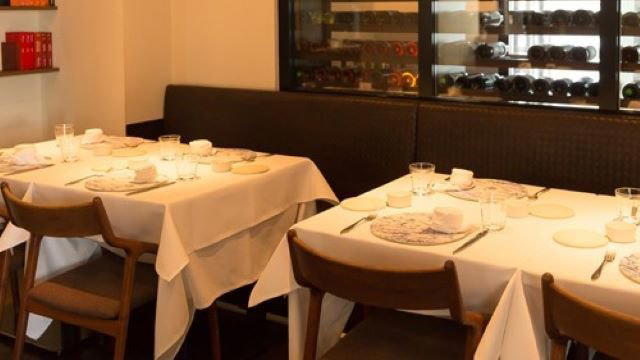
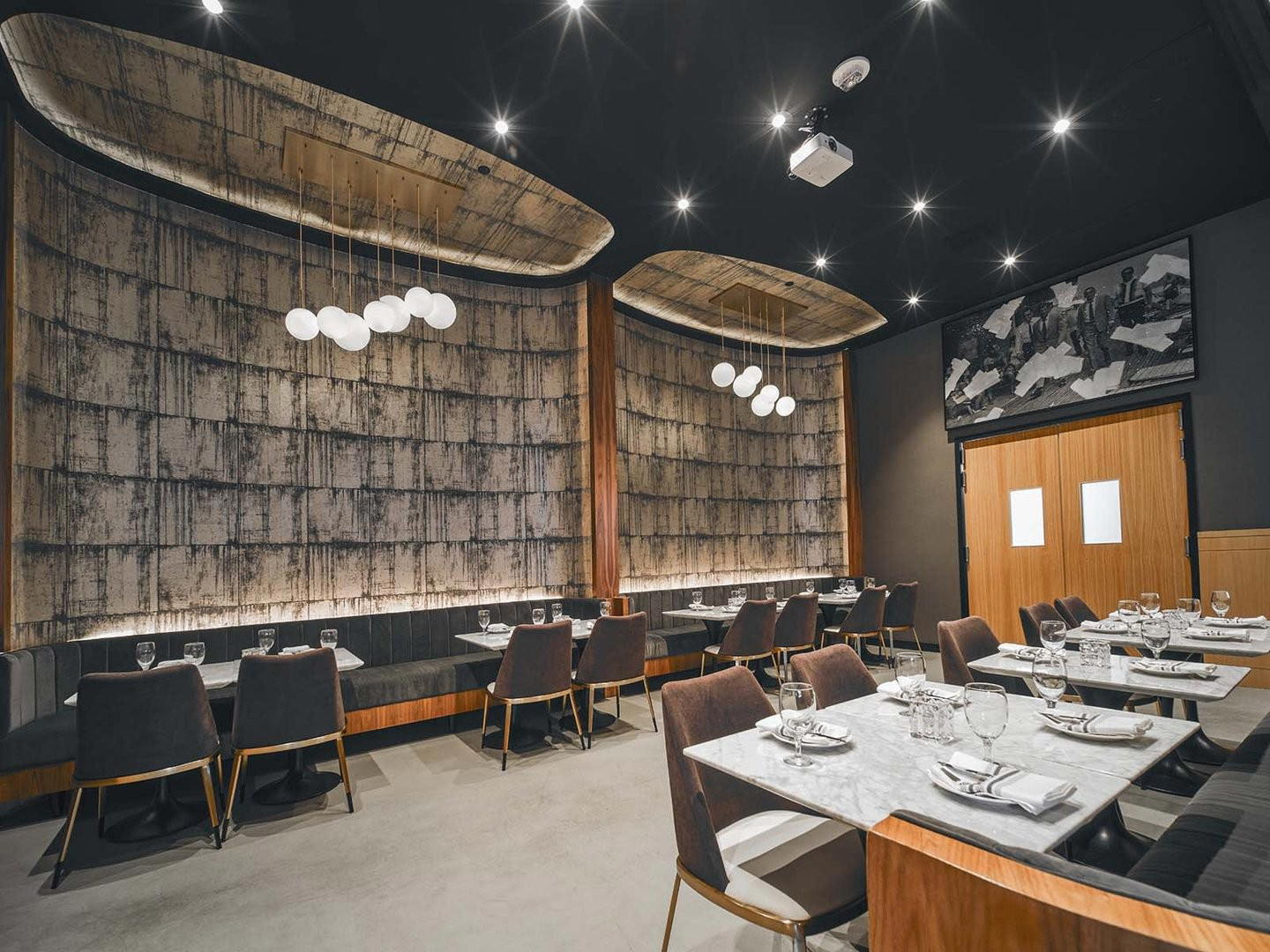
Informal izakaya-style atmosphere focused on hearty seafood rice bowls, with a simple dine-in setting rather than a design-driven interior.