
1 Michelin Star
Our verdict
Gasthaus Jakob holds a Michelin star in Perasdorf, Lower Bavaria, a rural setting that makes the kitchen's classical ambition all the more pointed. Under chef Michael Klaus Ammon, the restaurant operates within a tight, focused format that places serious cooking far outside Germany's major dining corridors.

Pearl is the En Primeur Club membership app, where members save venues, book tables and use the concierge.
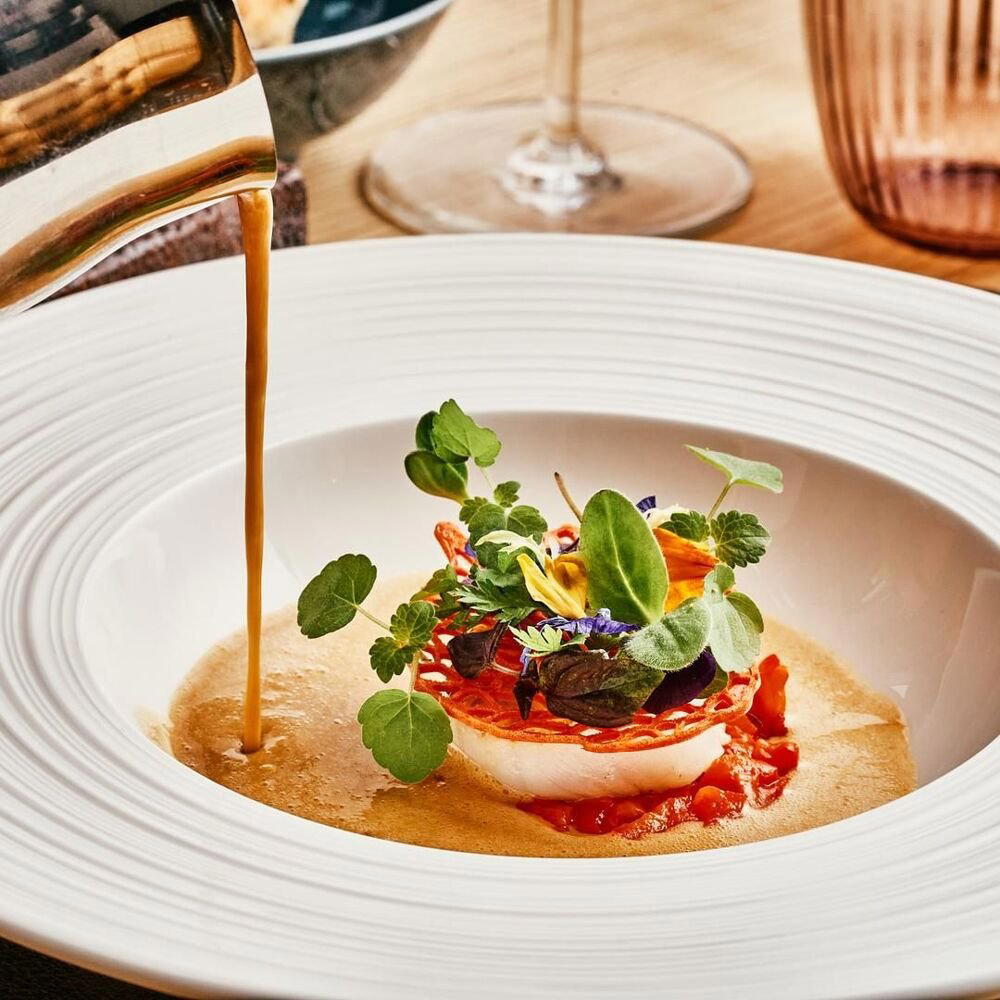
The menu
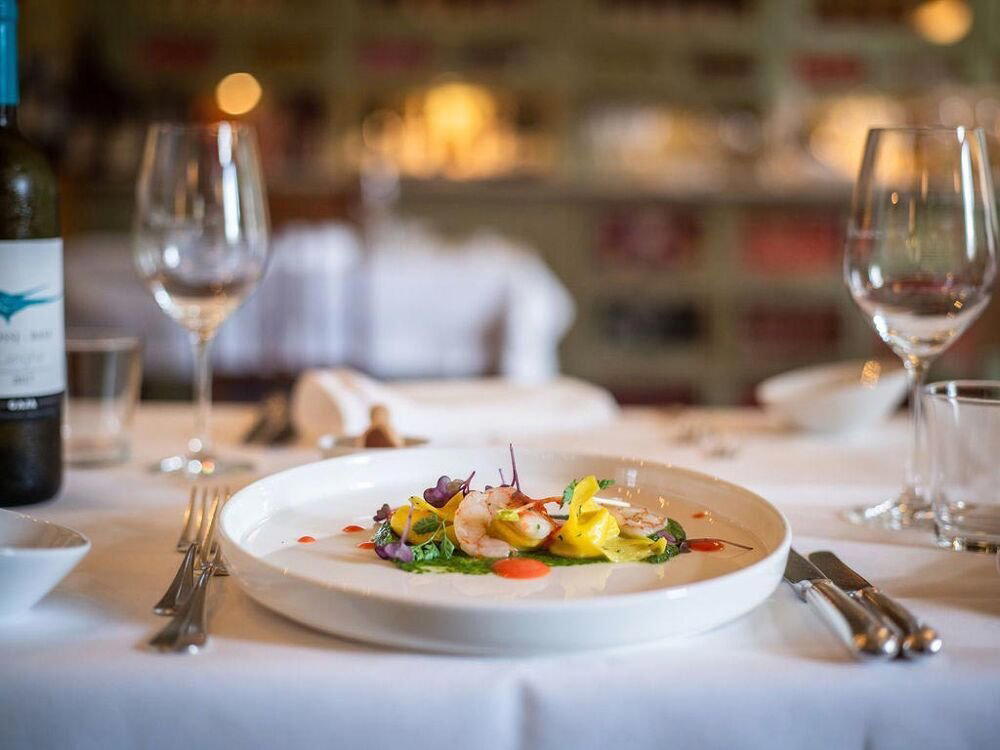
What to order
- Kalbstartar mit Leinen Linsen und Trüffelessenz
- Nudeln mit Trüffeln und Trüffelschaum
- Vacherin Mont d'Or
A Star in the Bavarian Countryside
Rural Bavaria does not typically appear on the mental map of serious German fine dining. The conversation tends to run through Munich's dense restaurant corridor, south towards the Alpine fringe where ES:SENZ in Grassau operates, or further afield to the landmark kitchens of the Black Forest, including Schwarzwaldstube in Baiersbronn. Perasdorf, a small municipality in the Straubing-Bogen district of Lower Bavaria, sits conspicuously outside that geography. Which makes the address at Haigrub 19, a farmhouse-scale gasthaus that has held a Michelin star in both 2024 and 2025, worth understanding on its own terms.
Arriving in Perasdorf, the physical scale resets expectations. This is not the urbane minimalism of a city fine-dining room, nor the theatrical countryside manor that Germany's grander rural destinations sometimes deploy. The gasthaus format, by definition, sits within the tradition of the inn: a place that has always fed locals and travellers in the same room, without drawing a hard line between the two. What Gasthaus Jakob represents is the application of serious classical kitchen discipline to that domestic register, an approach that has become more, not less, interesting as German fine dining has fractured between metropolitan concept restaurants and destination hotels.
Classical Cooking and Its Current Position in Germany
The cuisine designation here is Classic Cuisine, a category that carries specific implications in the current German restaurant scene. Germany's Michelin-starred tier has diversified significantly over the past decade. At one end sit the technically ambitious multi-concept restaurants like Aqua in Wolfsburg, where German, Italian, and Japanese influences run in parallel. At the other, deeply French-inflected classical programs persist in houses like Vendôme in Bergisch Gladbach and Waldhotel Sonnora in Dreis. Classic Cuisine in this context implies a kitchen organised around technique and tradition rather than provocation, sauces built over time, protein treated with precision, courses sequenced according to a logic that predates the tasting-menu era's more disruptive architectures.
That position is not a retreat from ambition; it is a choice about which arguments the kitchen wants to make. A one-star rating held across two consecutive years in a remote rural address signals that Michelin's inspectors found the proposition coherent and the execution consistent. In Germany's starred universe, consistency across rural addresses with limited infrastructure is harder to maintain than in cities where supplier networks are dense and a deep pool of trained kitchen labour is available. The two-year run here speaks to operational discipline as much as culinary vision.
For comparison, restaurants like Schanz in Piesport and Bagatelle in Trier demonstrate how serious cooking has found homes in Germany's smaller towns and wine regions, locations where the draw is not metropolitan density but a particular kitchen's sustained focus. Gasthaus Jakob belongs to that pattern, though its Bavarian farmhouse register gives it a different character from the wine-country restaurants of the Mosel.
Michael Klaus Ammon and the Shape of the Kitchen
Chef Michael Klaus Ammon leads the kitchen. In the editorial tradition that treats chef biography as evidence for a broader argument rather than as the story itself, what matters about Ammon's presence here is what it implies about Gasthaus Jakob's position in the classic-cuisine conversation. Running a Michelin-starred kitchen in a rural Bavarian gasthaus is a specific professional choice, one that prioritises ownership of a format and a place over the career visibility that comes with high-profile urban postings.
This pattern recurs across Germany's rural starred addresses. JAN in Munich and KOMU in Munich operate within a city that rewards visibility; a restaurant like Gasthaus Jakob operates in a different economy entirely, one where the local audience is smaller but the commitment tends to be longer-term, and where the kitchen's reputation is built almost entirely on the plate rather than on media adjacency.
Classical training in the European sense, whether routed through the French brigade tradition, German hotel-school programs, or the kind of apprenticeship structures that remain active in Bavaria, produces a specific technical vocabulary: mother sauces, classical butchery, the discipline of mise en place as an organising principle for the day. A kitchen committed to Classic Cuisine at starred level is one in which those foundations are not treated as starting points to be dismantled but as the ongoing subject of refinement. That is a less fashionable position than it was in the 1990s, and perhaps more interesting for it.
The Gasthaus Format as Fine Dining Context
The gasthaus as a format occupies a distinct position in German hospitality. Unlike the French auberge or the British country house hotel, the gasthaus carries a democratic social expectation, the room should work for a regular Tuesday as well as for a special occasion. At the starred level, that creates an interesting friction. The price point here is €€€€, placing Gasthaus Jakob at the same tier as Germany's multi-starred rooms and peer addresses like Restaurant Haerlin in Hamburg and Victor's Fine Dining by Christian Bau in Perl. That pricing inside a gasthaus format, rather than a purpose-built fine dining room, says something about the kitchen's confidence in what it is doing.
Internationally, the closest analogies are the French bistronomy movement or, in Paris, places like Maison Rostang, where a domestic register and serious classical ambition share the same address without apparent contradiction. The argument these restaurants make is that format should not determine aspiration, that a room with wooden furniture and a regional wine list can be the correct setting for cooking that demands close attention.
Planning a Visit to Perasdorf
Perasdorf sits in Lower Bavaria, accessible from Straubing (roughly 20 kilometres to the northwest) and within reasonable driving distance of Regensburg. There is no direct rail connection to the village, so arriving by car is the practical approach for most visitors. Given the rural location and the €€€€ pricing, this is a destination visit by definition, guests do not drop in on Gasthaus Jakob incidentally. Advance booking is advisable, as a single-kitchen operation in a small format will have limited covers on any given service.
For those planning an extended trip through this part of Bavaria, our full Perasdorf restaurants guide provides broader context across the local dining scene, alongside our guides to Perasdorf hotels, bars, wineries, and experiences in the area. Lower Bavaria as a region sits at the intersection of Bavarian forest walking territory and the Danube corridor, the restaurant makes more sense as part of a longer regional itinerary than as a standalone day trip. The same logic that drives visits to CODA Dessert Dining in Berlin or any other destination kitchen applies here: the cooking justifies the travel, but the travel benefits from a broader plan.
Frequently asked questions
Is Gasthaus Jakob good for families?
At €€€€ pricing in a Michelin-starred room in rural Perasdorf, this is a destination built for guests focused on the cooking rather than a flexible family outing. Young children would be out of place in that context. Adults travelling together specifically to eat well in Lower Bavaria are the natural audience.
How would you describe the vibe at Gasthaus Jakob?
The gasthaus format sets expectations that a conventional fine dining room does not: the architecture and name signal something rooted in regional hospitality rather than metropolitan formality. Two consecutive Michelin stars (2024 and 2025) confirm the cooking operates at a different level than the setting might initially suggest. Think serious food in an unassuming room rather than white-tablecloth theatre.
What kind of recognition has Gasthaus Jakob received?
Gasthaus Jakob has received recognition including: Michelin 1 Star (2025); Michelin 1 Star (2024).
What dish is Gasthaus Jakob famous for?
No single signature dish appears in documented sources. The Michelin recognition across 2024 and 2025 points to consistency across the menu under chef Michael Klaus Ammon rather than any one set piece. Classic Cuisine as a designation signals technique-forward cooking rooted in established culinary tradition, which typically means the kitchen's reputation rests on execution depth rather than a single showstopper plate.
Fast Comparison
| Venue | Cuisine | Price | Awards | Notes |
|---|---|---|---|---|
| Gasthaus JakobThis venue (the venue you are viewing) | Modern German Fine Dining | $100–150 | 1 Michelin Star | Not listed |
| Schwarzwaldstube | Modern French Fine Dining | $150–200 | 3 Michelin Stars · World's 50 Best #47 | French, Classic French |
| Aqua | Contemporary German, Italian/Japanese, Creative | Not listed | Michelin 3 Star | Not listed |
| CODA Dessert Dining | Dessert-Inspired Fine Dining | $200–300 | 2 Michelin Stars · World's 50 Best #79 | Creative |
| Tantris | Modern French, French Contemporary | Not listed | Michelin 2 Star | Not listed |
| Vendôme | Modern German Haute Cuisine | $200–300 | 2 Michelin Stars · World's 50 Best #47 | Modern European, Creative |
Recognition history
Dated appearances from independent guides and award organizations, with the underlying list record or original source where available.
Michelin 1 Star
Michelin
Full recognition history (3 entries)
Michelin 1 Star
Michelin
Michelin 1 Star
Michelin
Continue exploring
More in Perasdorf
Restaurants in Perasdorf
All restaurants in Perasdorf →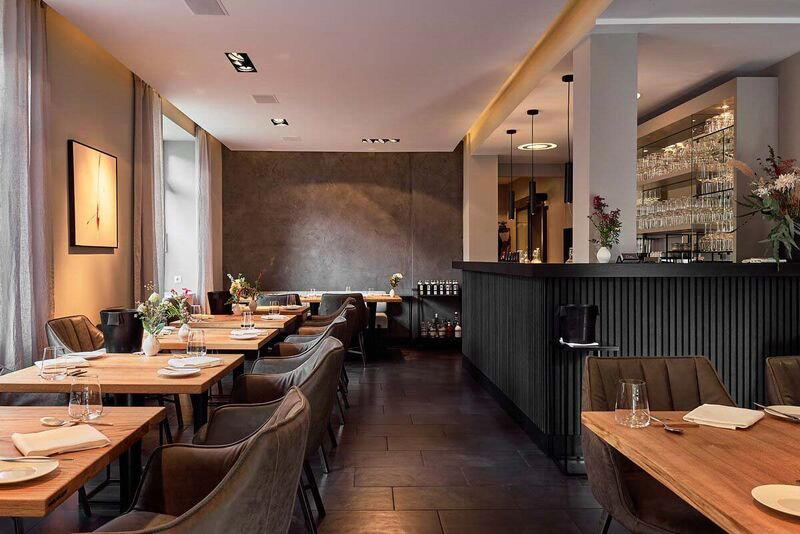
Hotels in Perasdorf
Browse all →
Wineries in Perasdorf
Browse all →
Gasthaus Jakob
The wine
- Wine program
- Deep wine list
- Extensive wine list
- Sommelier-led
Details
- Cozy
- Rustic
- Elegant
- Intimate
- Date Night
- Special Occasion
- Terrace
- Extensive Wine List
- Sommelier Led
- Local Sourcing
- Set Menu
- Vegetarian Friendly
Current opening hours
- Monday
- Closed
- Tuesday
- Closed
- Wednesday
- 6 PM–12 AM
- Thursday
- 6 PM–12 AM
- Friday
- 6 PM–12 AM
- Saturday
- 6 PM–12 AM
- Sunday
- 12–3 PM
Hours can change for holidays and private events. Hours as of .
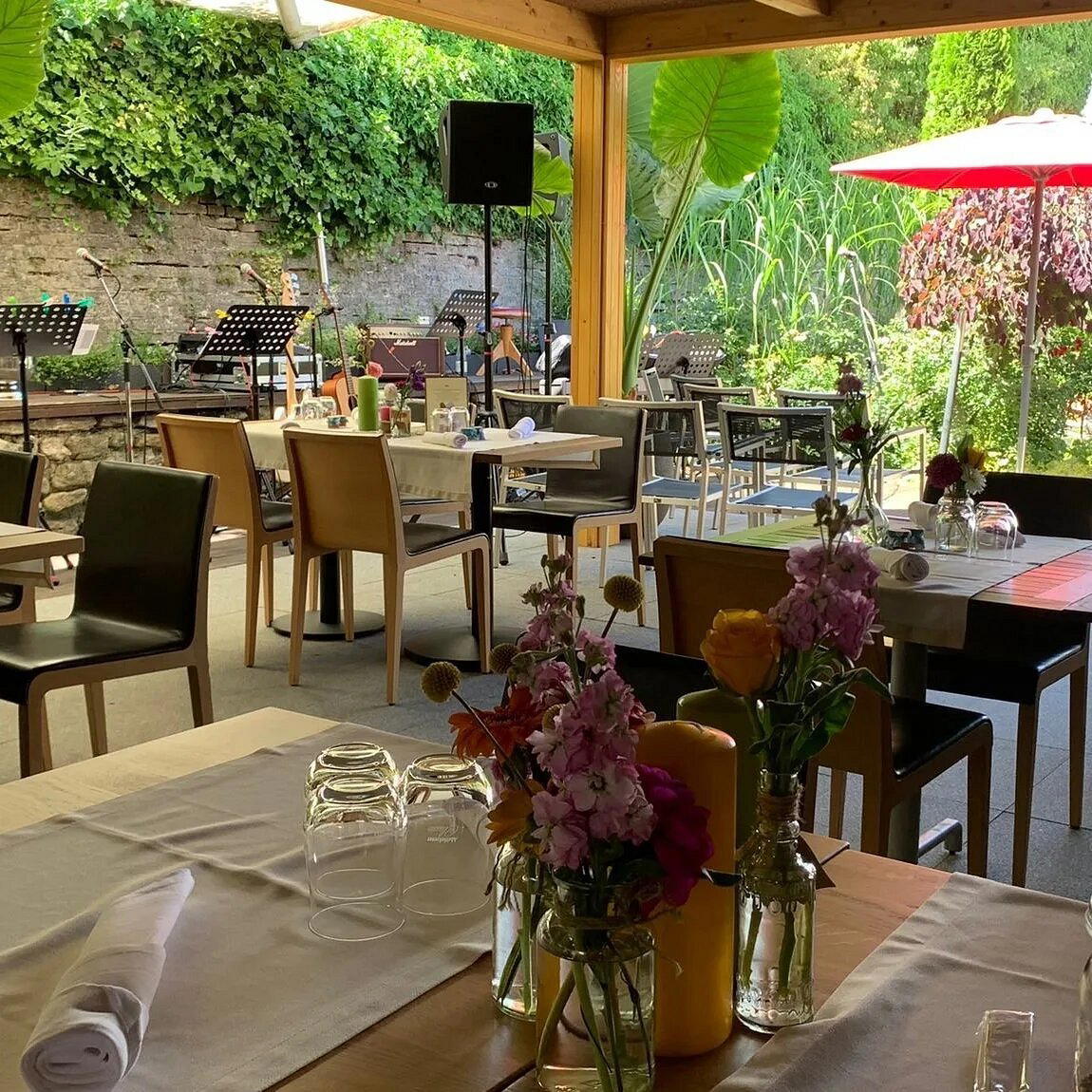
Refined interior with warm wood combining modern style and regional charm, creating a cozy and lovely atmosphere.