[KOOK] 36

[KOOK] 36 holds a Michelin star in Deggendorf, a Lower Bavarian market town that most fine-dining circuits overlook entirely. The modern cuisine format at Oberer Stadtplatz 18 runs at the €€€€ tier, placing it against regional heavyweights rather than local competition.
- Address
- Oberer Stadtpl. 18, 94469 Deggendorf, Germany
- Phone
- +49 991 99599913
- Website
- kook36.de
 Saves & bookings on Pearl
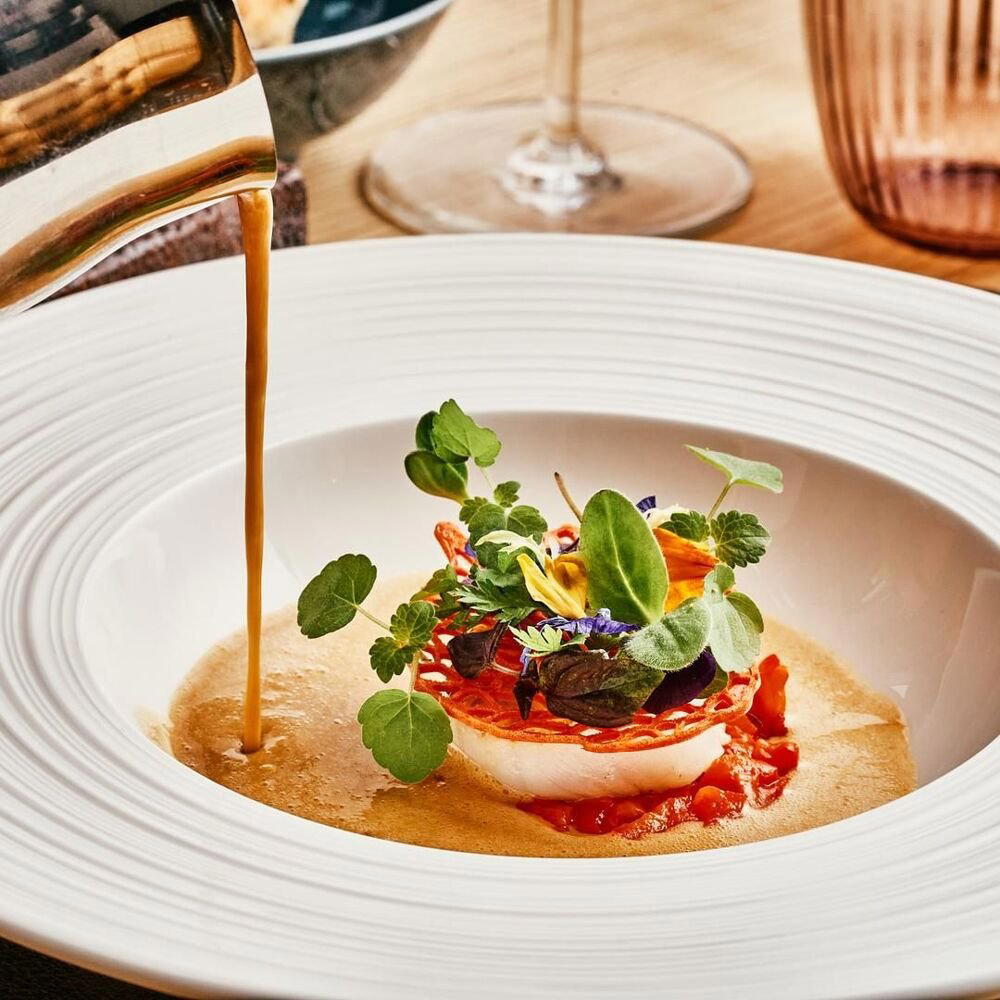
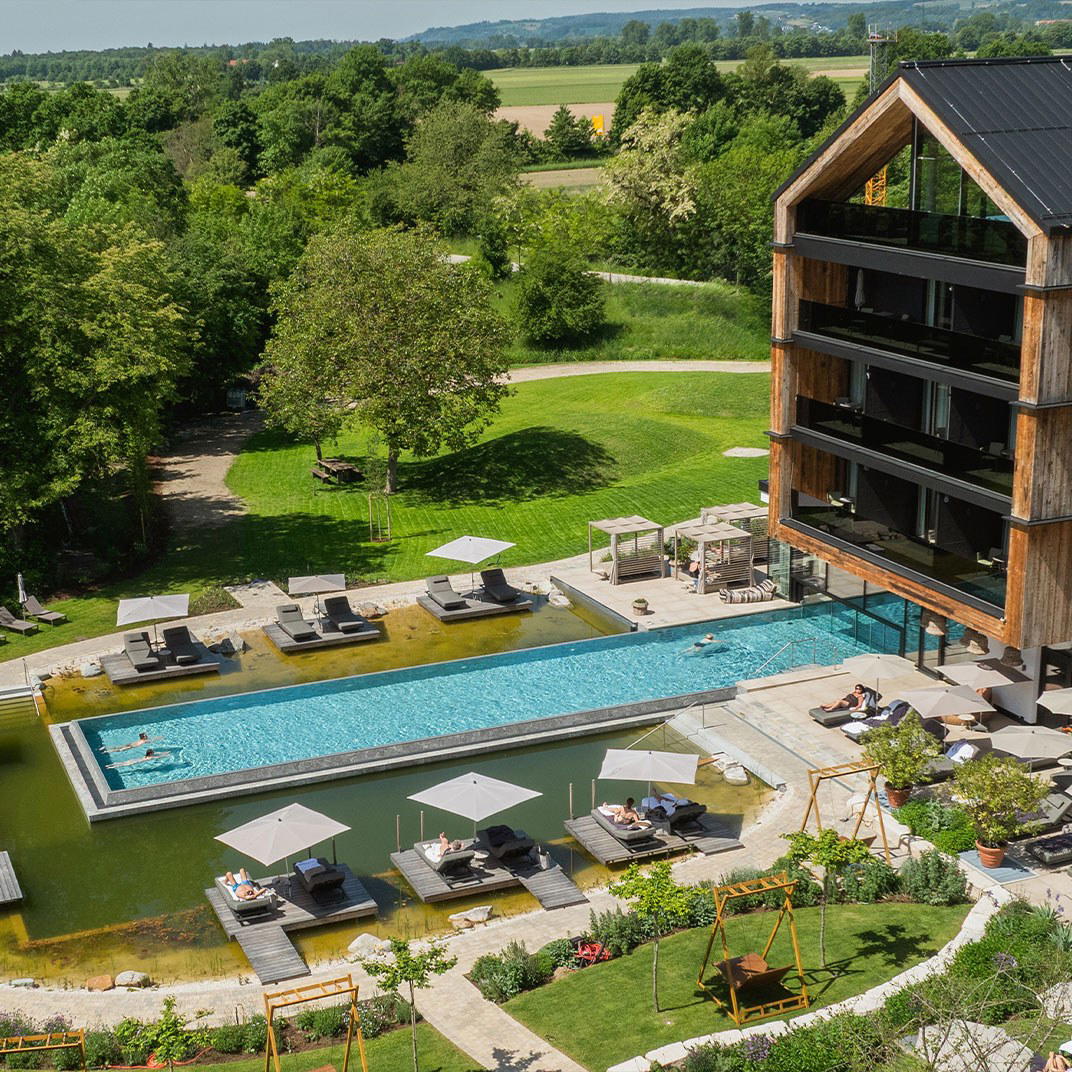
![[KOOK] 36 restaurant in Deggendorf, Germany](https://cdn.enprimeurclub.com/storage/v1/object/public/images/locations/rectFH68zugLJ4zVS/hero1.jpg?width=3840&quality=75)
A Michelin Star at the Edge of Lower Bavaria
Deggendorf sits where the Danube bends south toward Austria, flanked by the Bavarian Forest on one side and the rolling agricultural plain on the other. [KOOK] 36 interrupts that narrative. A Michelin star awarded in 2024 at Oberer Stadtplatz 18 places this kitchen squarely inside a national conversation it was not previously expected to join.
What makes that placement interesting is the context. Lower Bavaria produces excellent raw ingredients, river fish from the Danube tributaries, game from the Bavarian Forest, dairy and root vegetables from farms that supply Munich’s wholesale markets, yet the region has historically exported those ingredients rather than refining them in place. A modern cuisine kitchen earning Michelin recognition here signals something about how sourcing geography is beginning to shape where serious cooking happens, not just what ends up on the plate.
Modern Cuisine in a Market-Town Setting
The address is the upper town square, Oberer Stadtplatz 18, which places [KOOK] 36 at the civic centre of a working Bavarian market town rather than inside a resort hotel or urban dining district. That distinction matters. Across Germany, the Michelin one-star tier increasingly includes restaurants that operate outside the usual metropolitan or spa-resort clusters. ES:SENZ in Grassau is one comparable example at the Alpine edge of Bavaria. The pattern suggests that sourcing advantage, proximity to specific ingredients, can substitute for metropolitan foot traffic as a business rationale, provided the kitchen is technically capable of converting that access into a dining experience that justifies the price tier.
At €€€€, [KOOK] 36 prices at the same level as multi-star operations including Aqua in Wolfsburg and Vendôme in Bergisch Gladbach, restaurants that carry two and three Michelin stars respectively. That pricing bracket is a statement of intent: the kitchen is not positioning itself as a regional curiosity but as a peer of Germany’s most recognised fine-dining rooms.8 from 192 reviews supports the argument that the room is meeting those expectations with a consistent frequency.
Sourcing as Structure
Modern cuisine, as a format, covers a range of kitchen philosophies, but in its current German iteration it tends to share a few structural commitments: seasonal menus built around what is available from specific suppliers rather than around fixed signature dishes, a strong preference for local and regional provenance, and a technical approach that transforms rather than disguises primary ingredients. The Bavarian Forest and the Danube corridor provide a particularly well-stocked larder for that approach.
Game from managed forest land, venison, wild boar, hare, arrives at kitchens like this in a condition that is simply not replicable through distribution chains that serve city restaurants. The same applies to freshwater fish: Danube tributaries in this region still support populations of fish that rarely appear on menus in Munich, let alone Hamburg. River crayfish, grayling, and seasonal trout are sourced within distances that allow kitchen teams to specify harvest timing and handling in ways that change what the product is when it reaches the pass. The difference is not subtle. Texture, fat content, and flavour intensity in freshwater fish correlate directly with water temperature, diet, and time elapsed since catch, variables that only close sourcing relationships allow a kitchen to manage.
Dairy from smaller Bavarian Forest farms, root vegetables from alluvial river-plain soils, and foraged material from managed woodland all reinforce the sourcing case. In this respect [KOOK] 36 belongs to a broader shift in how German fine dining justifies location: the kitchen is where it is partly because the ingredients are where they are. Comparisons can be drawn to JAN in Munich, which has built a similarly sourcing-conscious modern cuisine program, or to Waldhotel Sonnora in Dreis, where the kitchen’s position in the Eifel agricultural corridor informs the menu’s structure. The logic in Deggendorf is analogous, applied to a different bioregion.
Where [KOOK] 36 Sits in the German Fine-Dining Picture
Germany’s one-star tier is large and varied. The 2024 Michelin Guide includes kitchens across the full spectrum of styles, formats, and price points. Within that tier, restaurants operating modern cuisine formats at €€€€ occupy a smaller and more competitive subset. They are evaluated not only against other one-star rooms but implicitly against the two-star cohort, kitchens like CODA Dessert Dining in Berlin and restaurants within the orbit of Restaurant Haerlin in Hamburg, that define the ceiling of expectation at their price level.
Internationally, the modern cuisine format at this tier benchmarks against ambitious Nordic and northern European programs. Frantzén in Stockholm and its export, FZN by Björn Frantzén in Dubai, represent one end of that spectrum, where format discipline, sourcing narrative, and technical precision have been packaged for international audiences. The restaurant operates at the opposite geographic scale, local, specific, and deliberately rooted, but the underlying kitchen logic shares more with that northern European tradition than with classic French fine dining. Meanwhile, Victor’s Fine Dining by Christian Bau in Perl demonstrates how a German kitchen at the outer edge of a region can build sustained Michelin recognition over time, which is the trajectory the restaurant has now entered.
For anyone assembling an itinerary around Deggendorf’s restaurant scene more broadly, the town also offers edl.eins as a secondary option in the same market.
Planning a Visit
Deggendorf is accessible by train on the Munich-Passau main line, with journey times from Munich central station running approximately 90 minutes depending on the service. Arriving by car from the A3 Autobahn is direct, with Deggendorf connected directly via the A92. Oberer Stadtplatz is the historic centre of town; parking is available in the immediate area. Given the Michelin star awarded in 2024 and a price tier that positions this as destination dining, advance booking is advisable.
What Regulars Order
What the modern cuisine format and sourcing geography suggest, however, is that the kitchen’s seasonal rotations would lean heavily on Bavarian Forest game in autumn and winter, freshwater fish from local waterways through the warmer months, and dairy-forward preparations when regional Alpine and forest-edge farms are at peak production. In this format, the tasting menu structure, the format most associated with Michelin-starred modern cuisine rooms at this price level, is the vehicle through which the kitchen’s sourcing choices become legible to the diner. Regulars at kitchens like this tend to return precisely because the menu changes when the sourcing changes; there is no fixed anchor dish to return to, only the kitchen’s current read on what the season and the suppliers have made possible. That is the distinctive appeal of the format, and the reason a 4.8 rating held across nearly 200 reviews is a more meaningful signal here than at a restaurant with a static, repeatable menu.
How It Stacks Up
Comparable venues nearby, for context on price, style, and recognition.
| Venue | Cuisine | Price | Awards | Notes |
|---|---|---|---|---|
| [KOOK] 36 | Modern Pan-Asian Fine Dining | $$$$ | Michelin 1 Star | Deggendorf |
| edl.eins | Modern French Fine Dining | $$$$ | Michelin 1 Star | Deggendorf |
| ROTER HAHN by Maximilian Schmidt | Modern Fusion Fine Dining | $$$$ | Michelin 1 Star | Altstadt |
| Leos by Stephan Brandl | Modern German Fine Dining | $$$$ | Michelin 1 Star | Liebenstein |
| Gabelspiel | Modern Fusion Fine Dining | $$$$ | Michelin 1 Star | Au |
| Michaels Leitenberg | Modern Bavarian Fine Dining | $$$$ | Michelin 1 Star | Frasdorf |
Recognition history
Dated appearances from independent guides and award organizations, with the underlying list record or original source where available.
Michelin 1 Star
Michelin
Continue exploring
More in Deggendorf
Restaurants in Deggendorf
Browse all →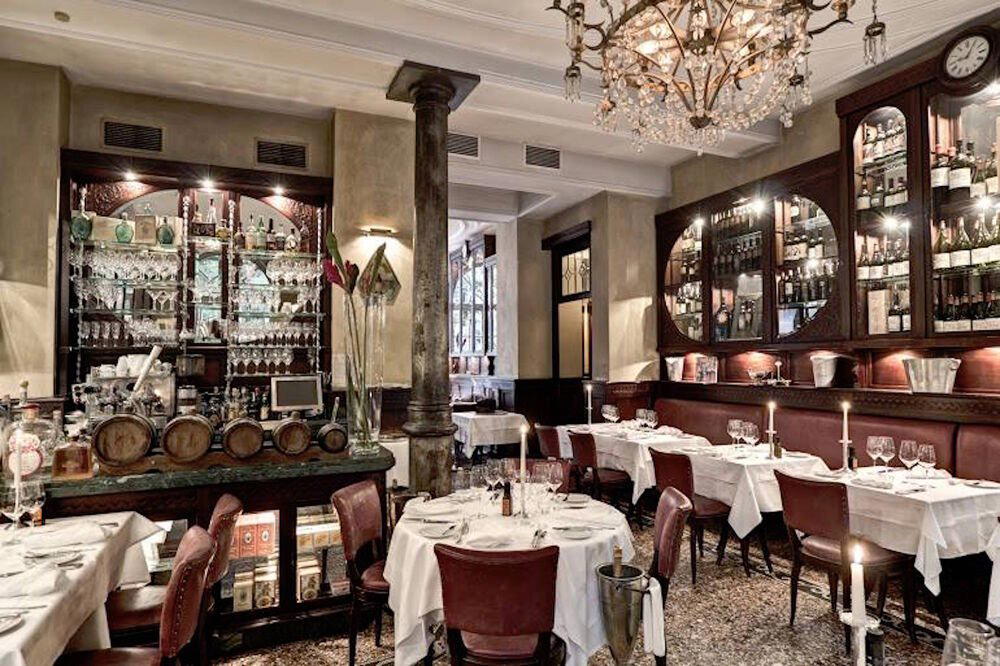
At a Glance
- Elegant
- Modern
- Rustic
- Sophisticated
- Special Occasion
- Date Night
- Celebration
- Open Kitchen
- Extensive Wine List
- Sommelier Led
- Local Sourcing
Current opening hours
- Monday
- Closed
- Tuesday
- Closed
- Wednesday
- 6:30–11:30 PM
- Thursday
- 6:30–11:30 PM
- Friday
- 6:30–11:30 PM
- Saturday
- 6:30–11:30 PM
- Sunday
- Closed
Hours can change for holidays and private events. Last verified .
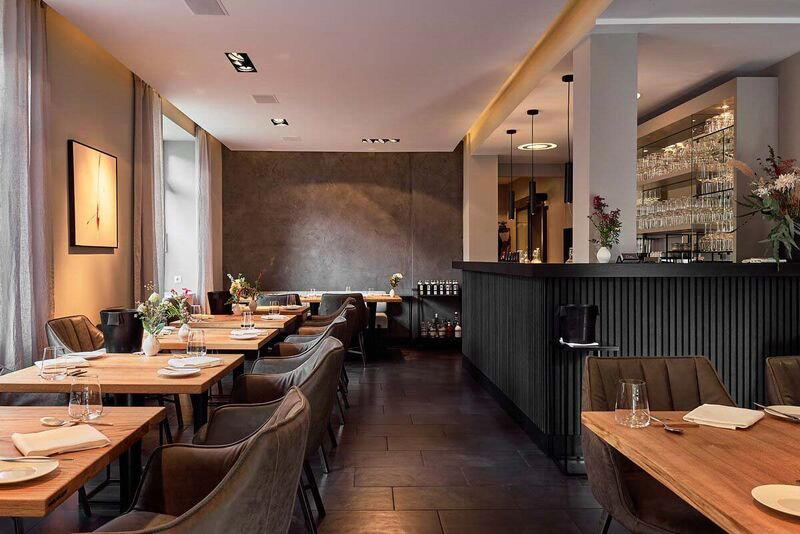
Modern rustic setting with stylish yet relaxed atmosphere, creating a sophisticated dining environment.