Buchner Welchenberg 1658

1 Michelin Star
Our verdict
Buchner Welchenberg 1658 holds a Michelin star in the small Bavarian town of Niederwinkling, where Chef Bernd Bachofer delivers modern cuisine at the €€€€ tier. For serious diners travelling through Lower Bavaria, it is the area's clearest reference point for contemporary fine dining.

Pearl is the En Primeur Club membership app, where members save venues, book tables and use the concierge.
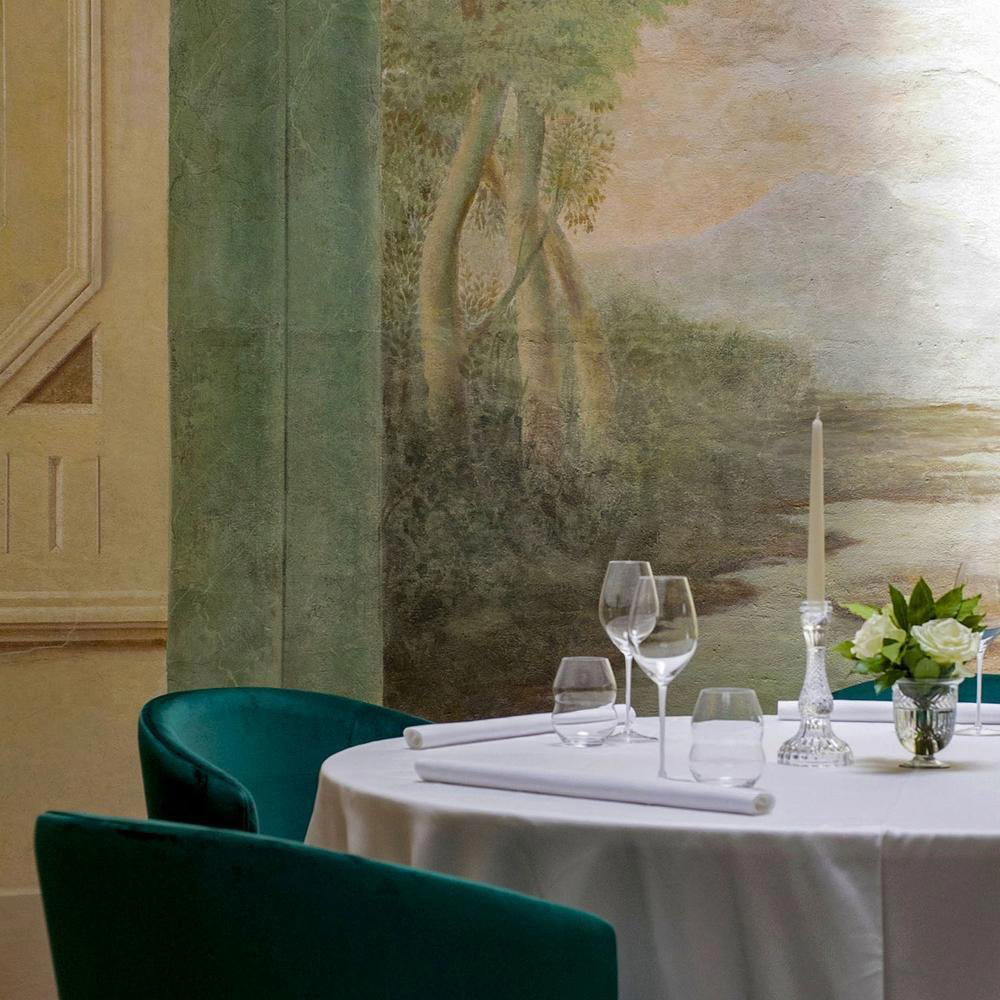
Fine Dining at the Rural Edge of Lower Bavaria
Rural Germany has always produced a quiet category of Michelin-starred restaurants that operate far from the gravitational pull of Munich or Hamburg. These are places where the surrounding farmland, the relative quiet of small-town life, and the absence of urban competition create a particular kind of dining focus. Buchner Welchenberg 1658, located at Freymannstraße 15 in Niederwinkling, belongs to that tradition. The town sits in Lower Bavaria's Deggendorf district, a region more associated with the Bavarian Forest and agricultural land than with fine dining destination traffic. That context matters, because the restaurant has held a Michelin star in both 2024 and 2025, a two-year consistency record that separates it from one-time recognition and places it firmly within Germany's sustainable, non-metropolitan fine dining tier.
The €€€€ price positioning tells its own story. At that bracket, Buchner Welchenberg 1658 competes in price signal with restaurants operating in far larger markets: think JAN in Munich, or the rural but destination-grade ES:SENZ in Grassau.
The Chef's Formation and What It Produces
Germany's Michelin one-star tier is competitive in ways that are easy to underestimate. The country now has a dense network of recognised restaurants, from Black Forest institutions like Schwarzwaldstube in Baiersbronn at three stars, to technically ambitious urban programmes like CODA Dessert Dining in Berlin at two. Within that field, a chef who earns and retains a first star in a market as geographically contained as Niederwinkling is making an argument through execution rather than location advantage.
Chef Bernd Bachofer is the named force behind the kitchen here. Without detailed biographical records to draw on from the venue's public profile, the most reliable signal of his formation is the cooking category itself: modern cuisine at the leading price tier. That classification, combined with back-to-back Michelin recognition, suggests technical training that connects to contemporary European fine dining tradition rather than a strictly regional or rustic register. The broader pattern across Germany's one-star rural restaurants is a chef who has trained in high-volume or multi-starred kitchens elsewhere before returning to or settling in a less trafficked town, bringing a precision toolkit into a quieter setting.
That trajectory has its own editorial interest. Chefs who operate at this level in non-metropolitan settings often produce more focused, less distracted menus than their city counterparts. The pressure to chase trends or fill covers across multiple services is lower. The result, at its finest, is cooking that reflects sustained concentration rather than seasonal repositioning for a rotating urban audience.
How Buchner Welchenberg 1658 Sits in Germany's Fine Dining Map
Germany's Michelin-starred dining is more geographically distributed than the casual observer might expect. Cities anchor the premium conversation, but a meaningful portion of the country's starred addresses are in small towns, villages, or resort regions. Waldhotel Sonnora in Dreis and Schanz in Piesport both operate in communities with no claim to urban scale, yet both carry serious Michelin weight. Victor's Fine Dining by Christian Bau in Perl sits near the French border in a location that requires deliberate planning to reach. Vendôme in Bergisch Gladbach and Restaurant Haerlin in Hamburg represent the urban anchor of that same tier.
Buchner Welchenberg 1658 maps onto the rural-destination sub-category within that structure. Niederwinkling is not a town that generates significant passing fine dining traffic. Guests arrive because the restaurant is the reason for the trip, or because they are already in the Bavarian Forest region and have planned the meal in advance. That dynamic shifts the service contract: the kitchen knows it is cooking for a self-selected audience that has made a deliberate effort to be there. For comparison, Aqua in Wolfsburg occupies a similar logic in Volkswagen's company city, while internationally, Frantzén in Stockholm or FZN by Björn Frantzén in Dubai demonstrate what intentional destination dining looks like at the three-star level.
The 1658 in the restaurant's name warrants a brief note. In the context of a centuries-old building or estate, that date functions as an anchor to place, not just to brand. Many of Germany's rural fine dining addresses are housed in properties with deep local histories, and that architectural or historical frame often shapes the atmosphere in ways that newer urban openings cannot replicate.
Planning a Visit
Niederwinkling is accessible from Straubing, roughly 20 kilometres to the northwest, and sits within reach of the Bavarian Forest's broader regional network. Travellers arriving from Munich can reach the area by train to Straubing and onward by car, or by driving directly, a journey of approximately 130 kilometres. For those combining the meal with a wider Lower Bavaria itinerary, our full Niederwinkling restaurants guide covers the area's other dining options, and our Niederwinkling hotels guide maps suitable accommodation for those staying overnight. Given the €€€€ price tier and Michelin standing, advance booking is advisable; the restaurant's modest local market means it does not run on high daily covers, and the guest list on any given service is likely to be small.
Those building a full regional programme around serious eating can cross-reference our Niederwinkling bars guide, our Niederwinkling wineries guide, and our Niederwinkling experiences guide for context on what surrounds the meal. The Bavarian Forest and Danube corridor offer hiking, cycling, and cultural sites that make the region worth more than a single-night stay for those inclined to build a longer trip around the dinner. Bagatelle in Trier offers a useful comparison point for travellers who frequently combine European rural drives with Michelin-tier dining stops.
Frequently asked questions
What should I expect atmosphere-wise at Buchner Welchenberg 1658?
What's the signature dish at Buchner Welchenberg 1658?
Would Buchner Welchenberg 1658 be comfortable with kids?
At-a-Glance Comparison
| Venue | Cuisine | Price | Awards | Notes |
|---|---|---|---|---|
| Buchner Welchenberg 1658This venue (the venue you are viewing) | Modern French Fine Dining with Japanese & Bavarian Influences | $100–150 | 1 Michelin Star | Not listed |
| Schwarzwaldstube | Modern French Fine Dining | $150–200 | 3 Michelin Stars · World's 50 Best #47 | French, Classic French |
| Aqua | Contemporary German, Italian/Japanese, Creative | Not listed | Michelin 3 Star | Not listed |
| CODA Dessert Dining | Dessert-Inspired Fine Dining | $200–300 | 2 Michelin Stars · World's 50 Best #79 | Creative |
| Tantris | Modern French, French Contemporary | Not listed | Michelin 2 Star | Not listed |
| Vendôme | Modern German Haute Cuisine | $200–300 | 2 Michelin Stars · World's 50 Best #47 | Modern European, Creative |
Recognition history
Dated appearances from independent guides and award organizations, with the underlying list record or original source where available.
Michelin 1 Star
Michelin
Full recognition history (3 entries)
Michelin 1 Star
Michelin
Michelin 1 Star
Michelin
Continue exploring
More in Niederwinkling
Restaurants in Niederwinkling
All restaurants in Niederwinkling →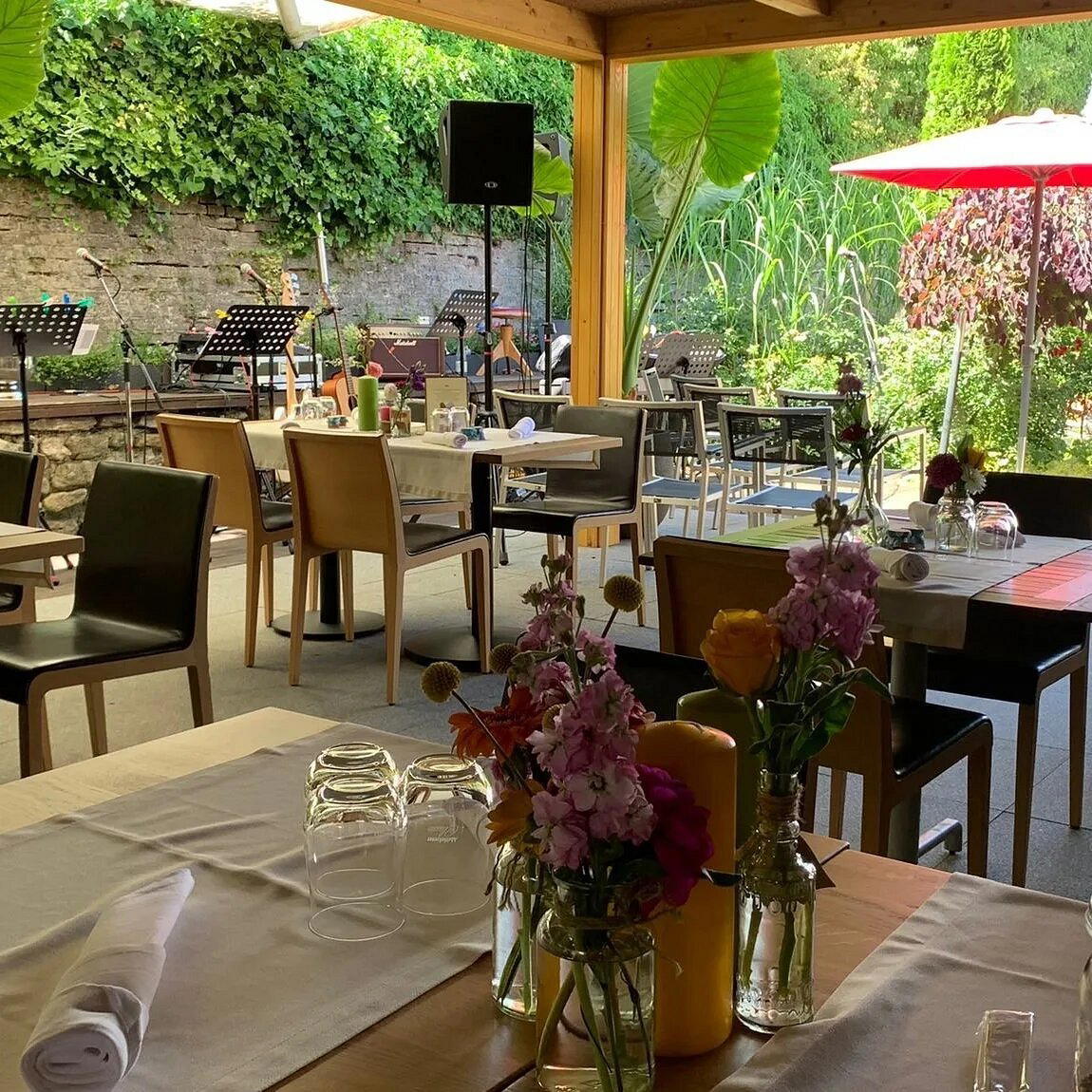
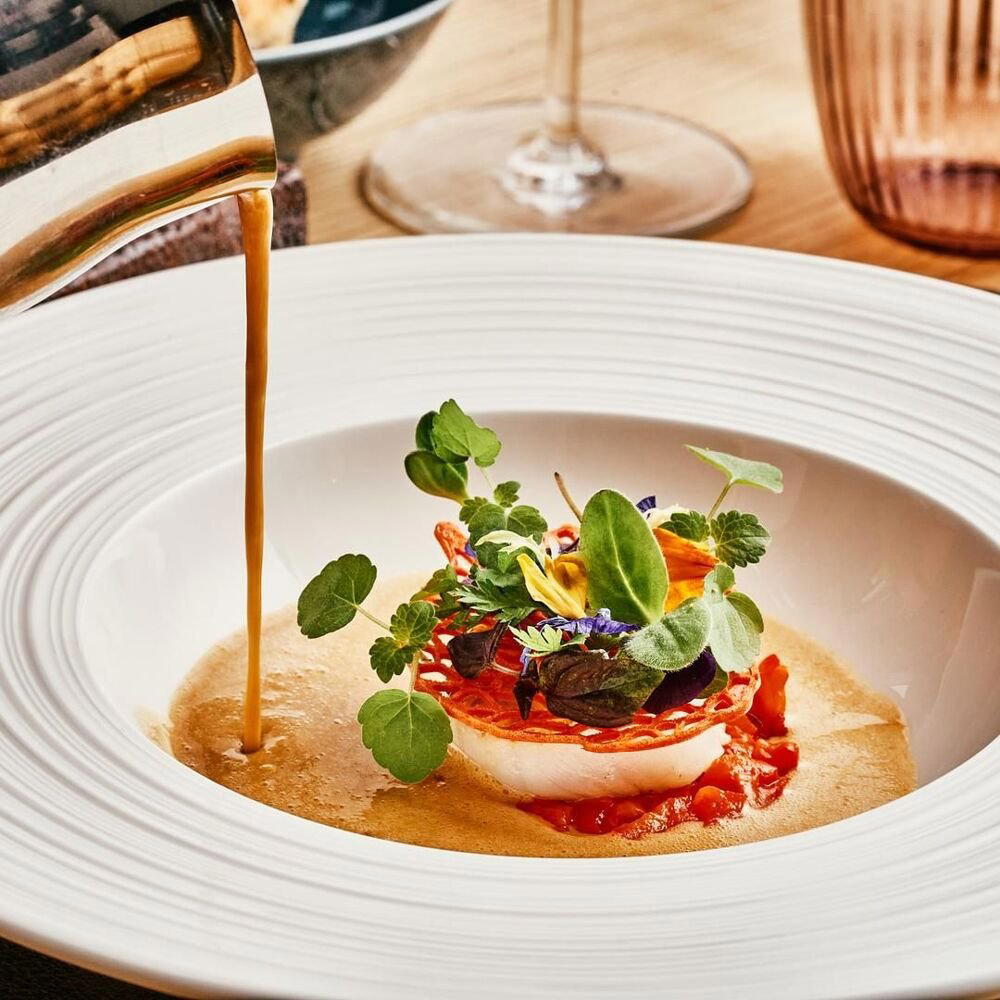
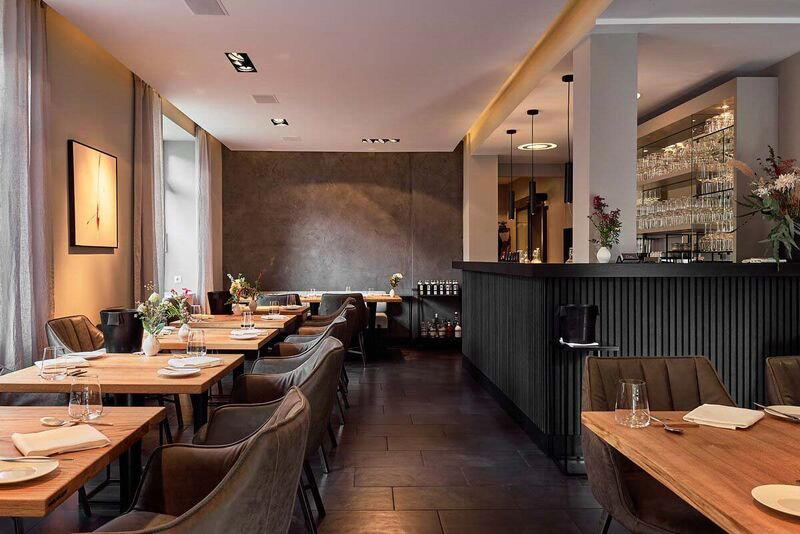
Hotels in Niederwinkling
Browse all →
Wineries in Niederwinkling
Browse all →
Details
- Rustic
- Cozy
- Elegant
- Classic
- Intimate
- Special Occasion
- Date Night
- Celebration
- Historic Building
- Extensive Wine List
- Local Sourcing
- Tasting Menu
- A La Carte
Current opening hours
- Monday
- Closed
- Tuesday
- Closed
- Wednesday
- Closed
- Thursday
- 11:30 AM–2 PM, 5:30–9 PM
- Friday
- 11:30 AM–2 PM, 5:30–9 PM
- Saturday
- 11:30 AM–2 PM, 5:30–9 PM
- Sunday
- 11:30 AM–2 PM, 5:30–9:30 PM
Hours can change for holidays and private events. Hours as of .
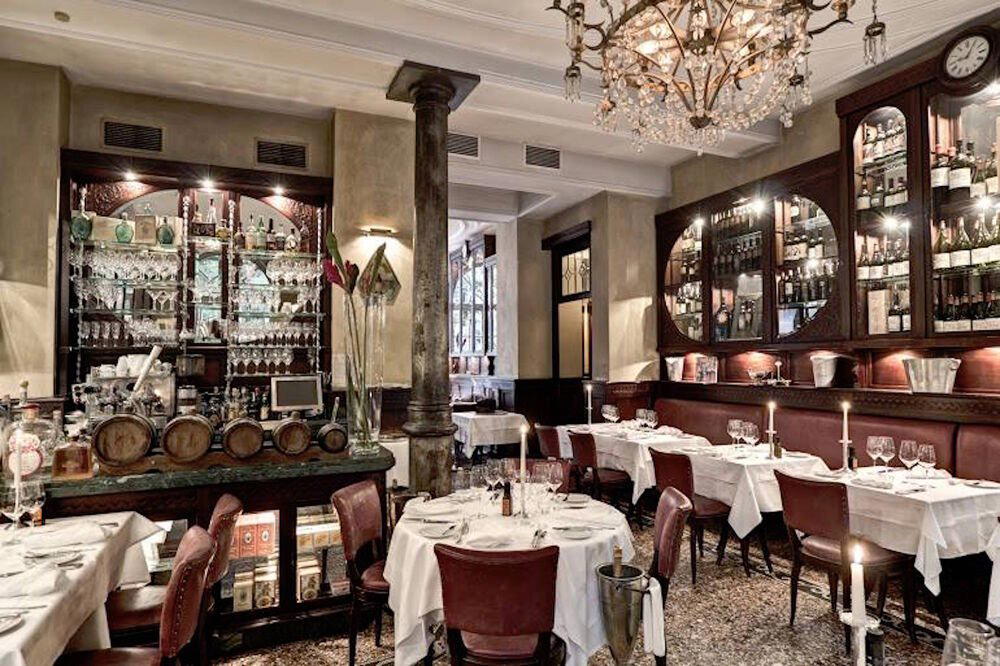
Warm, inviting, and rustic atmosphere in a historic setting with casual elegance.