
Japanese cuisine Ootake gives Seto a serious washoku counter outside the usual Nagoya orbit, with fish-led cooking, sake, and a 10-seat format that rewards diners who prefer quiet precision to spectacle. Its 2025 Tabelog 100 Japanese Cuisine EAST selection places it in a narrow regional bracket, while the house-restaurant setting keeps the experience grounded in Aichi rather than metropolitan performance.
Pearl is the En Primeur Club membership app — saves, bookings, and concierge access live there. Same editors, same standards.
- Address
- 271 Suihokucho, Seto, Aichi 489-0009, Japan
- Phone
- +81 561-48-3351
- Website
- otake.yano.ne.jp
- Directions
- Get directions
 Saves & bookings on Pearl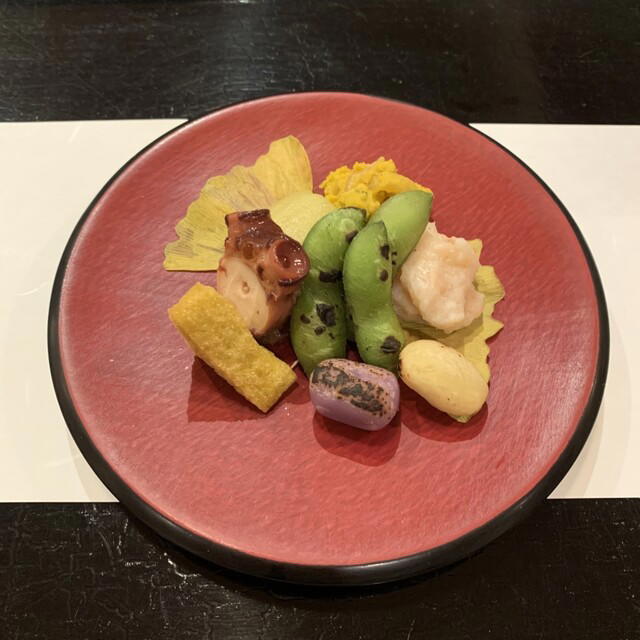
Seto’s ceramic culture changes how a Japanese meal reads. Better known for clay, kilns, and domestic scale than luxury dining theatre, the city suits Japanese cuisine Ootake’s quiet washoku register, where room, vessel, fish, and sake list need not announce themselves. Sourcing and proportion carry the argument: a small counter can say more about a region than a larger room when disciplined cooking avoids decoration for its own sake.
That is the lens for this address. Seto is not a conventional high-spend Japanese cuisine destination, and its rhythm differs sharply from Nagoya’s denser corridors. The local comparison is instructive: Menza Katabutsu shows Seto’s lower-priced, noodle-driven side, while Ootake occupies a narrower lane: Japanese cuisine built around fish, sake, counter seating, and reservation-only service. Readers mapping the city should start with Our full Seto restaurants guide, then widen the itinerary through Our full Seto hotels guide, Our full Seto bars guide, Our full Seto wineries guide, and Our full Seto experiences guide.
Fish, sake, and the Seto argument for small-scale washoku
Fish-led Japanese cuisine outside a major city carries a different burden of proof. In Tokyo or Kyoto, reputation can rest on lineage, scarce counter seats, or a nationally legible chef name. In Seto, the case must come through the meal’s structure: seasonal product, sake-seafood fit, and the confidence to stay small. Ootake’s public positioning is direct: Japanese Cuisine, particular about fish, with sake as the named drink focus. That suggests not banquet-style variety but a controlled sequence where marine product sets the tempo.
The Tabelog 100 Japanese Cuisine EAST 2025 selection is the main external signal. Tabelog’s Hyakumeiten lists are not Michelin stars and should not be read as the same verdict, but in Japan they matter because they surface category specialists beyond the international guidebook circuit. For a 10-seat house restaurant in Seto, inclusion in the Japanese Cuisine EAST list places Ootake among regional peers rather than casual neighborhood dining. The 3.58 score reinforces this: not a mass-consensus crowd magnet, but a specialist address recognized enough to shape travel decisions for diners already interested in washoku.
Ingredient sourcing is the editorial hinge. Japanese cuisine at this level depends less on novelty than coherent procurement. Fish exposes weak sequencing quickly: too many preparations blur the season, too narrow a range feels repetitive. A fish-focused house in Aichi has an advantage if it uses the prefecture’s geography intelligently. The region sits near productive coastal waters and Nagoya distribution networks, while Seto remains inland and slower in tone. That tension, maritime product served in a ceramic city, gives the experience a sharper sense of place than a generic luxury counter.
A counter meal in a city better known for clay than dining theatre
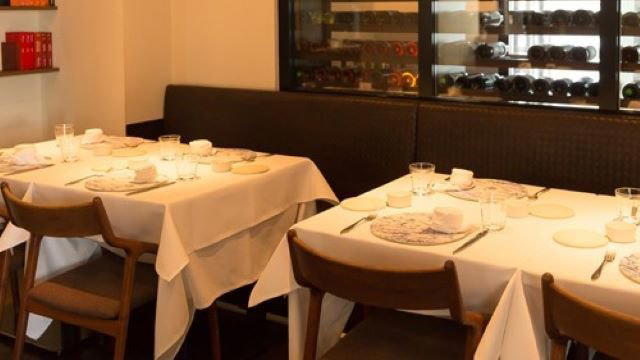
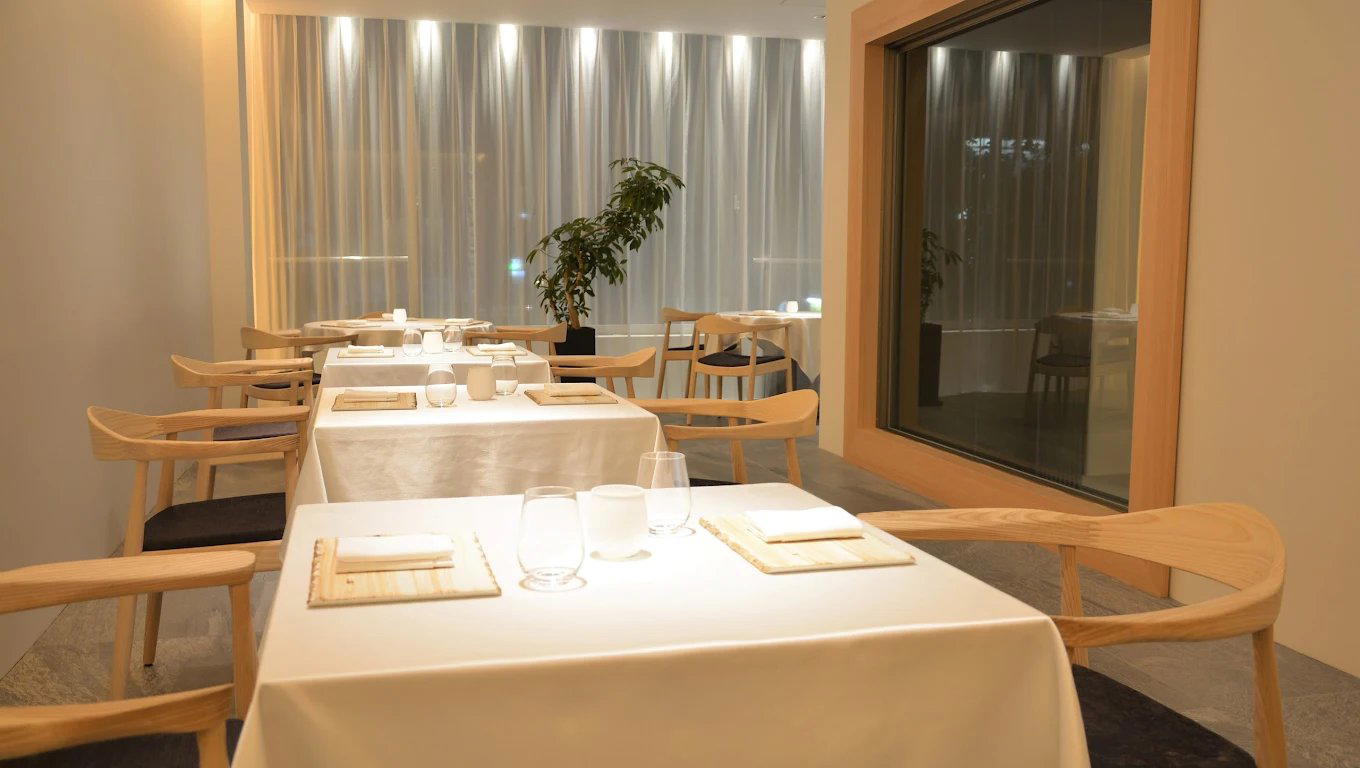
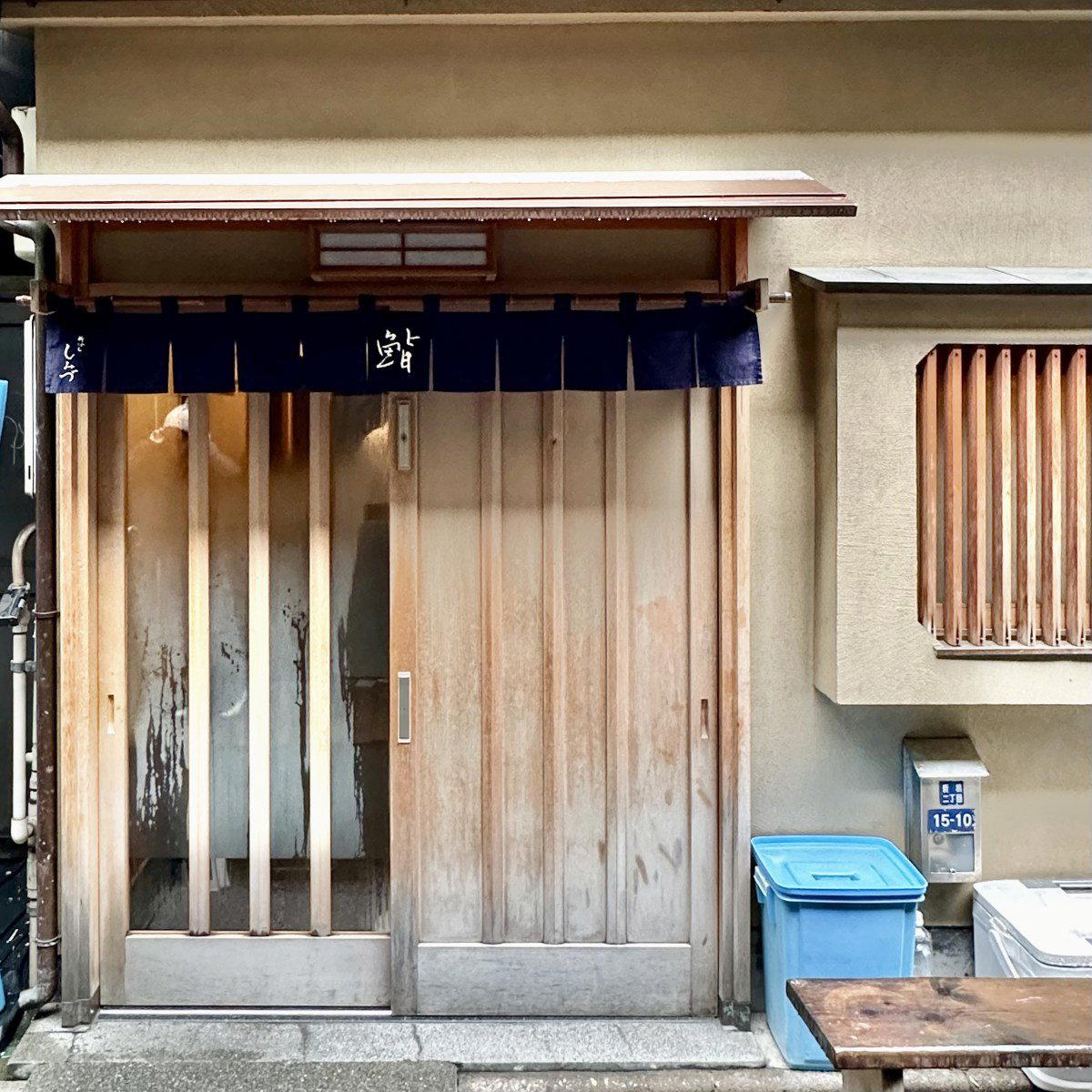
The room matters because the format is unforgiving. Ten seats, counter seating, no private rooms, and no private-use structure create a social contract closer to a workshop than a restaurant floor. Diners are not disappearing into a hotel dining room; they enter a compact house-restaurant where pacing, volume, and attention sit close to the cooking. In Seto, that scale feels natural. The city’s craft identity is built on handmade objects, and a restrained Japanese counter can echo that without making the meal a theme.
Comparisons should stay disciplined. A diner choosing between Seto ramen, a Nagoya day trip, or a formal Japanese meal is not choosing within one category. Menza Katabutsu answers speed, comfort, and lower spend. Ootake asks whether Seto can support destination-level washoku in miniature. Out-of-metro references such as Tashiro, Tonkatsu Shokubo Atsumaru, hape, and Menno Haru may frame regional price and format differences, but not the core appeal: a small fish-oriented Japanese meal in a city whose cultural capital comes from craft rather than nightlife.
For Japan dining routes, that distinction helps. Tokyo supplies density, Kyoto ceremony, and regional cities often supply proportion. Ootake belongs to the last category. It suits diners comfortable with Japanese dining customs, who do not need an English-forward production, and who value fit with city over marquee convenience. The absence of private rooms matters: this is not for a corporate dinner requiring separation from the room, but a compact counter meal where house style is part of the point.
How to place it within a wider Japan itinerary
Seto is easy to underestimate if an itinerary follows only famous urban dining zones. Its value is cumulative: ceramics, neighborhood scale, and restaurants reflecting local habits rather than international demand. Ootake gives the day a serious dining anchor. A ceramics-focused afternoon followed by a fish-led Japanese meal has a cleaner narrative than another metropolitan tasting menu. The practical rhythm favors planning over improvisation, because a reservation-only 10-seat restaurant leaves little room for casual arrival.
Payment and access expectations shape the decision. The restaurant lists parking, fitting the local pattern, and nearest-station context favors diners who have planned the route rather than those drifting between bars. It is also cash-minded: credit cards, electronic money, and QR code payments are not accepted. That friction is not glamorous, but it separates a good regional meal from a smooth urban one. The reward is a more specific reading of Aichi dining: fish, sake, a small counter, and a house setting in a city where craft is not a branding exercise.
For broader Japan planning, EP Club’s restaurant map can connect this regional specialist with different formats elsewhere: -Grilled beef Sukiyaki- KAMAKURA TANUKIAN 鎌倉 たぬき庵 in Kamakura, . 鮪と炭火焼き うお炭 秋葉原店 in Tokyo, .cafe in Osaka.know in Kumamoto, (Shoku) Vietnam in Kawasaki, [Curry Senmon Ten] Maruyama Kyoju. in Sapporo, [ki:] in Kyoto, #肉といえば松田 奈良本店 in Kashihara, 1/3 HAMBURGER FACTORY in Kanazawa, 1000 in Yokohama, Jōdo Saké Bar in Los Angeles, and Onigiri Time in Pasadena. The point is not to rank unlike places, but to understand format before committing a night: casual, specialist, counter-led, sake-driven, or ingredient-led. In Seto, Ootake’s case is clear: a small, fish-focused Japanese restaurant with recognized regional standing, strongest for diners who want Aichi to register through product and scale rather than spectacle.
A Quick Peer Check
Comparable venues by cuisine and price in the same metro.
| Venue | Cuisine | Price | Notes |
|---|---|---|---|
| Japanese cuisine Ootake | Kyoto-style seasonal Japanese course (kaiseki) | $$$ | .null |
| Menza Katabutsu | Ramen | $ | Seto |
| 宮崎牛鉄板焼ステーキ ミヤチク | 宮崎牛 Teppanyaki Steakhouse | $$$ | 新別府町 |
| 食堂みやざき | Traditional Japanese Omakase | $$$ | Kawaramachi, Kiyamachi, Ponto-cho |
| Chiba Izumi | Yakitori Omakase | $$$ | Higashi |
| Ozara Yakiniku Roujuu | Nagoya-style Yakiniku (Japanese BBQ) | $$$ | Nishi |
Recognition history
Dated appearances from independent guides and award organizations, with the underlying list record or original source where available.
Tabelog 100 #97 · No. 97
Tabelog · Tabelog 100 - Japanese cuisine - EAST - 2025
At a Glance
- Intimate
- Quiet
- Classic
- Elegant
- Special Occasion
- Date Night
- Business Dinner
- Group Dining
- Chefs Counter
- Standalone
- Sake Program
- Local Sourcing
Current opening hours
- Monday
- 12–2 PM, 6–9:30 PM
- Tuesday
- 12–2 PM, 6–9:30 PM
- Wednesday
- 12–2 PM, 6–9:30 PM
- Thursday
- 12–2 PM, 6–9:30 PM
- Friday
- 12–2 PM, 6–9:30 PM
- Saturday
- 12–2 PM, 6–9:30 PM
- Sunday
- Closed
Hours can change for holidays and private events. Last verified .
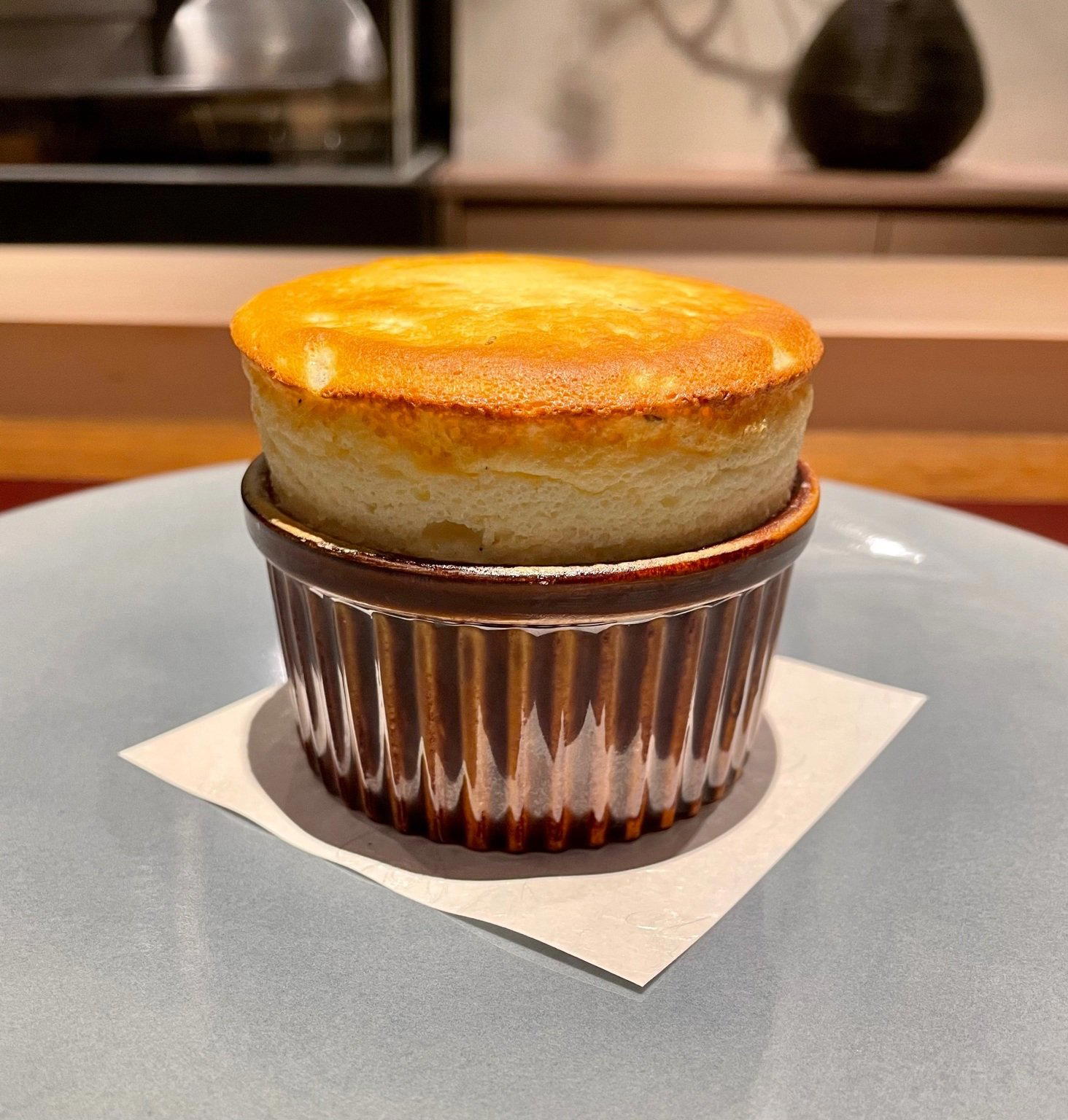
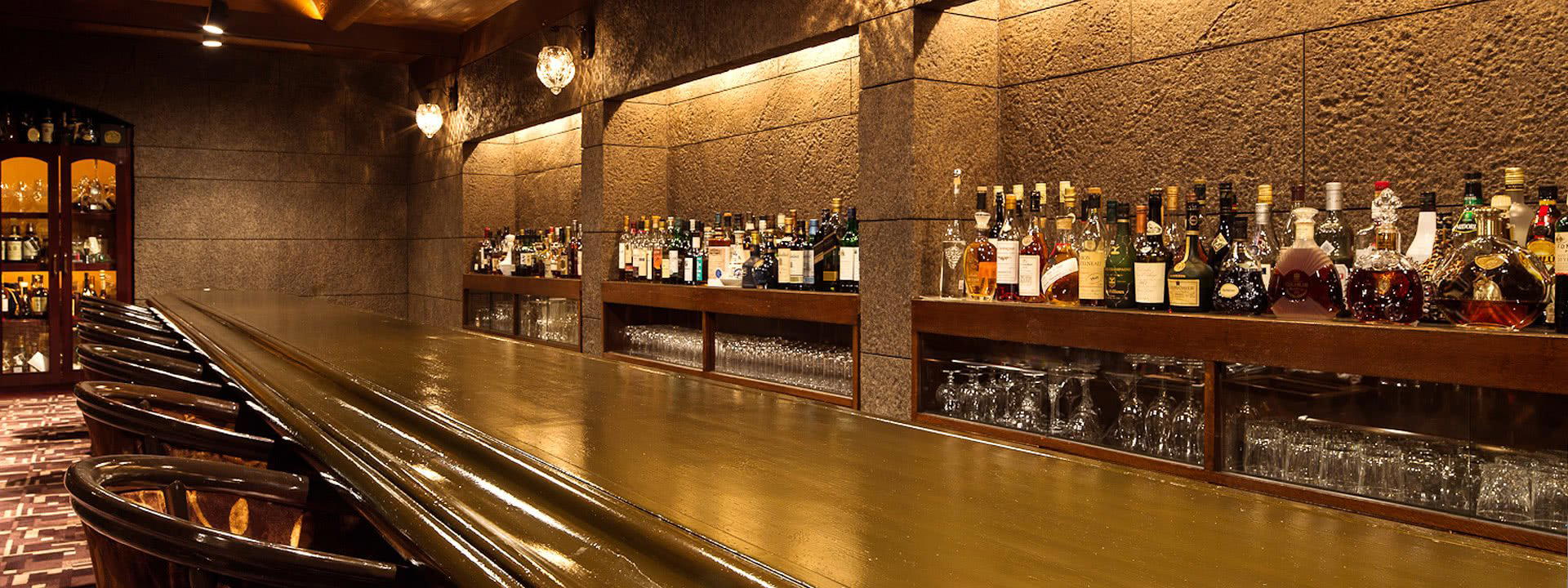
Atmosphere is quiet and traditional, centered on a small counter where guests enjoy carefully prepared seasonal Japanese course meals in an understated, classic setting.