
Tabelog 100 #97
Our verdict
Japanese cuisine Ootake gives Seto a serious washoku counter outside the usual Nagoya orbit, with fish-led cooking, sake, and a 10-seat format that rewards diners who prefer quiet precision to spectacle. Its 2025 Tabelog 100 Japanese Cuisine EAST selection places it in a narrow regional bracket, while the house-restaurant setting keeps the experience grounded in Aichi rather than metropolitan performance.

Pearl is the En Primeur Club membership app, where members save venues, book tables and use the concierge.
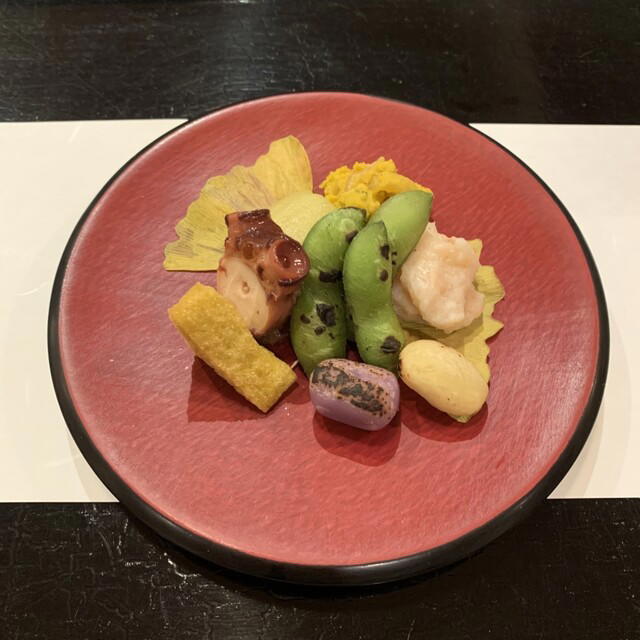
Seto’s ceramic culture changes how a Japanese meal reads. Better known for clay, kilns, and domestic scale than luxury dining theatre, the city suits Japanese cuisine Ootake’s quiet register, where the room and table need not announce themselves. Sourcing, proportion, and restraint carry the argument: a modest local restaurant can say more about a region than a larger room when disciplined cooking avoids decoration for its own sake.
That is the lens for this Seto restaurant. Seto is not a conventional high-spend Japanese cuisine destination, and its rhythm differs sharply from Nagoya’s denser corridors. The local comparison is instructive: Menza Katabutsu shows Seto’s lower-priced, noodle-driven side, while Ootake occupies a different lane: Japanese cuisine with recognized standing on Tabelog’s Hyakumeiten circuit. Readers mapping the city should start with Our full Seto restaurants guide, then widen the itinerary through Our full Seto hotels guide, Our full Seto bars guide, Our full Seto wineries guide, and Our full Seto experiences guide.
Japanese cuisine and the Seto argument for small-scale washoku
Japanese cuisine outside a major city carries a different burden of proof. In Tokyo or Kyoto, reputation can rest on lineage, scarce availability, or national visibility. In Seto, the case must come through the meal’s overall structure: seasonal feeling, balance, and the confidence to stay focused. Ootake’s public category is direct: Japanese Cuisine. That suggests not a generic nightlife stop but a restaurant whose appeal depends on execution within a familiar culinary frame.
The Tabelog 100 Japanese Cuisine EAST 2025 selection is the main external signal. Tabelog’s Hyakumeiten lists are not Michelin stars and should not be read as the same verdict, but in Japan they matter because they surface category specialists beyond the international guidebook circuit. For a Japanese restaurant in Seto, inclusion in the Japanese Cuisine EAST list places Ootake among recognized regional peers rather than leaving it as an anonymous neighborhood address. The 3.58 score reinforces this: not necessarily a mass-consensus crowd magnet, but a specialist address recognized enough to shape travel decisions for diners already interested in Japanese cuisine.
The editorial hinge is coherence rather than novelty. Japanese cuisine at this level depends on proportion, timing, and a clear sense of place. Seto remains inland and slower in tone than the metropolitan dining corridors nearby, and that difference gives a meal here a sharper local frame. The appeal is not a generic luxury narrative, but the possibility of reading Aichi through a focused restaurant in a city better known for ceramics than dining spectacle.
A focused meal in a city better known for clay than dining theatre
The room matters because focused dining is unforgiving. Diners are not disappearing into a hotel dining room; they are choosing a local restaurant where pacing, volume, and attention sit close to the meal itself. In Seto, that scale feels natural. The city’s craft identity is built on handmade objects, and a restrained Japanese restaurant can echo that without making the meal a theme.
Comparisons should stay disciplined. A diner choosing between Seto ramen, a Nagoya day trip, or a more deliberate Japanese meal is not choosing within one category. Menza Katabutsu answers speed, comfort, and lower spend. Ootake asks whether Seto can support a more destination-minded Japanese cuisine stop. Out-of-metro references such as Tashiro, Tonkatsu Shokubo Atsumaru, hape, and Menno Haru may frame regional price and format differences, but not the core appeal: a focused Japanese meal in a city whose cultural capital comes from craft rather than nightlife.
For Japan dining routes, that distinction helps. Tokyo supplies density, Kyoto ceremony, and regional cities often supply proportion. Ootake belongs to the last category. It suits diners comfortable with Japanese dining customs, who do not need a high-production presentation, and who value fit with city over marquee convenience. The practical appeal is not corporate separation or hotel polish, but a Seto meal whose house style is part of the point.
How to place it within a wider Japan itinerary
Seto is easy to underestimate if an itinerary follows only famous urban dining zones. Its value is cumulative: ceramics, neighborhood scale, and restaurants reflecting local habits rather than international demand. Ootake gives the day a serious dining anchor. A ceramics-focused afternoon followed by Japanese cuisine has a cleaner narrative than another metropolitan tasting menu. The practical rhythm favors planning over improvisation, because recognized regional restaurants are rarely best treated as afterthoughts.
Budget expectations shape the decision. Japanese cuisine Ootake is listed at Dinner: JPY 10,000 - JPY 14,999; Lunch: JPY 6,000 - JPY 7,999, which places it above the city’s most casual meals while still reading as a regional specialist rather than a luxury-hotel production. That range is part of the appeal: a more specific reading of Aichi dining, set in a city where craft is not a branding exercise.
For broader Japan planning, EP Club’s restaurant map can connect this regional specialist with different formats elsewhere: other dining rooms across Japan and beyond. The point is not to rank unlike places, but to understand format before committing a night: casual, specialist, traditional, or ingredient-led. In Seto, Ootake’s case is clear: a Japanese restaurant with recognized regional standing, strongest for diners who want Aichi to register through place and scale rather than spectacle.
Frequently asked questions
Is Japanese cuisine Ootake good for families?
Japanese cuisine Ootake is a recognized Japanese restaurant in Seto, so families should confirm suitability directly before booking or visiting.
Is Japanese cuisine Ootake formal or casual?
Japanese cuisine Ootake is best understood as a focused Japanese restaurant in Seto. Its Tabelog 100 Japanese Cuisine EAST 2025 selection gives it more structure than an everyday diner, but the exact service style should be confirmed when planning.
What does dinner at Japanese cuisine Ootake typically cost?
Dinner at Japanese cuisine Ootake is listed at JPY 10,000 - JPY 14,999; lunch is listed at JPY 6,000 - JPY 7,999.
What is Japanese cuisine Ootake known for?
Japanese cuisine Ootake is known as a Japanese cuisine restaurant in Seto with Tabelog Hyakumeiten recognition for 2025 and a listed score of 3.58.
A Quick Peer Check
Comparable venues by cuisine and price in the same metro.
| Venue | Cuisine | Price | Awards | Notes |
|---|---|---|---|---|
| Japanese cuisine OotakeThis venue (the venue you are viewing) | Kyoto-style seasonal Japanese course (kaiseki) | $50–100 | Tabelog 100 #97 | Not listed |
| Menza Katabutsu | Ramen | Not listed | Tabelog 100 #77 | Seto |
| 宮崎牛鉄板焼ステーキ ミヤチク | Miyazaki Beef Teppanyaki | $100–150 | Not listed | 新別府町 |
| 食堂みやざき | Refined Kyoto Omakase | $50–100 | Not listed | Kawaramachi, Kiyamachi, Ponto-cho |
| Chiba Izumi | Yakitori Omakase | $50–100 | Tabelog 100 #68 | Higashi |
| Ozara Yakiniku Roujuu | Nagoya-style Yakiniku (Japanese BBQ) | $50–100 | Tabelog 100 #25 | Nishi |
Recognition history
Dated appearances from independent guides and award organizations, with the underlying list record or original source where available.
Tabelog 100 #97 · No. 97
Tabelog · Tabelog 100 - Japanese cuisine - EAST - 2025
Continue exploring
More in Seto
Restaurants in Seto
All restaurants in Seto →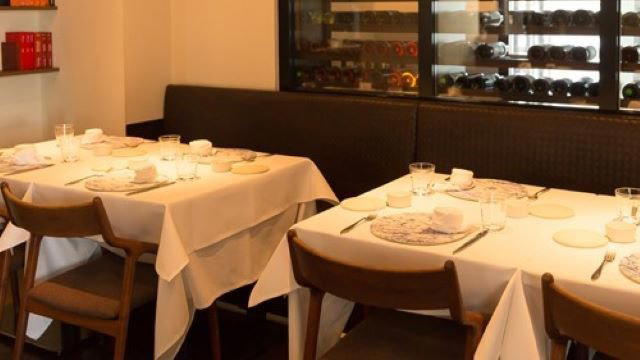

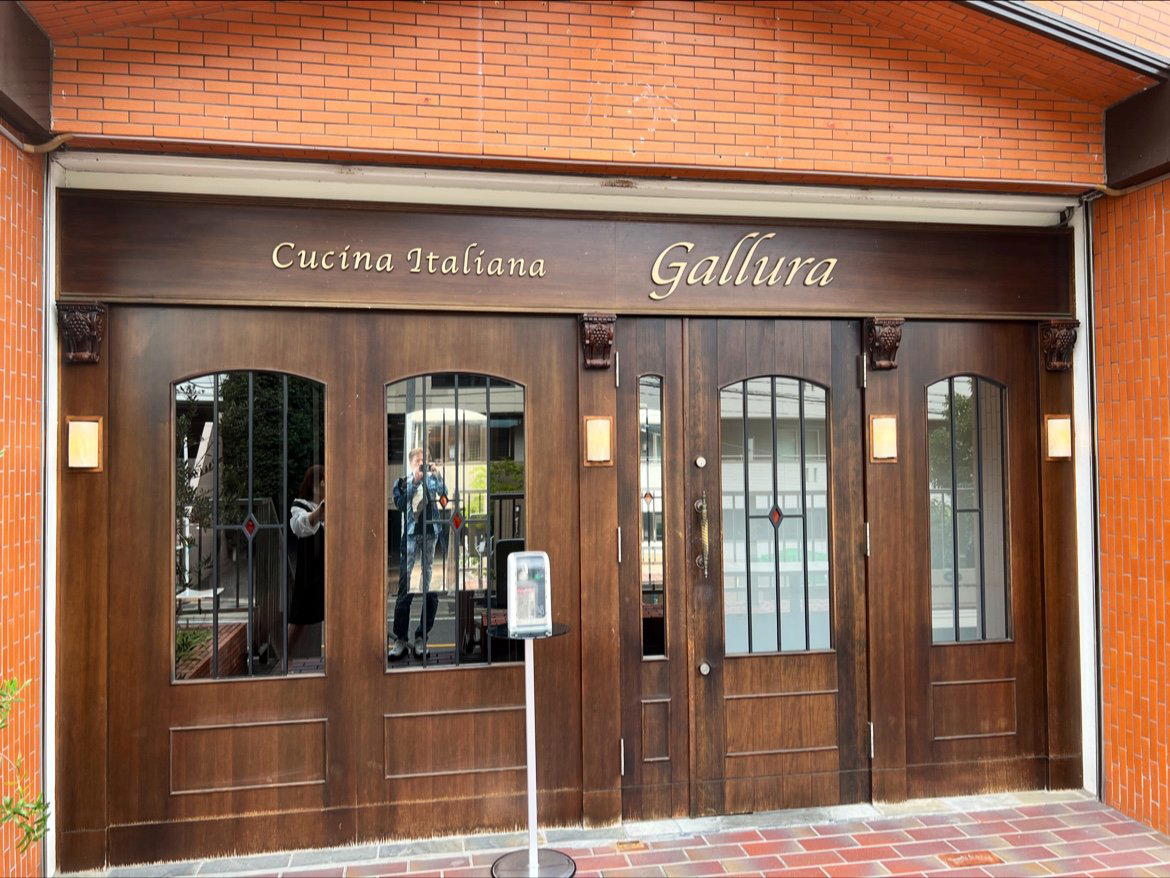
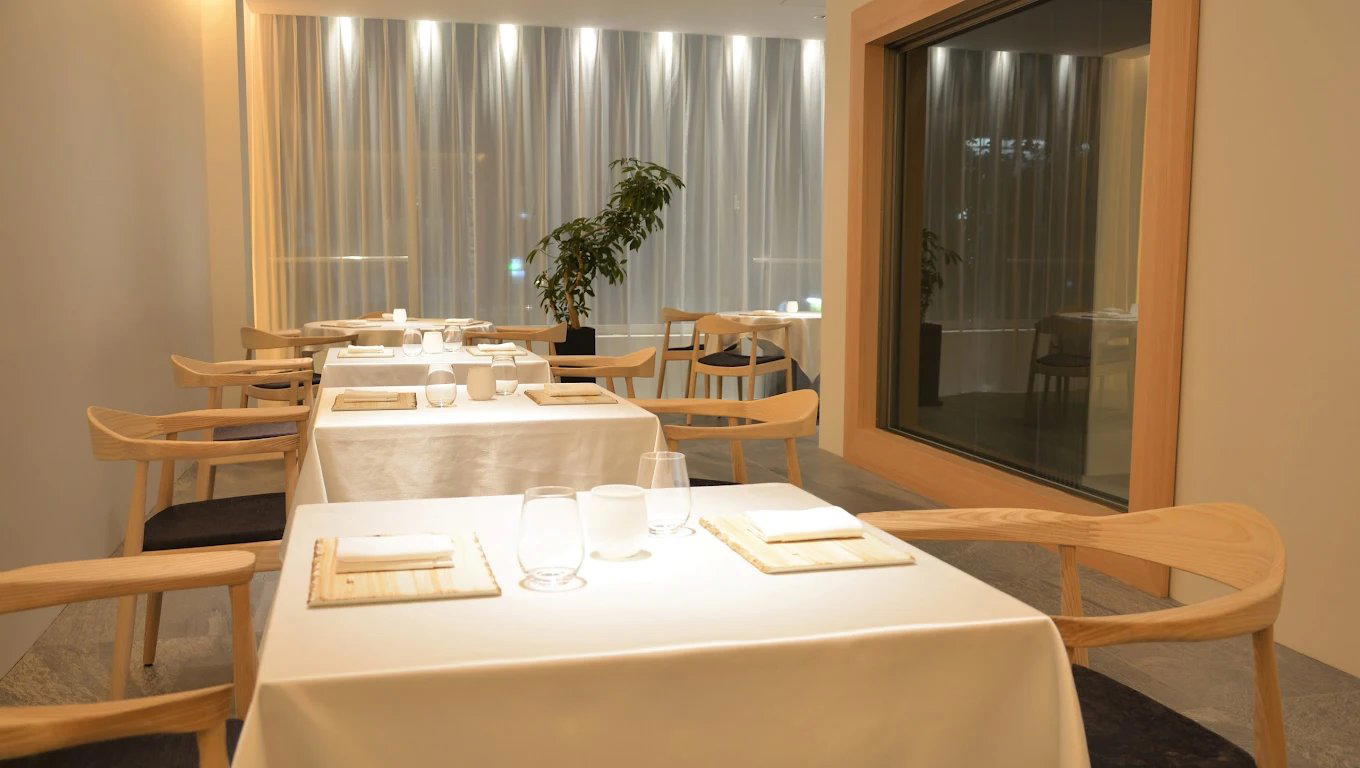





Details
- Intimate
- Quiet
- Classic
- Elegant
- Special Occasion
- Date Night
- Business Dinner
- Group Dining
- Chefs Counter
- Standalone
- Sake Program
- Local Sourcing
- Tasting Menu
- Counter Dining
- Set Menu
- Sake
- Beer
- Tea
Current opening hours
- Monday
- 12–2 PM, 6–9:30 PM
- Tuesday
- 12–2 PM, 6–9:30 PM
- Wednesday
- 12–2 PM, 6–9:30 PM
- Thursday
- 12–2 PM, 6–9:30 PM
- Friday
- 12–2 PM, 6–9:30 PM
- Saturday
- 12–2 PM, 6–9:30 PM
- Sunday
- Closed
Hours can change for holidays and private events. Hours as of .
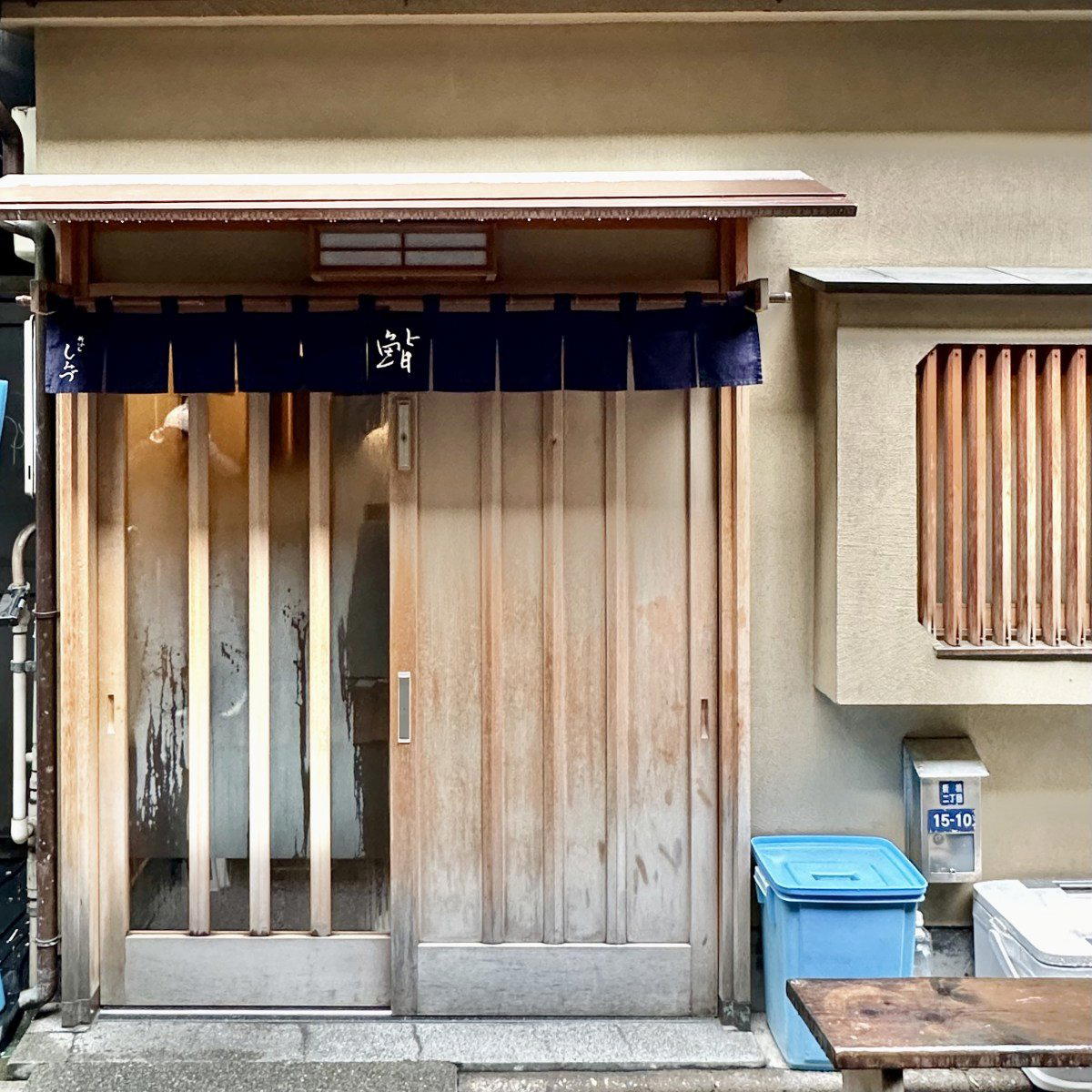
Atmosphere is quiet and traditional, centered on a small counter where guests enjoy carefully prepared seasonal Japanese course meals in an understated, classic setting.