Tabelog 100 #25
Our verdict
Ozara Yakiniku Roujuu is a compact Nagoya yakiniku counter selected for Tabelog 100 Yakiniku EAST 2025, with dinner pricing in the JPY 10,000–14,999 band and a format built around large-plate grilled beef. The draw is not theatrical luxury but a tighter version of yakiniku: counter horigotatsu seating, sake and shochu, and a sourcing-sensitive beef format in Nagono near Kokusai Center.

Pearl is the En Primeur Club membership app, where members save venues, book tables and use the concierge.
The menu
What to order
- Nagoya-style large plate grilled meat (large platter yakiniku)
- Wagyu large plate assortment
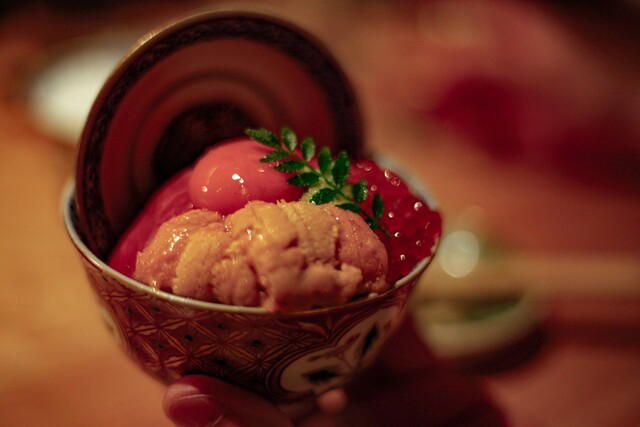
- Sea urchin and salmon roe rice (course item)
- Brûlée-style apricot dessert (course item)
Approach Nagoya after dark and the city can feel quieter than the busiest station-side dining routes, and well suited to restaurants that want regulars to pay attention rather than wander in casually. Yakiniku here is not simply a background dinner format. Smoke, heat, timing and cut selection can make the meal feel closer to a live negotiation between kitchen and guest than a passive tasting menu. Ozara Yakiniku Roujuu belongs to the Nagoya category where grilled beef is treated as the reason to sit down, not as one protein among many.
The restaurant’s Tabelog Hyakumeiten recognition in 2025 matters because yakiniku listings in Japan are competitive at the serious end. The category rewards houses that understand sourcing, butchery and grill pacing, not only luxury branding. In Nagoya, where local staples often dominate visitor eating lists, a focused yakiniku address gives a different read on the city: meat, drinks, table pacing and a willingness to spend dinner on heat control.
Yakiniku focus, Nagoya scale, counter discipline
Yakiniku has a broad price spread in Japan, from casual tables built around value cuts to rooms where beef quality, marbling and portion sequencing can push the bill into special-occasion territory. This address sits in a published dinner band of JPY 10,000 - JPY 14,999 without needing to be framed as a formal tasting-menu restaurant. The grilled meat format is the important clue. Instead of treating beef as isolated luxury bites, the meal can be structured around shared impact: cuts arriving with enough presence to make the table consider texture, fat and doneness across the sequence.
That sourcing question is the difference between ordinary grilled meat and serious yakiniku. Good yakiniku depends on more than premium cattle; it depends on choosing cuts that behave correctly over direct heat. Fatty sections need enough structure to avoid collapsing. Leaner cuts need timing that protects moisture. Secondary cuts, when handled well, can say more about a kitchen’s buying discipline than familiar high-marbled slices. The better rooms in this genre earn attention by matching cut, thickness, seasoning and grill rhythm. Ozara Yakiniku Roujuu is useful to understand because its focused yakiniku format makes those choices visible.
The drinks side also belongs inside Japan’s modern yakiniku grammar. Drinks are not merely decorative pairings in this style of meal; they are practical partners for beef fat, smoke and tare. That matters for travellers who associate premium Japanese dining mainly with sushi counters or French-influenced tasting menus. Yakiniku plays by different rules: conversation continues, the grill stays active, and the meal’s quality depends on small adjustments repeated over the evening.
Why the focused format changes the meal
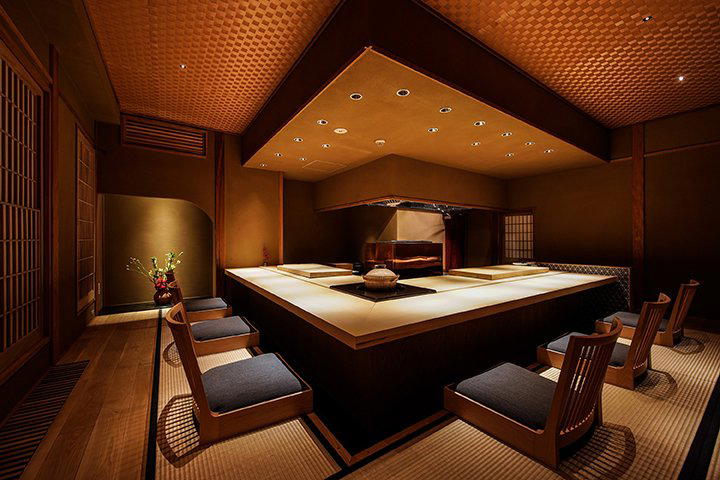
The room is best understood as a focused yakiniku setting, a choice that changes the social temperature. A dedicated format keeps attention trained on the food rather than on a broad, catch-all menu. For yakiniku, this has a practical advantage: fewer distractions, tighter pacing and a clearer relationship between what arrives and how it is cooked.
Focused restaurants also reduce the margin for casual ordering. At a broader yakiniku restaurant, excess can be part of the appeal: extra platters, more sides, another round of drinks. In a Nagoya setting built around a specific grilled-meat experience, the better move is to let the format dictate restraint. The restaurant’s Tabelog Hyakumeiten 2025 recognition suggests that it is being judged against specialist yakiniku venues rather than broad Nagoya dining rooms. That is a useful filter. Travellers deciding between local classics and a beef-focused dinner should read this as a specialist stop, not a general introduction to Nagoya cuisine.
Compared with the city’s broader premium dining spread, the price tier signals a middle-high commitment rather than the upper ceiling. 1022, also in Nagoya, can be considered in a different premium-dining context, while places such as Endoji Makkori Jozoujo and THE CORNER Hamburger & Saloon point to other local moods. The point is not hierarchy; it is expectation. Yakiniku at this level should deliver more precision in beef selection and service rhythm than a casual grill, while remaining less ceremonial than counter sushi or a long tasting menu.
How to place it within a Nagoya eating itinerary
Nagoya rewards travellers who do not treat it as a brief rail stop between Tokyo and Kyoto. The city’s dining identity is direct, flavour-forward and less dependent on international culinary signalling than larger capitals. A serious yakiniku dinner fits that character. It is built for appetite, but also for scrutiny: the quality of the beef, the confidence of the seasoning, the logic of the drinks and the comfort of the room all become part of the judgment.
Ozara Yakiniku Roujuu is therefore a sharper choice for a night when beef is the plan from the beginning. It is less useful as a flexible group fallback or a broad menu crowd-pleaser. The focused setup makes the experience more specific, while the yakiniku format keeps the mood convivial rather than hushed. For travellers building a Nagoya itinerary, that combination is valuable: serious enough for a planned dinner, relaxed enough to retain the essential sociability of grilled meat.
For broader trip planning, compare the city’s dining range through Our full Nagoya restaurants guide, then place the meal alongside Our full Nagoya hotels guide, Our full Nagoya bars guide, Our full Nagoya wineries guide and Our full Nagoya experiences guide. Other Japan and Asia dining references in the EP Club index can be treated as wider context, but for Nagoya the useful comparison is with other local dining rooms, including 1022, Ecco, Endoji Makkori Jozoujo, Hirovanna and THE CORNER Hamburger & Saloon.
Frequently asked questions
What's Ozara Yakiniku Roujuu's location?
Nagoya.
What should I budget for a meal at Ozara Yakiniku Roujuu?
Pricing at Ozara Yakiniku Roujuu is listed as JPY 10,000 - JPY 14,999.
Do they take walk-ins at Ozara Yakiniku Roujuu?
The provided listing includes the phone number +81-70-4230-4210, but it does not provide a walk-in policy. For a focused yakiniku dinner in Nagoya, the practical move is to contact the restaurant ahead of time rather than assuming a spare seat will be open.
What makes Ozara Yakiniku Roujuu worth seeking out?
It carries Tabelog Hyakumeiten 2025 recognition, with a listed score of 3.63 and a price range of JPY 10,000 - JPY 14,999. In Nagoya, that combination reads as a focused yakiniku room rather than a broad-appeal barbecue hall.
How does Ozara Yakiniku Roujuu handle allergies?
The provided listing includes contact at +81-70-4230-4210. For allergies, the practical move is to flag the issue before booking so the team can confirm what the kitchen can handle within its yakiniku format. The location is Nagoya.
Pricing, Compared
Comparable venues by cuisine and price in the same metro.
| Venue | Cuisine | Price | Awards | Notes |
|---|---|---|---|---|
| Ozara Yakiniku RoujuuThis venue (the venue you are viewing) | Nagoya-style Yakiniku (Japanese BBQ) | $50–100 | Tabelog 100 #25 | Not listed |
| まねき寿司 | Traditional Japanese Sushi | $500+ | Not listed | Nishi, Traditional Japanese Sushi |
| Yakiniku Asahi | Private-room Wagyu Yakiniku | $50–100 | Tabelog 100 #46 | Higashi, Private-room Wagyu Yakiniku |
| Binchotan Yakiniku Takechiyo | Binchotan-grilled Wagyu Yakiniku & Izakaya | $50–100 | Tabelog 100 #8 | Higashi, Binchotan-grilled Wagyu Yakiniku & Izakaya |
| Yadorigi | Casual Edomae Sushi Counter | $100–150 | Tabelog 100 #93 | Kita, Casual Edomae Sushi Counter |
| Yama no I | Sushi Omakase / Japanese Cuisine | $150–200 | Tabelog 100 #30 | Chikusa, Sushi Omakase / Japanese Cuisine |
Recognition history
Dated appearances from independent guides and award organizations, with the underlying list record or original source where available.
Tabelog 100 #25 · No. 25
Tabelog · Tabelog 100 - Yakiniku - EAST - 2025