
Tabelog 100 #77
Our verdict
Seto’s ramen culture rewards concise formats, modest prices, and shops that treat broth and noodles as craft rather than theatre. Menza Katabutsu sits in that lane with ramen and tsukemen, Tabelog 100 Ramen AICHI 2025 recognition, 16 seats, no reservations, and a cash-only setup that keeps the experience closer to a neighbourhood counter than a destination tasting room.

Pearl is the En Primeur Club membership app, where members save venues, book tables and use the concierge.
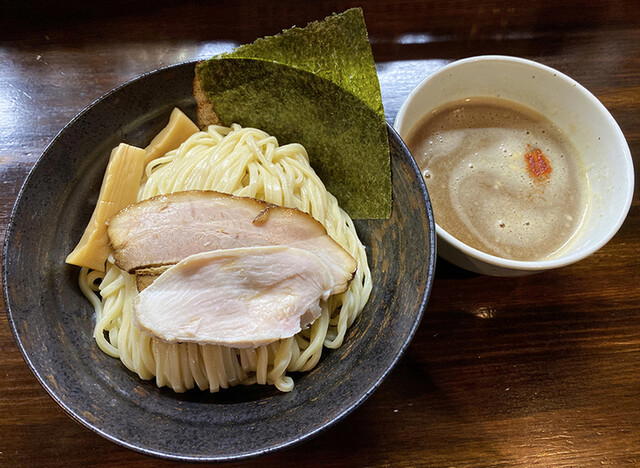
Approaching a ramen shop in Seto is rarely about ceremony. The signal is simpler: a kitchen-led rhythm and a meal built around timing rather than lingering. Menza Katabutsu fits that Aichi rhythm. It is listed in ramen and tsukemen, the dipping-noodle format that makes the relationship between noodle texture and broth concentration explicit, and its recognition in Tabelog 100 Ramen AICHI 2025 places it inside a regional conversation rather than a tourist checklist.
That matters because ramen in central Japan is not one single school. Aichi sits between several strong noodle traditions, with Nagoya’s urban ramen density on one side and smaller city shops on the other, where sourcing, portion control, and repeat local custom matter as much as online attention. In that setting, a Seto location carries a different implication from a major-station ramen counter: diners are not simply being processed through a transit hub. The appeal is more direct, with the focus kept on the bowl and on the practical craft behind it.
Ramen and tsukemen put the sourcing question in plain view
The ingredient story at this tier is not about luxury produce named on a tasting menu. It is about how a shop turns staple components into consistency: wheat structure in the noodle, seasoning balance in the tare, fat management, and broth concentration. Tsukemen makes those decisions especially visible because the noodles are served separately from the dipping broth; texture has to hold its own, and the broth needs enough density to coat without becoming blunt. Ramen compresses the same decisions into a faster bowl, where heat, noodle timing, and seasoning need to align quickly.
Menza Katabutsu’s category listing, ramen and tsukemen, signals a shop operating in that practical craft zone. The budget band, JPY 1,000 to JPY 1,999 for both lunch and dinner, also says something about the broader Japanese ramen economy: technical work can remain democratic even when recognition rises. This is a different proposition from another Seto dining option such as Japanese cuisine Ootake, where the meal format belongs to a different style of dining. The comparison is useful because it separates two kinds of seriousness: one expressed through a broader dining format, the other through repetition, speed, and a narrow product range.
A Tabelog score of 3.61 and selection for Tabelog 100 Ramen AICHI 2025 give the shop measurable standing within a crowded prefectural category. That recognition is not the same as a Michelin star, and it should not be read that way. It is more useful as a local-market signal: enough sustained diner attention and category relevance to separate the shop from ordinary neighbourhood ramen counters, while still keeping the experience in an everyday price range.
A Seto stop built for focused bowls, solos, and families
The format is casual by design. Ramen and tsukemen shops tend to concentrate value in the bowl rather than in staged hospitality, and Menza Katabutsu reads best in that frame. The point is not a long, formal meal but a focused stop where timing, temperature, noodle texture, and broth concentration carry the experience. That kind of simplicity can work for solo diners, pairs, and small groups who are comfortable with a straightforward noodle-shop rhythm.
The practical appeal is tied to Seto itself. This is not positioned like a polished destination dining room in a large transport hub; it is better understood as part of the city’s everyday eating map. For a city dining plan, pair this kind of ramen stop with broader research in our full Seto restaurants guide, then build the rest of the day through our full Seto hotels guide, our full Seto bars guide, our full Seto wineries guide, and our full Seto experiences guide.
Planning logic is simple: treat Menza Katabutsu as a targeted ramen stop rather than a flexible all-purpose fallback. The category and price range make it accessible, but the experience still rewards diners who plan around a focused meal rather than expecting a long, multi-course setting. In Seto, that can be part of the pleasure: a concise bowl, a clear purpose, and a sense that the shop’s reputation comes from repetition rather than theatrical polish.
Where it fits in a wider Japan eating itinerary
For travellers moving through Japan, Menza Katabutsu offers a useful counterpoint to higher-format meals. It shows how a regional ramen shop can carry recognition while staying inside a low price band and a compact service model. That is valuable context when comparing eating styles across the country: more formal dining rooms, seafood and charcoal formats, café-led pauses, and hybrid contemporary restaurants all answer different dining needs. Menza Katabutsu answers a narrower one, which is exactly why it is useful on an itinerary.
Ramen also sits beside, rather than below, other everyday formats. Curry specialists, compact city restaurants, casual meat-focused rooms, bakeries, and quick-service counters all show how Japanese dining quality often appears outside formal luxury codes. Seto’s dining scene is quieter than Japan’s largest urban centres, but that quiet is part of the point: the craft is in the repeatable bowl, the short meal rhythm, and the confidence to let noodles and broth carry the argument.
Frequently asked questions
Can I bring kids to Menza Katabutsu?
Menza Katabutsu is a casual ramen and tsukemen shop in Seto.
Is Menza Katabutsu formal or casual?
Casual. Menza Katabutsu is listed as a ramen and tsukemen shop in Seto, so it reads more like a focused noodle stop than a formal dining room.
What's the pricing like at Menza Katabutsu?
Lunch and dinner at Menza Katabutsu are listed at JPY 1,000 - JPY 1,999.
What is Menza Katabutsu known for?
Menza Katabutsu is known as a ramen and tsukemen venue in Seto with a Tabelog score of 3.61 and recognition in Tabelog 100 Ramen AICHI 2025.
Comparable Spots, Quickly
Comparable venues by cuisine and price in the same metro.
| Venue | Cuisine | Price | Awards | Notes |
|---|---|---|---|---|
| Menza KatabutsuThis venue (the venue you are viewing) | Ramen | Not listed | Tabelog 100 #77 | Not listed |
| Japanese cuisine Ootake | Kyoto-style seasonal Japanese course (kaiseki) | $50–100 | Tabelog 100 #97 | Not listed |
| 三たてそば 長畑庵 | Traditional Soba Noodles | $10–20 | Not listed | 長畑 |
| Human beings everybody noodles (人類みな麺類) | Traditional Shoyu Ramen | $1–10 | Tabelog 100 #65 | Nishinakajima, Yodogawa-ku |
| Ichiyoken | Nagoya tonkotsu ramen shop | $10–20 | Tabelog 100 #80 | Tenpaku |
| Dote no Shinagawa | Traditional Nagoya kushikatsu & doteyaki stand-up bar | $20–30 | Tabelog 100 #44 | Mizuho Ward |
Recognition history
Dated appearances from independent guides and award organizations, with the underlying list record or original source where available.
Tabelog 100 #77 · No. 77
Tabelog · Tabelog 100 - Ramen - AICHI - 2025
Continue exploring
More in Seto
Restaurants in Seto
All restaurants in Seto →





Details
- Cozy
- Casual
- Solo
- Casual Hangout
- Standalone
- Counter Dining
- A La Carte
Current opening hours
- Monday
- 11 AM–2 PM, 6–9 PM
- Tuesday
- 11 AM–2 PM, 6–9 PM
- Wednesday
- Closed
- Thursday
- 11 AM–2 PM, 6–9 PM
- Friday
- 11 AM–2 PM, 6–9 PM
- Saturday
- 11 AM–2 PM, 6–9 PM
- Sunday
- 11 AM–2 PM, 6–9 PM
Hours can change for holidays and private events. Hours as of .
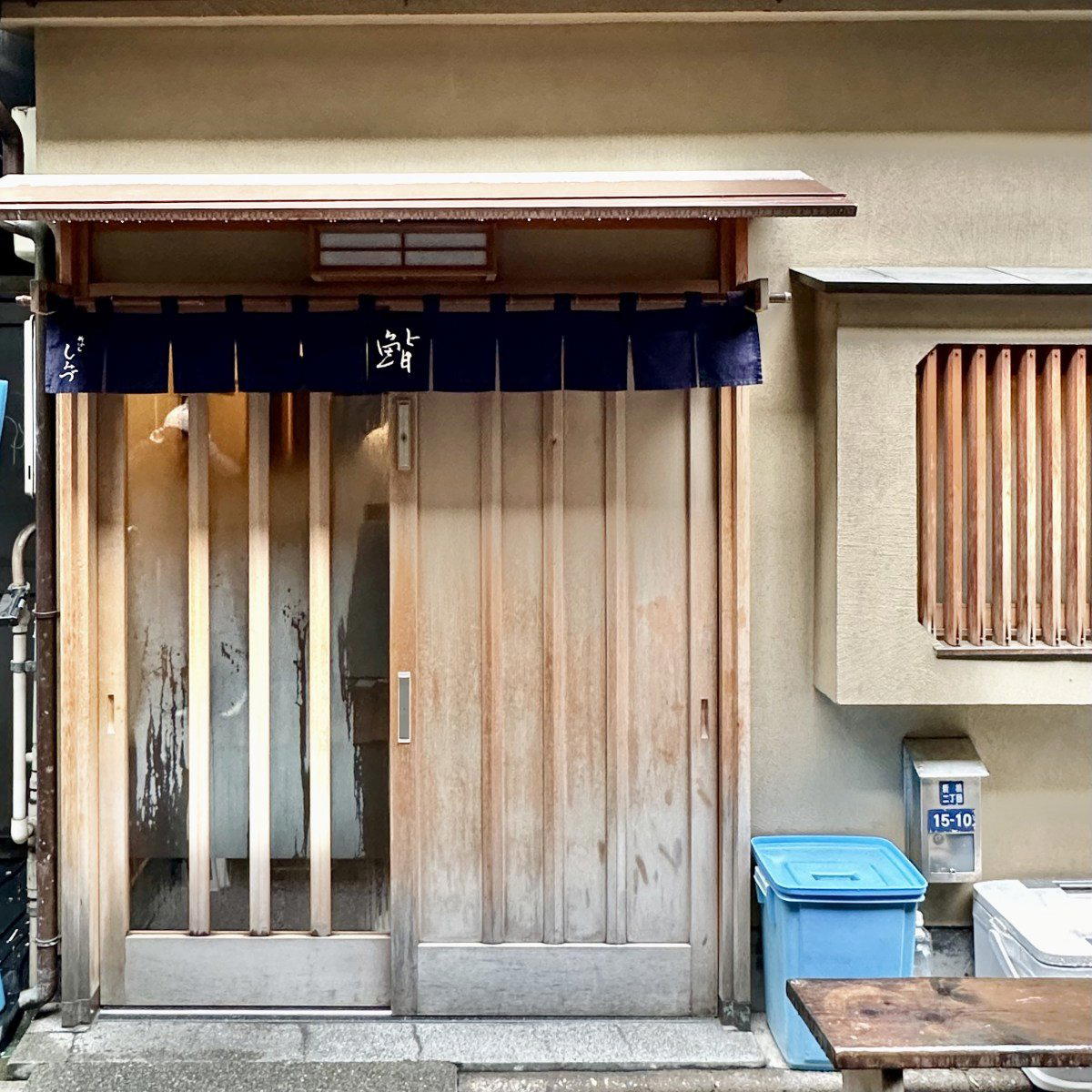
Direct casual ramen-shop atmosphere focused on a specialty bowl rather than formal dining.