José Luis Karuizawa

José Luis Karuizawa brings Spanish cooking into Karuizawa’s resort dining circuit with a Shinshu lens, pairing the structure of a hotel restaurant with a regional sourcing argument. Its Tabelog 100 Spanish cuisine selections in 2024 and 2026 give it a clear trust signal in a town better known for French, bakery, and mountain-retreat dining.
Pearl is the En Primeur Club membership app — saves, bookings, and concierge access live there. Same editors, same standards.
- Address
- 1151-11 Karuizawa, Kitasaku District, Nagano 389-0100, Japan
- Phone
- +81 267-41-6828
- Website
- twin-line-hotel.com
 Saves & bookings on Pearl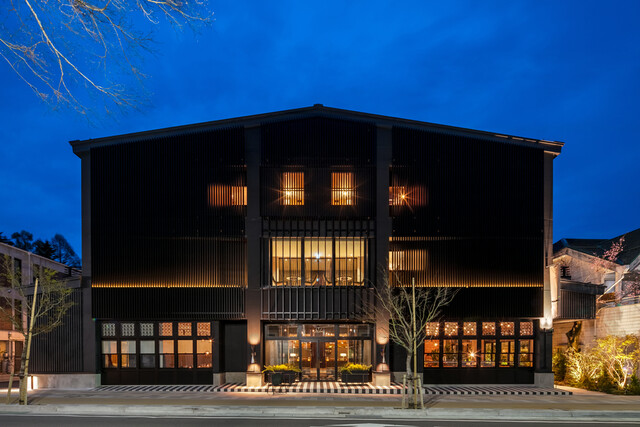
Approaching Spanish dining in Karuizawa is different from doing so in Tokyo or Osaka. The room has to answer to a resort town’s rhythm: early station arrivals, family groups, hotel guests, and diners who expect a meal to feel tied to Nagano rather than imported whole from Madrid. José Luis Karuizawa works inside that tension, using Spanish form as a frame for Shinshu ingredients rather than treating the cuisine as a costume.
Karuizawa’s restaurant culture has long leaned international, partly because the town developed as a summer retreat with foreign influence, villa culture, bakeries, French dining, and hotel restaurants built into its social fabric. Spanish cooking sits in a narrower lane here. That makes the category more interesting: the question is not whether paella, tapas, wine, and dining-bar informality can be reproduced, but whether they can absorb the mountain-produce logic of Nagano without losing their spine.
Spanish form, Shinshu sourcing, and the resort-town table
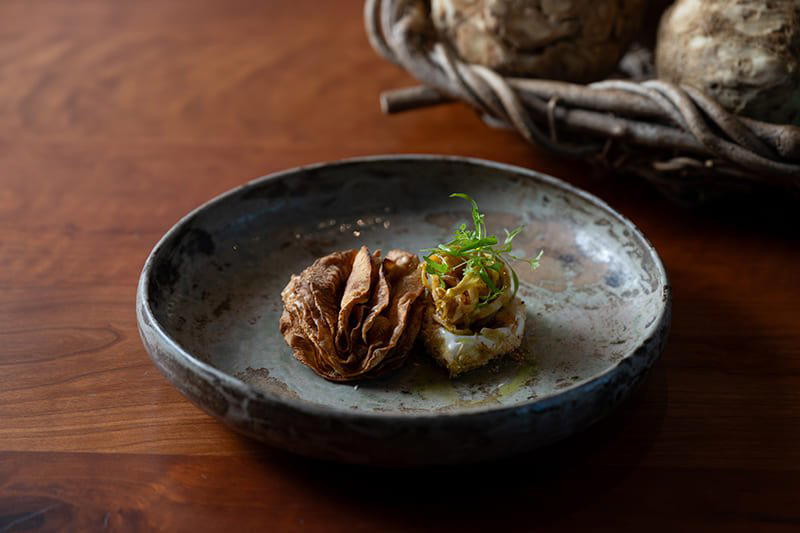
The useful way to read this restaurant is through sourcing rather than nationality. Shinshu is not a neutral pantry. Nagano’s highland climate supports vegetables, fruit, mushrooms, dairy, river fish, and beef in ways that differ from coastal Japan’s seafood-heavy fine dining grammar. A Spanish kitchen in this context can make sense when it treats oil, rice, grill, stock, wine, and shared plates as technique, then lets local produce carry the seasonal argument.
That is why the Tabelog 100 Spanish cuisine selections in 2024 and 2026 matter. They place José Luis Karuizawa within a national Spanish-cuisine conversation rather than only within Karuizawa’s hotel-dining circuit. The Tabelog score of 3.70 gives a second, more local signal: not a trophy on its own, but a sign that the room is being judged by diners against a competitive category, not merely as a convenient hotel restaurant.
In Kitasaku-gun, the comparison set is unusually broad. HELIOTROPE sits in a higher dinner bracket, Pyrenees prices dinner above José Luis while sharing a similar lunch band, and Usagi no Mori Karuizawa ten operates at a far more casual tariff. That spread explains the local dining map better than a single ranking could: Karuizawa has room for destination-format meals, lunch-friendly resort restaurants, and low-cost everyday stops, often within the same short visitor itinerary.
For readers building a fuller town plan, the local spread matters as much as the meal itself. A Spanish dinner can sit after a bakery morning at French Bakery or haluta bageri, or after a lighter local stop such as Chimoto Sohonten Karuizawa honten. The contrast is the point: Karuizawa rewards diners who treat the town as a set of overlapping traditions rather than a single cuisine destination.
A hotel restaurant with dining-bar flexibility
The format is part of the editorial case. José Luis Karuizawa is listed as Spanish and dining bar, with wine, cocktails, and a sommelier available. That combination matters in a resort town because it keeps the meal from being locked into a single fine-dining script. Spanish restaurants often work well when the room can move between composed courses, wine-led dining, and a looser evening pace; Karuizawa’s mixed audience makes that flexibility practical rather than decorative.
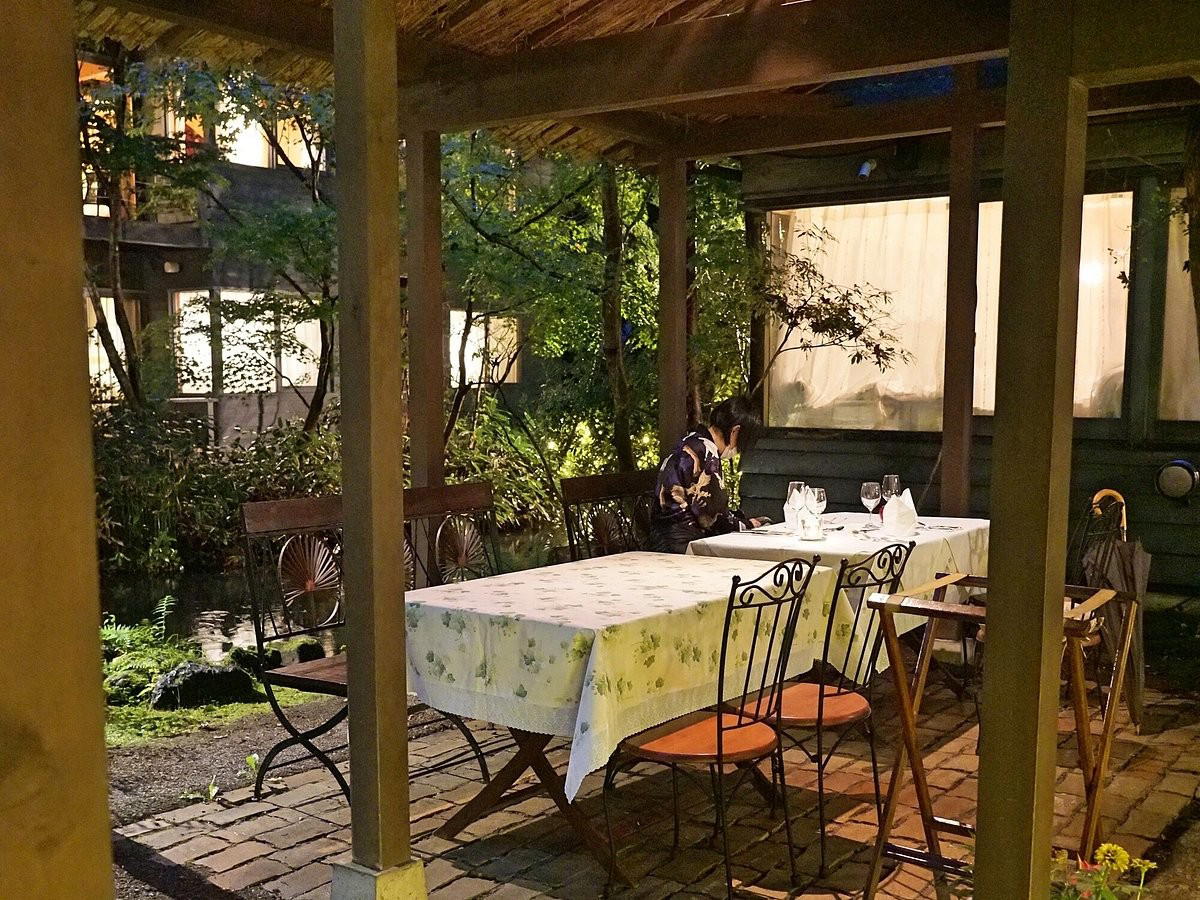
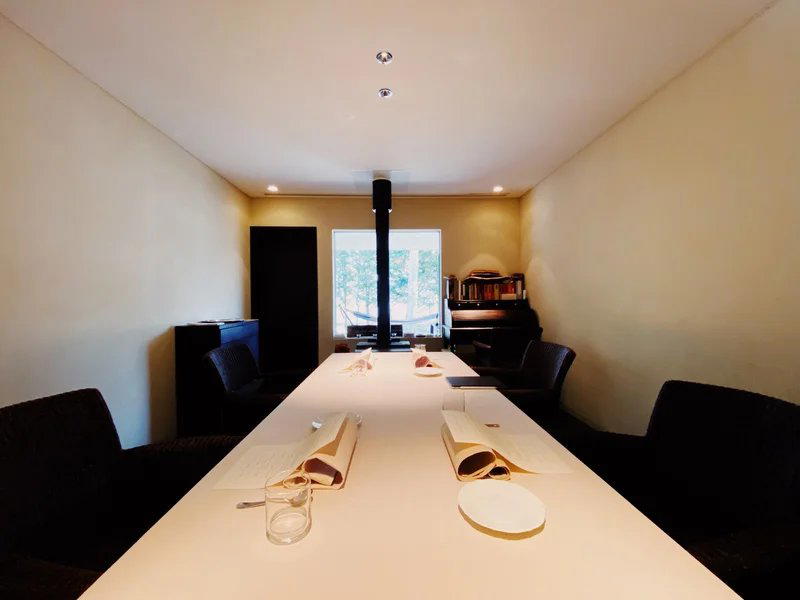
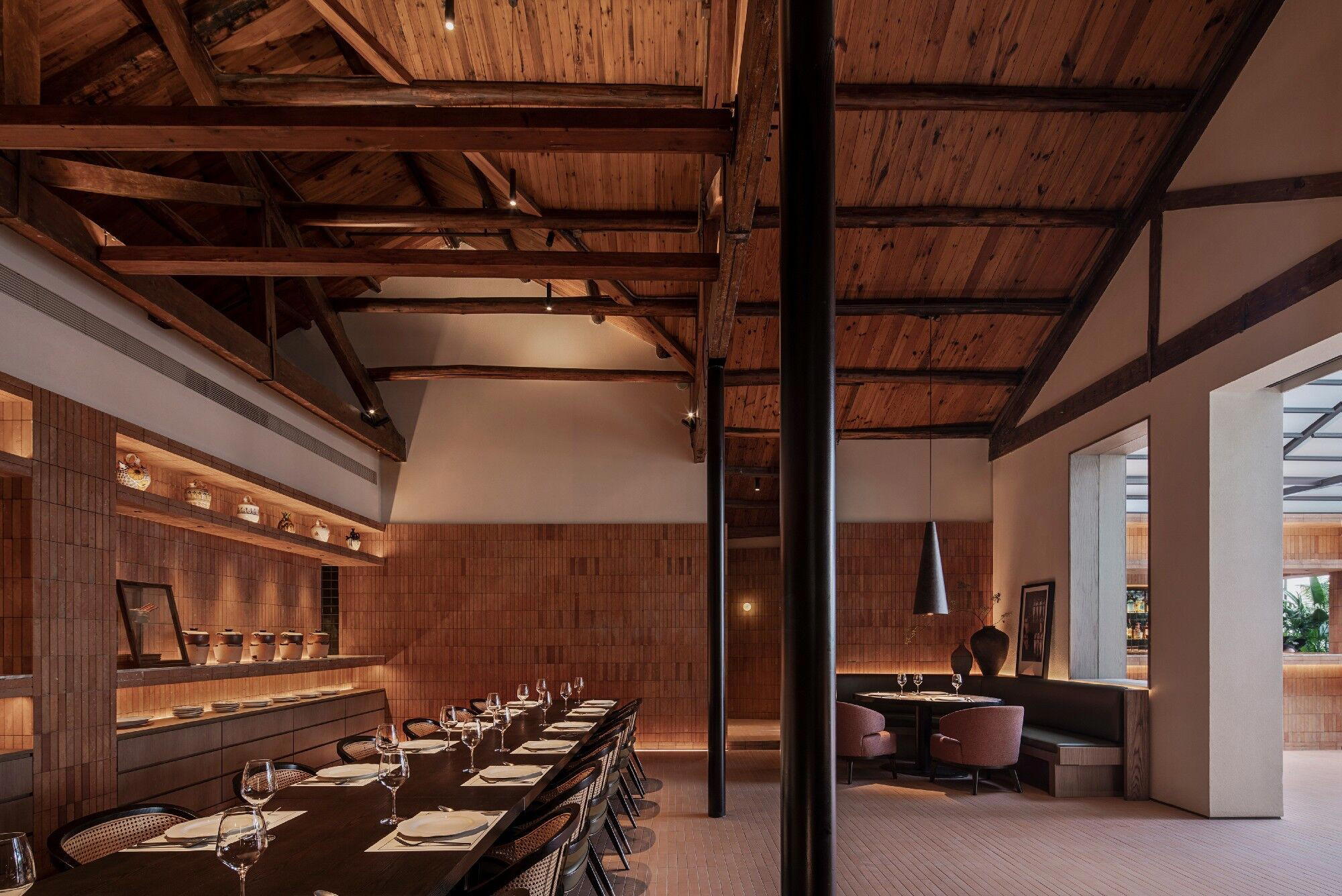
The restaurant’s 63-seat scale also separates it from Japan’s small-counter prestige model. This is not the hushed eight-seat format where scarcity creates half the reputation. It is a broader room, with counter and sofa seating listed, private rooms available, and family-friendly service. In Karuizawa, that breadth has value. The town attracts couples on weekend rail trips, multi-generational groups, and hotel-based travelers who need comfort and clarity as much as culinary precision.
There is a useful distinction between convenience and seriousness. Many hotel restaurants solve logistics and stop there. The stronger version uses hotel infrastructure to support a wider service range while keeping a defined culinary position. Here, the Spanish-and-Shinshu premise gives the room a sharper identity than generic resort dining, and the Tabelog recognition gives diners a reason to treat it as part of Karuizawa’s food conversation rather than only as an amenity.
That context also helps set expectations. Diners chasing a tightly choreographed tasting-menu temple should look elsewhere in the broader region. Diners who want Spanish technique, Nagano produce, wine availability, and a room that can handle both adults and children will understand why this address has traction. The appeal is not austerity; it is adaptability with a point of view.
How to place it in a Karuizawa itinerary
Karuizawa dining works better when meals are sequenced by mood. Lunch often favors bakeries, sweets, soba, and lighter stops; dinner can take a more structured turn. The restaurant fits the latter role without forcing the evening into ceremony. The presence of English menu support, non-smoking dining with a smoking space, wheelchair access, and multiple payment methods adds the kind of operational clarity that matters in a town with international visitors and family travel.
Its position near Karuizawa Station strengthens that practical role, but the more relevant point is editorial: this is a station-area resort restaurant with national Spanish-cuisine recognition, not a rural hideaway trading on scenery. That makes it especially useful for travelers who want one meal that reads as local to Nagano without defaulting to Japanese regional cooking.
For a broader Kitasaku-gun dining circuit, pair the restaurant with A Fenestella or Chinese Hanten Reisho to see how international formats adapt to the same resort-town audience. Planning beyond restaurants is also sensible in Karuizawa: Our full Kitasaku-gun restaurants guide, Our full Kitasaku-gun hotels guide, Our full Kitasaku-gun bars guide, Our full Kitasaku-gun wineries guide, and Our full Kitasaku-gun experiences guide map the wider trip architecture.
Travelers extending the Japan food file can compare the resort-town logic here with sharply different formats elsewhere: -Grilled beef Sukiyaki- KAMAKURA TANUKIAN 鎌倉 たぬき庵 in Kamakura. 鮪と炭火焼き うお炭 秋葉原店 in Tokyo.cafe in Osaka.know in Kumamoto, (Shoku) Vietnam in Kawasaki, and [Curry Senmon Ten] Maruyama Kyoju. in Sapporo. For cross-Pacific contrast, Jōdo Saké Bar in Los Angeles and Onigiri Time in Pasadena show how Japanese formats read when removed from Japan altogether.
Quick Comparison
Comparable venues by cuisine and price in the same metro.
| Venue | Cuisine | Price | Notes |
|---|---|---|---|
| José Luis KaruizawaThis venue — the venue you are viewing | Spanish × Shinshu Modern Restaurant | $$$ | Not listed |
| Pyrenees | Wood‑fired French bistro and rotisserie | $$$ | Karuizawa |
| The Cowboy House | American Steakhouse | $$ | Karuizawa Town, Kitasaku District |
| Sasakura | Traditional soba restaurant | $$ | Oiwake, Karuizawa-machi |
| Manpei Hotel Cafe Terrace | Historic hotel café & dessert terrace | $$$ | Karuizawa |
| Chinese Hanten Reisho | Seasonal Chinese fine dining in Karuizawa | $$$$ | Karuizawa |
Recognition history
Dated appearances from independent guides and award organizations, with the underlying list record or original source where available.
Tabelog 100 #85 · No. 85
Tabelog · Tabelog 100 - Spanish cuisine - 2026
Continue exploring
More in Kitasaku-gun
Restaurants in Kitasaku-gun
Browse all →
Hotels in Kitasaku-gun
Browse all →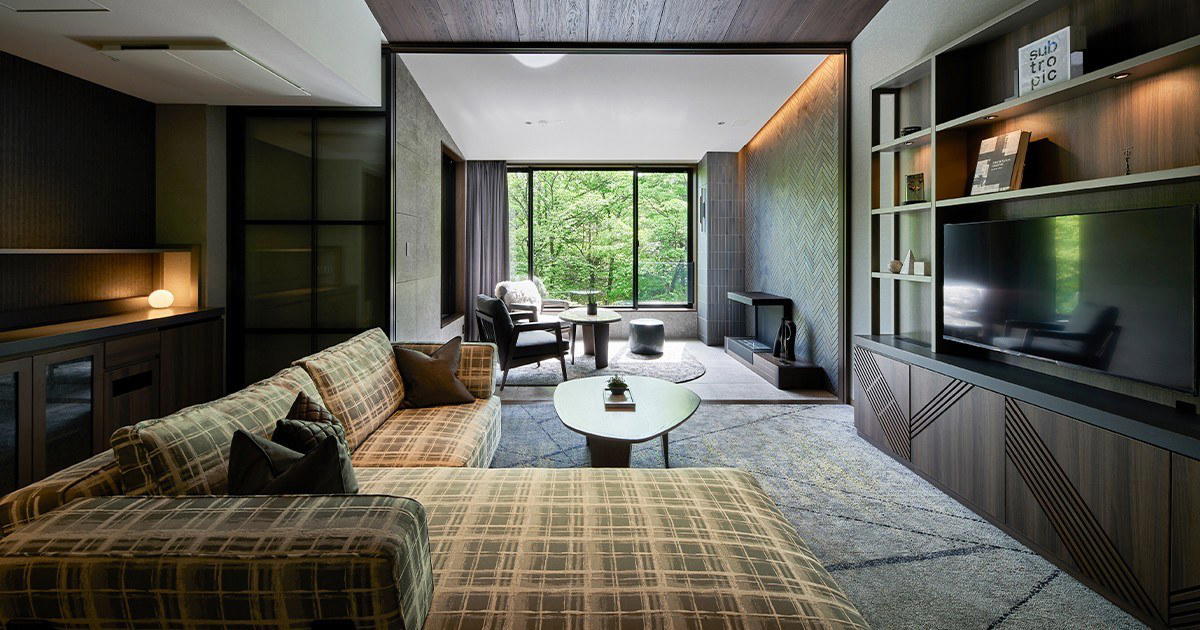
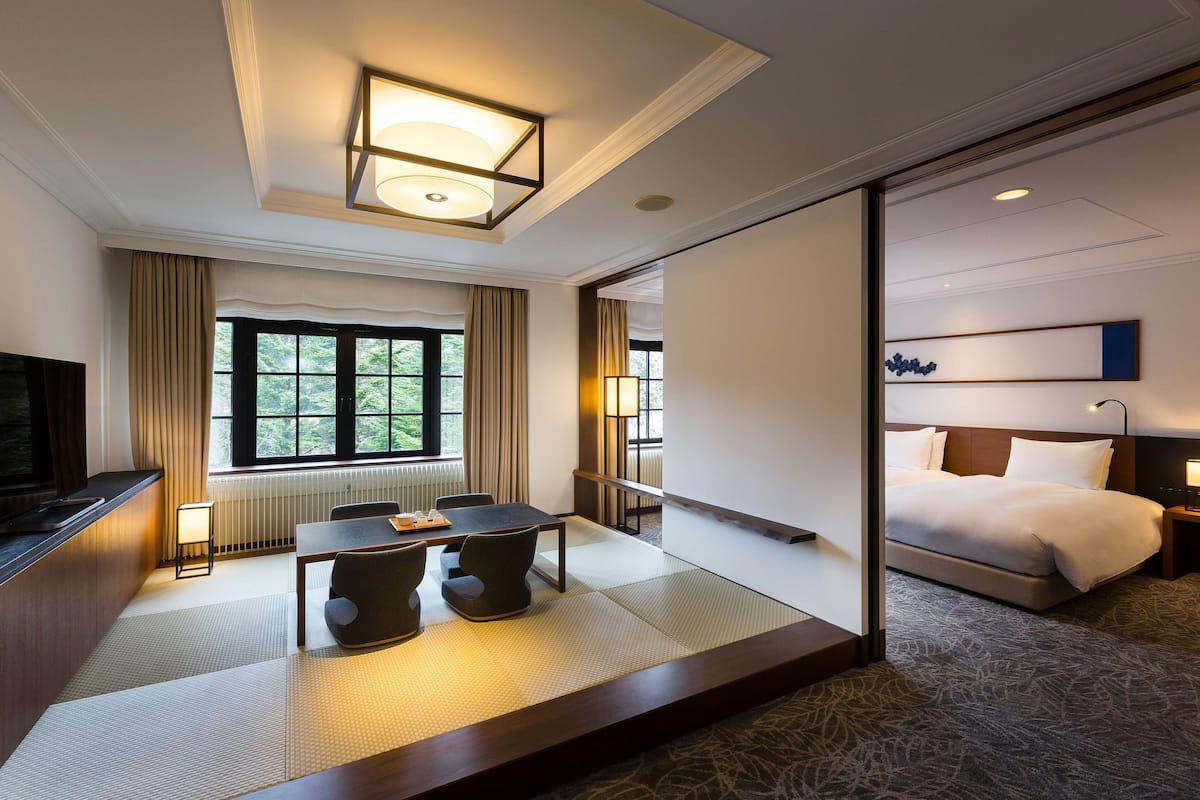
Wineries in Kitasaku-gun
Browse all →
At a Glance
- Modern
- Elegant
- Cozy
- Sophisticated
- Date Night
- Business Dinner
- Group Dining
- Celebration
- Special Occasion
- Hotel Restaurant
- Design Destination
- Extensive Wine List
- Local Sourcing
Current opening hours
- Monday
- 7:30–10 AM, 11:30 AM–2 PM, 5–10 PM
- Tuesday
- 7:30–10 AM, 11:30 AM–2 PM, 5–10 PM
- Wednesday
- 7:30–10 AM, 11:30 AM–2 PM, 5–10 PM
- Thursday
- 7:30–10 AM, 11:30 AM–2 PM, 5–10 PM
- Friday
- 7:30–10 AM, 11:30 AM–2 PM, 5–10 PM
- Saturday
- 7:30–10 AM, 11:30 AM–2 PM, 5–10 PM
- Sunday
- 7:30–10 AM, 11:30 AM–2 PM, 5–10 PM
Hours can change for holidays and private events. Last verified .
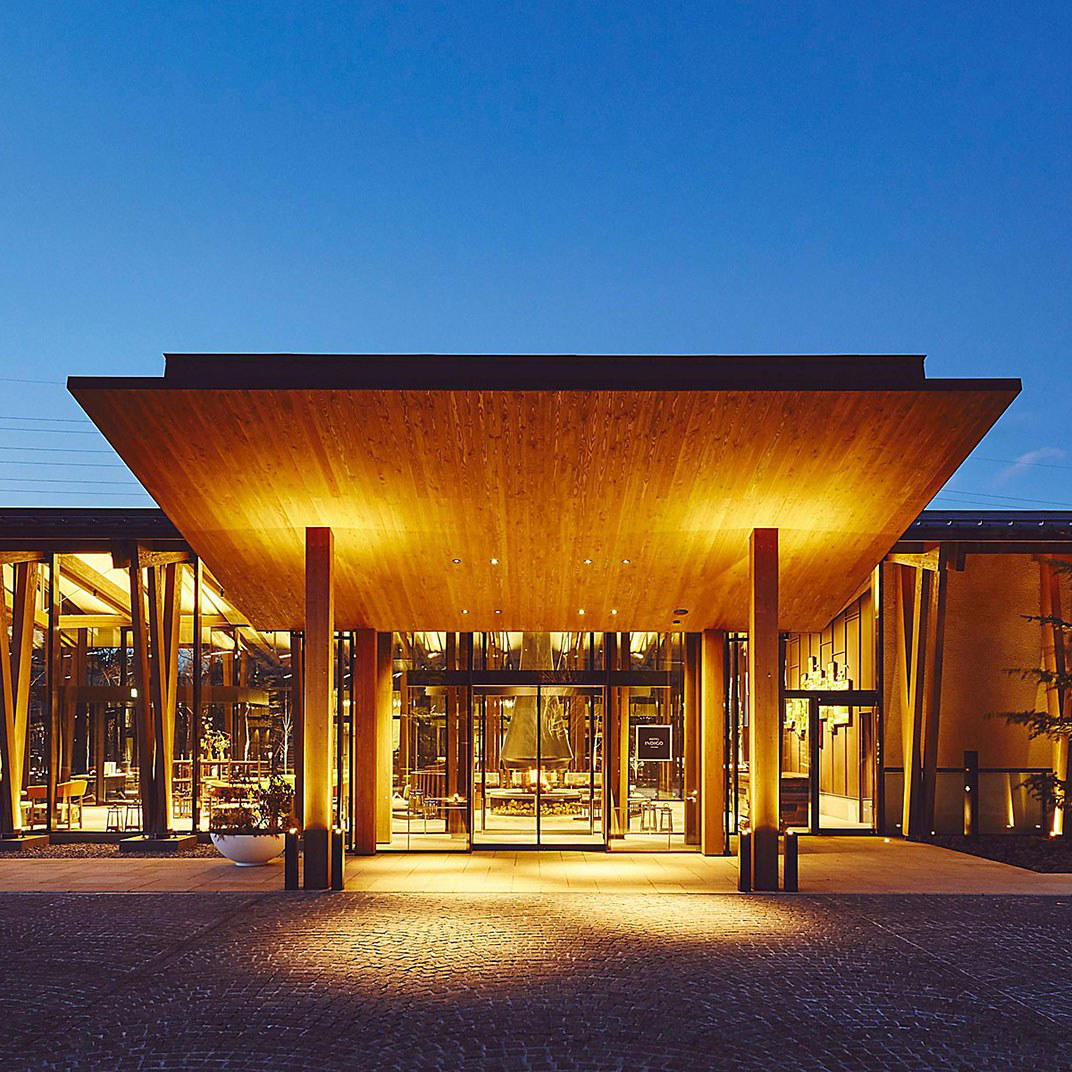
An open, stylish hotel restaurant with a calm and relaxed atmosphere, combining contemporary design with warm hospitality for leisurely course-based dining.