Kawakami An Honten

Kawakami An Honten places Karuizawa’s soba culture in a resort-town frame: stone-ground buckwheat noodles, tempura, izakaya drinking habits, and a room large enough for families, walkers, and weekend groups. Its Tabelog 100 Soba EAST 2025 selection gives the restaurant a clear quality signal without turning the meal into ceremony.
Pearl is the En Primeur Club membership app — saves, bookings, and concierge access live there. Same editors, same standards.
- Address
- 6-10 Karuizawa, Kitasaku District, Nagano 389-0102, Japan
- Phone
- +81 267-42-0009
- Website
- kawakamian.com
 Saves & bookings on Pearl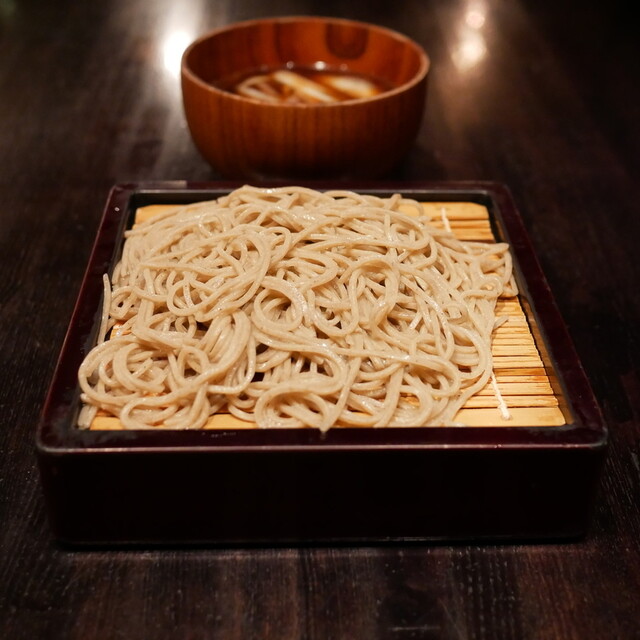
Approaching Karuizawa Ginza, the rhythm shifts from station-town movement to resort-street browsing: bakery windows, day-trippers, family groups, and the slower appetite after a walk through old Karuizawa. Here, soba works differently than at a hushed Tokyo counter. It is refreshment, lunch, drinking food, and a closing bowl after sake. Kawakami An Honten fits Nagano’s broader pattern, where buckwheat noodles carry local identity in a relaxed format for mixed tables.
Read it not as a rarefied noodle temple, but as Karuizawa’s answer to the Edo soba-ya: soba, tempura, sake, shochu, wine, and casual izakaya habits on one table. That flexibility matters in a resort town where meals bend around weather, train times, children, shopping streets, and late-afternoon appetite. A broad soba house has a different job from a tasting-menu room.
Soba in Karuizawa is resort food with serious buckwheat credentials
Nagano has one of Japan’s strongest soba associations, shaped by mountain climate and long buckwheat culture. Karuizawa adds a summer-retreat identity of villas, walking streets, cafés, and visitors escaping city heat. In this context, cold soba is not just regional; it is a practical seasonal meal, especially with tempura or small plates rather than a formal progression.
Kawakami An Honten’s inclusion in Tabelog 100 Soba EAST 2025 gives it a measurable credential in a category where reputation is often hyperlocal. It was also selected in the 2024 and 2021 soba lists, suggesting continuity rather than a single-year spike. Its Tabelog score of 3.72 places it in a serious public-rating band for Japan, particularly for a high-traffic resort restaurant operating at scale.
Scale is part of the point. Many soba specialists rely on small rooms and quick turnover; here, terrace seating and family use accommodate a broader Karuizawa crowd. The draw is not microscopic counter intimacy, but the ability to fold a recognisable Nagano soba meal into a day in town without losing the region’s noodle thread.
Compared with lighter casual stops such as French Bakery, haluta bageri, or Chimoto Sohonten Karuizawa honten, this is a fuller sit-down proposition. Against higher-spend dining nearby, its appeal is the opposite: regional specificity without making the day orbit around dinner. For a wider view of the local dining field, see Our full Kitasaku-gun restaurants guide.
The format favours noodles, tempura, and a drinking-table cadence
Japan’s soba-ya tradition has always been broader than bowl-and-go. Edo-period soba shops developed a culture of drinking first, then finishing with noodles, a sequence that survives through sake snacks, tempura, and chilled or warm soba. Kawakami An Honten sits in that lineage, with soba, tempura, and izakaya categories attached to the restaurant rather than a noodle-only identity.
The drink list reinforces the format. Sake and shochu keep the meal in familiar Japanese territory, while wine and cocktails acknowledge Karuizawa’s resort audience. In this town, that breadth makes sense: tables often include several generations, or travellers wanting regional food without a rigid script. Order in loose courses, not a formal course menu: vegetables or small plates if wanted, tempura for contrast, soba as anchor, and sake when the meal can slow down.
The Tabelog soba selection matters because soba is deceptively unforgiving. Buckwheat has less gluten than wheat, so texture, cut, aroma, and timing matter more than menu complexity. A strong soba house proves itself through consistency across noodles that decline quickly after cooking, and through the discipline to keep soba at the centre rather than an afterthought beside tempura.
This is where Karuizawa differs from Tokyo. In the capital, soba can be a specialist pilgrimage of small counters, limited batches, and queues. In Karuizawa, the tradition absorbs resort behaviour: lunch after shopping, dinner after a walk, children at the table, and terrace use when weather cooperates. The restaurant is therefore a useful read on the town as well as on soba technique.
How to place it within a Karuizawa itinerary
The restaurant suits the Karuizawa that mixes food with movement. It fits naturally after time around the old shopping street, when a meal should feel regional but not heavy. It is less suited to travellers seeking a quiet, chef-led counter or long wine-paired dinner; for that mood, compare more formal rooms such as A Fenestella or Chinese Hanten Reisho, depending on cuisine preference.
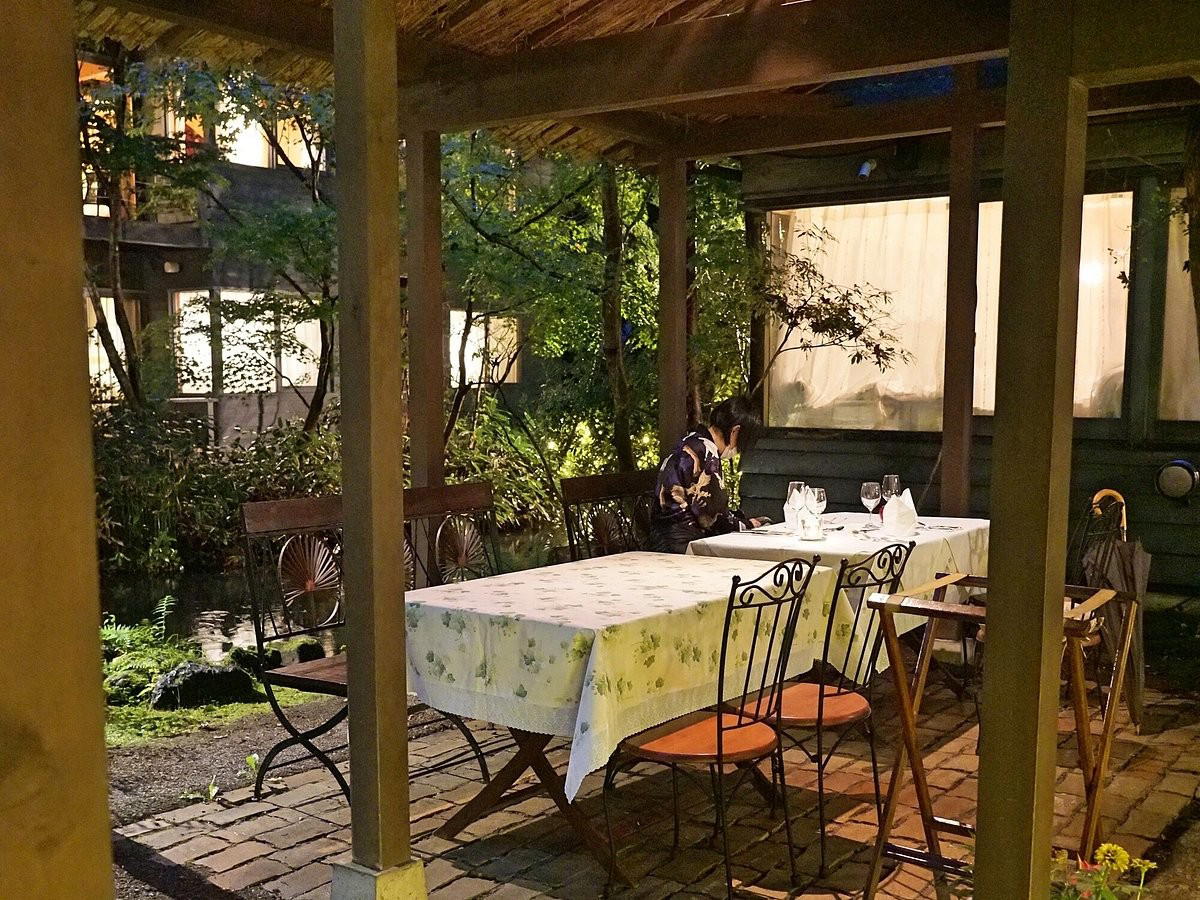
Families are part of the equation, not an afterthought. Children are welcomed, strollers accommodated, and the room’s size makes mixed groups easier than in many smaller Japanese noodle shops. Terrace seating adds seasonal usefulness in a town whose appeal is often outdoors first, dining second. Pets are allowed on the terrace, a meaningful detail for domestic travellers using Karuizawa as a villa or weekend base.
The practical reading is simple: choose it for Nagano soba culture in a flexible resort-town format. Lunch has stronger day-trip logic, while dinner gives more room for the drinking-table side of the soba-ya tradition. The no-smoking policy, English menu, wheelchair accessibility, and non-private-room setup point to open, mixed-use dining rather than secluded occasion dining.
Kitasaku-gun is broader than one meal, and Karuizawa rewards category-hopping: cafés in the morning, soba at midday, a more composed dinner later, and mountain-air downtime between. For planning beyond restaurants, EP Club’s local guides cover Kitasaku-gun hotels, Kitasaku-gun bars, Kitasaku-gun wineries, and Kitasaku-gun experiences.
For readers mapping Japanese food traditions beyond Nagano, useful contrasts include beef-focused dining at -Grilled beef Sukiyaki- KAMAKURA TANUKIAN 鎌倉 たぬき庵 in Kamakura, seafood-and-grill pacing at. 鮪と炭火焼き うお炭 秋葉原店 in Tokyo, café culture at.cafe in Osaka, contemporary regional dining at.know in Kumamoto, Vietnamese cooking in Japan at (Shoku) Vietnam in Kawasaki, curry specialization at [Curry Senmon Ten] Maruyama Kyoju. in Sapporo, sake-bar culture at Jōdo Saké Bar in Los Angeles, and rice-ball minimalism at Onigiri Time in Pasadena.
Budget Reality Check
Nearby venues at a similar price tier for orientation.
| Venue | Cuisine | Price | Notes |
|---|---|---|---|
| Kawakami An HontenThis venue — the venue you are viewing | Karuizawa, Japanese Soba | $$ | Not listed |
| Japanese cuisine Kasuke | Kitasaku-gun, Seasonal Japanese Kaiseki | $$$ | Not listed |
| Chimoto Sohonten Karuizawa honten | Old Karuizawa, Japanese sweets café | $ | Not listed |
| Manpei Hotel Cafe Terrace | Not listed | $$$ | Karuizawa, Historic hotel café & dessert terrace |
| A Fenestella | Not listed | $$ | Nagakura, Karuizawa-machi, Neapolitan Pizza |
| HELIOTROPE | Karuizawa, Innovative Fusion Fine Dining | $$$$ | Not listed |
Recognition history
Dated appearances from independent guides and award organizations, with the underlying list record or original source where available.
Tabelog 100 #11 · No. 11
Tabelog · Tabelog 100 - Soba - EAST - 2025
Continue exploring
More in Kitasaku-gun
Restaurants in Kitasaku-gun
Browse all →
Hotels in Kitasaku-gun
Browse all →
Wineries in Kitasaku-gun
Browse all →
At a Glance
- Classic
- Cozy
- Scenic
- Family
- Group Dining
- Casual Hangout
- Solo
- Terrace
- Standalone
- Sake Program
- Beer Program
Current opening hours
- Monday
- 10 AM–10 PM
- Tuesday
- 10 AM–10 PM
- Wednesday
- 10 AM–10 PM
- Thursday
- 10 AM–10 PM
- Friday
- 10 AM–10 PM
- Saturday
- 10 AM–10 PM
- Sunday
- 10 AM–10 PM
Hours can change for holidays and private events. Last verified .
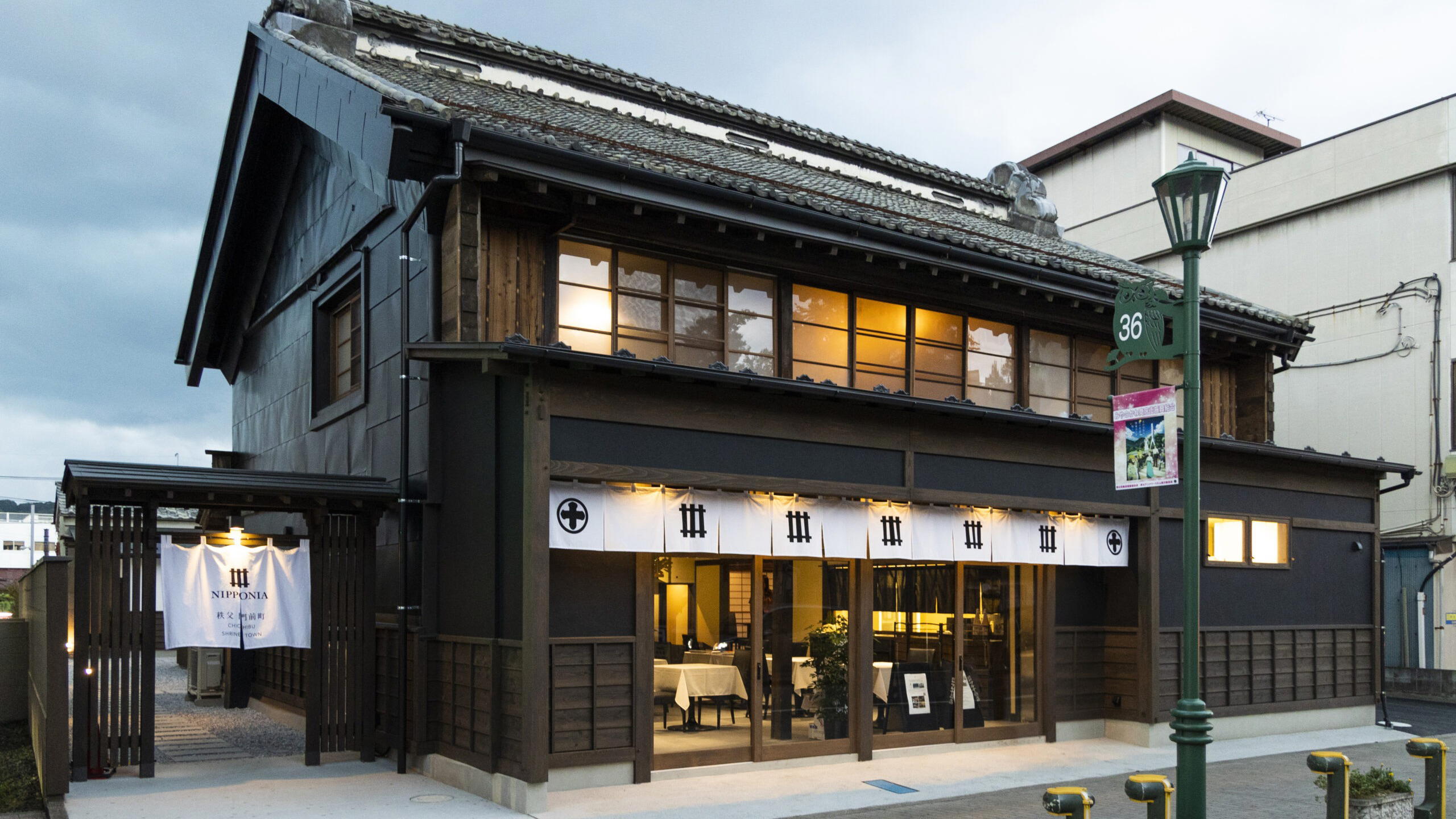
Stylish and traditional, with a spacious dining room and terrace seating that gives it a relaxed, resort-town feel; reviews also describe a bistro-like transformation in the evening.