
Our verdict
Janu Tokyo occupies the Azabudai Hills development in Minato City, placing it at the intersection of Tokyo's newest large-scale urban project and the global wellness-hotel movement. The property represents the Aman group's second brand, repositioned toward social programming and multi-venue food and beverage rather than the deep seclusion Aman properties typically offer. For Tokyo's premium hotel scene, that distinction matters considerably.

Pearl is the En Primeur Club membership app, where members save venues, book tables and use the concierge.

The menu
What to order
- Matsunaga sirloin
- Peking duck
- Sumibiyaki omakase
A New Brand Finds Its Footing in Tokyo's Most Watched Neighbourhood
Azabudai Hills opened in late 2023 as one of the largest urban redevelopment projects in Tokyo's recent history, reshaping a hillside in Minato City that had been in planning for nearly three decades. The scale is hard to overstate: mixed-use towers, cultural facilities, international schools, and a cluster of premium hospitality addresses all arrived within a compressed footprint. Into that context stepped Janu Tokyo, the debut property of the Aman group's second brand, launched specifically to occupy a different position from Aman's own template of remote, low-key, single-property seclusion.
That repositioning is the lens through which Janu Tokyo makes most sense. The luxury hotel market in Tokyo has split in recent years between established international flagships in Marunouchi and Roppongi, smaller design-led independents, and a growing cohort of mixed-use residential-hotel hybrids aimed at longer-stay and wellness-oriented travellers. Janu was conceived to sit in that third category, with a programming emphasis on movement, social spaces, and multi-concept dining rather than the hushed minimalism that defines Aman's core identity. In Tokyo, that pitch lands in a city already saturated with international luxury hotel brands, which means the opening generated both enthusiasm and scrutiny in roughly equal measure.
The Azabudai Setting and What It Means for a Staying Guest
The address, 1 Chome-2-2 Azabudai, Minato City, places Janu Tokyo within walking distance of Roppongi and Toranomon, two of the city's most internationally oriented districts. Azabudai Hills itself functions almost as a self-contained environment: retail, dining, galleries, and green space are integrated into the development, which means arriving guests encounter a curated neighbourhood before they encounter the city proper. For some travellers, that layered arrival reads as convenience; for others, it raises questions about how connected the experience feels to Tokyo's actual street-level texture.
Premium new-build hotels in Tokyo increasingly choose between two approaches. One group embeds itself in historically loaded neighbourhoods, drawing meaning from proximity to existing culture. The other builds identity around an internal world, making the property itself the destination. Janu Tokyo belongs to the second group. The Azabudai Hills development provides architecture and amenity density rather than neighbourhood character in the traditional sense, which suits the brand's social-programming focus but requires the food and beverage offer to do significant cultural work.
Dining at Janu Tokyo: Multiple Concepts Within One Property
What the format signals is clear enough: Janu positions dining as part of a broader social infrastructure rather than as a standalone destination. That places it in a different competitive set from Tokyo's standalone restaurant addresses. Properties like this are rarely where serious Tokyo diners go when food is the sole purpose of an evening. For comparison, the city's most respected standalone addresses, Harutaka for sushi at the highest omakase tier, RyuGin for kaiseki with a strong molecular inflection, or L'Effervescence for French cooking rooted in Japanese ingredients, operate as destinations in themselves, with booking windows measured in months and menus that shift with considerable precision. Janu's dining sits in a different register, aimed at guests who want quality and variety within a single property rather than a single, focused counter experience.
That said, Aman's track record with food and beverage across its global properties is not negligible. The group has consistently recruited credible culinary talent, and there is reasonable expectation that Janu Tokyo's dining program reflects that standard, even if it is structured for hotel-guest convenience rather than destination-dining intensity. Travellers who want to combine a stay here with Tokyo's serious dining scene would do well to plan those restaurant reservations independently, at addresses like Sézanne or Crony, well before arrival.
How Janu Compares to Tokyo's Premium Hotel Field
Tokyo's luxury hotel market entered the 2020s with a crowded upper tier. Aman Tokyo, which opened in 2014 in Otemachi, established a particular standard: a Japanese architectural vocabulary, deep quiet, and a spa program serious enough to anchor a stay independently. Janu Tokyo's challenge is to occupy a premium position without directly cannibalising that identity, and to do so in a city where travellers already have access to Four Seasons, Palace Hotel, The Peninsula, Mandarin Oriental, and a growing set of smaller independents.
The wellness angle is where Janu differentiates most explicitly. The brand's programming framework places movement studios, spa facilities, and social programming at its centre in a way that positions the property closer to a Six Senses or COMO than to a traditional city luxury hotel. Whether that resonates in Tokyo specifically depends on the traveller: the city's existing spa culture and the density of high-quality standalone wellness facilities mean the in-hotel offer needs to be genuinely competitive rather than simply comprehensive.
Planning a Visit: Japan Context Beyond Tokyo
For travellers using Janu Tokyo as a base for broader Japan exploration, Minato City's transport links make day trips and multi-city routing practical. The Toranomon and Kamiyacho subway stations serve the Azabudai area, connecting to the broader Tokyo Metro network and from there to Shinkansen departures at Tokyo and Shinagawa stations. Japan's premium restaurant scene extends well beyond the capital: HAJIME in Osaka and Gion Sasaki in Kyoto represent the kind of regional addresses that reward a longer itinerary, and further afield, akordu in Nara and Goh in Fukuoka offer significant culinary interest for travellers willing to route through those cities. For those heading to less-visited parts of Japan, addresses like 一本杉川嶋製 in Nanao and 湖翠庵 in Takashima illustrate how seriously the country's dining culture extends into regional prefectures. Our full Tokyo restaurants guide maps the city's broader dining options by neighbourhood and format.
Know Before You Go
- Address: 1 Chome-2-2 Azabudai, Minato City, Tokyo 106-0041, Japan
- Neighbourhood: Azabudai Hills, Minato City, adjacent to Roppongi and Toranomon districts
- Nearest Stations: Toranomon Hills (Hibiya Line), Kamiyacho (Hibiya Line)
- Reservations:Sézanne book out weeks or months ahead.
Is Janu Tokyo overpriced or worth every penny?
That calculation depends on what you are comparing it against. As the debut property of Aman's second brand, Janu Tokyo is priced in the upper tier of Tokyo's luxury hotel market, a set that includes Four Seasons, The Peninsula, and Aman Tokyo itself. The value proposition rests on the wellness programming and the Azabudai Hills location rather than on food-destination credentials alone. Travellers whose priority is serious dining would do better assessing the hotel's dining against its hotel peers, not against Tokyo's standalone restaurant scene, where addresses like L'Effervescence and Crony set a high bar at a different price structure.
How does Janu Tokyo differ from Aman Tokyo, and which suits a longer wellness-focused stay?
Aman Tokyo, which opened in 2014 in Otemachi's Otemachi Tower, is built around deep architectural quiet, Japanese material language, and a spa program designed for introspective, low-stimulation stays. Janu Tokyo, by contrast, positions itself around social programming, movement, and multi-concept food and beverage, a more outward-facing model suited to travellers who want structured activity alongside luxury accommodation. For a stay where wellness programming, group fitness, and varied dining are priorities, Janu's framework is the more intentional fit; for solitude and spatial immersion, Aman Tokyo remains the reference point in the group's own portfolio.
Frequently asked questions
Where is Janu Tokyo in Tokyo?
Janu Tokyo is located at 1 Chome-2-2 Azabudai, Minato City, Tokyo 106-0041, Japan, Tokyo.
How does Janu Tokyo's location in Azabudai Hills affect day-to-day access around the city?
The address at 1 Chome-2-2 Azabudai, Minato City places Janu Tokyo within walking distance of Roppongi and Toranomon, both of which have direct metro connections to central Tokyo, Shibuya, and the Shinkansen network at Tokyo Station. Azabudai Hills itself is a self-contained mixed-use precinct with retail, F&B;, and cultural programming, which means guests with limited mobility or tighter schedules can remain within the development and still have a functional range of options. For travellers using Tokyo as a base for Kyoto or Osaka day trips, Toranomon's proximity to the airport express routes at Shinagawa is a practical advantage.
What dish is Janu Tokyo famous for?
No single signature dish has been confirmed for Janu Tokyo. The property runs multiple dining concepts within the Azabudai Hills address in Minato City, and the brand's public positioning centres on wellness programming rather than a flagship culinary statement.
Do I need a reservation for Janu Tokyo?
For overnight stays, booking well ahead is advisable. Janu Tokyo is the debut property of Aman's second brand and sits within the Azabudai Hills development, one of the largest urban redevelopment projects in Tokyo's recent history, which has drawn sustained attention since its late 2023 opening. If you are targeting a specific dining concept within the hotel, reservation requirements will vary by outlet and should be confirmed directly with the property at 1 Chome-2-2 Azabudai, Minato City.
What's the signature at Janu Tokyo?
The defining framework is wellness and social programming rather than any single restaurant or spa treatment. Janu as a brand was conceived by Aman as a more socially oriented counterpoint to Aman's solitary retreat model, and at the Tokyo property this translates into multiple food, beverage, and movement spaces designed to be used in combination. The address inside Azabudai Hills, which connects to Roppongi and Toranomon on foot, reinforces that outward-facing orientation.
Is Janu Tokyo good for vegetarians?
Tokyo hotels operating at this price tier routinely offer structured vegetarian options across their dining outlets, often drawing on the depth of Japanese plant-based cooking traditions, but what Janu Tokyo's individual concepts provide should be confirmed when booking. The multi-concept food and beverage format at the Azabudai Hills address means dietary needs are best flagged at the hotel level rather than outlet by outlet.
Is Janu Tokyo overpriced or worth every penny?
The honest answer depends on what you are benchmarking against. As the launch property of Aman's second brand, Janu Tokyo sits in the upper tier of Tokyo's already crowded premium hotel market alongside Aman Tokyo in Otemachi and the Park Hyatt in Shinjuku. If the wellness and social programming framework is what you are paying for, the Azabudai Hills location, connected by foot to Roppongi and Toranomon, adds meaningful practical value for a business or leisure traveller who wants central access alongside the amenity depth.
Price and Positioning
| Venue | Cuisine | Price | Awards | Notes |
|---|---|---|---|---|
| Janu TokyoThis venue (the venue you are viewing) | Modern Asian-European Fusion | Not listed | Not listed | Not listed |
| Harutaka | Edo-Style Omakase Sushi | $200–300 | 3 Michelin Stars · World's 50 Best #76 | Sushi |
| L'Effervescence | Modern French with Japanese Influences | $200–300 | 3 Michelin Stars · World's 50 Best #69 | French |
| RyuGin | Modern Kaiseki | $500+ | 3 Michelin Stars · World's 50 Best #41 | Kaiseki, Japanese |
| Crony | Modern French with Japanese Influences | $150–200 | 2 Michelin Stars · World's 50 Best #34 | Innovative, French |
| Florilège | Modern French-Japanese Plant-Based Fine Dining | $50–100 | 2 Michelin Stars · World's 50 Best #31 | French |
Recognition history
Dated appearances from independent guides and award organizations, with the underlying list record or original source where available.
Vogue 2026 Vogue Global Spa Guide: 100 Best Spas in the World
Vogue
Janu Tokyo
Featured Guides
Continue exploring
More in Tokyo
Restaurants in Tokyo
All restaurants in Tokyo →
Bars in Tokyo
All bars in Tokyo →



Details
- Modern
- Elegant
- Sophisticated
- Trendy
- Date Night
- Special Occasion
- Business Dinner
- Hotel Restaurant
- Open Kitchen
- Private Dining
- Terrace
- Panoramic View
- Sake Program
- Craft Cocktails
- Natural Wine
- Local Sourcing
- Skyline
- A La Carte
- Omakase
- Tasting Menu
- Sake Program
- Natural Wine
- Craft Cocktails
- Vegetarian Friendly
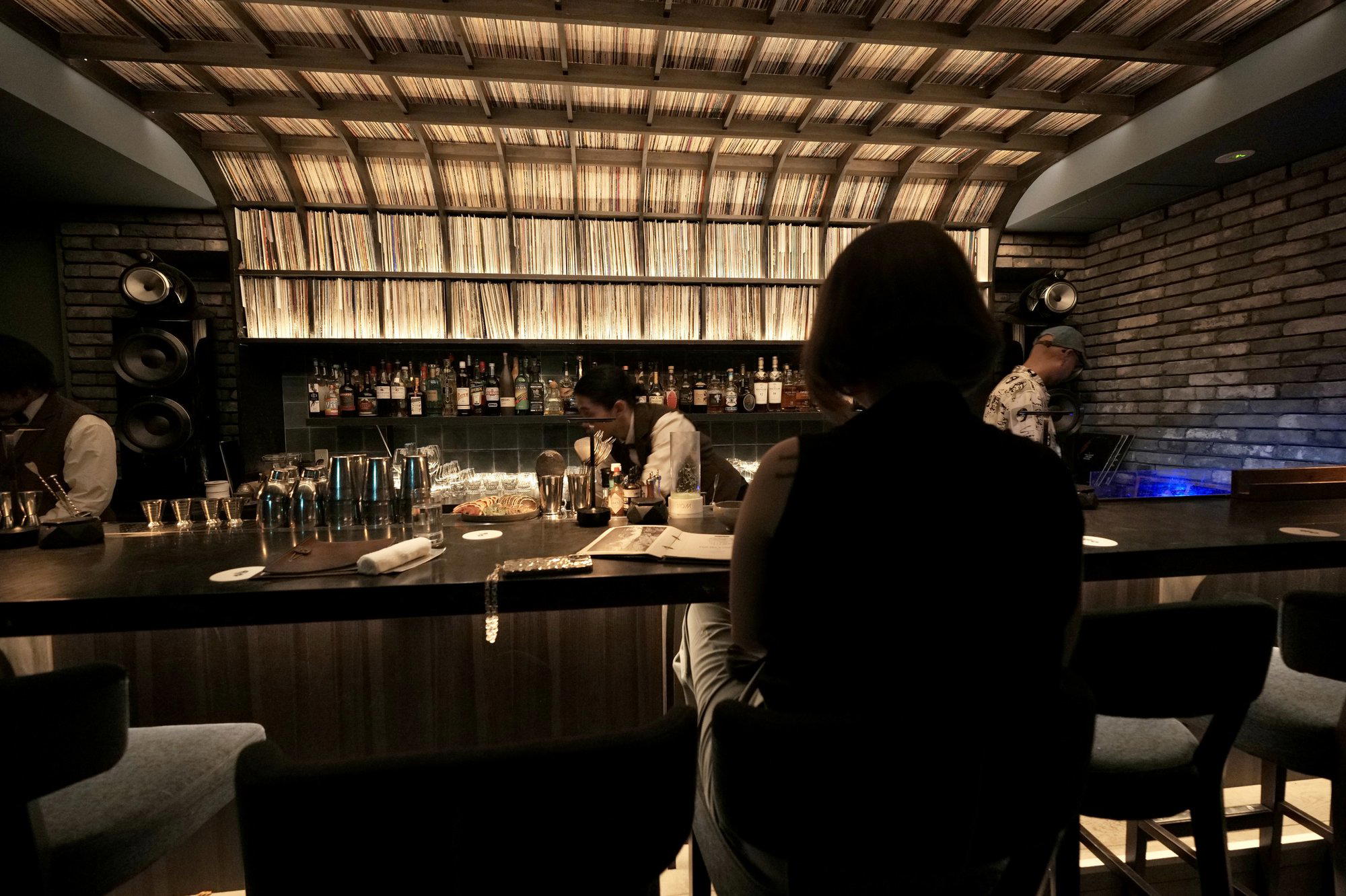
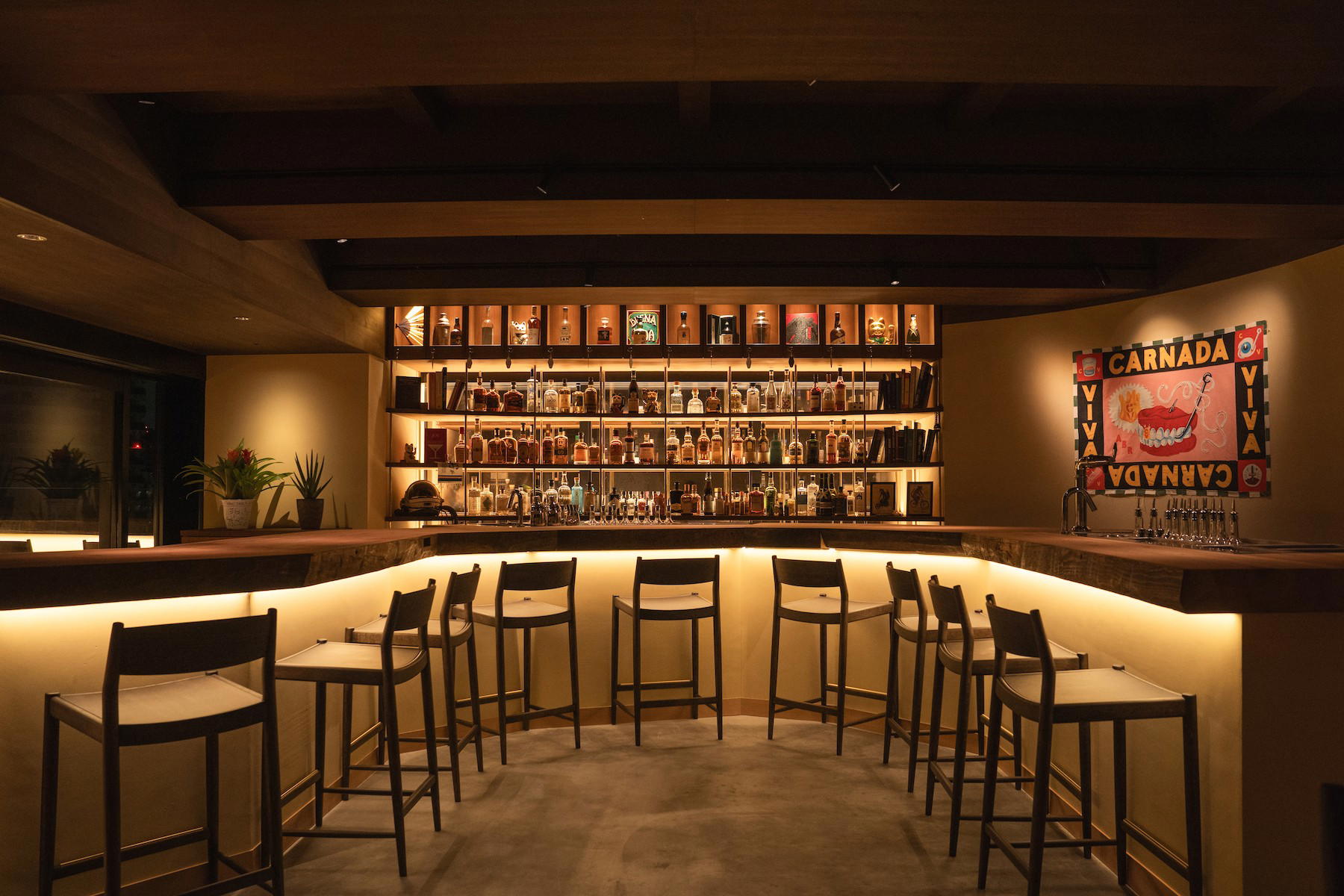
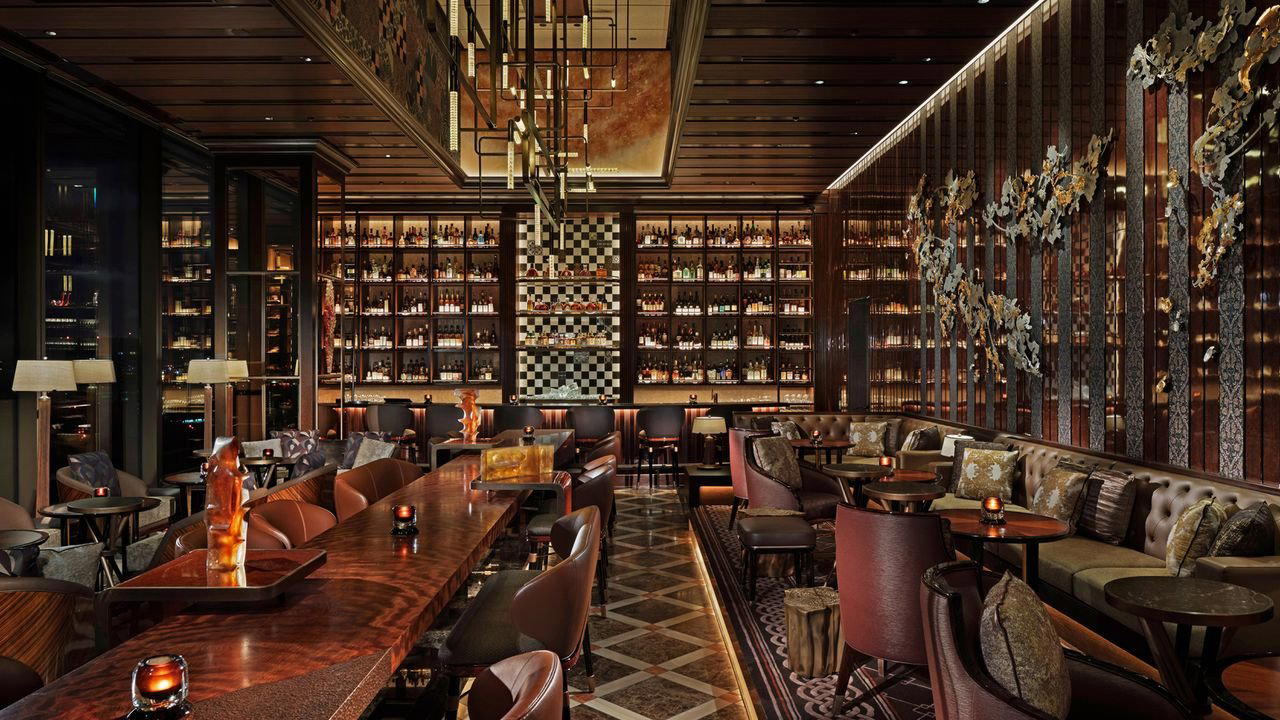
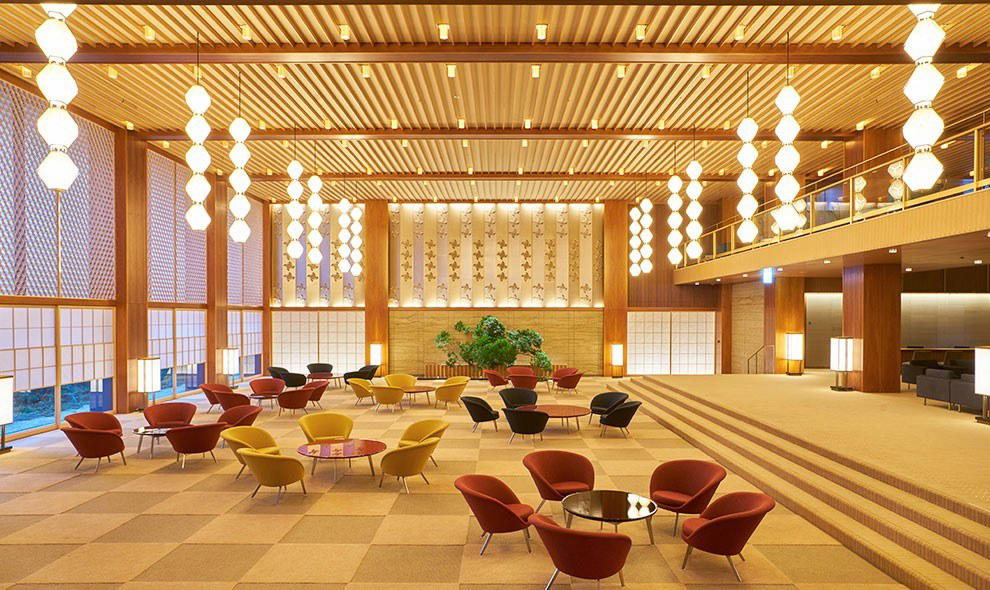
Sophisticated and lively atmosphere with open kitchens, warm lighting, and panoramic city views from terraces.