Jang Restaurant
Positioned on the mezzanine level of the Royal Exchange in the heart of the City, Jang Restaurant occupies one of London's more architecturally loaded dining rooms. The address places it among a tier of EC3 dining destinations that trade on setting as much as plate, with the historic exchange building providing a context few London restaurants can match. Comparable Korean-influenced fine dining in London sits alongside internationally recognised addresses at Atomix in New York.
Pearl is the En Primeur Club membership app — saves, bookings, and concierge access live there. Same editors, same standards.
- Address
- The Mezzanine, First Floor, Royal Exchange, London EC3V 3LQ, United Kingdom
- Phone
- +442081872209
- Website
- jangrestaurant.co.uk
- Directions
- Get directions
 Saves & bookings on Pearl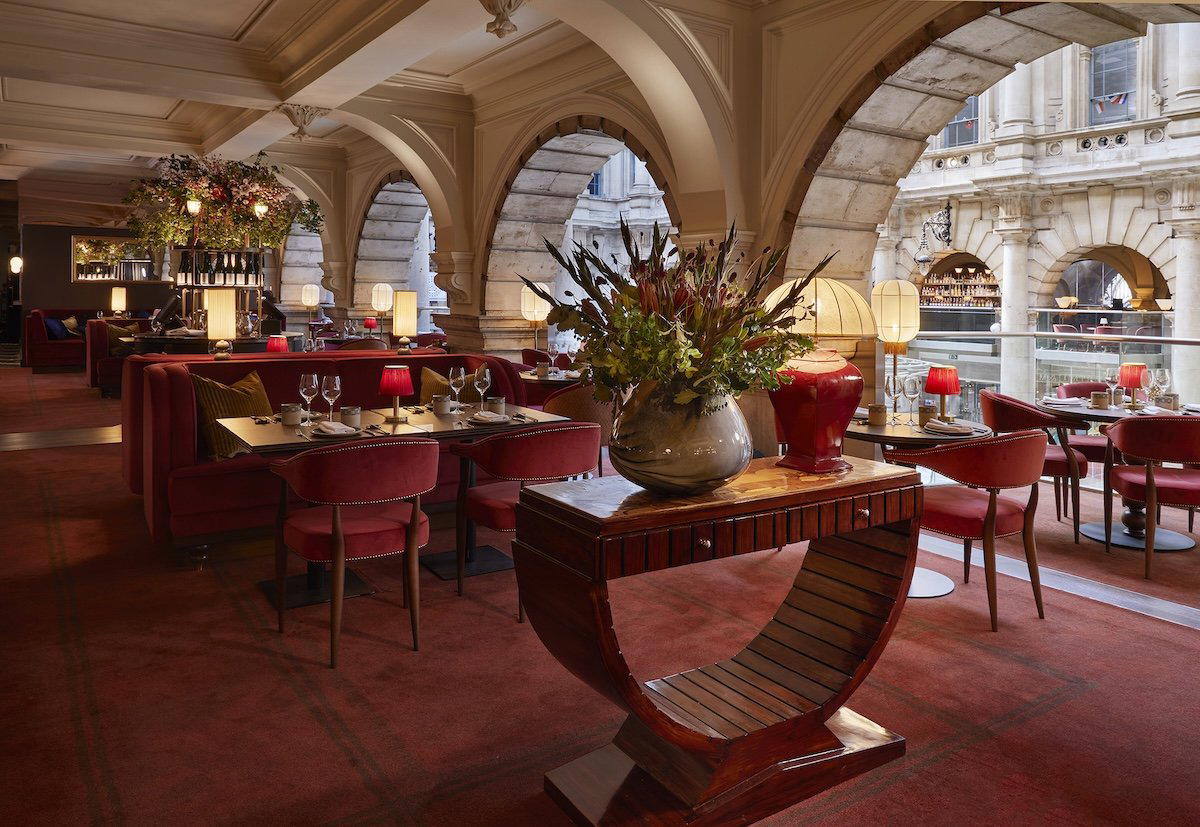
Dining Inside a Monument: The Royal Exchange as a Restaurant Setting
The Royal Exchange in EC3V is not a neutral backdrop. Built in the sixteenth century as London's first commodities exchange and rebuilt twice since, the building has housed merchants, insurers, and now a luxury retail and dining quarter that occupies its courtyard and upper levels. The mezzanine position that Jang Restaurant holds places it above the ground-floor bustle of the exchange's central space, giving diners a vantage point over one of the City's most architecturally loaded interiors. In a city where restaurant settings range from converted warehouses to purpose-built glass boxes, a room inside a Grade I listed exchange building represents a specific kind of context: historical weight married to contemporary use.
That combination defines a particular tier of City dining. The Square Mile has never been a natural home for destination restaurants in the way that Mayfair or Notting Hill has, but the Royal Exchange address has historically attracted operators who understand that finance-district diners expect their environment to carry some symbolic charge. Jang's mezzanine placement signals an awareness of that expectation.
Korean Fine Dining in London: Where the Category Sits
London's Korean restaurant offer has expanded significantly over the past decade, moving from a cluster of mid-market restaurants around New Malden and Soho into a more distributed, premium-facing set of addresses. That shift mirrors what happened with Japanese dining in London through the 2000s: an established community cuisine gradually developing a fine-dining tier that could compete with European formats on price, setting, and critical attention.
Atomix in New York City holds two Michelin stars and operates a counter-format omakase that has redefined how Korean technique translates into a tasting-menu framework. London has not yet produced a direct equivalent at that recognition level, which means the market remains open for a restaurant capable of occupying that space. The City address, with its concentration of internationally mobile diners, is a logical location for such an attempt.
For broader context on where Jang fits within London's wider fine-dining offer, the range of the city's recognised addresses runs from CORE by Clare Smyth and Restaurant Gordon Ramsay at the established Michelin end, through to newer entrants redefining what London fine dining looks like in the current decade.
The Wine Question at a Korean Restaurant
The wine list is among the more revealing documents in any fine-dining restaurant, and at a Korean-influenced address it carries particular interpretive pressure. European fine dining has centuries of wine-and-food pairing convention to draw on; Korean cuisine, with its emphases on fermented, spiced, and umami-forward flavours, does not slot neatly into those conventions. The restaurants that handle this well tend to make a deliberate curatorial choice: either they build a list that leans into natural wines and skin-contact whites that can hold their own against fermented heat, or they develop a parallel drinks program of traditional Korean fermented drinks (makgeolli, dongdongju, aged soju) alongside a conventional wine list.
Particularly ambitious Korean fine-dining addresses internationally have moved toward sommelier programs that treat the pairing challenge as an opportunity rather than a problem to be managed. A thoughtful list at a City address needs to work across multiple registers: the finance-district diner who arrives with a specific Burgundy expectation, the curious visitor who wants to understand Korean fermented drinks, and the table that simply wants a reliable glass of Champagne with whatever arrives first. Depth in all three areas, rather than dominance in one, is typically the mark of a list that has been built with actual dining occasions in mind rather than as a catalogue exercise.
London's broader fine-dining benchmark for wine program depth includes addresses like Sketch, The Lecture Room and Library and The Ledbury, both of which operate cellar programs that span multiple decades and appellations. Outside London, the reference set extends to Le Manoir aux Quat'Saisons in Oxford and L'Enclume in Cartmel, where the wine list functions as a standalone argument for the restaurant's seriousness.
The City Dining Pattern and What It Demands
Restaurants in the EC3 postcode serve a specific daily pattern. Lunch is the primary revenue driver for most City addresses, with a midweek concentration of corporate bookings and a weekend drop-off that is more pronounced than almost anywhere else in central London. That pattern shapes everything from menu format to service pace to the kinds of wines that move fastest. A restaurant that trades primarily on dinner will find the City challenging; one that treats lunch as the main event and calibrates its offer accordingly tends to find a more natural fit with the neighbourhood's rhythms.
The Royal Exchange specifically benefits from a resident footfall that is more consistent than a standalone City address, since the building's retail and bar tenants generate through-traffic on days when the broader Square Mile quiets. That structural advantage matters for a restaurant that needs visibility to build a reservation base. For comparison, restaurants outside London that operate in similarly low-footfall environments, such as hide and fox in Saltwood or Gidleigh Park in Chagford, rely on a destination-dining proposition to compensate for their remove from organic passing trade. The Royal Exchange position removes that problem while introducing a different one: standing out within a building where multiple operators compete for the same captive audience.
Where Jang Sits in a Broader Fine-Dining Geography
Understanding Jang requires placing it within London and international reference points. Within London, the Modern British and European fine-dining tier represented by Dinner by Heston Blumenthal and the Michelin-recognised addresses in Mayfair sets the price and expectation ceiling that any City fine-dining operator has to work relative to. Nationally, restaurants like Moor Hall in Aughton, Midsummer House in Cambridge, and Restaurant Andrew Fairlie in Auchterarder demonstrate what sustained critical recognition looks like for UK fine dining outside the London core. The route to that kind of recognition for a Korean-influenced address in London runs through consistency, a coherent food-and-drink philosophy, and a willingness to be judged by the same criteria as any other serious restaurant.
Internationally, the comparison with Le Bernardin in New York City is instructive in a structural sense: Le Bernardin built its reputation by treating a single culinary tradition (French seafood technique) with absolute seriousness over decades, and that focus became its competitive advantage. For a Korean fine-dining restaurant in London to follow a comparable arc, the same clarity of conviction would need to be present from the outset. The Royal Exchange address gives Jang a setting capable of supporting that kind of ambition.
The Quick Read
Comparable venues nearby, for context on price, style, and recognition.
| Venue | Cuisine | Price |
|---|---|---|
| Jang RestaurantThis venue — the venue you are viewing | Cheapside, Korean-Japanese Fusion | $$$ |
| Myung Ga Korean Restaurant | Soho, Authentic Korean BBQ | $$ |
| KOREAN BBQ HOUSE | St Luke's, Halal Korean BBQ | $$ |
| The Clink Restaurant Brixton | Clapham, Modern British Fine Dining | $$$ |
| Harvey Nichols | Belgravia, British Cafe | $$$ |
| Patara Beauchamp Place | Brompton, Authentic Fine Thai | $$$ |
Continue exploring
More in London
Restaurants in London
Browse all →
Bars in London
Browse all →
Hotels in London
Browse all →


At a Glance
- Elegant
- Intimate
- Sophisticated
- Modern
- Date Night
- Business Dinner
- Special Occasion
Current opening hours
- Monday
- 12–11 PM
- Tuesday
- 12–11 PM
- Wednesday
- 12–11 PM
- Thursday
- 12–11 PM
- Friday
- 12–11 PM
- Saturday
- 12–9:30 PM
- Sunday
- Closed
Hours can change for holidays and private events. Last verified .
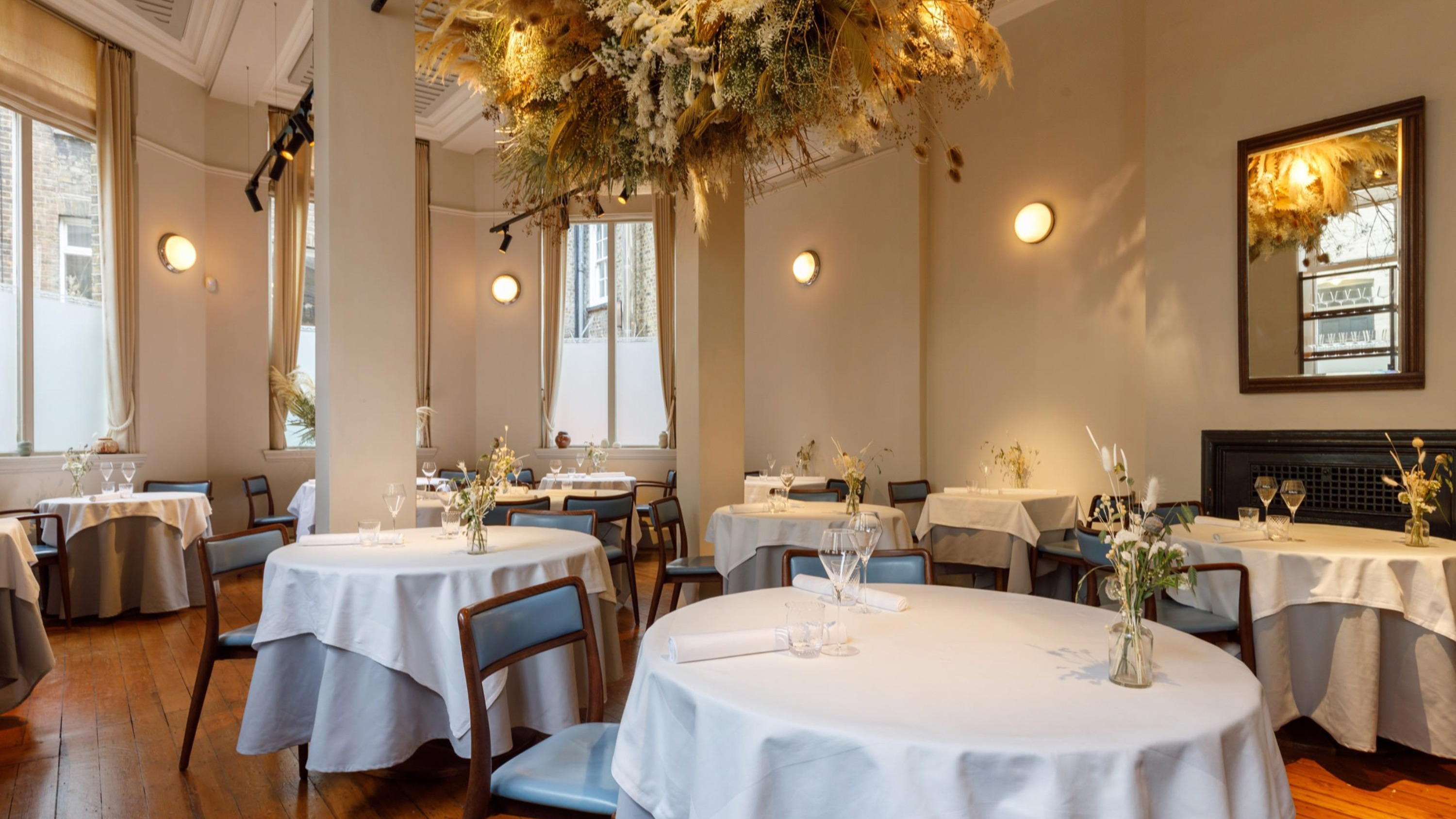
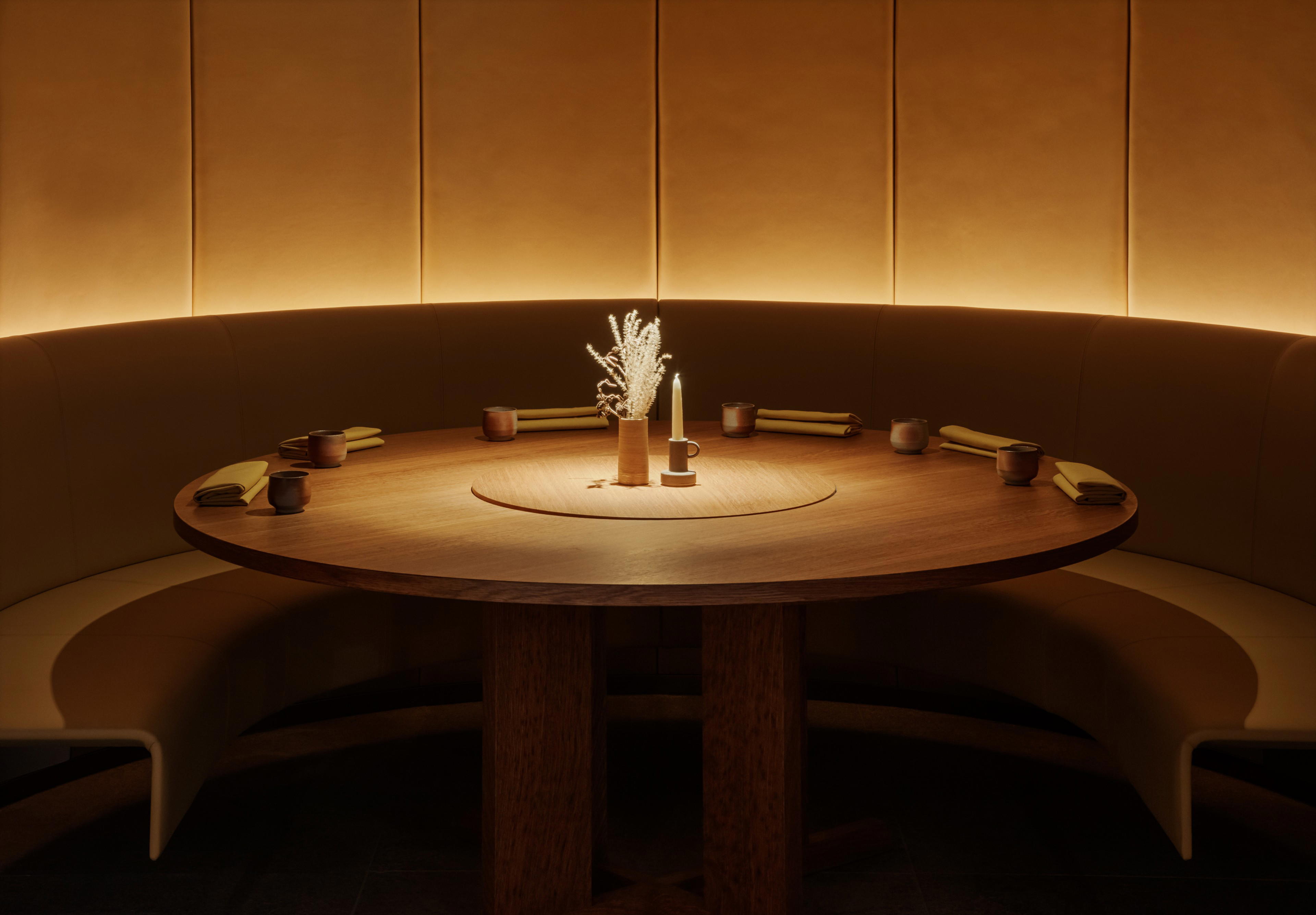
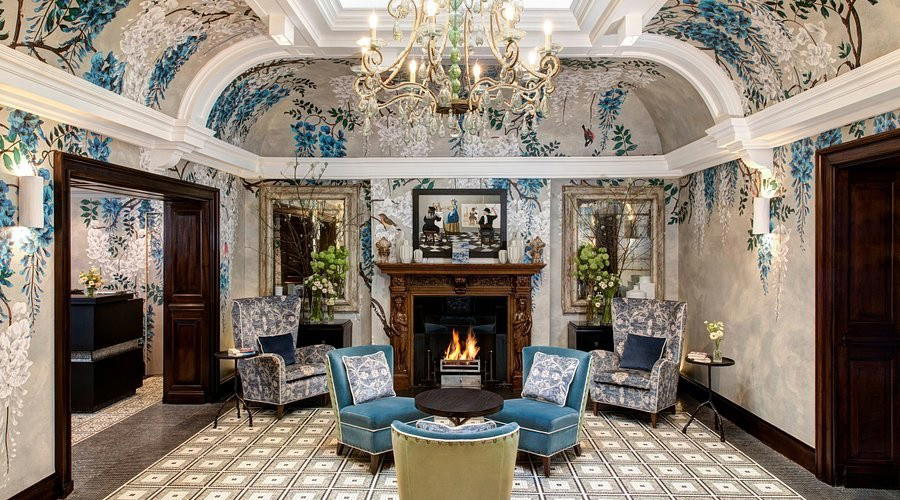
Elegant, softly lit intimate space with nods to oriental heritage.