Jade Court
Jade Court sits in Cape Town's Tygervalley suburb, operating within a dining tradition where Chinese-influenced cuisine has carved a quiet but consistent following in South Africa's northern suburbs. The room draws a cross-section of family groups and business diners who return for the ritual cadence of shared plates, sauced proteins, and steamed staples that define the format across the region.
Pearl is the En Primeur Club membership app — saves, bookings, and concierge access live there. Same editors, same standards.
- Address
- Tygervalley, iKapa
- Directions
- Get directions
 Saves & bookings on Pearl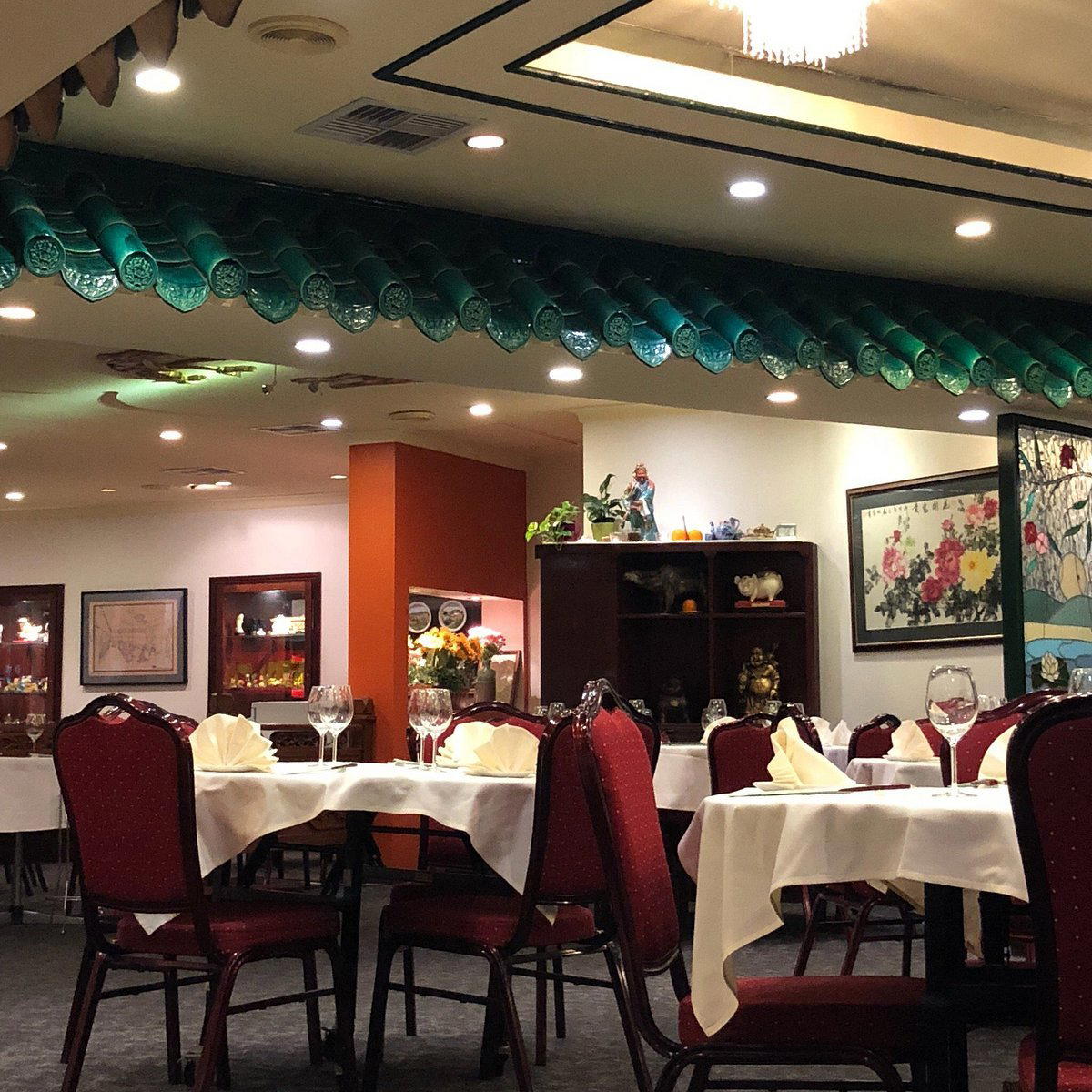
The Northern Suburbs and the Chinese Dining Tradition in Cape Town
Cape Town's restaurant conversation tends to centre on the city bowl and Atlantic Seaboard, where Fyn pursues Japanese-South African fusion and La Colombe holds court in Constantia. But the northern suburbs — Tygervalley in particular — have sustained a different kind of dining culture for decades: unpretentious, community-facing, built around the rhythms of shared tables rather than tasting menus. Chinese restaurants in this part of Cape Town follow a format that has remained largely stable across generations. The meal is a social structure before it is a culinary event. Dishes arrive in sequence or in clusters, meant to be passed, divided, debated. Jade Court operates within that tradition.
Tygervalley itself is a dense suburban commercial zone, the kind of area that accumulates restaurants not through editorial curation but through sustained local demand. Venues here earn their longevity through neighbourhood loyalty rather than critic attention, which produces a different kind of reliability from the accolade-chasing establishments that dominate Cape Town's fine dining tier. The Test Kitchen and Salsify at the Roundhouse occupy a separate register entirely, one where the meal is structured as a designed experience with a defined arc. Jade Court belongs to a different category: the neighbourhood anchor, where the ritual is familiar and repetition is part of the value.
How the Meal Unfolds
The customs of a Chinese restaurant meal in South Africa carry specific rhythms that anyone who grew up eating in these rooms will recognise. Tea arrives early and stays. The menu is navigated as a group exercise, with dishes mapped across proteins, vegetables, and rice or noodle bases. Portion sizes are calibrated for sharing rather than individual consumption, which means the table dynamic matters more than the single diner's preference. This is a format that rewards experience: knowing how many dishes to order for a table of four, understanding which combinations work, recognising when to add a soup course or when the pacing is already sufficient.
At Jade Court, that cadence plays out in a room that serves a mixed cross-section of diners: family groups anchoring long Saturday lunches, business tables running through midweek dinners, couples who have been coming long enough to order without consulting the menu. The dining ritual here is not theatrical, there are no ceremony-laden presentations or tableside finishes. The experience is defined instead by its steadiness. Dishes that have appeared on the menu across years carry a different kind of trust than those that rotate seasonally, and in a format built around repetition, that consistency is the product.
For comparison, venues elsewhere in the Western Cape that have attracted editorial attention, Le Quartier Français in Franschhoek or Wolfgat in Paternoster, are built around individual vision and scarcity of access. Wolfgat in Saldanha Bay draws on foraged coastal ingredients as its defining premise. Bread & Wine Vineyard Restaurant in Stellenbosch sits within the wine country framework. Jade Court operates in none of those registers. Its reference points are the community it serves and the format it has inherited, which is a legitimate and underexamined category in any serious account of how a city actually eats.
Placing Jade Court in Cape Town's Broader Picture
South Africa's Chinese restaurant tradition developed through several overlapping waves of migration, and the format that settled into suburban venues like those in Tygervalley reflects a Cantonese-influenced cooking style adapted over decades to local ingredients and local palates. The result is neither purely authentic to any regional Chinese tradition nor fully localised, it occupies a hybrid position that is specific to South Africa's urban dining history. That hybridity is not a defect; it is the category. Comparing it to the precision of a dim sum house in Hong Kong or a regional Sichuan specialist misses the point of what these rooms are doing and why they persist.
Within Cape Town's broader restaurant map, which you can explore in our full Cape Town restaurants guide, the restaurant represents the kind of venue that rarely appears in editorial features but accounts for a large share of how residents actually use restaurants: as social infrastructure, as reliable weekly ritual, as a place where the experience is known in advance and that predictability is the draw. 95 at Parks operates in a different neighbourhood register with its own local following. Venues like EAT YOUR HEART OUT in Hillbrow or Foundry in Sandton reflect how the same community-anchor dynamic plays out in Johannesburg. Across South Africa, this tier of dining absorbs more covers per week than the fine dining venues that attract most of the attention.
Internationally, the contrast is sharper still. The technical ambition of Le Bernardin in New York City or the Korean-influenced precision of Atomix in New York City represents one end of a spectrum. The restaurant sits at the other end, not aspirationally, but structurally. The question these venues answer is different: not what the kitchen can achieve, but what a neighbourhood needs and returns to. Further afield, La Sosta Restaurant in Swellendam, Cairo Kitchen in Kungwini Part 2, and Klein Jan in Moshaweng Nu each illustrate how dining identity forms outside of major urban centres, and how those venues build their own kind of authority through context and continuity rather than accolades.
Planning Your Visit
The restaurant is located in Tygervalley, in the northern suburbs of Cape Town, accessible by car from the city centre in under 30 minutes depending on traffic. For this type of venue, weekend lunchtimes tend to draw family groups and longer tables, while weekday evenings are typically calmer. The format suits groups of three or more, where the shared-plate structure can be properly deployed. Solo diners and couples can eat here but will find the menu scales more naturally at larger table sizes.
Cuisine Context
Comparable venues nearby, for context on price, style, and recognition.
| Venue | Cuisine | Price | Notes |
|---|---|---|---|
| Jade CourtThis venue — the venue you are viewing | Japanese Sushi | $$ | Not listed |
| The Company's Garden Restaurant | South African Cafe | $$ | City Bowl |
| Judd’s Local | European Gastropub | $$ | Higgovale |
| Lievita | Authentic Neapolitan Pizza & Pasta | $$ | Schotschekloof |
| Grand Africa Café & Beach | Mediterranean Beach Café with Italian Influences | $$$ | Mouille Point |
Continue exploring
More in Cape Town
Restaurants in Cape Town
Browse all →
Bars in Cape Town
Browse all →
Hotels in Cape Town
Browse all →
At a Glance
- Lively
- Modern
- Casual Hangout
- Group Dining
- Date Night
- Open Kitchen
- Sake Program
Modern casual dining atmosphere with an elegant sushi counter and dining area, popular for lively social gatherings.