Jackson Fillmore Trattoria
Jackson Fillmore Trattoria on Fillmore Street sits at the intersection of San Francisco neighborhood dining and Italian trattoria tradition. The Upper Fillmore address places it within one of the city's most established residential dining corridors, where the format rewards repeat visits over single-occasion spectacle. A reference point for the kind of Italian cooking that prioritizes consistency over trend-chasing.
 Discover on Pearl
Pearl is the En Primeur Club membership app — saves, bookings, and concierge access live there. Same editors, same standards.
- Address
- 2506 Fillmore St, San Francisco, CA 94115
- Phone
- +14153465288
- Website
- jacksonfillmoretrattoria.com
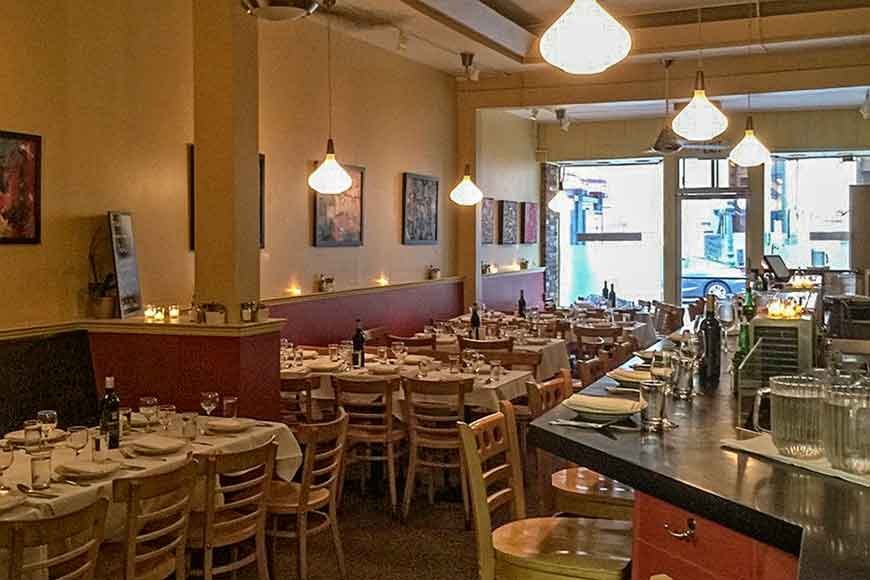
Jackson Fillmore Trattoria is a Roman and Southern Italian trattoria in San Francisco, priced at about $40 per person. Upper Fillmore and the Space Around the Table
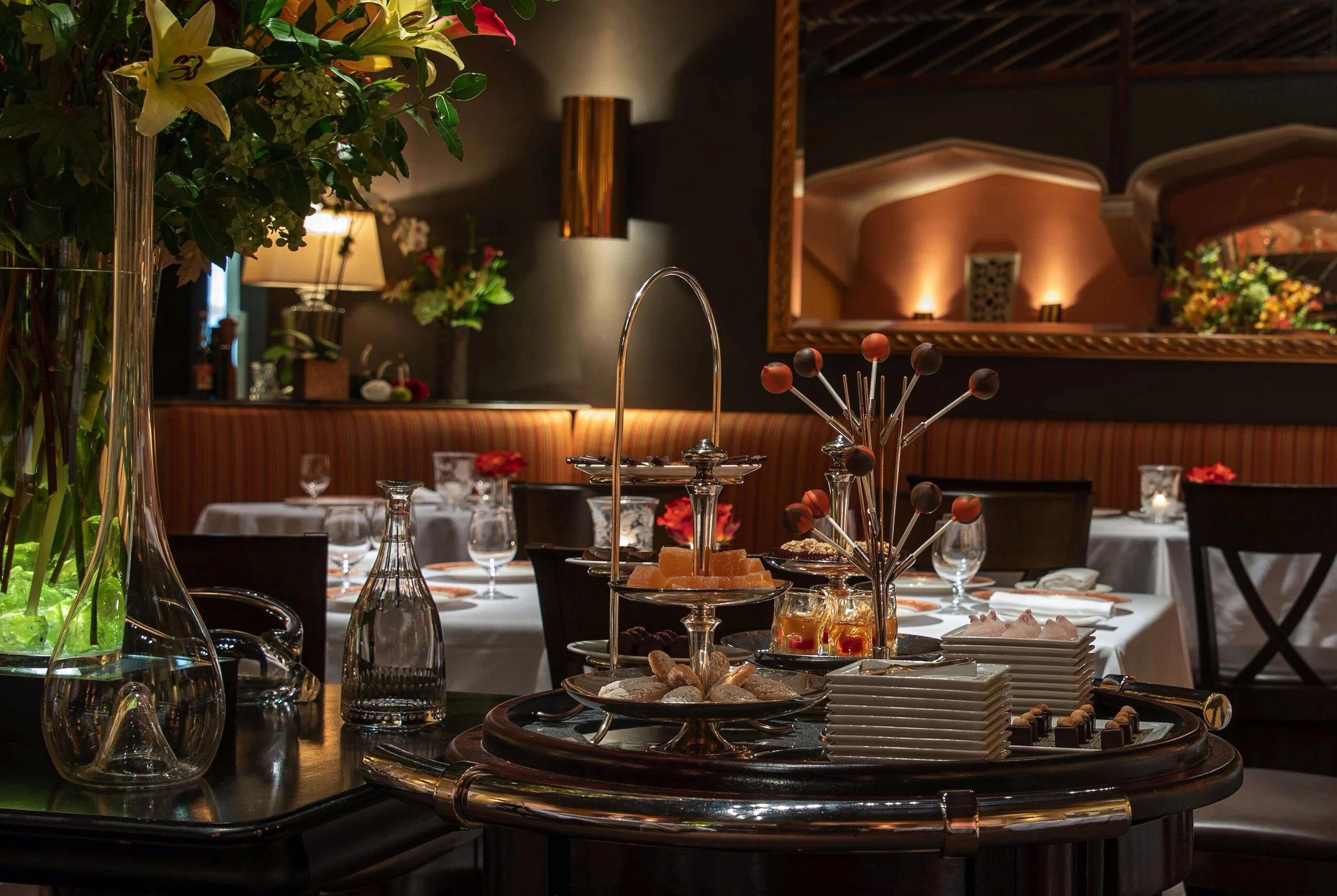
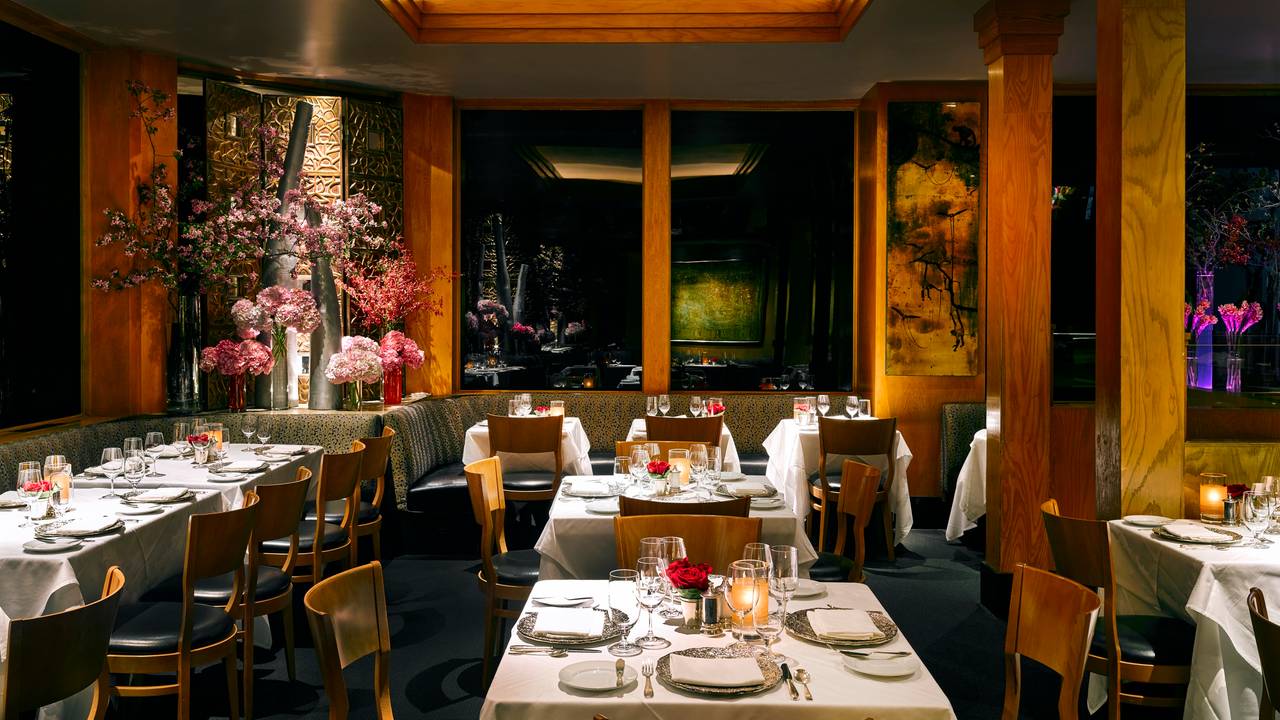
Fillmore Street's dining character is shaped by its residential backbone. Unlike the destination-dining corridors of SoMa or the Ferry Building precinct, Upper Fillmore operates on neighborhood logic: the places that endure here do so because locals return, not because visitors seek them out. Jackson Fillmore Trattoria, at 2506 Fillmore St, occupies that kind of position, the sort that accrues meaning through repetition rather than occasion. The room itself is the first signal. Italian trattorias built for longevity tend to resist the spare minimalism that cycles through restaurant design every decade. They keep things close: tables near enough to register the conversation at the next one, a ceiling that holds the room's noise rather than dispersing it, surfaces that absorb years of use without looking worn. The physical container, in other words, does the work of telling you what kind of place this is before anything arrives at the table.
In a city where tasting-menu architecture dominates fine dining, the trattoria format occupies a different register entirely. It is a la carte by design, convivial by structure, and measured by whether the pasta holds up visit after visit rather than whether a single meal justifies a reservation made months in advance. That positioning is not a compromise. It reflects a different tradition, one closer to the Roman or Milanese neighborhood restaurant than to the fine-dining lineage that dominates critical conversation.
Italian Trattoria Format in a California Context
The trattoria as a format has a specific set of expectations built into it across generations of Italian dining culture. It is not a ristorante, with its implied formality and chef-forward identity, nor is it an osteria, which leans toward wine and simpler preparations. The trattoria sits between those registers: direct pastas, proteins handled without excessive intervention, a wine list weighted toward the Italian peninsula, and a room designed for two hours rather than four. San Francisco has historically supported a version of this format that adapts it to Californian sourcing instincts without losing the structural logic of the original. The city's Italian-American history, running through the North Beach corridor and outward into neighborhoods like the Upper Fillmore, gives that adaptation a long local reference point.
Internationally, the trattoria model appears across the spectrum of recognized Italian restaurants: from the neighborhood rooms near 8 1/2 Otto e Mezzo Bombana in Hong Kong to the more formal Italian contemporary direction taken by Quince here in San Francisco. Jackson Fillmore operates at the informal end of that range, which means the judgment of whether it is working falls more squarely on the food itself than on the production around it.
The Room as Editorial Argument
Interior design in restaurants communicates a position before the menu does. The proliferation of exposed-concrete minimalism across American cities during the last decade said something specific: that the room should not compete with the food, that restraint was the aesthetic argument. The trattoria tradition makes a different argument. Warmth, density, proximity, a sense that the room has been in use for a long time and will continue to be so. These are not accident or budget constraint. They are a set of values about what a restaurant is for. Jackson Fillmore's address on Fillmore Street, in a neighborhood that has seen significant demographic and commercial change over the decades, gives it a particular kind of contextual weight. Staying in place matters in San Francisco, where real estate pressure has redistributed the dining map more than once.
The comparison is useful when you place it against destination restaurants operating at the far end of the design investment spectrum: The French Laundry in Napa, Single Thread Farm in Healdsburg, or Blue Hill at Stone Barns in Tarrytown, where the built environment is itself a significant part of the product. The trattoria format inverts that logic. The room exists to support the meal, not to narrate it. That discipline, maintained consistently, is harder than it appears.
Where This Fits in the American Italian Conversation
Italian-American dining in the United States has undergone substantial reexamination in the past two decades. The red-sauce tradition, long treated as a lower register by critical establishments, has been rehabilitated through serious scholarship and the revival of regional Italian cooking that predated the Americanized canon. Restaurants like Le Bernardin in New York or Alinea in Chicago represent the high-modernist end of American fine dining, where Italian influence is absorbed and transformed. The trattoria sits at a different coordinate on that map: less interested in transformation than in fidelity to a set of preparations that are harder to execute consistently than their simplicity suggests. Getting pasta right, night after night, in a room that is full and loud and moving fast, is a technical and organizational achievement that tasting-menu critics rarely account for in their frameworks.
The wider American context for neighborhood Italian is competitive. Bacchanalia in Atlanta, Emeril's in New Orleans, and Addison in San Diego each represent regional dining institutions that have maintained identities across years of market pressure. The thread connecting them, and the broader lesson for any neighborhood restaurant, is that longevity in American dining requires a clear answer to the question of what the place is for.
Planning Your Visit
Jackson Fillmore Trattoria is located at 2506 Fillmore St in San Francisco's Upper Fillmore district, accessible by the 22-Fillmore Muni line and within the walkable zone of Pacific Heights. The neighborhood character rewards arriving with time to explore the corridor before or after the meal. The restaurant is recommended for reservations and is open Wednesday and Thursday from 5 to 9:30 PM, Friday and Saturday from 5 to 10 PM, and Sunday from 5 to 8:30 PM. Dress expectations at a trattoria of this register are smart casual rather than formal, consistent with the neighborhood demographic.
Cuisine and Recognition
Comparable venues nearby, for context on price, style, and recognition.
| Venue | Cuisine | Price | Awards | Notes |
|---|---|---|---|---|
| Jackson Fillmore TrattoriaThis venue — the venue you are viewing | Roman & Southern Italian Trattoria | $$ | , | |
| Bella Trattoria | Southern Italian Trattoria | $$ | , | Inner Richmond |
| Garibaldis | California-Mediterranean Italian | $$ | , | Presidio Heights |
| The Italian Homemade Company | Homemade Italian Pasta | $$ | , | North Beach |
| Pasta Supply Co | Modern Italian Pasta Shop | $$ | , | Mission |
| Mona Lisa Mare E Monti | Authentic Italian Seafood & Steaks | $$ | , | North Beach |
Continue exploring
More in San Francisco
Restaurants in San Francisco
Browse all →
Bars in San Francisco
Browse all →
Hotels in San Francisco
Browse all →
At a Glance
- Cozy
- Classic
- Intimate
- Date Night
- Casual Hangout
- Open Kitchen
- Extensive Wine List
Cozy, homey neighborhood atmosphere with a small dining room and bar counter, lively yet welcoming for locals.