Garibaldis
Garibaldis on Presidio Avenue operates in a San Francisco dining register defined by neighborhood permanence rather than seasonal spectacle. The room draws a Laurel Heights crowd that returns on habit as much as occasion, while the kitchen works a broadly Mediterranean-inflected menu in a city that increasingly rewards global technique applied to California's ingredient depth.
Pearl is the En Primeur Club membership app — saves, bookings, and concierge access live there. Same editors, same standards.
- Address
- 347 Presidio Ave, San Francisco, CA 94115
- Phone
- +14155638841
- Website
- garibaldisrestaurant.com
- Directions
- Get directions
 Saves & bookings on Pearl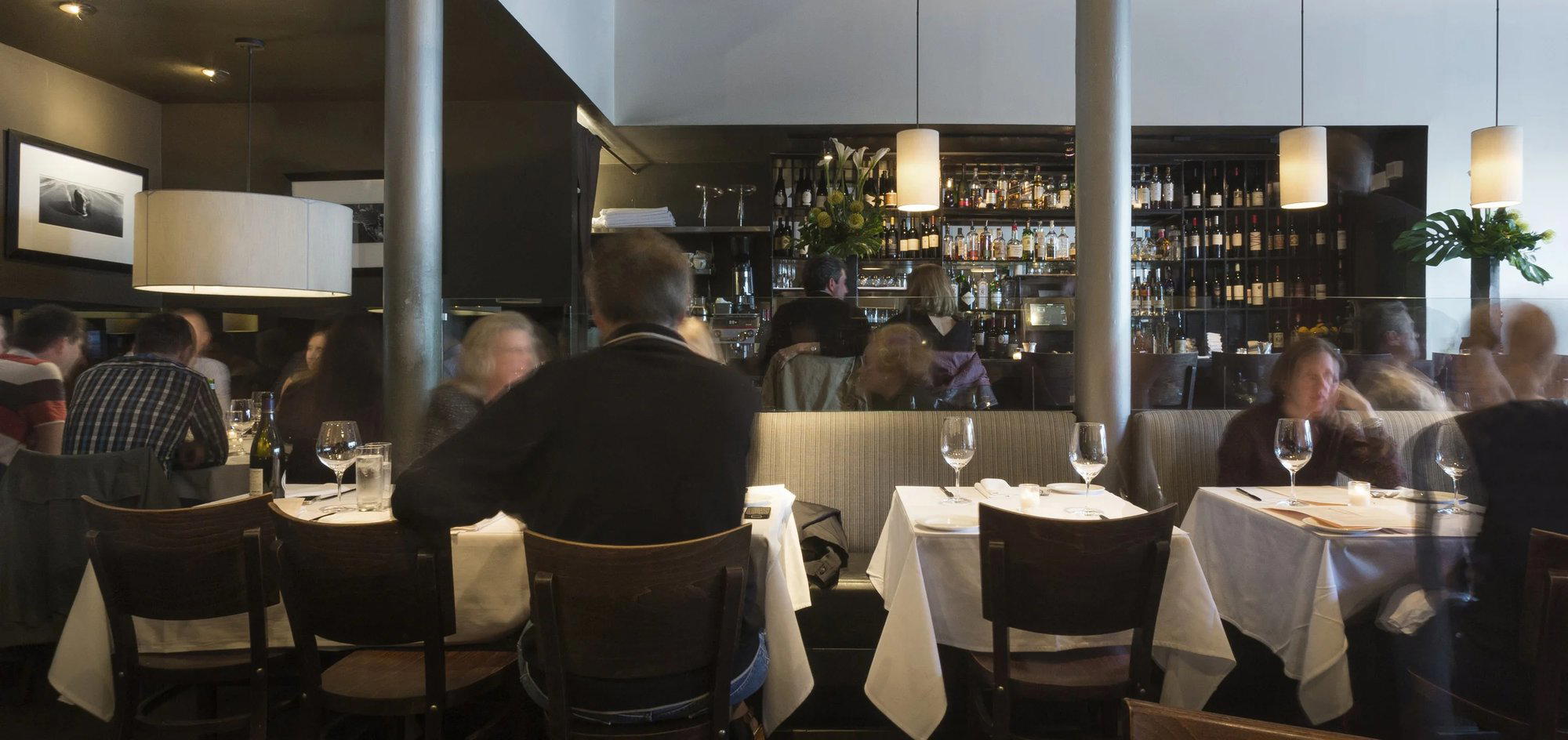
Presidio Avenue and the Neighborhood Restaurant Question
San Francisco's serious dining conversation tends to collapse around a handful of fixed coordinates: the tasting-menu counters of SoMa, the dining rooms of the Financial District, the destination-driven kitchens that pull from across the Bay Area for a single evening's performance. What sits outside that gravitational field is a different and more durable category: the neighborhood restaurant that earns its place through repetition rather than revelation. Garibaldis, at 347 Presidio Ave in Laurel Heights, belongs to that second tradition.
Presidio Avenue occupies a quieter register than the city's more trafficked dining corridors. The stretch sits between the Richmond and Pacific Heights, close enough to both to draw from either, but without the footfall pressure that shapes menus and pricing in denser zones. Restaurants on this kind of block tend to self-select toward a particular contract with their audience: consistency over provocation, a room that functions as living room extension rather than event space. That is the frame through which Garibaldis makes most sense as a dining proposition.
California Ingredient Depth, Mediterranean Discipline
The broader editorial context for a room like Garibaldis is the long-running negotiation in California cooking between imported European technique and the extraordinary density of local ingredient supply. That negotiation has produced some of the country's most discussed restaurants: Saison in its live-fire mode, Lazy Bear with its progressive American format, Atelier Crenn drawing French architecture around Californian produce. At the higher end of that spectrum, the technique tends to be elaborate and the price point reflects it. Rooms like Benu and Quince operate in a different category altogether, where the cooking is closer to argument than sustenance.
Mediterranean-inflected cooking at the neighborhood level asks a different question: can the same California pantry, the same access to Central Valley produce, Sonoma Coast seafood, and Northern California olive oil, be channeled through a lighter interpretive hand without losing editorial coherence? The answer, when it works, is a style of cooking that reads as both European-adjacent and distinctly Californian: brighter than Roman trattorias, less architectural than the tasting-menu rooms a few miles south, and legible to a table that arrived hungry rather than prepared to be educated.
Comparable approaches operate at different scales and price points across the country. Frasca Food and Wine in Boulder has built a sustained reputation around Friulian technique applied to Rocky Mountain sourcing. Blue Hill at Stone Barns in Tarrytown pursues a farm-to-table model with considerably more institutional apparatus behind it. The neighborhood-scale version of this tradition operates with fewer resources and less critical infrastructure, which is partly why it tends to be evaluated on hospitality terms as much as culinary ones.
The Laurel Heights Room
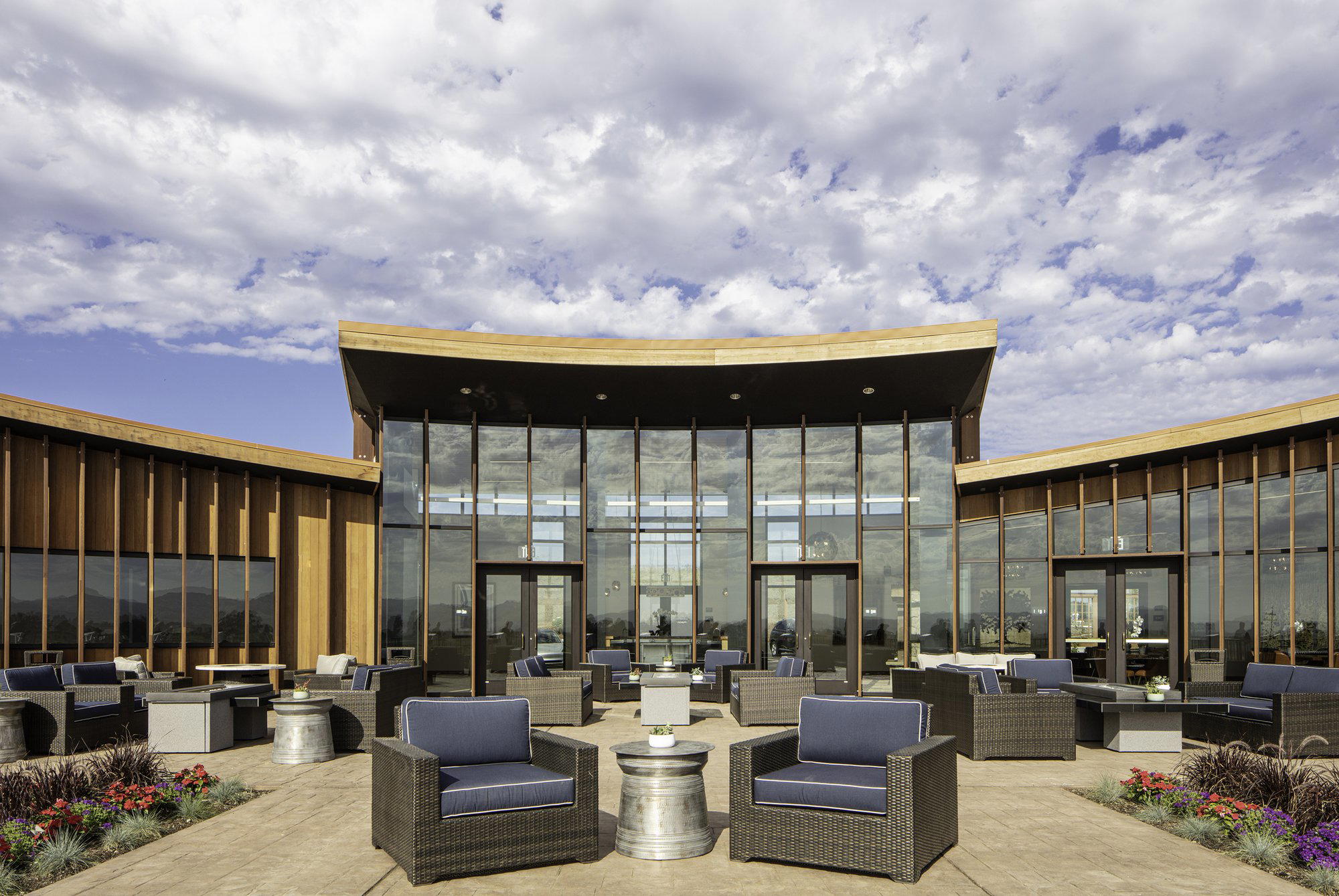
The physical character of the Garibaldis space on Presidio Avenue reflects the neighborhood's general disposition: comfortable without being designed to signal aspiration. Laurel Heights is a residential district with a settled, professional demographic, and the restaurants that endure here tend to feel like extensions of that community's taste rather than intrusions of trend. The room functions accordingly, which is its own kind of deliberate choice. In a city where dining spaces frequently operate as projections of their investors' aesthetic positions, a room that prioritizes occupant comfort over visual statement is making an argument, even if quietly.
The contrast is sharpest when placed against San Francisco's other serious kitchens. The tasting-menu format that defines rooms like The French Laundry in Napa or the more technically demanding end of the city's dining scene requires a specific kind of guest commitment: time, budget, and a willingness to submit to the kitchen's sequencing. The neighborhood restaurant inverts that contract. The guest controls the pacing, the selection, the evening's ambition. That inversion is not a lesser proposition; it is a different one, and the dining culture of cities like San Francisco depends on both ends of the spectrum functioning well.
Where Garibaldis Sits in the Broader California Context
California's restaurant culture has long been stratified between the destination tier and the neighborhood tier, with relatively little in between. At the leading, restaurants like Single Thread Farm in Healdsburg and Providence in Los Angeles operate with a level of sourcing specificity and kitchen investment that places them in a national conversation. At the neighborhood level, the critical apparatus is thinner, the Michelin inspectors less likely to appear, and the evaluation criteria shift toward regularity of execution rather than ambition of concept.
Garibaldis operates in that second tier, where the relevant comparison set is not Le Bernardin in New York or Atomix, but the broader category of Mediterranean-adjacent neighborhood restaurants that have built loyal followings in American cities without needing award infrastructure to sustain them. Emeril's in New Orleans built a different kind of neighborhood authority over decades. Smyth in Chicago occupies a hybrid tier. Addison in San Diego and The Inn at Little Washington each represent the point where neighborhood identity intersects with destination ambition. Garibaldis does not appear to be pursuing the destination category, which is itself a curatorial decision.
The international analogue worth noting is the way regional European kitchens, particularly in northern Italy and the Alpine corridor, have always maintained a strong neighborhood-restaurant tradition that runs parallel to the starred dining tier without competing with it. Atelier Moessmer Norbert Niederkofler in Brunico represents the high end of that Alpine tradition; the neighborhood end is equally defined, equally serious about sourcing, and considerably more forgiving of an unplanned Tuesday evening.
Planning a Visit
Garibaldis is located at 347 Presidio Ave, San Francisco, CA 94115, in the Laurel Heights neighborhood.
- Chicken Milanese
- Chicken Pâté
- Calamari
- Gnocchi
- Salmon
- Tagliatelle
Recognition, Side-by-Side
Comparable venues nearby, for context on price, style, and recognition.
| Venue | Cuisine | Price | Notes |
|---|---|---|---|
| GaribaldisThis venue — the venue you are viewing | California-Mediterranean Italian | $$ | Not listed |
| Il Borgo | Authentic Italian Trattoria | $$ | Hayes Valley |
| Acquolina | Authentic Tuscan Italian Trattoria | $$ | North Beach |
| The Stinking Rose | Californian-Italian Garlic Restaurant | $$ | North Beach |
| Caffè Macaroni | Neapolitan Trattoria | $$ | North Beach |
| Rocco's Cafe | Authentic Italian | $$ | South of Market |
Continue exploring
More in San Francisco
Restaurants in San Francisco
Browse all →
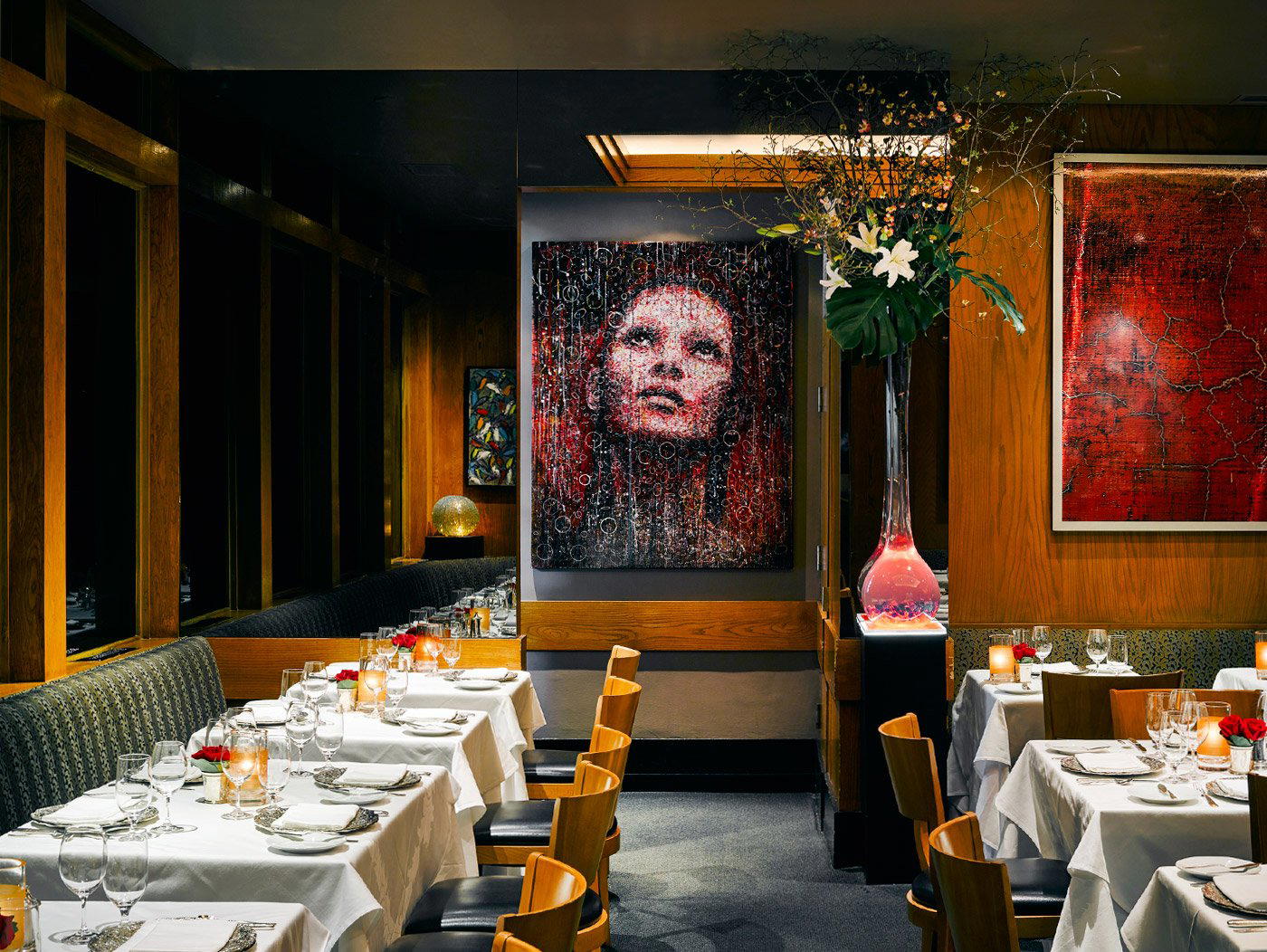
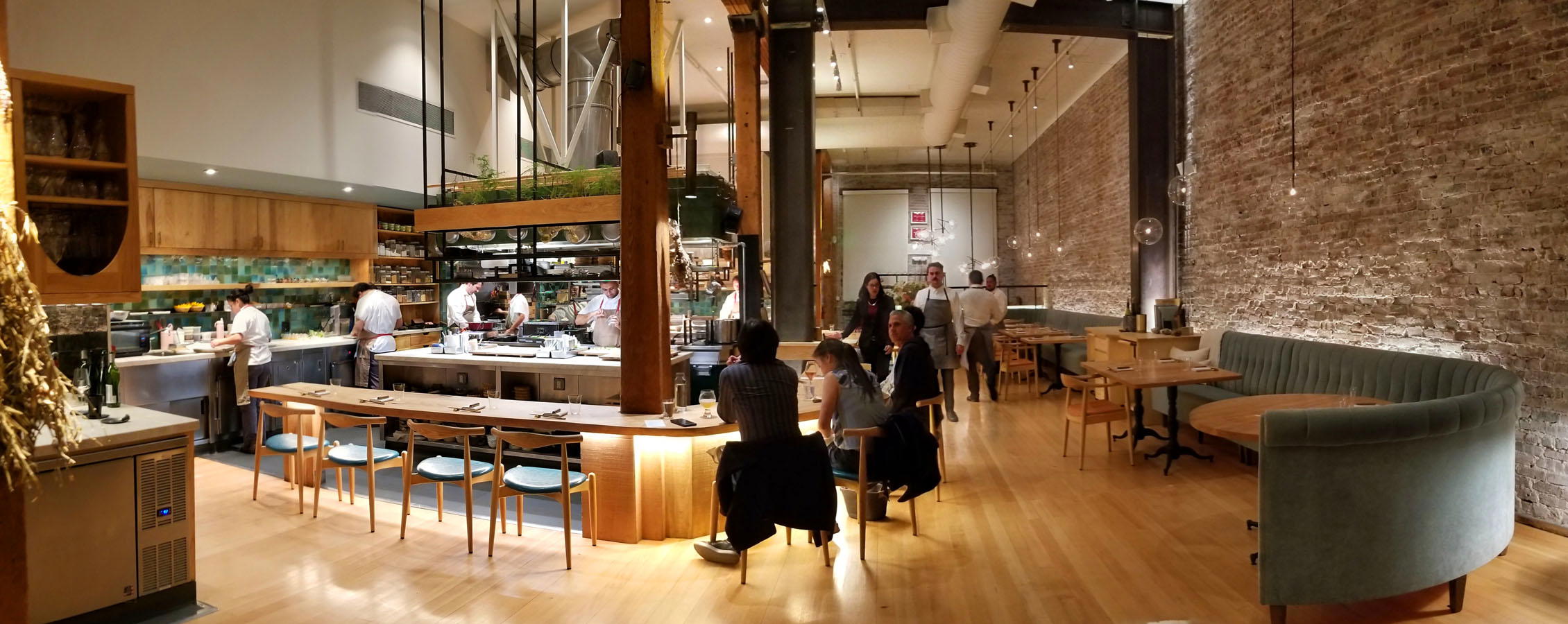
Bars in San Francisco
Browse all →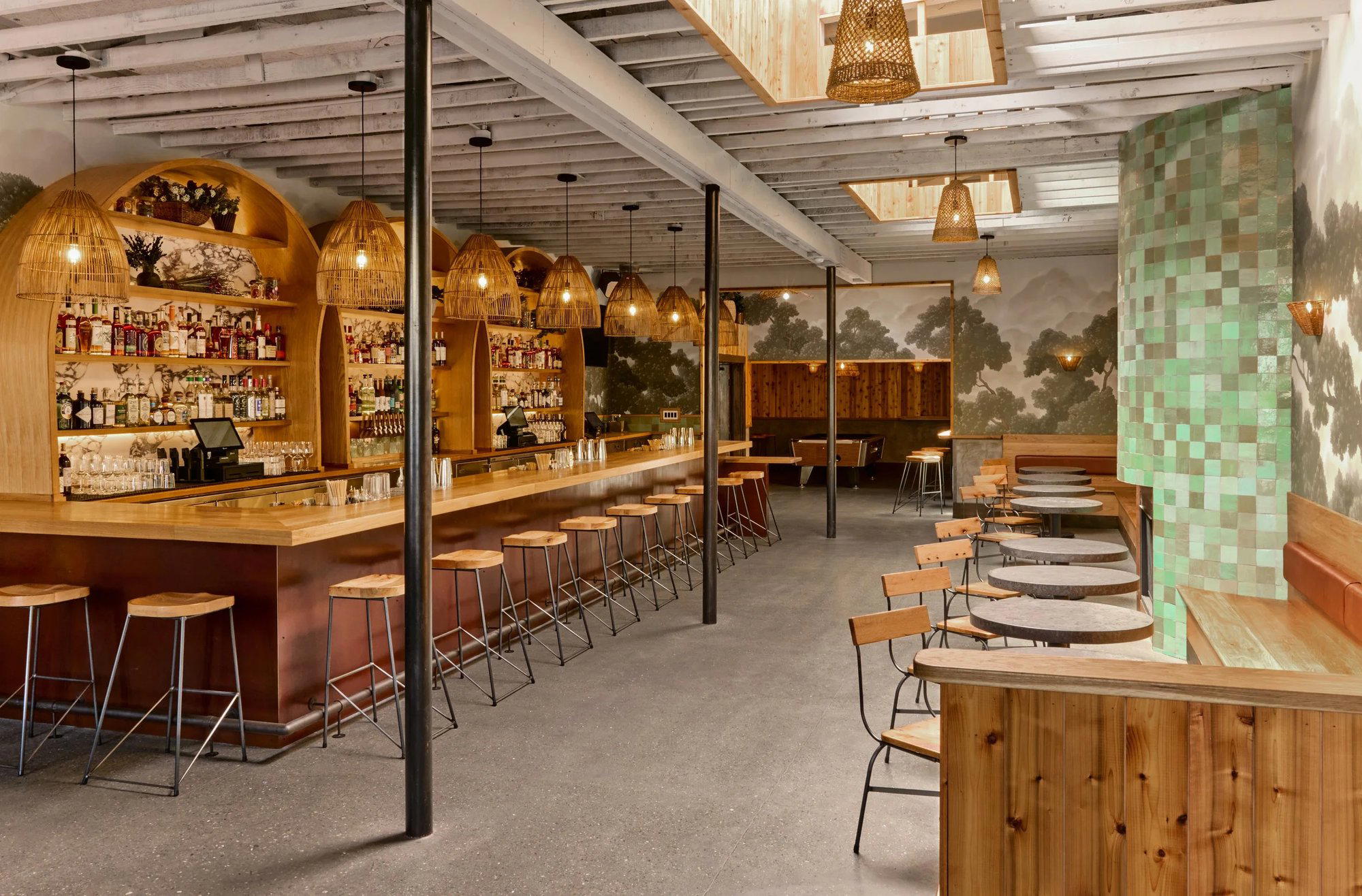
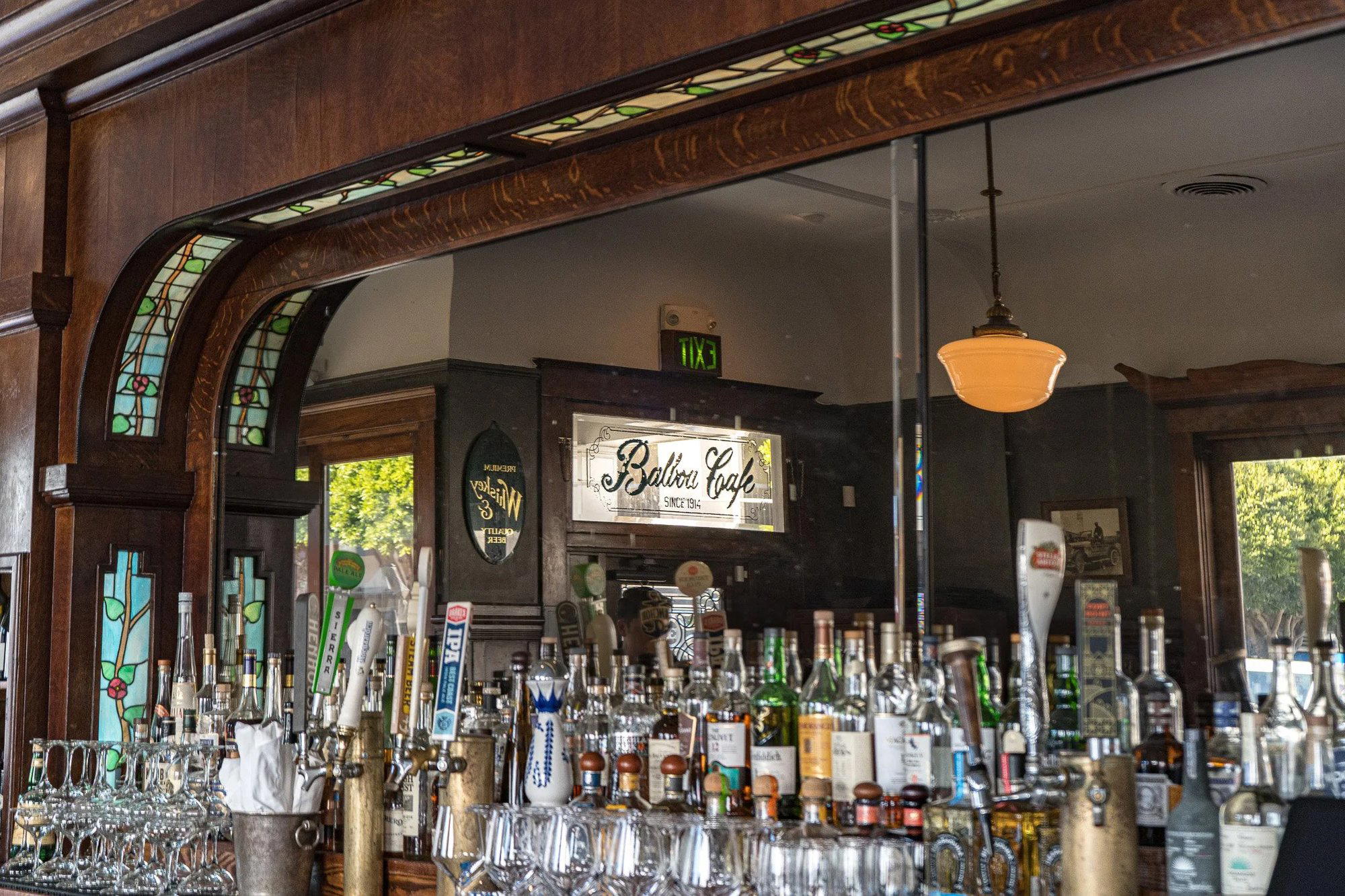
Hotels in San Francisco
Browse all →
At a Glance
- Sophisticated
- Cozy
- Classic
- Elegant
- Date Night
- Business Dinner
- Group Dining
- Family
- Celebration
- Special Occasion
- Standalone
- Extensive Wine List
- Craft Cocktails
- Beer Program
Current opening hours
- Monday
- Closed
- Tuesday
- 5–9 PM
- Wednesday
- 5–9 PM
- Thursday
- 5–9 PM
- Friday
- 5–9 PM
- Saturday
- 5–9 PM
- Sunday
- Closed
Hours can change for holidays and private events. Last verified .
Stylish and comfortable dining room with a sophisticated yet down-to-earth atmosphere; cozy full bar with a zinc counter.