Our verdict
Mexican cuisine occupies a small but deliberate space in Calvia's dining scene, and Jacinta represents the locality's engagement with masa, corn, and the traditions behind them. Set within a resort destination more accustomed to Mediterranean and Japanese menus, it offers a different register entirely — one rooted in the foundational techniques of nixtamalization and tortilla craft that most European kitchens never attempt seriously.

Pearl is the En Primeur Club membership app — saves, bookings, and concierge access live there. Same editors, same standards.
- Address
- Calvia, Spain
- Directions
- Get directions
The menu
What to order
- Handcraft tacos
- Tostadas
- Tamales
Corn as Craft: What Mexican Cuisine Looks Like in a Mediterranean Resort Town
Calvia is not the first place most travellers associate with serious Mexican cooking. The municipality's dining scene runs on Mediterranean logic — olive oil, fresh catch, alfresco terraces — and the few international formats that have established themselves here tend toward the Pacific Rim or the steakhouse end of the spectrum. Matsuhisa handles Nikkei with the authority of a global brand; Leña by Dani García addresses dry-aged beef with the confidence of a three-Michelin-starred pedigree. Mexican food, by contrast, has almost no foothold in this part of Spain's Balearic coast.
Spanish dining at the highest level has long engaged with Mexico through the lens of fermentation, chilli complexity, and masa, concepts that sit comfortably alongside the techniques that define kitchens like DiverXO in Madrid or El Celler de Can Roca in Girona. But those conversations happen at the avant-garde tier, far from a resort context. Jacinta operates in a different register: it is a Mexican restaurant in a leisure-driven coastal town, which means its reference points are not the tasting-menu circuit but the daily cooking traditions that underpin Mexican food at its most considered.
The Logic of Nixtamalization in a Resort Context
To understand what a Mexican kitchen is attempting in any serious form, you have to start with nixtamalization, the pre-Columbian process of treating dried corn kernels with an alkaline solution, typically calcium hydroxide, before grinding them into masa. The chemistry is not incidental. Nixtamalization unlocks niacin, softens the pericarp, and produces a flavour profile that no wheat-based substitute can replicate. It is also time-consuming, equipment-dependent, and largely invisible to a diner who has never encountered it done properly versus done poorly.
Most Mexican restaurants outside Mexico skip it entirely, relying on commercial masa harina, a dried, pre-nixtamalized corn flour that compresses the process into a bag. The resulting tortilla is serviceable. It is not the same thing. The distinction matters because tortilla is not a delivery mechanism for other ingredients; in traditional Mexican cooking, it is the main event, and its texture, aroma, and corn character determine the register of everything that arrives on top of it. Restaurants that understand this, including, at the high end, Pujol in Mexico City and Animalón in Valle de Guadalupe, treat the tortilla as the editorial statement. European restaurants that replicate that approach are still the exception.
Where Jacinta sits on that spectrum is something visitors will need to assess on arrival, given limited published data about the kitchen's sourcing and technique. What the venue's existence in Calvia does suggest, however, is a willingness to plant Mexican cuisine in soil that has not seen much of it, which requires, at minimum, a position on what that cuisine fundamentally is.
Calvia's Dining Scene and Where Mexican Fits
The broader dining context in Calvia is Mediterranean by default and international by design. Leppoc addresses the all-day Mediterranean format; Sobretaula handles tapas and alfresco dining in the local tradition; MAR Y MAR works the seafront register. These venues share a coastal Mediterranean logic that runs from sourcing to plating. Mexican cuisine interrupts that logic deliberately, importing a flavour architecture built on chilli heat, acid balance, and corn-forward starch rather than olive oil, tomato, and white fish.
That interruption can work in a resort town when the execution is calibrated to the audience, travellers who arrive from across Europe and increasingly from further afield, many of whom will have encountered Mexican cooking in London, Paris, Amsterdam, or New York in its more polished contemporary forms. The question is whether Jacinta pitches at that informed traveller or at a more casual holiday register. Spain's broader fine-dining conversation, tracked through kitchens like Quique Dacosta in Dénia, Arzak in San Sebastián, or Azurmendi in Larrabetzu, sets a high benchmark for ingredient integrity and technique, a benchmark that filters down into how even casual-leaning venues in resort areas are evaluated by food-aware visitors.
Heirloom Corn and the Question of Sourcing
The heirloom corn discussion has moved from niche conversation to mainstream consideration in serious Mexican restaurants over the past decade. Varieties like Olotillo, Negro, Cacahuazintle, and Bolita produce distinctly different masa profiles, different sweetness, different texture, different chew, and sourcing from heritage producers in Oaxaca, Guerrero, or Puebla is now a credibility signal in the same way single-origin cacao sourcing is in chocolate. Cocina Hermanos Torres in Barcelona and Spain's more research-led kitchens have shown that Spanish chefs can engage meaningfully with Mexican ingredient tradition. Whether that engagement reaches Calvia in any form is part of what makes a venue like Jacinta worth watching as Spain's resort dining scene matures.
The same sourcing logic applies to chillies, dried and fresh, which form the chromatic and structural backbone of salsas, moles, and braises in traditional Mexican cooking. Ancho, mulato, pasilla, and chipotle each bring distinct profiles that commercial blends flatten. A kitchen that distinguishes between them and sources them with care is telling you something about its ambitions, even before a plate arrives.
Planning a Visit
Calvia is primarily accessed via Palma de Mallorca, which handles direct flights from most major European hubs, particularly during the summer season when the island's visitor numbers peak. Given the resort nature of the area, dinner reservations in high season, June through August, warrant advance planning regardless of the venue, and Jacinta is no exception. Spring and autumn offer the quieter entry points that suit a more deliberate meal: shoulder-season Mallorca trades beach crowds for cooler evenings, and the dining room context shifts accordingly. For those building a broader Calvia itinerary, the full Calvia restaurants guide maps the scene across formats and price points. Contact and booking details for Jacinta are best confirmed directly through current local listings, as operational information was not available at time of publication. Similarly, venues like Martin Berasategui in Lasarte-Oria, Aponiente in El Puerto de Santa María, or Mugaritz in Errenteria demonstrate that Spain rewards travellers who plan their restaurant visits with the same attention they give to hotels and transport, Jacinta, in its own format, benefits from that same approach.
Frequently asked questions
Is Jacinta the only Mexican restaurant in Calvia, and how does it compare to the local dining scene?
Mexican cuisine is not a format that Calvia's predominantly Mediterranean dining scene produces in any volume, which positions Jacinta as a distinct outlier in the municipality's restaurant mix. Where neighbouring addresses follow the all-day Mediterranean or international resort template, Jacinta works within a different culinary tradition entirely. For travellers based in Calvia who want something outside the olive oil and seafood orbit, this is the address that answers that gap.
What do people recommend at Jacinta?
Jacinta's kitchen is rooted in Mexican technique, so the corn-based preparations are the natural starting point. In any serious Mexican kitchen operating at this level, the tortillas and masa-led dishes are the clearest expression of the kitchen's sourcing and craft. Ask staff what is being made fresh that day.
How hard is it to get a table at Jacinta?
Calvia's dining scene intensifies significantly during summer, when the municipality draws peak visitor numbers through the Mallorcan high season. A Mexican restaurant offering traditional technique rather than resort-generic food occupies a narrow niche in this market, which can create demand that outpaces capacity. Booking ahead is advisable from June through August.
What's the defining dish or idea at Jacinta?
The defining idea at Jacinta is Mexican cooking taken on its own technical terms — not adapted to European expectations. In a dining scene dominated by Mediterranean formats, the kitchen's commitment to corn-led preparation and pre-Columbian technique is the clearest argument for why this address exists in Calvia.
Is Jacinta overpriced or worth every penny?
No pricing data is currently documented for Jacinta, so a direct value assessment isn't possible here. What is clear is that genuine Mexican technique — particularly if the kitchen sources quality corn and applies traditional preparation — carries real cost in a European context where those ingredients don't arrive cheaply.
What's the best season to visit Jacinta?
Calvia is accessible year-round via Palma de Mallorca airport, which receives direct flights from major European hubs, but the town operates on a distinct seasonal rhythm. Summer brings the highest footfall and the most competition for tables across all Calvia restaurants. Shoulder months — May, June, and September — offer easier access and a quieter setting.
A Quick Peer Check
| Venue | Cuisine | Price | Notes |
|---|---|---|---|
| JacintaThis venue — the venue you are viewing | Contemporary Mexican | Not listed | Not listed |
| Leppoc | Mediterranean and Levantine All-Day Dining | Not listed | Mediterranean / all-day dining |
| Leña by Dani García | Contemporary Fire-Grilled Steakhouse | Not listed | Steakhouse / fire-based (dry-aged meats) |
| Matsuhisa | Nikkei Japanese | Not listed | Nikkei/Japanese (sashimi, sushi) |
| Sobretaula | Authentic Spanish Tapas | Not listed | Tapas / alfresco Mediterranean |
| MAR Y MAR | Mediterranean Seafood Fusion | $50–100 | Not listed |
Continue exploring
More in Calvia
Restaurants in Calvia
Browse all →


Bars in Calvia
Browse all →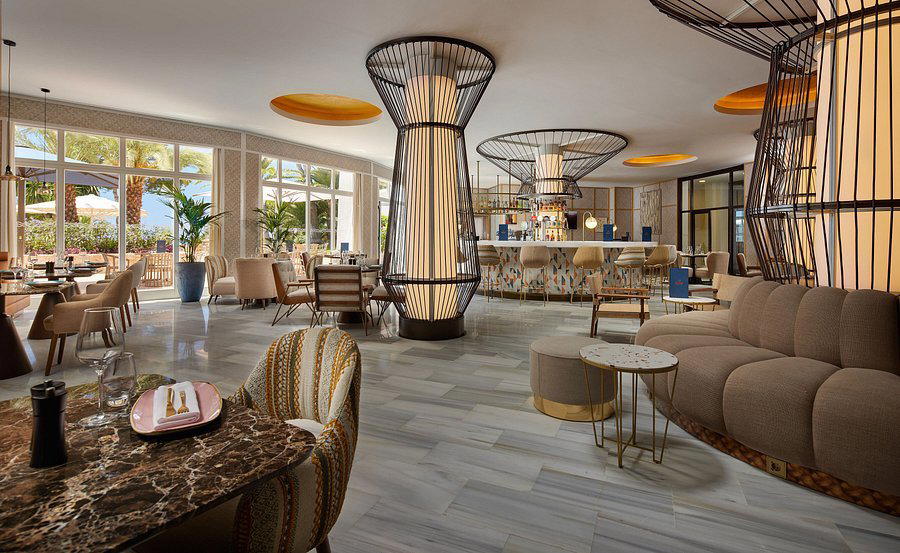

Hotels in Calvia
Browse all →






Details
- Elegant
- Modern
- Sophisticated
- Special Occasion
- Celebration
- Group Dining
- Hotel Restaurant
- Local Sourcing
- A La Carte
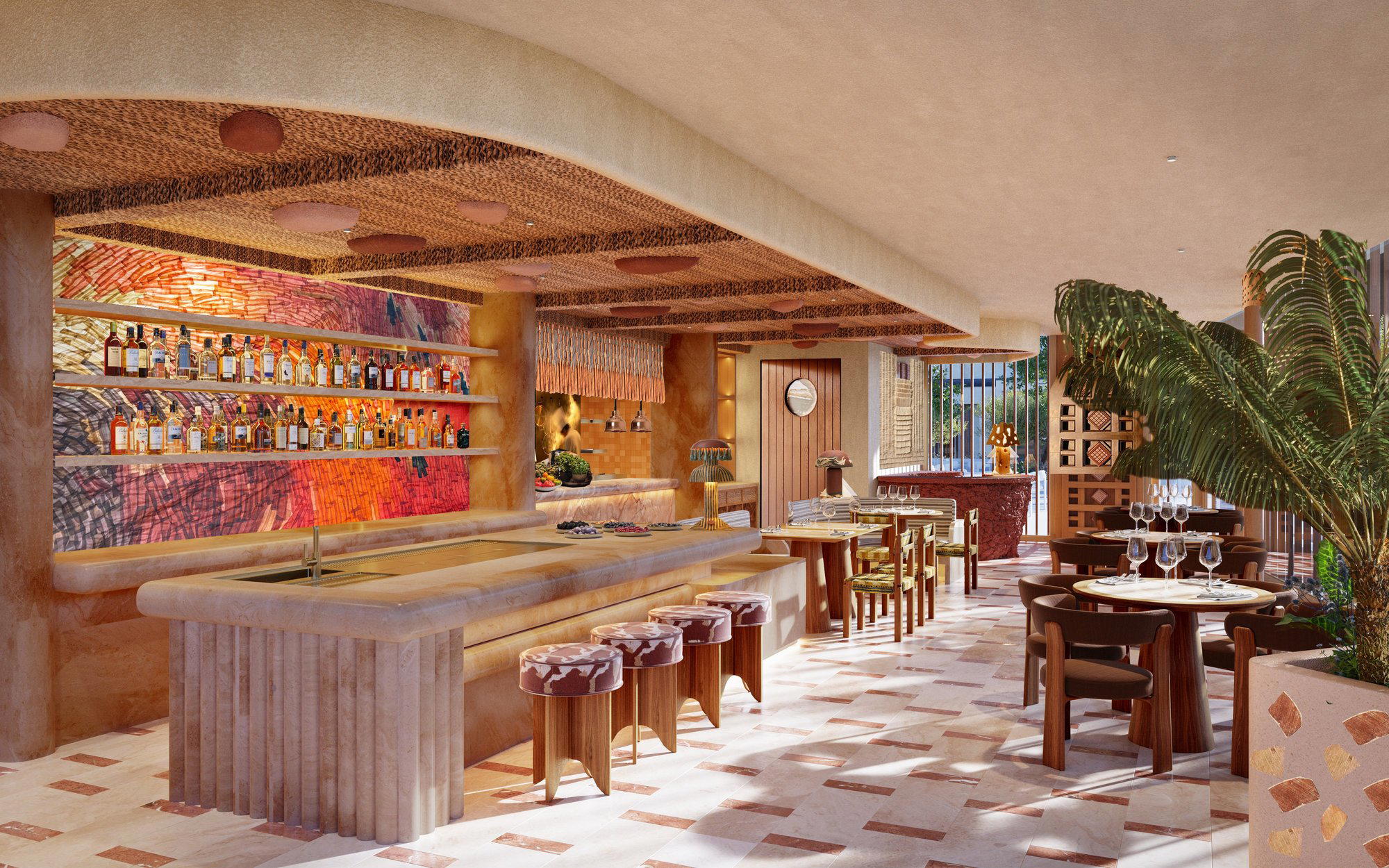
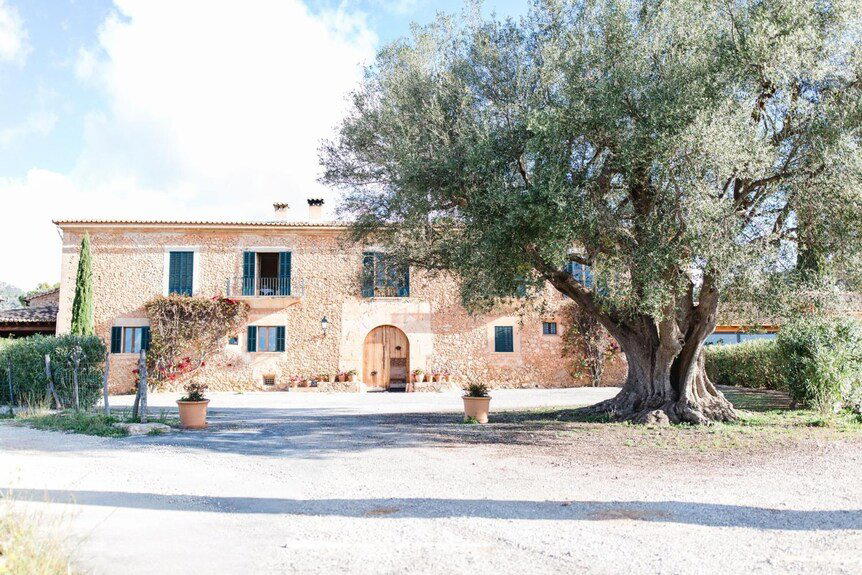
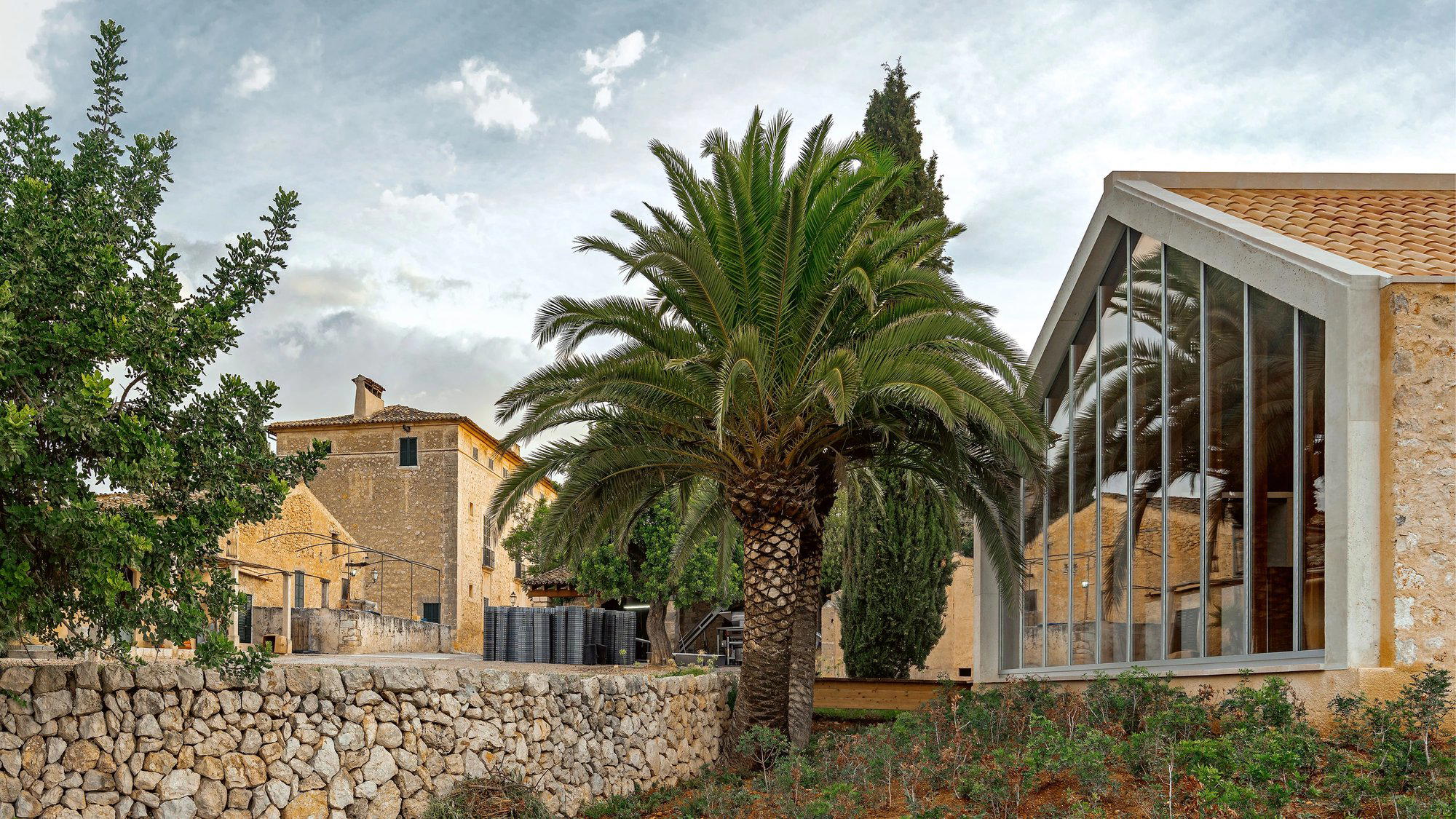
Elegant contemporary dining space reflecting Mexico's lively flavors with refined touches, located within the upscale Mandarin Oriental Punta Negra resort.