Our verdict
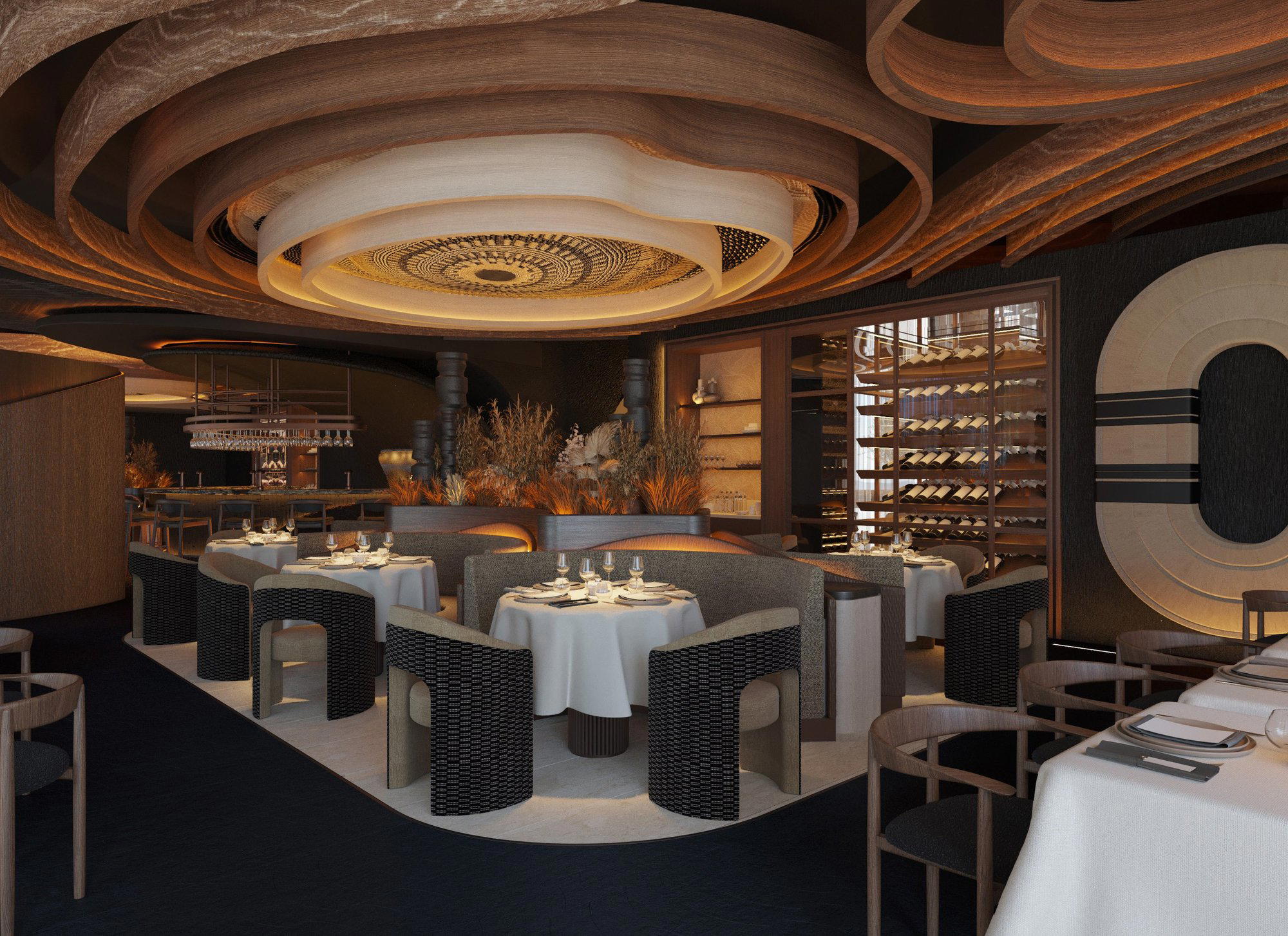
Leña by Dani García brings fire-based cooking and dry-aged meats to Calvia, operating under the same culinary group behind some of Spain's most decorated fine dining. The format sits closer to a serious steakhouse than a casual grill, with provenance-driven sourcing at its centre. For visitors to the southwest coast of Mallorca weighing where to spend a full evening, it occupies a distinct position in the local dining scene.

Pearl is the En Primeur Club membership app — saves, bookings, and concierge access live there. Same editors, same standards.
- Address
- Calvia, Spain
The menu
What to order
- Tare-glazed chicken meatballs
- Sansho-seasoned duck
Fire, Smoke, and the Logic of Dry-Aged Meat in Calvia
Walk into a serious fire-based restaurant and the first thing you register is heat, not in a discomforting sense, but as presence. The grill is the architecture of the room, the organizing principle around which everything else is arranged. Leña by Dani García operates in that tradition: a format where the wood fire is not a stylistic flourish but a technical commitment, and where dry-aged beef is the editorial point of the menu. In Calvia, where the dominant dining mode leans toward Mediterranean seafood and alfresco tapas, a dedicated dry-aged steakhouse occupies a noticeably different position.
The Leña concept sits within the wider Dani García culinary group, a Spanish operation with significant reach across formats and geographies. The García group is leading understood in Spanish fine dining terms by looking at what surrounds it: Spain's serious restaurant tier includes addresses such as DiverXO in Madrid, El Celler de Can Roca in Girona, and Mugaritz in Errenteria, each representing a different pole of the country's high-end cooking. Leña is not positioned there. It is the group's deliberately accessible, produce-first format, built around fire technique rather than tasting-menu architecture, and priced and paced accordingly.
Provenance Over Theater: How the Sourcing Logic Works
Dry-aged beef menus succeed or fail on cattle breed and provenance before the grill ever enters the conversation. The global benchmarks for this format have established a clear hierarchy: Wagyu-cross and pure Wagyu cuts from Japan and Australia sit at the high-fat end; Rubia Gallega from Galicia, with its deep marbling and extended aging potential, has become the prestige reference point in Spain and across Europe; Simmental and Hereford from central European farms occupy the mid-range; and commodity Angus, despite its ubiquity, rarely delivers the depth of flavor that extended aging requires.
Spain has a particular advantage here. Rubia Gallega cattle, raised in Galicia and often slaughtered at advanced ages (frequently retired dairy cows with years of muscle development), produce beef that ages exceptionally well at 45, 60, or even 90 days. The fat oxidizes slowly into nutty, complex layers. It is this tradition that has positioned Spanish grilling culture, particularly in the Basque Country, as a serious reference for dry-aged beef globally. When a concept like Leña deploys García's buying infrastructure across a multi-location format, it can access that sourcing tier more reliably than a single independent operation. The beef on the plate is, in this sense, partly a function of group purchasing power applied to artisanal provenance.
Grass-fed versus grain-finished is the other variable that serious grill operations must resolve explicitly. Grass-fed animals develop firmer, more mineral-forward fat; grain-finishing produces softer, sweeter marbling. Extended aging suits grass-fed Galician breeds particularly well precisely because the fat structure holds through the process. A menu at this level should distinguish between these profiles, letting the diner understand what they are choosing and why it tastes the way it does.
Where Leña Sits in Calvia's Dining Picture
Calvia's restaurant scene is spread across a coastline that stretches from Port d'Andratx to Magaluf, taking in some of the most expensive hotel real estate on the island. The dining character shifts accordingly. Seafood dominates the waterfront: places like MAR Y MAR anchor the maritime end of the spectrum. Matsuhisa brings Nikkei precision to the luxury hotel tier. Mediterranean all-day formats such as Leppoc and alfresco tapas at Sobretaula serve the relaxed evening pace that most visitors to this coast are looking for. Mexican cooking enters the mix at Jacinta. What is noticeably thinner on the ground is serious land-animal cookery grounded in provenance and aging, which is exactly where Leña plants its flag.
This matters because it shifts the competitive context. Leña is not competing with tapas spots or hotel dining rooms on their own terms. It is competing with the category of fire-based, dry-aged steakhouse restaurants at a European scale, an increasingly crowded tier that includes serious operations in London, Amsterdam, and Madrid. The question for a visitor to Calvia is whether the format travels well to a resort context, or whether the inherent contrast between the casual island atmosphere and a technically demanding meat program creates a productive tension. Spain's broader restaurant tradition suggests it can: the Basque country has long proven that serious grill culture and leisure travel coexist without friction.
For context on the full range of serious restaurant addresses in Spain that share García's national reputation, it is useful to look at the country's broader fine dining axis, including Quique Dacosta in Dénia, Arzak in San Sebastián, Azurmendi in Larrabetzu, Martin Berasategui in Lasarte-Oria, Aponiente in El Puerto de Santa María, Cocina Hermanos Torres in Barcelona, and Ricard Camarena in València. Leña does not operate in that Michelin-starred tier, but it draws from the same national culinary seriousness and applies it to a more immediate, produce-driven format. For international reference on how fire-based formats operate at the premium independent level, Lazy Bear in San Francisco and the ingredient sourcing rigour of Le Bernardin in New York City illustrate how sourcing transparency and technical precision define category leaders.
Planning Your Visit
Calvia's restaurant season concentrates between May and October, when hotel occupancy is high and the coastal dining circuit is at full capacity. A García group address in a resort context will draw both hotel guests and visitors making a specific trip; the safe assumption for anyone planning around a particular evening is to book early in the high-season window, particularly for weekends in July and August when the southwest coast of Mallorca is operating at full stretch. Visitors without advance reservations during peak months should expect pressure on availability. The format, a grill-focused menu anchored in shared cuts and fire cooking, suits unhurried evenings rather than quick turnarounds, so arriving with time on your side will allow you to engage with what the kitchen is actually doing. For a fuller picture of where Leña sits relative to the rest of the area's options, our full Calvia restaurants guide maps the scene by format and neighbourhood.
Frequently asked questions
Is Leña by Dani García part of a larger restaurant group, and does that affect the experience?
Leña is part of the Dani García restaurant group, which also operates the three-Michelin-star Dani García in Marbella — a credential that signals a structured, professionally managed kitchen rather than a standalone owner-operator setup. In practice, that group context tends to mean consistent execution and supply-chain discipline, both relevant factors for a dry-aged beef program in Calvia where sourcing logistics matter.
What's the best thing to order at Leña by Dani García?
At a dry-aged steakhouse built around fire technique, the meat program is the main event. Follow the kitchen's featured aged cut rather than defaulting to a fixed preference — the breed and provenance driving that cut is where the restaurant's sourcing logic is expressed. Sides and starters exist to frame the grill work, not replace it.
How far ahead should I plan for Leña by Dani García?
Calvia's dining season peaks from late June through August, when hotel occupancy along the coast drives consistent demand at destination restaurants. A two-to-three week lead time is a practical baseline during that window. Shoulder months — May, early June, and September — offer more flexibility, though confirming availability before travel is advisable regardless of timing.
Style and Standing
Comparable venues nearby, for context on price, style, and recognition.
| Venue | Cuisine | Price | Awards | Notes |
|---|---|---|---|---|
| Leña by Dani GarcíaThis venue — the venue you are viewing | Contemporary Fire-Grilled Steakhouse | Not listed | Not listed | Not listed |
| Matsuhisa | Nikkei Japanese | Not listed | Not listed | Punta Negra |
| MAR Y MAR | Mediterranean Seafood Fusion | $50–100 | Not listed | Peguera |
| Jacinta | Contemporary Mexican | Not listed | Not listed | Calvià |
| Sobretaula | Authentic Spanish Tapas | Not listed | Not listed | Punta Negra |
| Sa Clastra | Modern Mallorcan Fine Dining | $150–200 | 1 Michelin Star · Guía Repsol 1 Sol | Es Capdellà, Calvià |
Details
- Elegant
- Modern
- Sophisticated
- Scenic
- Date Night
- Business Dinner
- Special Occasion
- Celebration
- Open Kitchen
- Hotel Restaurant
- Waterfront
- Panoramic View
- Craft Cocktails
- Local Sourcing
- Waterfront
- A La Carte
- Aperitifs
- Small Plates
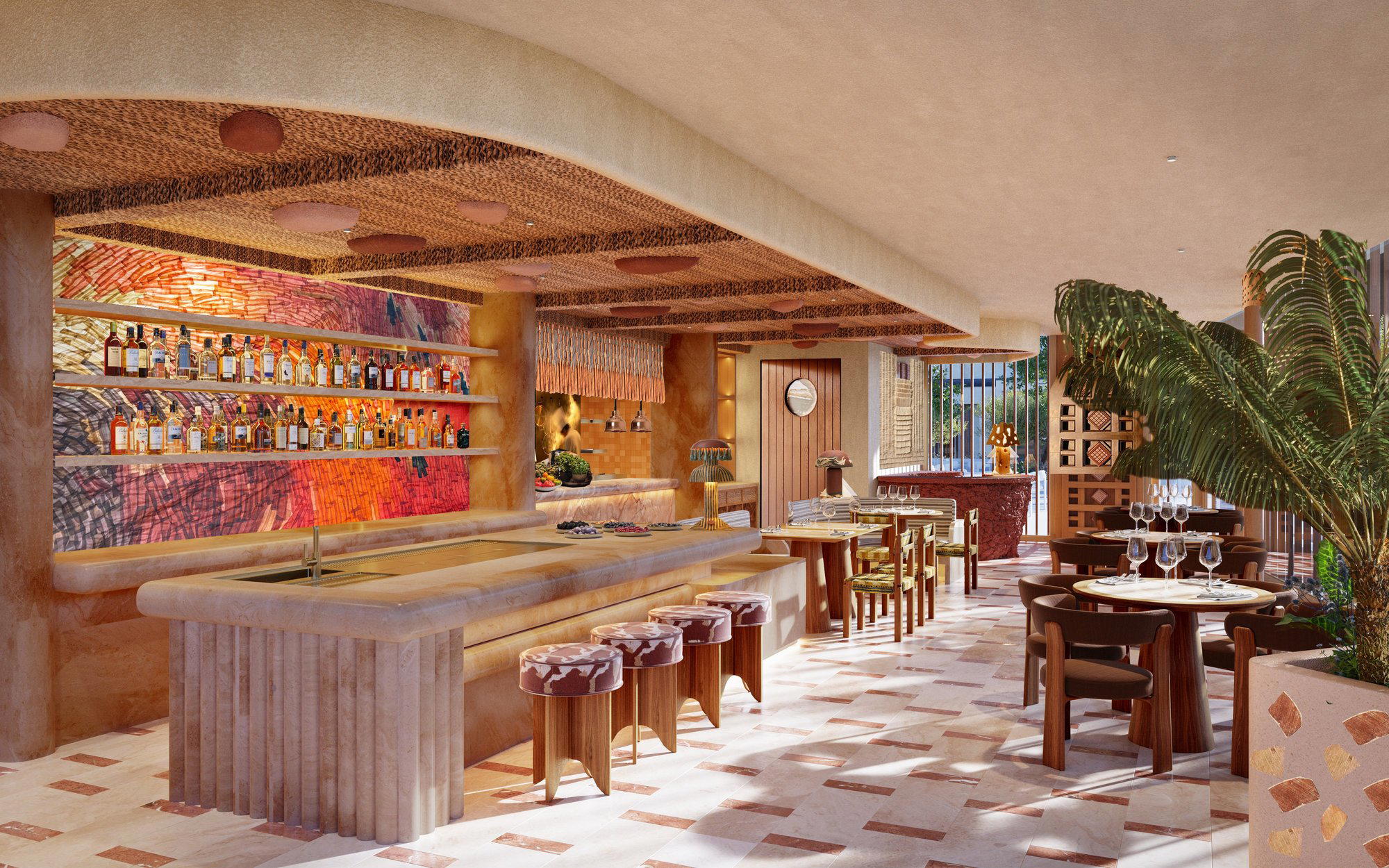
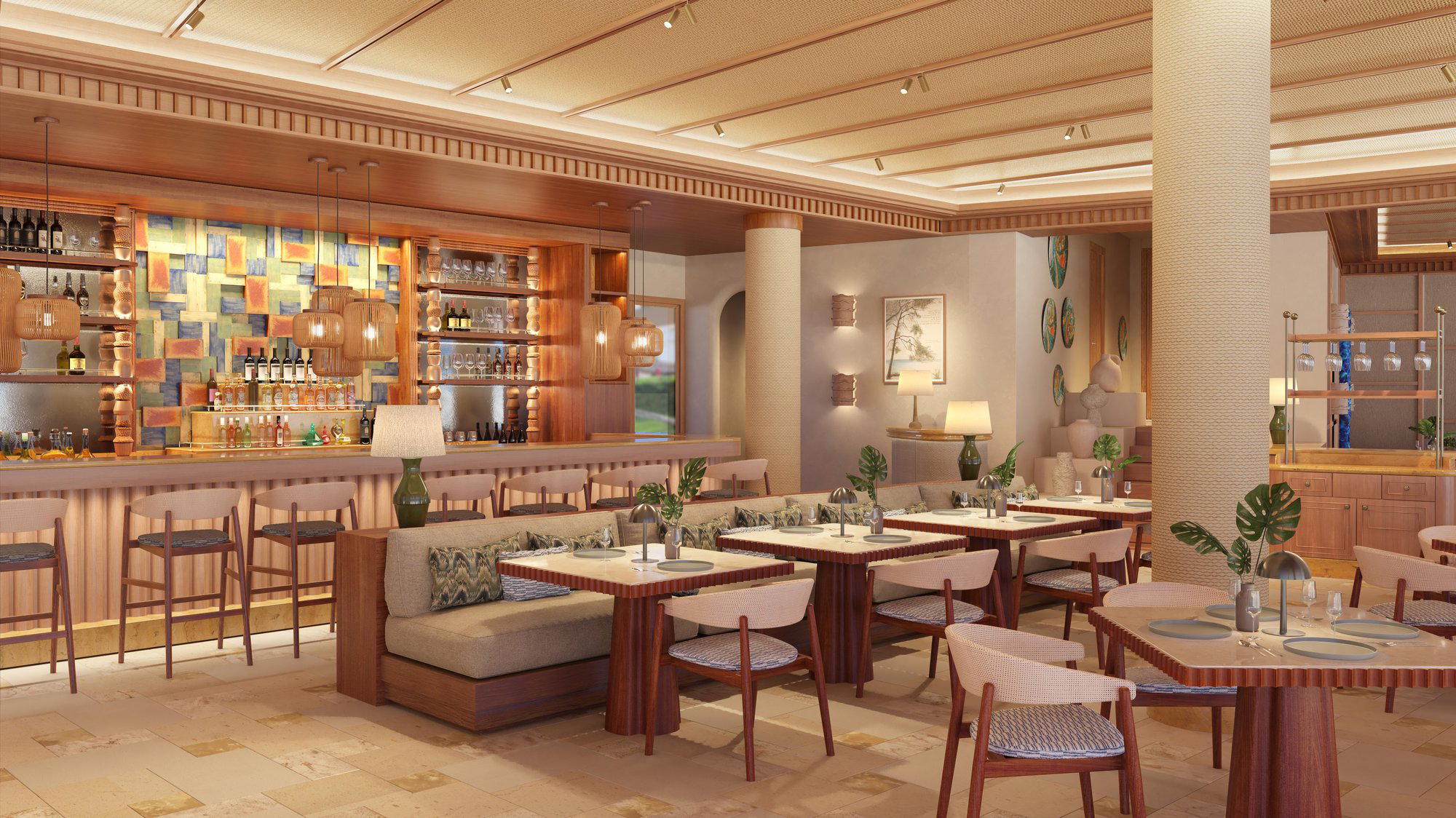
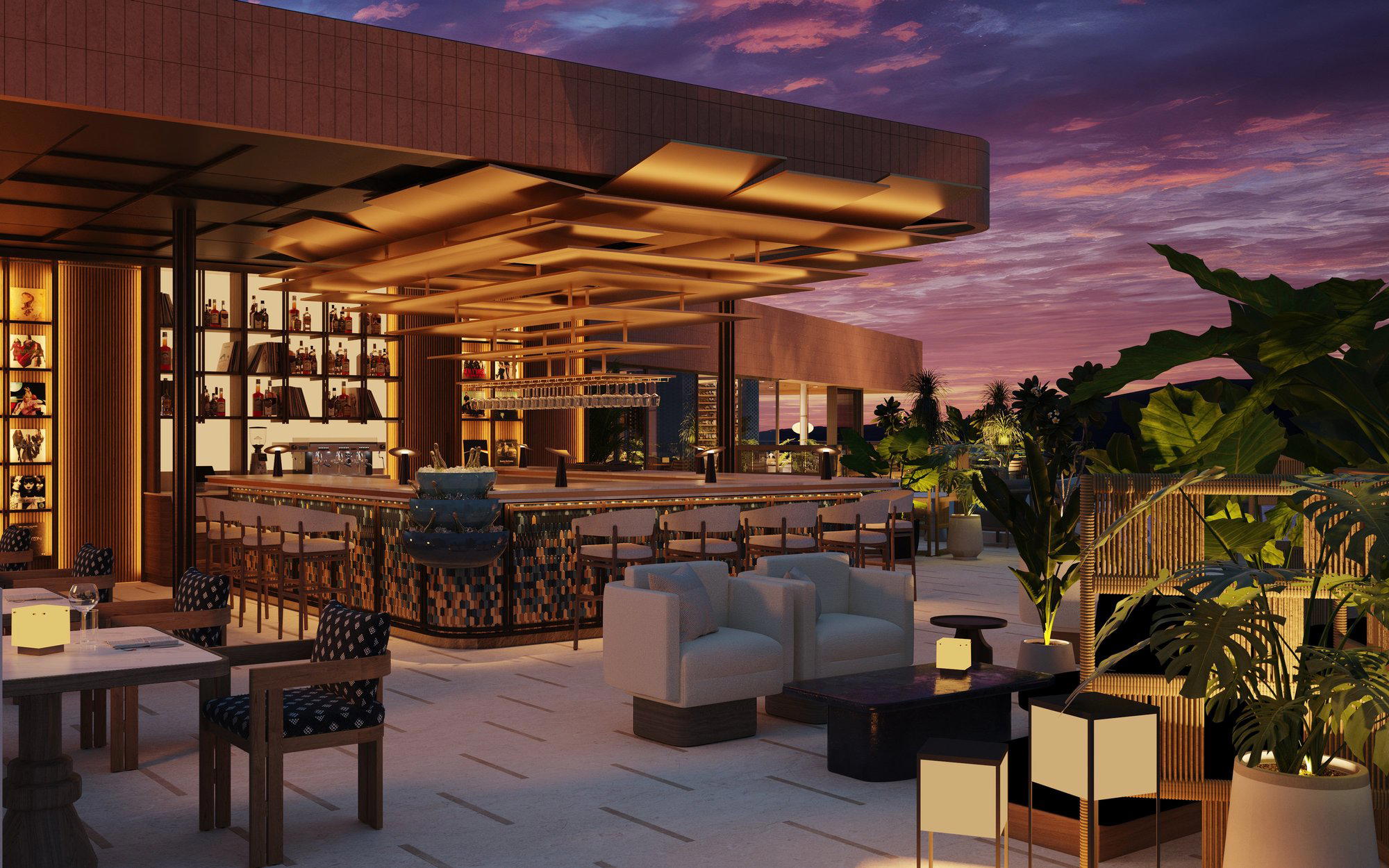
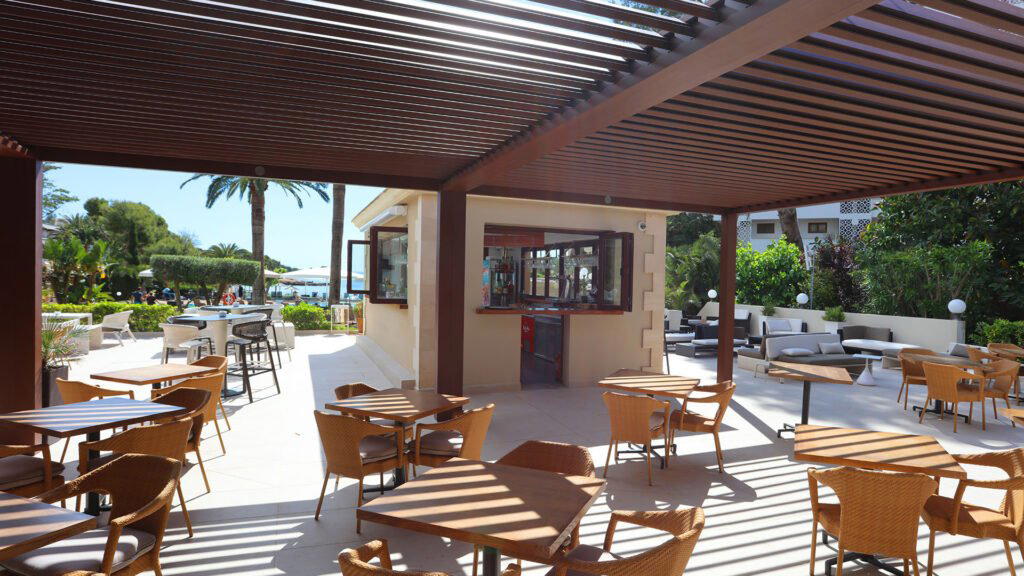
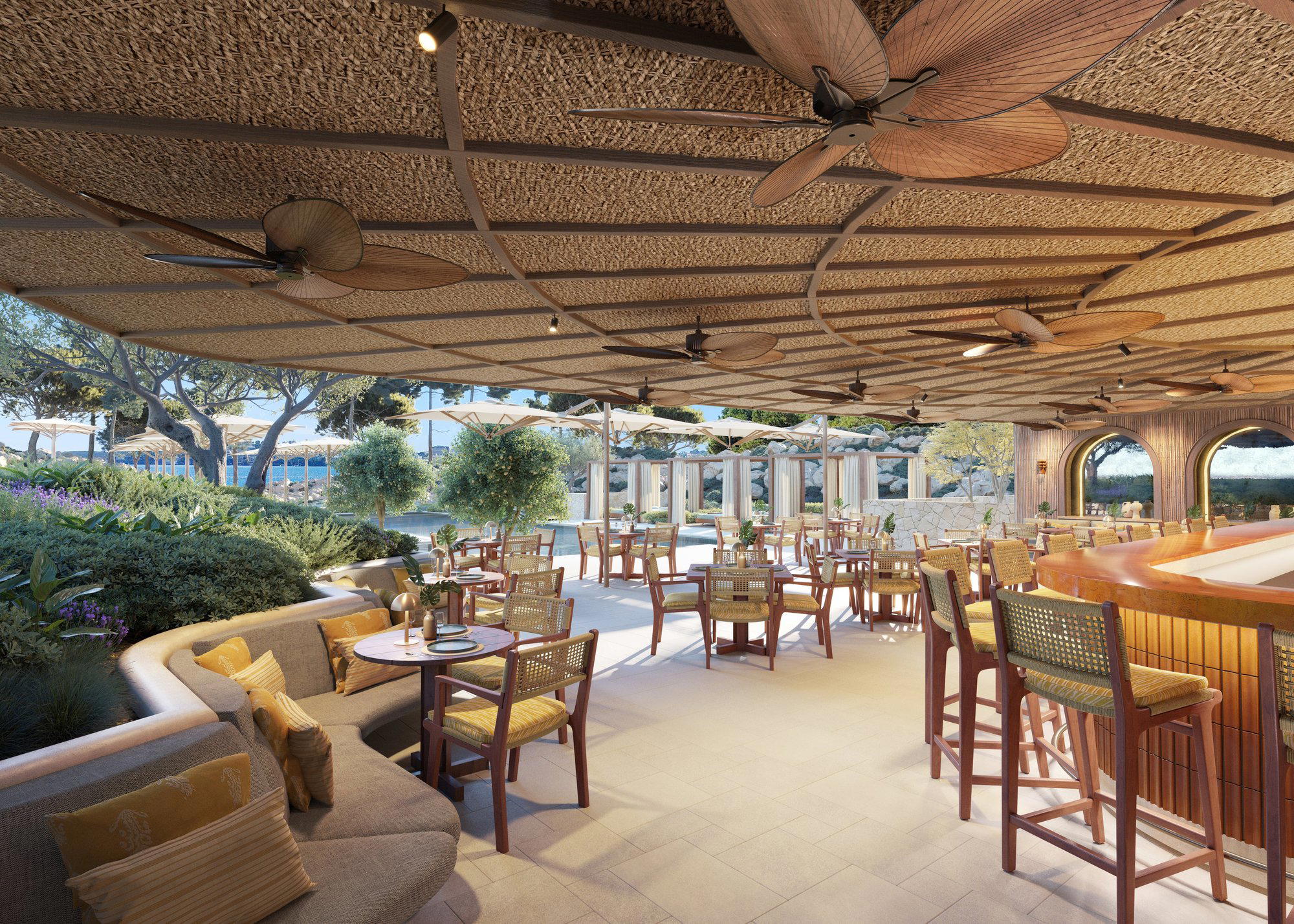
Contemporary and elegant with striking displays of dry-aged meats, an open kitchen celebrating fire and smoke, and refined bar service.