
IZURUN gives Taki-gun a serious Spanish reference point inside the Vison development, with Tabelog 100 Spanish cuisine selections in 2024 and 2026. The appeal is not urban glamour transplanted to Mie, but the way a regional hotel restaurant can use wine service, private-room flexibility, and destination dining rhythms to make Spanish cooking feel anchored outside the major-city circuit.
Pearl is the En Primeur Club membership app — saves, bookings, and concierge access live there. Same editors, same standards.
- Address
- Japan, 〒519-2170 Mie, Taki District, Taki, Vison, 672-1 10階
- Phone
- +81 598-67-0279
- Website
- vison.jp
 Saves & bookings on Pearl
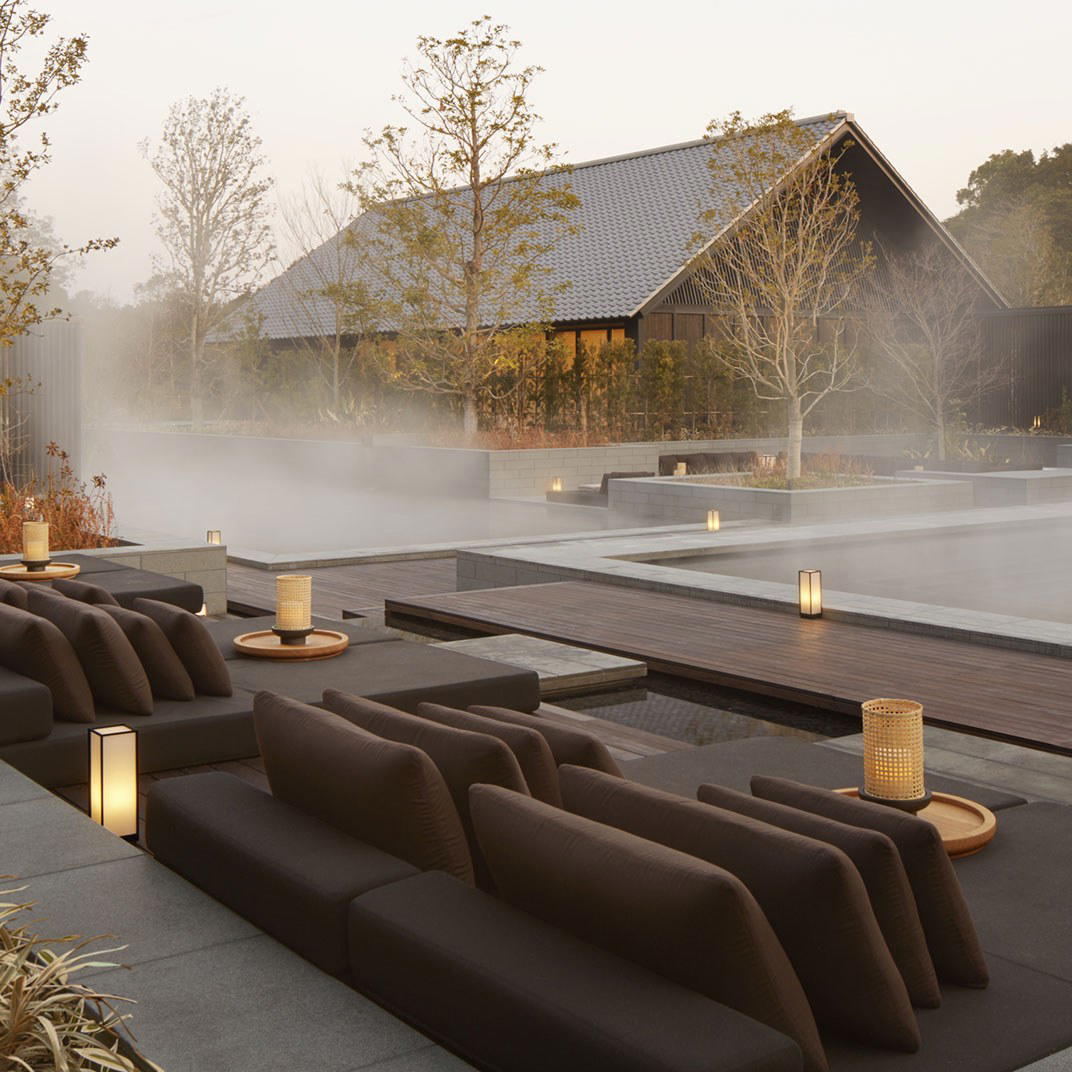
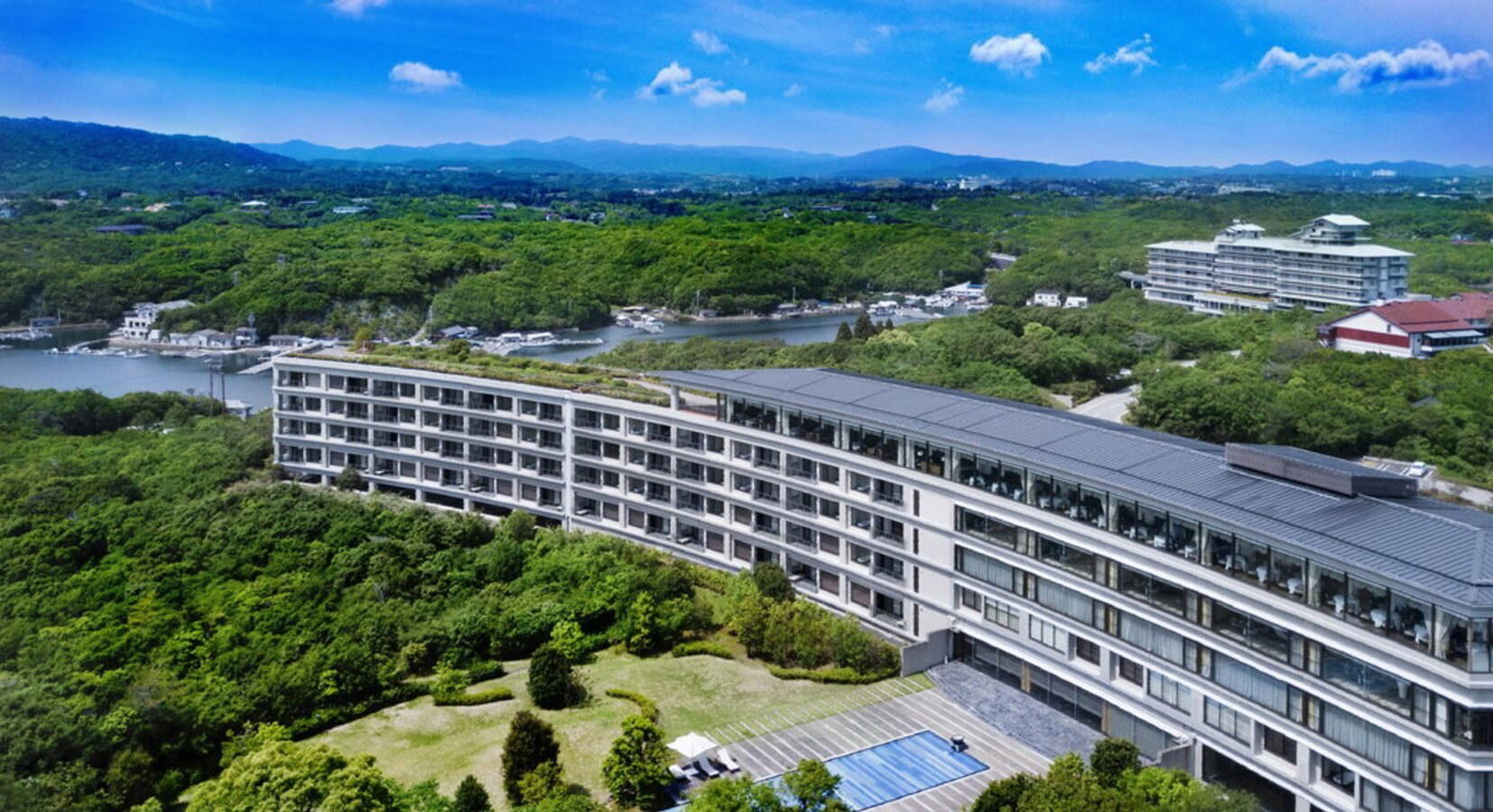
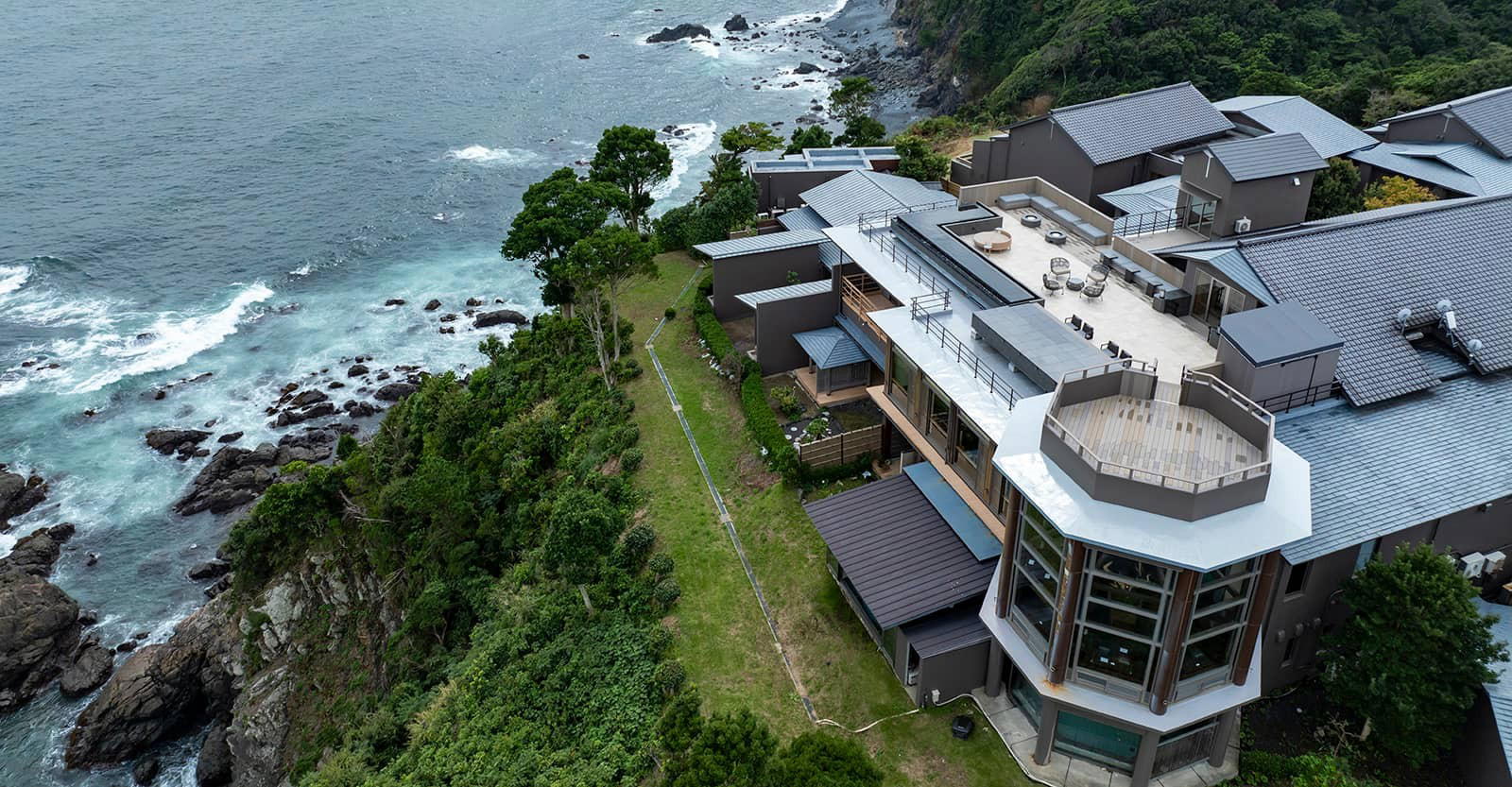
Arriving at Vison changes the usual expectations for Spanish dining in Japan. This is not the backstreet Tokyo counter model, nor the casual tapas-bar lane of Osaka or Yokohama. The setting is a planned food-and-hospitality district in rural Mie, where the approach to dinner is slower, more destination-led, and tied to the broader question of what regional luxury dining in Japan can become when it is not forced into a city-center template.
That context matters because Spanish restaurants in Japan often split into two camps: urban wine-and-small-plates rooms built for repeat neighborhood use, and more formal tasting-led restaurants where technique, pacing, and sourcing carry the argument. IZURUN belongs to the latter conversation. Its Tabelog 100 Spanish cuisine selections in 2024 and 2026 place it among a narrower national group, and its Tabelog score of 3.65 signals a restaurant that has moved beyond novelty into assessed credibility.
Spanish cooking reframed through Mie's regional-dining model
The stronger reading here is not “Spanish food in a hotel.” It is Spanish cuisine used as a lens for regional ingredients and destination behavior. Mie has long had a serious food identity, from coastal seafood to cultivated produce and the broader Ise-Shima association with pilgrimage, hospitality, and celebratory eating. A Spanish format can make that identity legible without copying kaiseki structure: rice, seafood, grilling, preserved flavors, olive oil, and wine all give the kitchen a vocabulary that travels well across climates and coastlines.
Japan’s Spanish dining scene has matured past paella shorthand. At the higher end, the cooking is judged by control of heat, seafood handling, seasoning restraint, and whether the meal can justify wine service beyond the obvious Iberian markers. A sommelier is listed here, which matters more than it first appears. In this price tier, wine is not an accessory; it is part of how the meal declares whether it is casual regional cooking or a composed evening restaurant.
Compared with lower-priced Mie addresses such as Maeshima Shokudo and Tori Yuu, the decision is not about replacing local comfort dining. Those places occupy a different function: quick, inexpensive, and regionally direct. The useful comparison is behavioral. IZURUN asks for the kind of planning normally reserved for a city tasting menu, then relocates that decision to Taki-gun, where the surrounding trip is part of the economics of the meal.
That is why the ingredient-sourcing angle carries weight. Rural destination restaurants succeed when they do not feel detached from their geography. The point is not to force every plate into a local-produce manifesto, but to let place influence rhythm and expectation. In a region with agricultural and coastal reach, Spanish cuisine has practical advantages: it can absorb local seafood, vegetables, meat, and wine pairings without turning the dinner into a lecture on provenance.
A formal room for travelers already thinking beyond the city circuit
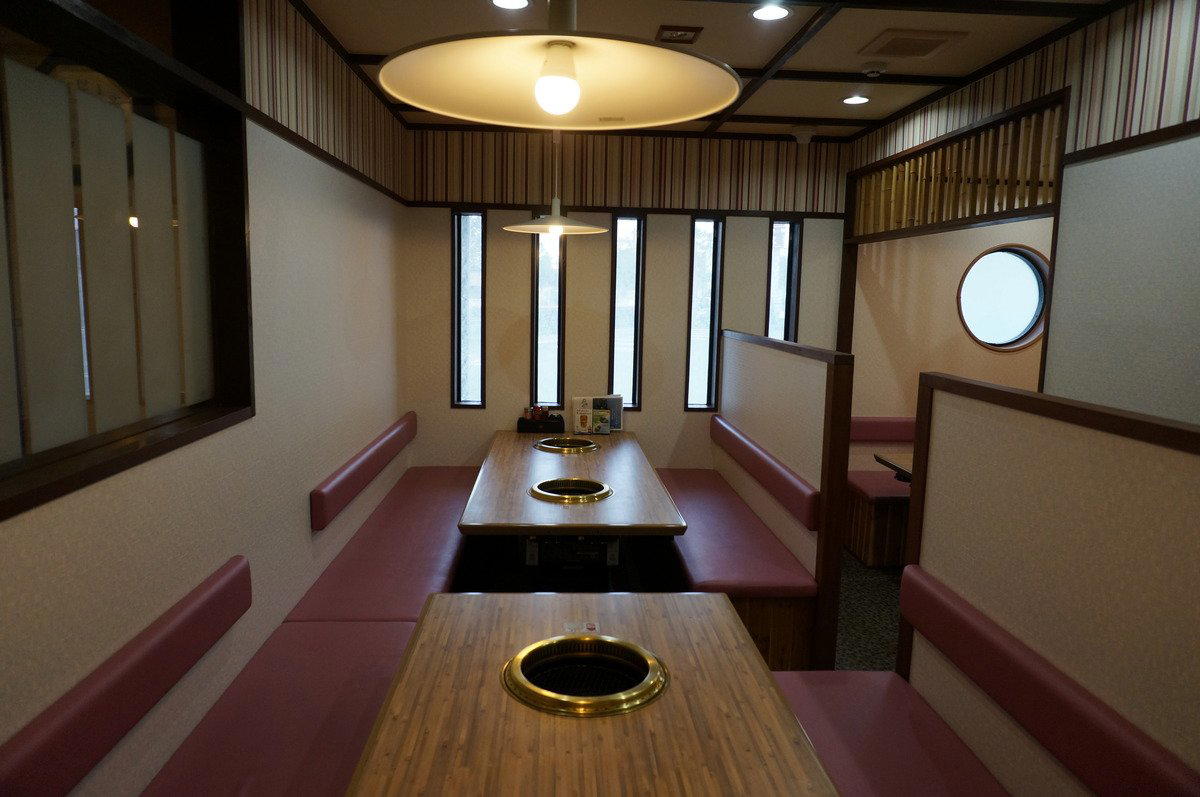
The room’s hotel-restaurant identity gives it a different social purpose from a standalone urban dining room. Private rooms and private-use availability make it more useful for small celebrations, business dinners, and food-focused overnight itineraries than for casual drop-ins. Non-smoking status and smart-casual dress also point toward a controlled evening format rather than a loose bar-driven one.
This is part of a wider shift in Japanese travel dining. The old hierarchy placed serious restaurants in Tokyo, Kyoto, and Osaka, while rural dining was treated as either ryokan cuisine or local specialty eating. That division is less convincing now. Developments such as Vison give regional restaurants the infrastructure to hold destination meals: parking, hotels, shopping, and a reason to stay after dinner rather than rush back to a station.
For readers mapping a Taki-gun itinerary, IZURUN sits more naturally beside regional travel planning than a single-meal detour. Pair the restaurant research with Our full Taki-gun restaurants guide, then decide whether the trip needs lodging through Our full Taki-gun hotels guide. The same planning logic applies to surrounding drinking and cultural time: Our full Taki-gun bars guide, Our full Taki-gun wineries guide, and Our full Taki-gun experiences guide help frame the meal as part of a larger stay rather than a disconnected reservation.
The restaurant’s opening in 2021 also places it in a post-pandemic generation of Japanese destination dining, when domestic travel, regional redevelopment, and reservation-led restaurants began overlapping more visibly. By 2026, the question is no longer whether serious dining can happen outside the major metro areas. The better question is which regional restaurants have enough structure, recognition, and clarity to reward the trip.
Where it fits in a wider Japan dining map
For diners building a Japan list across regions, the contrast is useful. A meal such as -Grilled beef Sukiyaki- KAMAKURA TANUKIAN 鎌倉 たぬき庵 in Kamakura speaks to a different Japanese tradition, while . 鮪と炭火焼き うお炭 秋葉原店 in Tokyo belongs to the capital’s tighter seafood-and-charcoal rhythm. .cafe in Osaka, .know in Kumamoto, and (Shoku) Vietnam in Kawasaki show how varied Japan’s imported and hybrid dining registers have become.
That spread is the point. Spain in Taki-gun is not an oddity when viewed against a national dining culture that already absorbs curry specialists, burger counters, sake bars, and mountain huts into serious travel planning. See [Curry Senmon Ten] Maruyama Kyoju. in Sapporo, [ki:] in Kyoto, #肉といえば松田 奈良本店 in Kashihara, 1/3 HAMBURGER FACTORY in Kanazawa, 1000 in Yokohama, and 1000mヒュッテ 1000m Hut in Kutchan. Even overseas references such as Jōdo Saké Bar in Los Angeles and Onigiri Time in Pasadena underline the same movement: Japanese dining culture now travels in both directions.
The editorial case for IZURUN is strongest for travelers who want regional Japan without giving up the discipline of a serious evening restaurant. Its recognition in Tabelog’s Spanish cuisine list, wine-service signal, hotel setting, and rural Mie location make it a specific kind of choice: less spontaneous than local everyday dining, more place-aware than a generic luxury room, and better suited to an itinerary built around food, architecture, and overnight pacing.
Snapshot
Comparable venues by cuisine and price in the same metro.
| Venue | Cuisine | Price | Notes |
|---|---|---|---|
| IZURUNThis venue — the venue you are viewing | Basque Fine Dining | $$$ | Not listed |
| エニェ | Modern Spanish Fine Dining | $$$ | Chūō |
| Arroz | Authentic Spanish Bistro & Tapas | $$ | Katamachi |
| Osteria e Bar Geno | Cozy Spanish Osteria & Bar | $$$ | Esaka |
| Torichou (鳥長) | 伝統的な焼き鳥 | $$$ | 練馬区 |
| Rakuichi | Traditional Hokkaido Soba Kaiseki | $$$ | Niseko Annupuri |
Recognition history
Dated appearances from independent guides and award organizations, with the underlying list record or original source where available.
Tabelog 100 #67 · No. 67
Tabelog · Tabelog 100 - Spanish cuisine - 2026
Continue exploring
More in Taki-gun
Restaurants in Taki-gun
Browse all →
At a Glance
- Sophisticated
- Elegant
- Intimate
- Quiet
- Modern
- Celebration
- Special Occasion
- Date Night
- Business Dinner
- Group Dining
- Hotel Restaurant
- Design Destination
- Extensive Wine List
- Sommelier Led
- Beer Program
- Local Sourcing
- Mountain
Current opening hours
- Monday
- 6–7:30 PM
- Tuesday
- 6–7:30 PM
- Wednesday
- 6–7:30 PM
- Thursday
- 6–7:30 PM
- Friday
- 6–7:30 PM
- Saturday
- 6–7:30 PM
- Sunday
- 6–7:30 PM
Hours can change for holidays and private events. Last verified .
An upscale, destination-style dining room focused on a refined Basque gastronomic experience, with a hotel-top-floor setting that feels quiet and special-occasion oriented.