
Arroz brings Spanish small-plates culture into Kanazawa’s restaurant scene, with chef Takashi Ishiura attached and a 2026 Opinionated About Dining Recommended citation. The useful frame is not destination dining spectacle, but the social rhythm of tapas: dishes ordered in sequence, shared across the table, and measured against the city’s broader appetite for precise, intimate restaurants.
Pearl is the En Primeur Club membership app — saves, bookings, and concierge access live there. Same editors, same standards.
- Address
- 1-7 Kiguramachi, Kanazawa, Ishikawa 920-0988, Japan, Kanazawa, Chūbu, Japan
- Phone
- +81 76-222-7105
 Saves & bookings on Pearl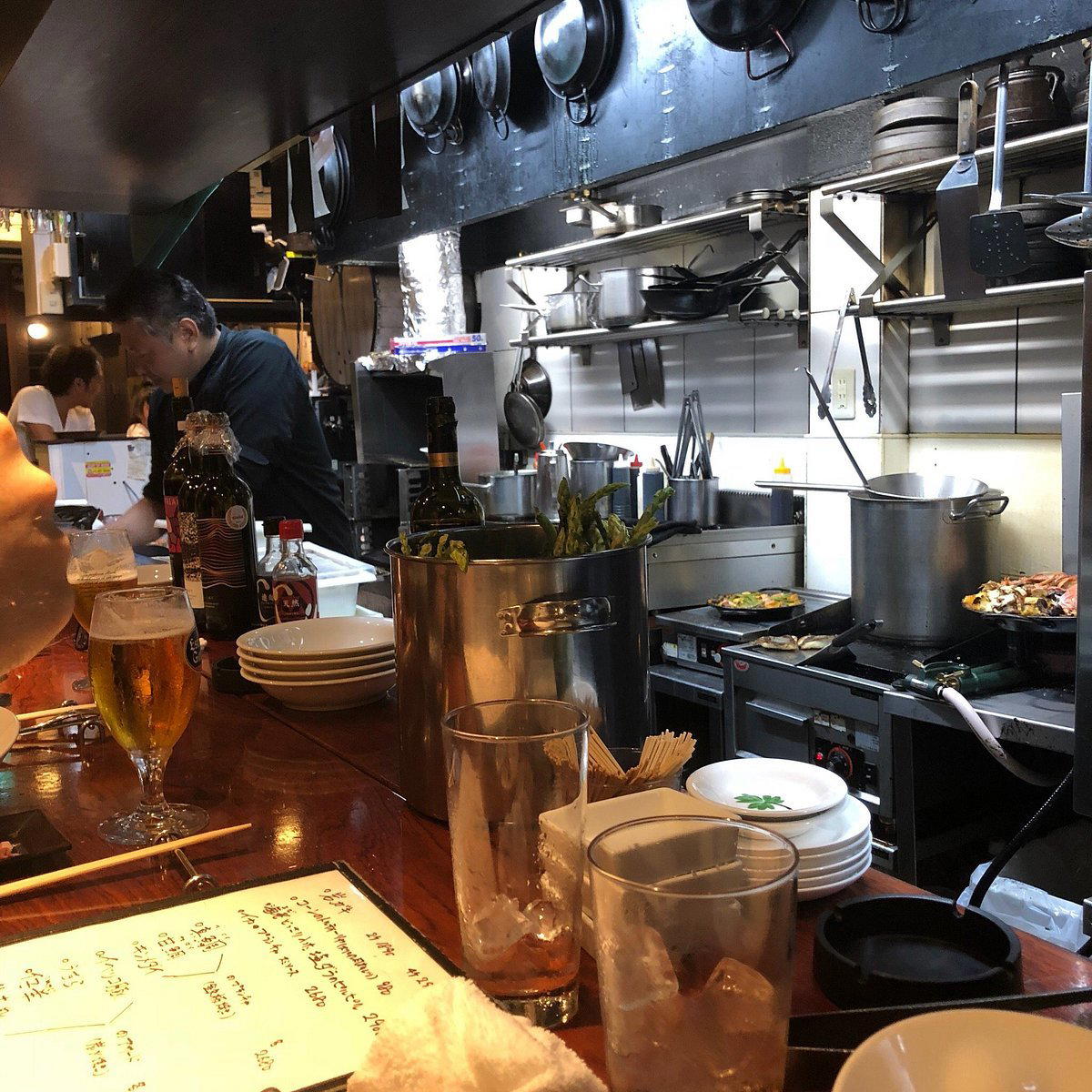
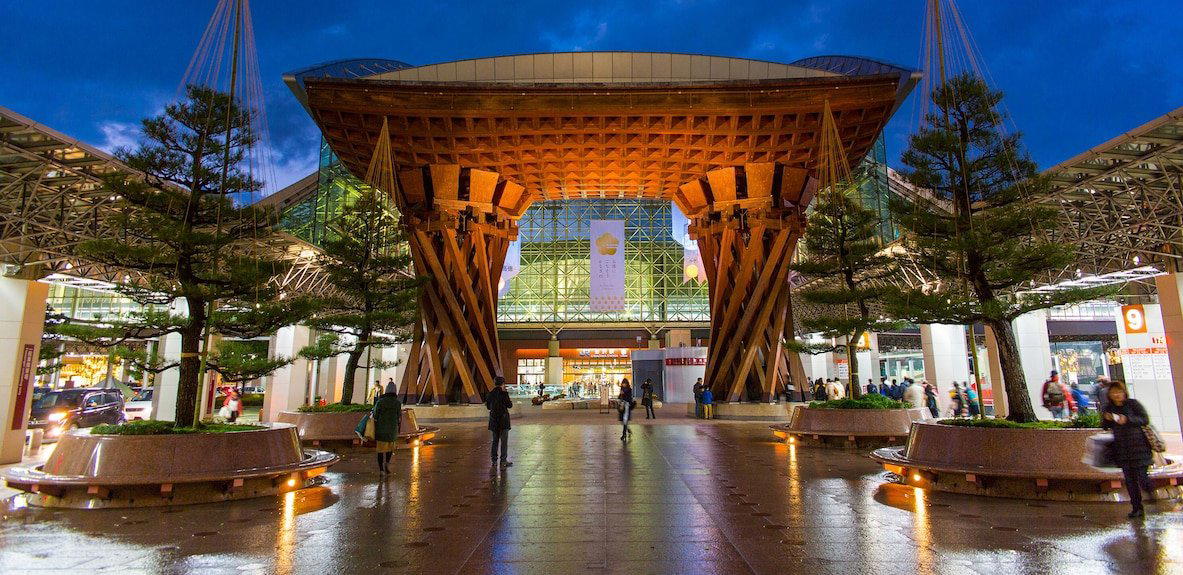
Kanazawa’s restaurant culture has a particular kind of restraint: narrow streets, compact dining rooms, and a preference for meals that unfold at close range rather than through grand display. Arroz fits that scale. Its Spanish cooking belongs to the small-plates tradition, where the meal is built through rhythm rather than ceremony: a table orders, shares, pauses, adds another round, and lets appetite rather than a fixed tasting structure set the pace.
That matters in Kanazawa, a city better known to many travellers for seafood markets, kaiseki formality, wagashi, and craft traditions than for Iberian cooking. Spanish restaurants in regional Japanese cities often work differently from their counterparts in Tokyo or Osaka. They are less about importing a metropolitan scene wholesale and more about adapting tapas culture to local dining habits: smaller groups, quieter rooms, and a tighter relationship between kitchen and guest. Arroz sits inside that pattern, with chef Takashi Ishiura named to the restaurant and Spanish cuisine as the clear category.
Spanish small plates in a city built for close-range dining
Tapas is often misread as casual grazing. At stronger restaurants, it is a discipline of pacing. The format rewards tables that order in layers, moving from lighter plates into richer cooking, then back toward something sharper or simpler. In Japan, that rhythm can feel especially natural because the meal already aligns with shared plates, careful sequencing, and attention to proportion.
Kanazawa adds another layer. The city’s dining identity leans on seasonality and craft without needing a large-city stage. A Spanish kitchen here has to make sense beside sushi counters, kappo rooms, izakaya, and confectionery shops rather than compete through volume. The appeal is the contrast: Iberian technique and social eating set against a city where precision usually wears a quieter uniform.
The 2026 Opinionated About Dining Recommended recognition gives Arroz a useful trust marker without turning the meal into an awards exercise. OAD’s Japan list tends to surface restaurants that obsessive diners discuss across categories, not only formal luxury rooms. For a Spanish address in Kanazawa, that signal places the restaurant in a more specialist lane: not a generic international option, but a venue noticed within a national restaurant conversation.
How to read the experience: social, measured, and not built around spectacle
The better way to approach this style is to think in rounds. Start with restraint, let the table’s appetite establish the tempo, and avoid treating the menu like a checklist. Spanish small-plates dining works when there is conversation between dishes: salt, fat, acidity, heat, bread, wine or another drink, then a return to something cleaner. The pleasure comes from adjustment.
That ordering philosophy also explains why this kind of restaurant can be more compelling in Kanazawa than a louder format would be. The city rewards meals that are attentive but not overproduced. A table at Arroz is better understood as part of Kanazawa’s compact dining ecology, where scale and sequencing matter more than theatrical service. Chef Takashi Ishiura’s name provides a credential, but the story is the format: Spanish cooking translated into a city that already understands the value of small, carefully judged portions.
Travellers building a Kanazawa food itinerary should treat Arroz as a counterpoint rather than a substitute for the city’s Japanese dining traditions. For breadth, pair it mentally with the wider restaurant map in Our full Kanazawa restaurants guide, then look at how different categories shape the city’s hospitality through Our full Kanazawa hotels guide, Our full Kanazawa bars guide, Our full Kanazawa wineries guide, and Our full Kanazawa experiences guide.
Where it sits in a wider Japan dining itinerary
Kanazawa is useful because it resists the habit of judging every Japanese meal through the Tokyo lens. A Spanish restaurant here belongs to a broader national pattern: regional cities now support focused international kitchens alongside local institutions, and diners increasingly move between categories in a single trip. In Kanazawa itself, that range might include casual American-style cooking at 1/3 HAMBURGER FACTORY, the compact local presence of 333, meat-focused dining at Aburi Niku Garan, regional Japanese cooking at Ajiraku Yumemi, and sweet craft at Amanatto Kawamura.
Across Japan, the same itinerary logic can stretch from sukiyaki in Kamakura at -Grilled beef Sukiyaki- KAMAKURA TANUKIAN 鎌倉 たぬき庵 in Kamakura to charcoal-grilled tuna in Tokyo at. 鮪と炭火焼き うお炭 秋葉原店 in Tokyo, cafe culture at.cafe in Osaka, regional dining at.know in Kumamoto, Vietnamese cooking in Kawasaki at (Shoku) Vietnam in Kawasaki, curry in Sapporo at [Curry Senmon Ten] Maruyama Kyoju. in Sapporo, and Spanish cooking in Tokyo at Aca 1°, Spanish in Tokyo. Even outside Japan, Spanish restaurants such as Amari, Spanish in Brighton and Hove show how the cuisine travels by changing its scale, service style, and local references.
The editorial case for Arroz is therefore practical rather than grandiose. It gives Kanazawa visitors a Spanish small-plates option with named chef leadership and OAD recognition, in a city where compact, conversational dining already has the right architecture. Go expecting a meal shaped by sharing and pacing, not by spectacle.
Reputation & Price
Comparable venues nearby, for context on price, style, and recognition.
| Venue | Cuisine | Price | Notes |
|---|---|---|---|
| ArrozThis venue — the venue you are viewing | Spanish | $$ | Not listed |
| Spanish Ryori Arosu | Not listed | $$ | Kanazawa, Authentic Spanish bar and restaurant with Kanazawa ingredients |
| Kureha | Not listed | $$ | Kanazawa, Traditional Japanese cafe & wagashi tea house |
| Teuchi Soba Koyori | Kanazawa, Handmade Soba Noodle Shop | $$ | Not listed |
| China Dining Queen | Kanazawa, Cantonese Chinese | $$ | Not listed |
| Sarashina Fujii | Kanazawa, Traditional Soba & Sake Bar | $$ | Not listed |
Recognition history
Dated appearances from independent guides and award organizations, with the underlying list record or original source where available.
Opinionated About Dining Top Restaurants in Japan Recommended
Opinionated About Dining
Continue exploring
More in Kanazawa
Restaurants in Kanazawa
Browse all →

At a Glance
- Cozy
- Trendy
- Lively
- Romantic
- Late Night
- Casual Hangout
- Date Night
- Group Dining
- After Work
- Solo
- Standalone
- Wine Cellar
- Extensive Wine List
- Craft Cocktails
- Beer Program
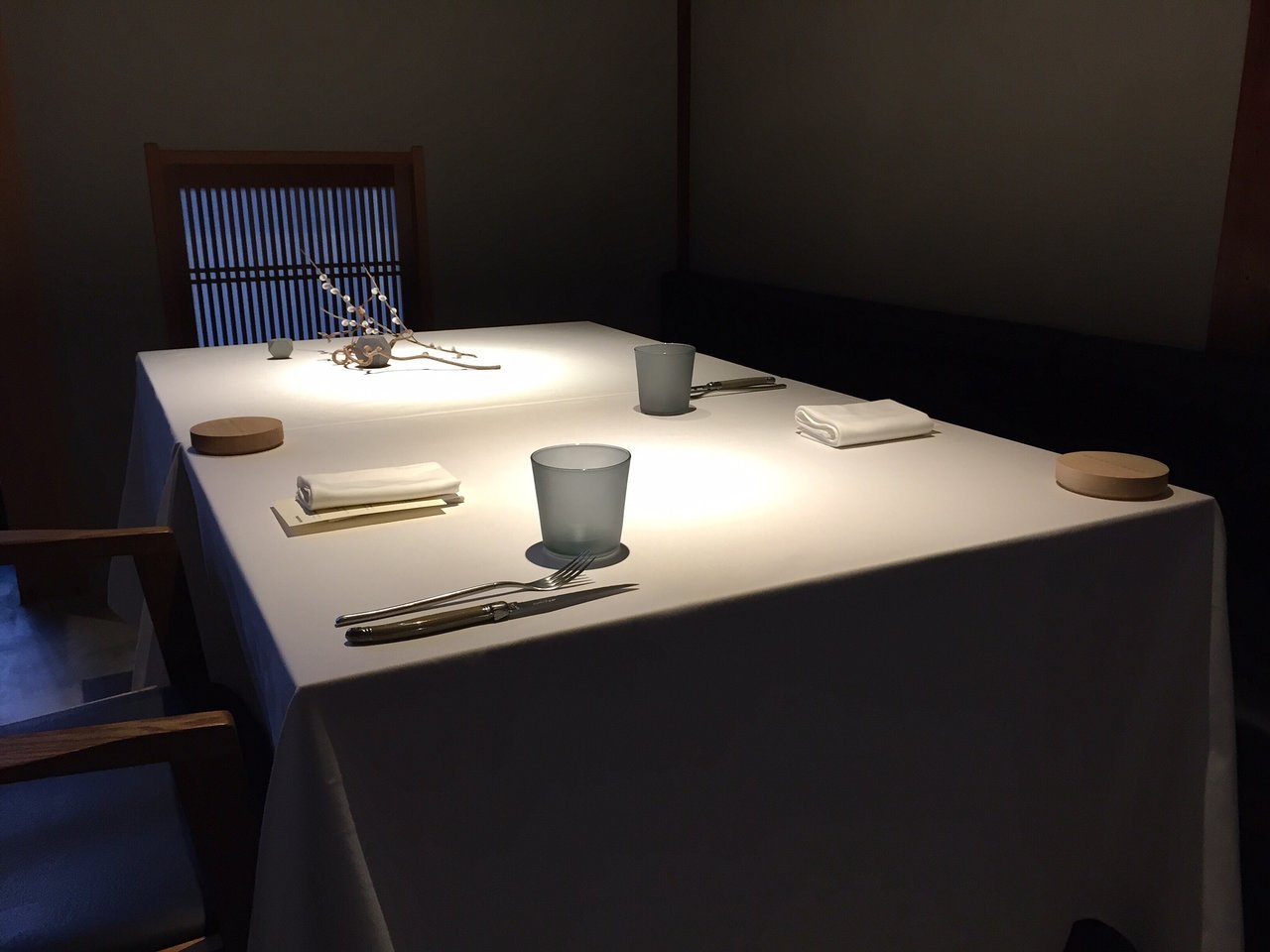
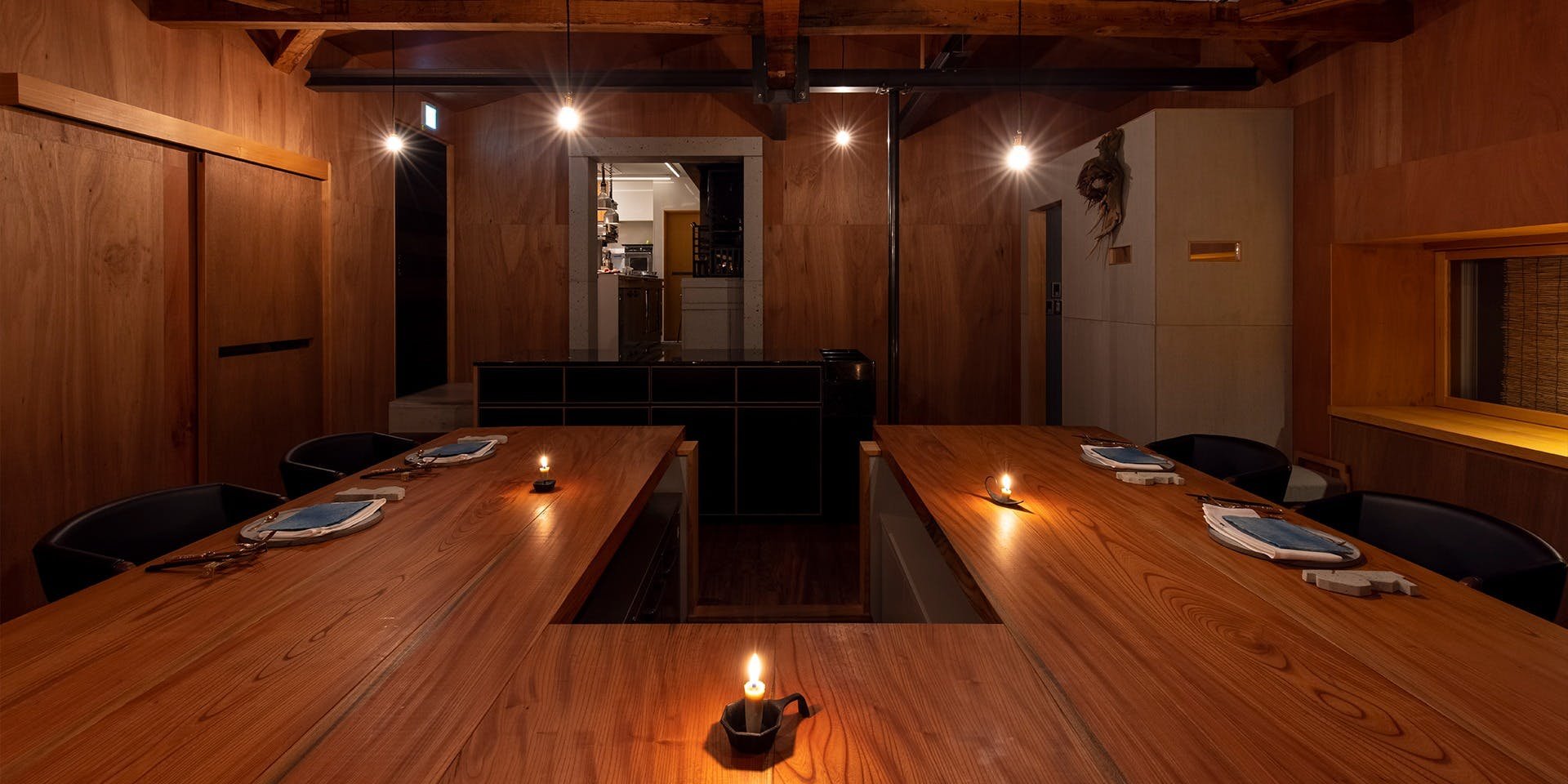
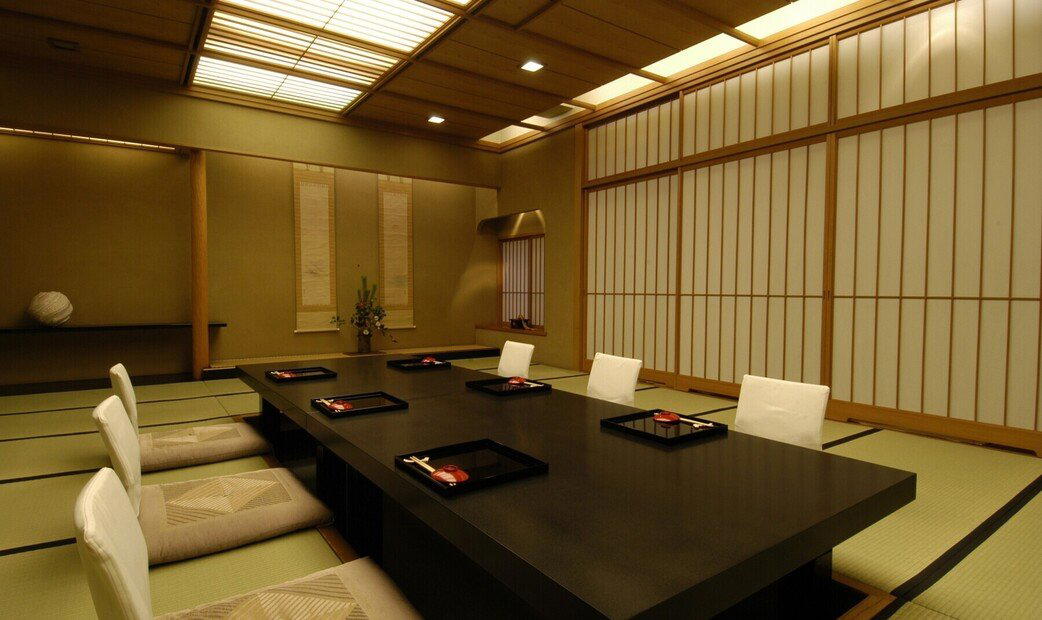
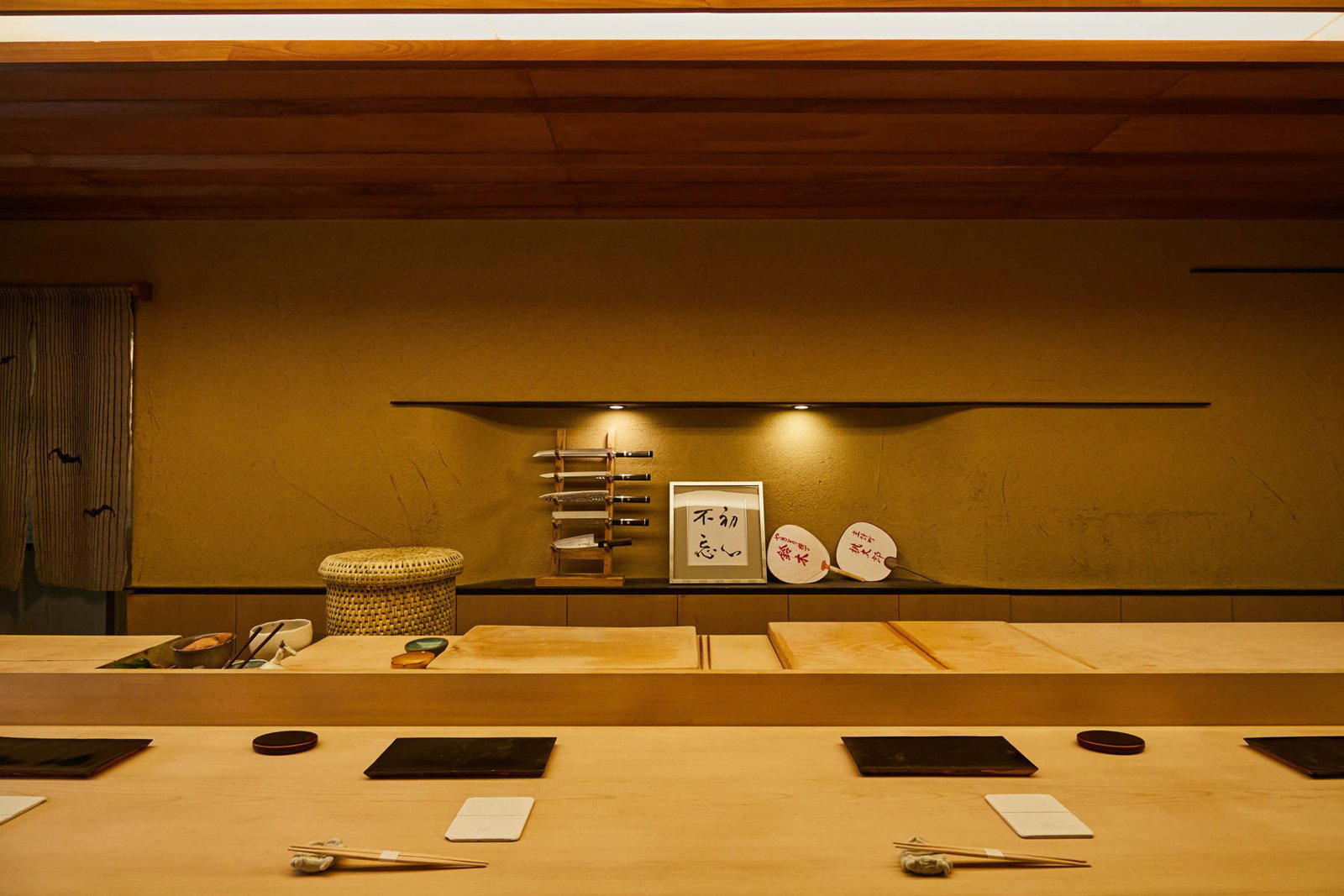
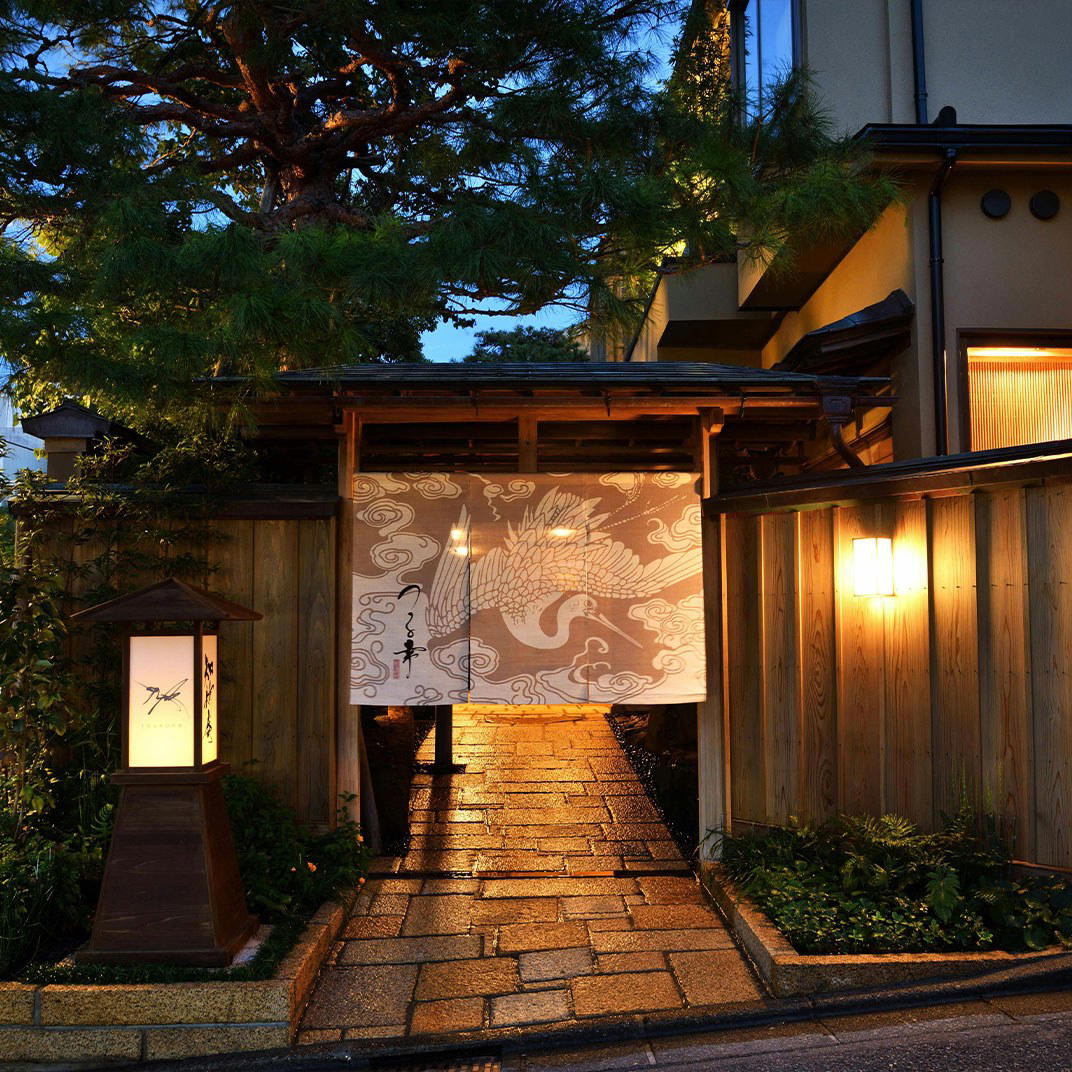
Casual, cozy bistro-style room with a stylish, European-inspired interior, lively late-night bar energy, and a relaxed, welcoming atmosphere suited to both dates and groups.