
A Michelin Plate-recognised izakaya on Lê Phụng Hiểu in Hanoi's French Quarter, Izakaya by Koki sits at the more accessible end of the Koki group's Hanoi portfolio, sitting a price tier below its sibling Hibana by Koki. The format follows the izakaya tradition of shared plates and drinking-house informality, brought into a city where Japanese dining has grown considerably in range and seriousness over the past decade.
Pearl is the En Primeur Club membership app — saves, bookings, and concierge access live there. Same editors, same standards.
- Address
- 11 P. Lê Phụng Hiểu, French Quarter, Hoàn Kiếm, Hà Nội 100000, Vietnam
- Phone
- +84 24 3987 8888
- Website
- capellahotels.com
- Directions
- Get directions
 Saves & bookings on Pearl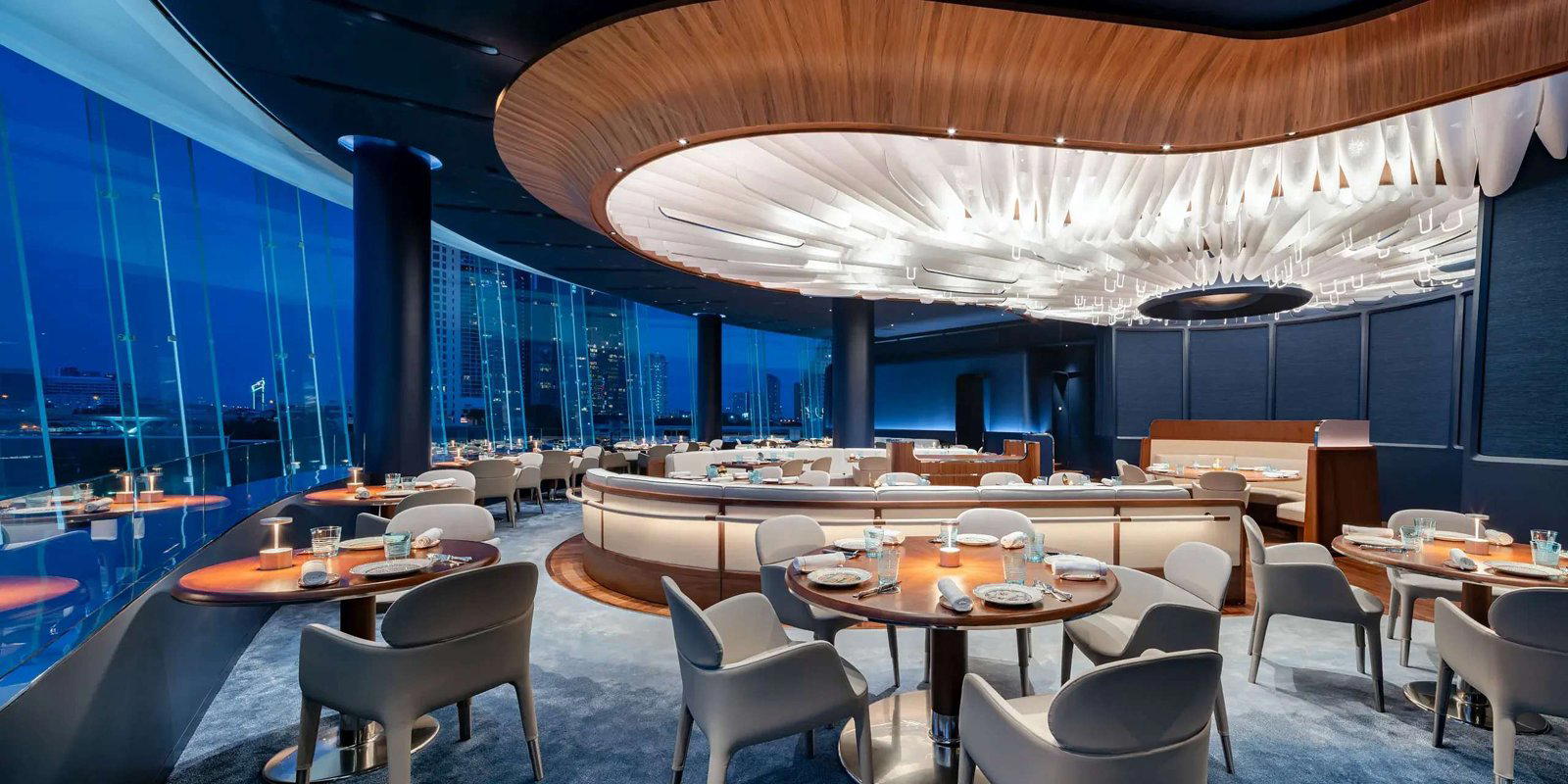
Japanese Drinking-House Culture in the French Quarter
The izakaya format has always occupied a specific register in Japanese dining: not the ceremonial precision of kaiseki, not the counter discipline of omakase, but something more lateral and social. Dishes arrive in no fixed order, the drinks come first and keep coming, and the evening is structured by conversation rather than by the kitchen's progression. That format travels well, and in Hanoi's French Quarter, it has found a neighbourhood that suits it. Lê Phụng Hiểu is a quieter spoke off the Hoàn Kiếm grid, close enough to the lake district to draw a mix of resident expats, Vietnamese professionals, and visitors who have moved beyond the Old Quarter circuit. Izakaya by Koki sits on that street with a presence that reads as considered rather than showy, which is consistent with the izakaya register itself.
Where It Sits in Hanoi's Japanese Dining Scene
Hanoi's Japanese restaurant offering has expanded substantially, running from fast-casual ramen shops near the expat corridors of Tây Hồ to higher-commitment tasting formats in the centre. Izakaya by Koki occupies a middle tier: priced at ₫₫₫, it sits above the casual end but below the ₫₫₫₫ bracket that its sibling Hibana by Koki, which holds a Michelin Star, occupies. That price positioning is deliberate. The izakaya model is not designed to compete with teppanyaki theatre or multi-course kaiseki; it competes on frequency and accessibility. Holding a Michelin Plate in both 2024 and 2025 signals that the kitchen clears a recognised quality threshold even within that more informal frame.
For comparison within Hanoi's wider dining field, the Vietnamese options such as Gia (Vietnamese Contemporary) and Tầm Vị (Vietnamese) operate in a different register entirely, one rooted in local produce and culinary narrative. The Japanese category in Hanoi, by contrast, is largely defined by how faithfully a kitchen can translate source-culture technique into a city where many of the key ingredients must be imported or substituted. Izakaya by Koki's Michelin recognition suggests it handles that challenge at a credible level.
The Regional Lens: Kanto vs. Kansai in the Izakaya Tradition
Izakaya cooking does not exist outside Japan's regional debates, even when transplanted abroad. The Kanto tradition, centred on Tokyo, tends toward deeper, sweeter soy-based broths and a preference for bold umami accumulation. Kansai cooking, centred on Osaka and Kyoto, favours lighter dashi, more restrained seasoning, and a focus on letting individual ingredients read clearly. These are not rigid binaries, but they shape how izakaya menus are constructed: what goes into a kushiyaki glaze, how a dashi-based dish is balanced, whether the kitchen leans on sweet mirin-forward profiles or drier, more saline ones.
In a city like Hanoi, where Japanese culinary training pipelines are shorter than in the major Southeast Asian capitals, these regional distinctions can blur. The more instructive reference points sit in Japan itself: the multi-course kaiseki restraint of Isshisoden Nakamura in Kyoto or Kashiwaya Osaka Senriyama represent the Kansai pole, while Tokyo counters such as Kagurazaka Ishikawa, Azabu Kadowaki, and Ginza Fukuju anchor the Kanto end. Izakaya cooking sits below both in formality, but its flavour logic still draws from one regional tradition or the other. The leading izakayas abroad are usually those with a clear point of view on this axis.
For travellers who want to trace how Japanese technique adapts across Southeast Asia more broadly, Akuna in Ho Chi Minh City offers an interesting parallel in a different culinary register, and Myojaku in Tokyo provides a reference point for how the izakaya tradition performs in its home city at a recognised level.
The Koki Group Context
Understanding the restaurant requires understanding the group structure it belongs to. The Koki name appears across multiple formats in Hanoi, with Hibana by Koki as the group's Michelin-starred teppanyaki operation. That sibling venue operates at a higher price point and with a more performance-oriented format, where the kitchen counter is the theatre. The izakaya sits alongside it as a deliberately less formal outlet, one where the entry point is lower and the occasion is less constructed. This two-tier architecture, a flagship plus an accessible satellite, is a pattern seen in several successful Asian restaurant groups, and it allows the group to capture different spending and occasion segments without diluting either format.
Within the Hanoi fine dining context, the city also has strong Vietnamese-focused options at various price points: 1946 Cua Bac at the more affordable end, and Azabu representing another internationally-inflected option in the capital. The Japanese category, however, remains a distinct lane, and the Koki group holds the clearest Michelin-acknowledged position within it in Hanoi at this moment.
Planning a Visit
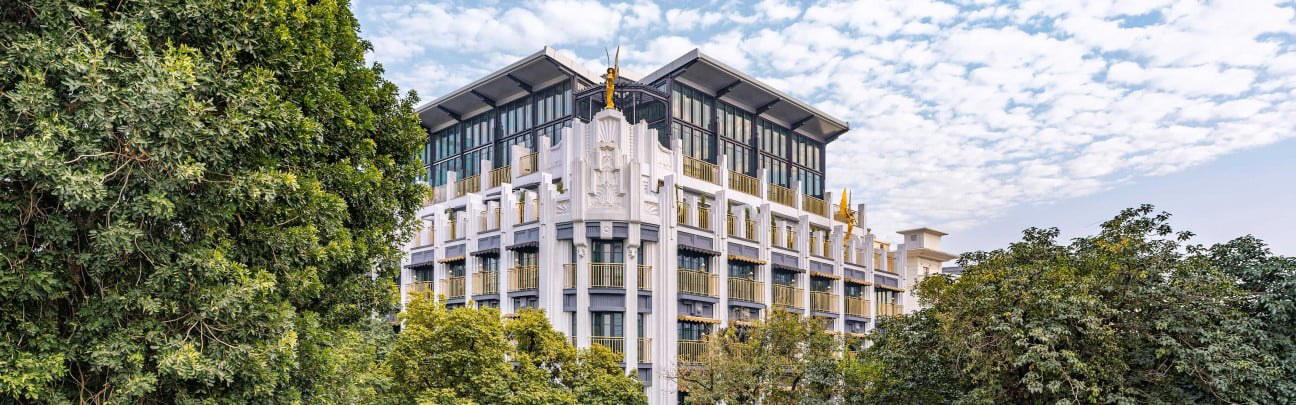
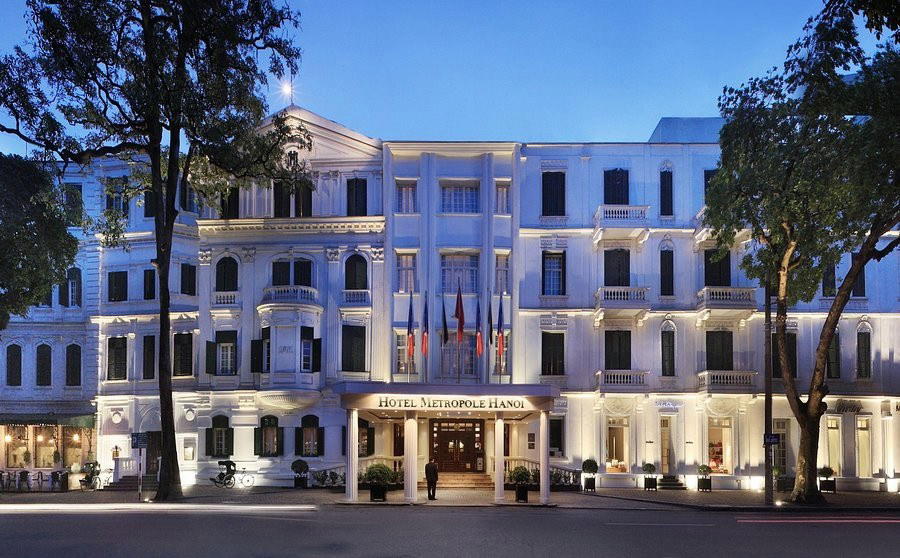
The restaurant is located at 11 Lê Phụng Hiểu in the Hoàn Kiếm district, within the French Quarter zone that also contains many of Hanoi's embassy buildings and colonial-era architecture. The address puts it within walking distance of the Hoàn Kiếm lake area, which makes it a natural stop before or after an evening around the lake district. At about $120 per person, expect a spend that sits comfortably in the mid-range for a Hanoi dinner with drinks, lower than a meal at Hibana and broadly comparable to the mid-tier Vietnamese options in the same district. Booking is essential, and the restaurant is closed on Mondays and Sundays.
For travellers building a broader Hanoi itinerary beyond restaurants, guides cover the full range. And for those whose Hanoi itinerary extends to Da Nang or the coast, La Maison 1888 in Da Nang represents a different but equally serious dining option further south.
Price Lens
Comparable venues nearby, for context on price, style, and recognition.
| Venue | Cuisine | Price | Awards | Notes |
|---|---|---|---|---|
| Izakaya by KokiThis venue — the venue you are viewing | Japanese | $$$$ | Michelin Plate | Not listed |
| El Gaucho (Hoan Kiem) | Hoan Kiem, Argentinian Steakhouse | $$$$ | Michelin Plate | Not listed |
| Hemispheres Steak & Seafood Grill | Tay Ho, Premium Steak & Seafood Grill | $$$$ | Michelin Plate | Not listed |
| Azabu | Not listed | $$$$ | Michelin Plate | Hai Ba Trung, Michelin-Concept Japanese Omakase |
| Tanh Tách | Not listed | $$$ | Michelin Plate | Hai Ba Trung, European Seafood with Vietnamese Influences |
| Etēsia | Not listed | $$$$ | Michelin Plate | Hoan Kiem, Modern Mediterranean with Asian Twists |
Recognition history
Dated appearances from independent guides and award organizations, with the underlying list record or original source where available.
Michelin Plate
Michelin
Michelin Plate
Michelin
Michelin Plate
Michelin
At a Glance
- Elegant
- Sophisticated
- Intimate
- Modern
- Date Night
- Special Occasion
- Celebration
- Business Dinner
- Open Kitchen
- Chefs Counter
- Hotel Restaurant
- Private Dining
- Extensive Wine List
- Sake Program
- Sommelier Led
- Local Sourcing
Current opening hours
- Monday
- Closed
- Tuesday
- 11:30 AM–1:30 PM, 6–10 PM
- Wednesday
- 11:30 AM–1:30 PM, 6–10 PM
- Thursday
- 11:30 AM–1:30 PM, 6–10 PM
- Friday
- 11:30 AM–1:30 PM, 6–10 PM
- Saturday
- 11:30 AM–1:30 PM, 6–10 PM
- Sunday
- Closed
Hours can change for holidays and private events. Last verified .
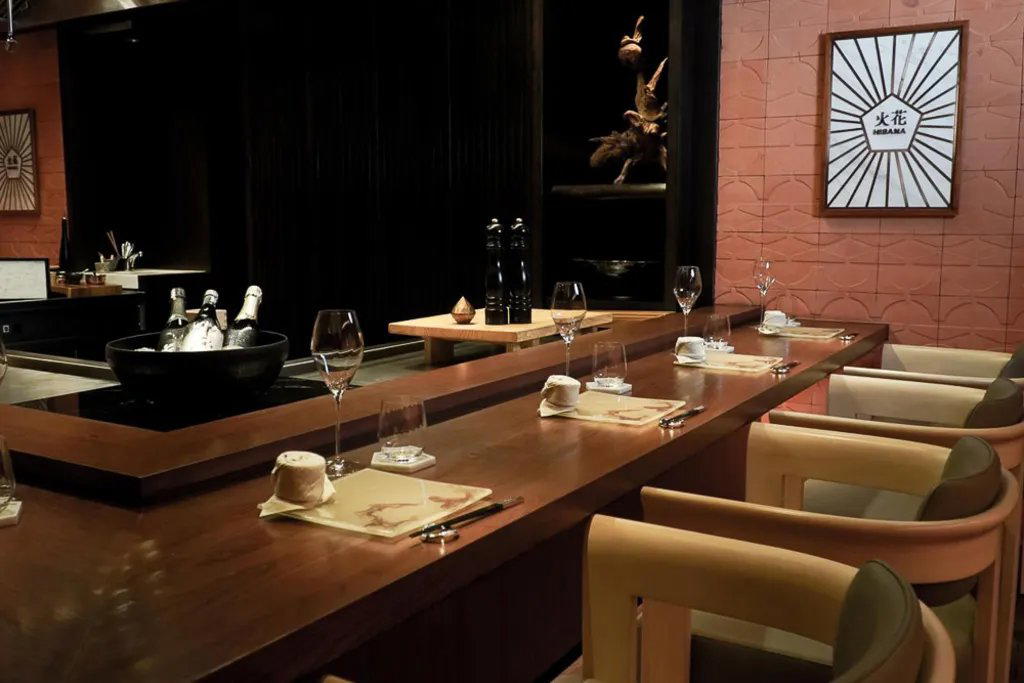
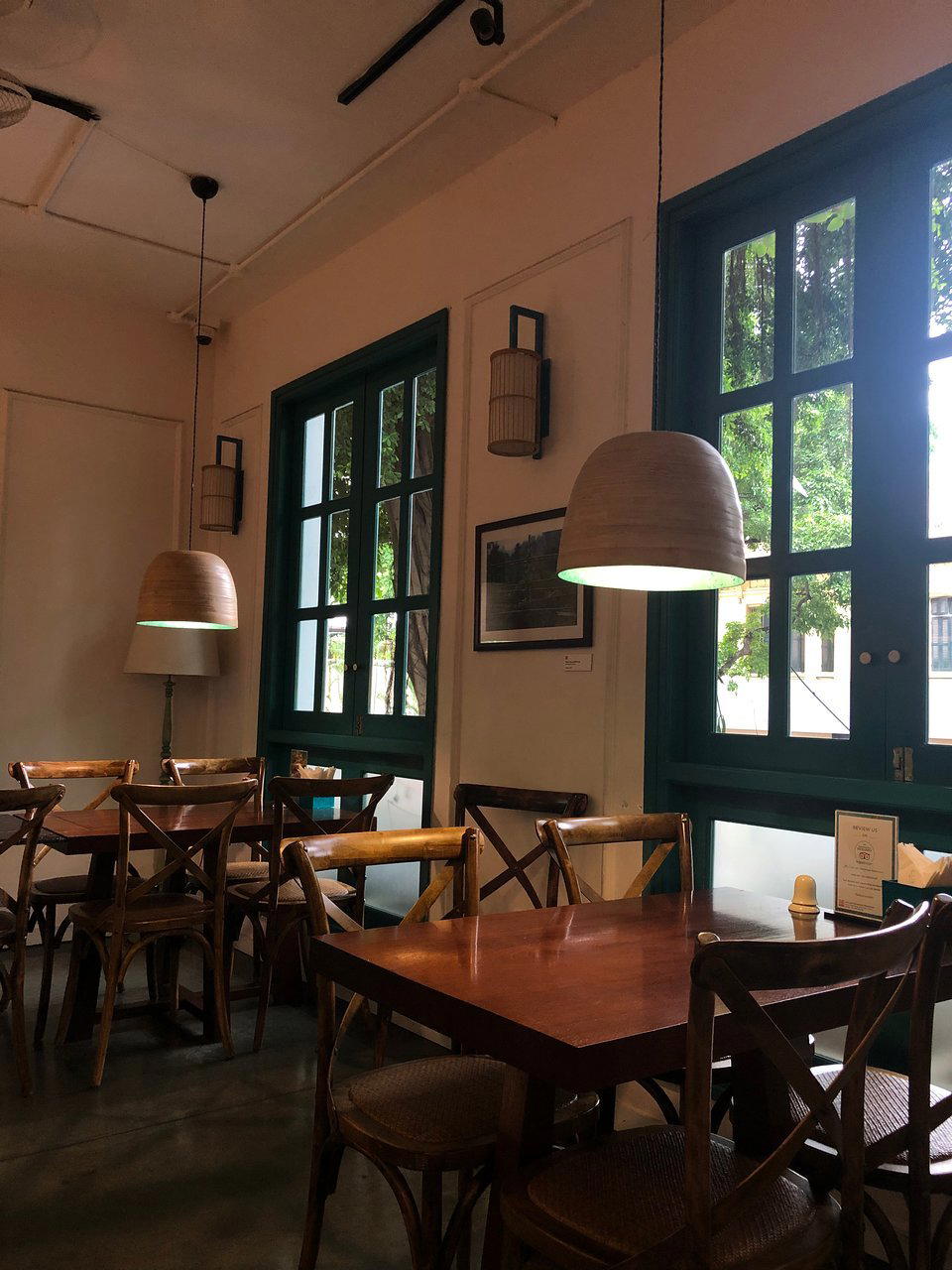
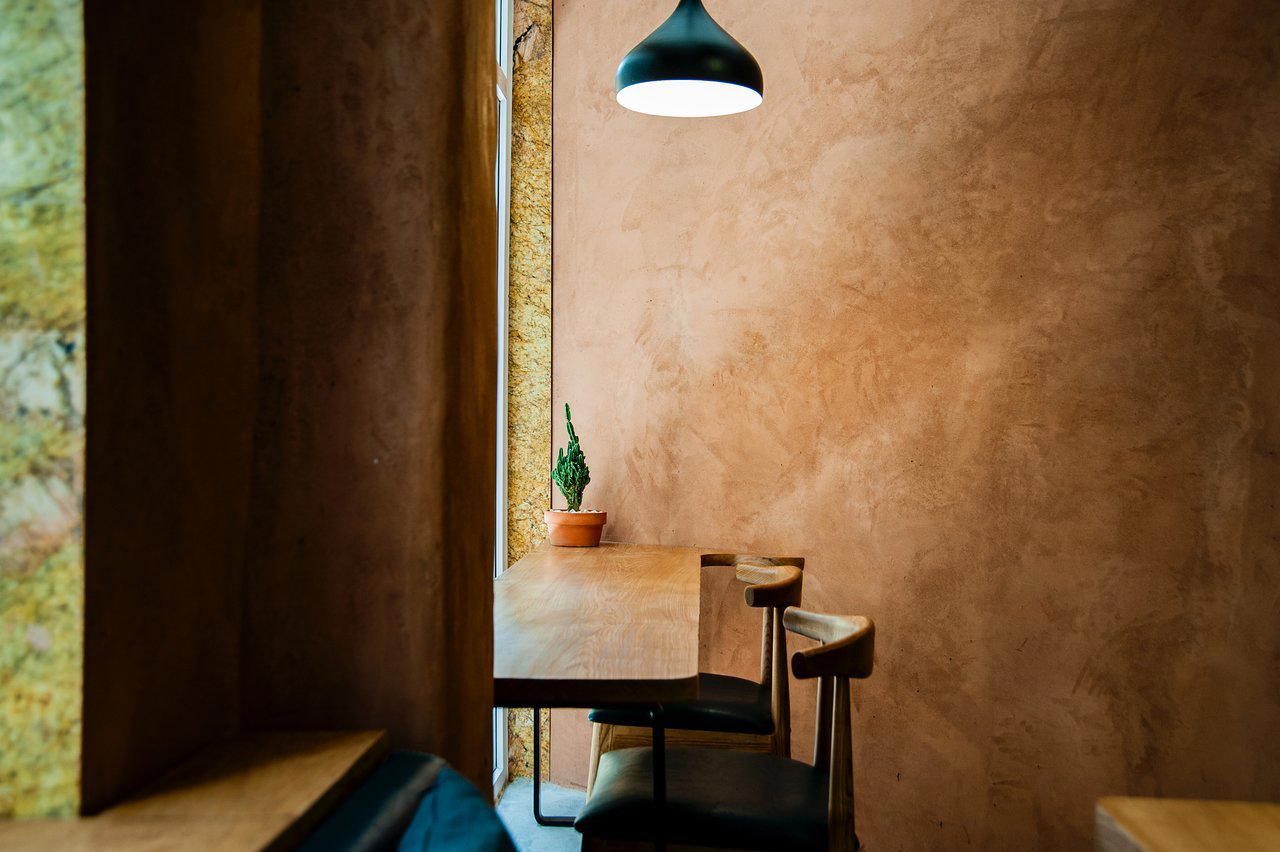
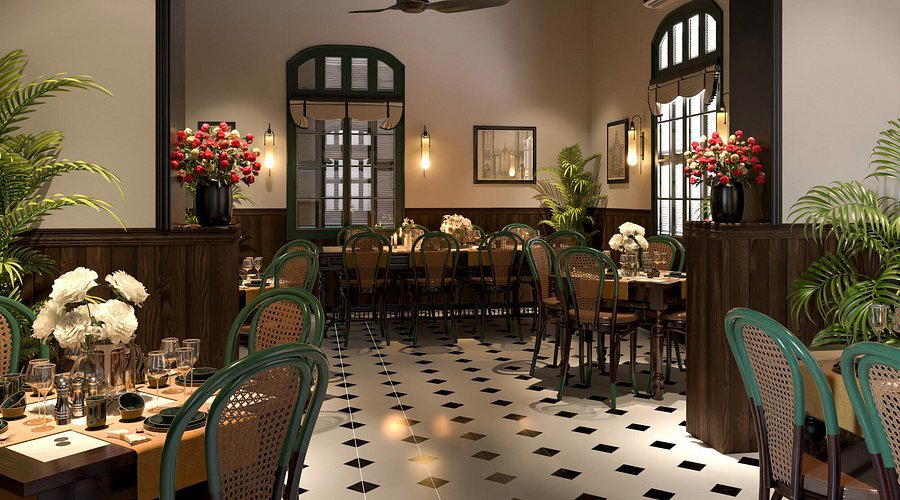
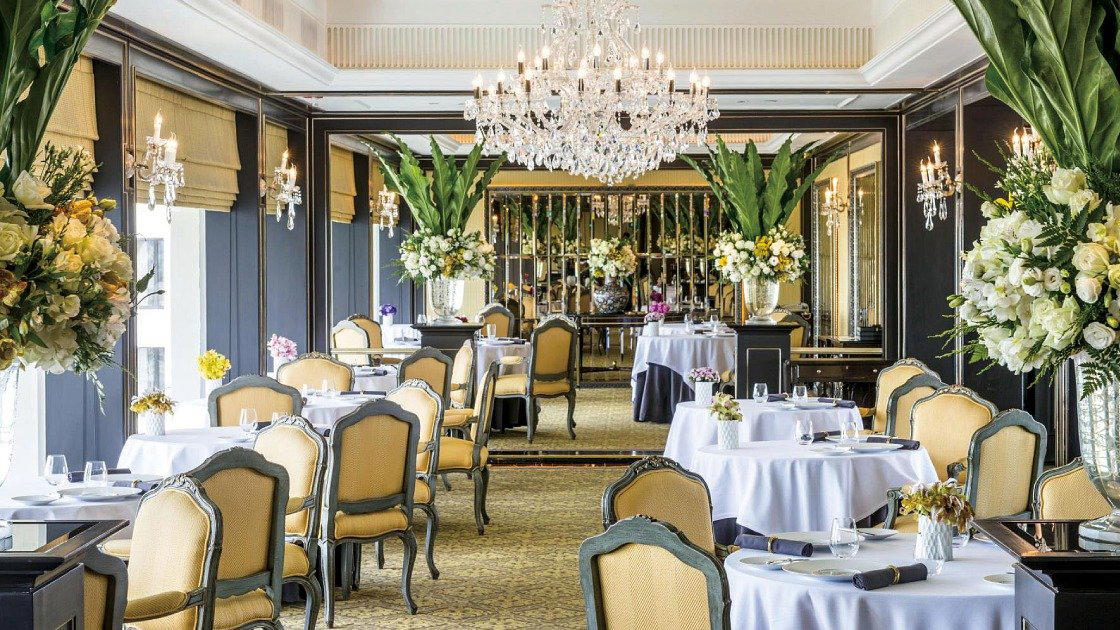
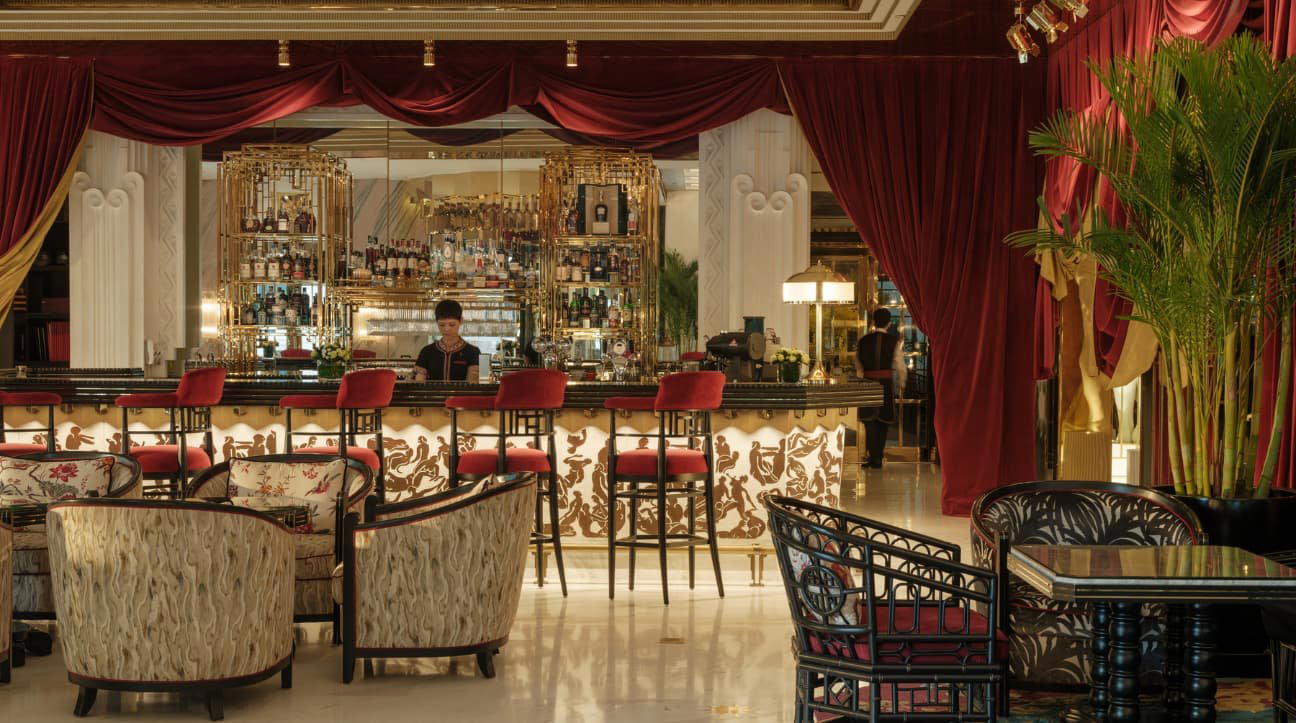
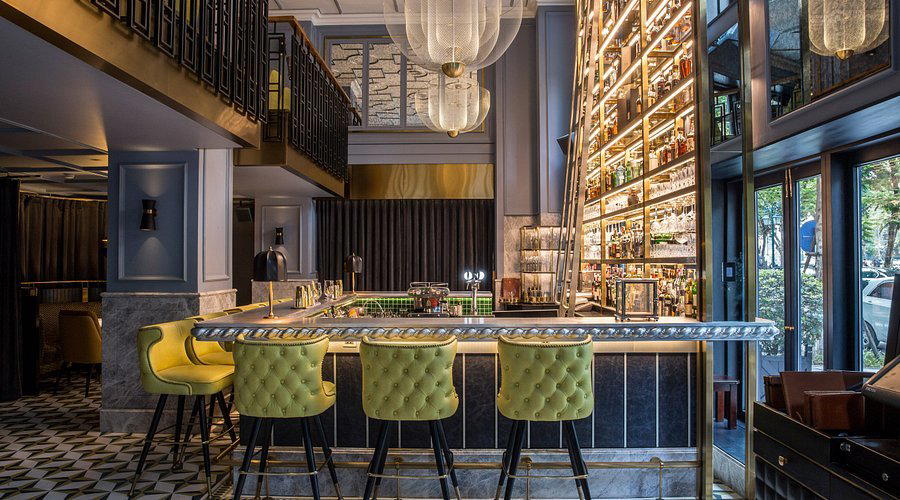
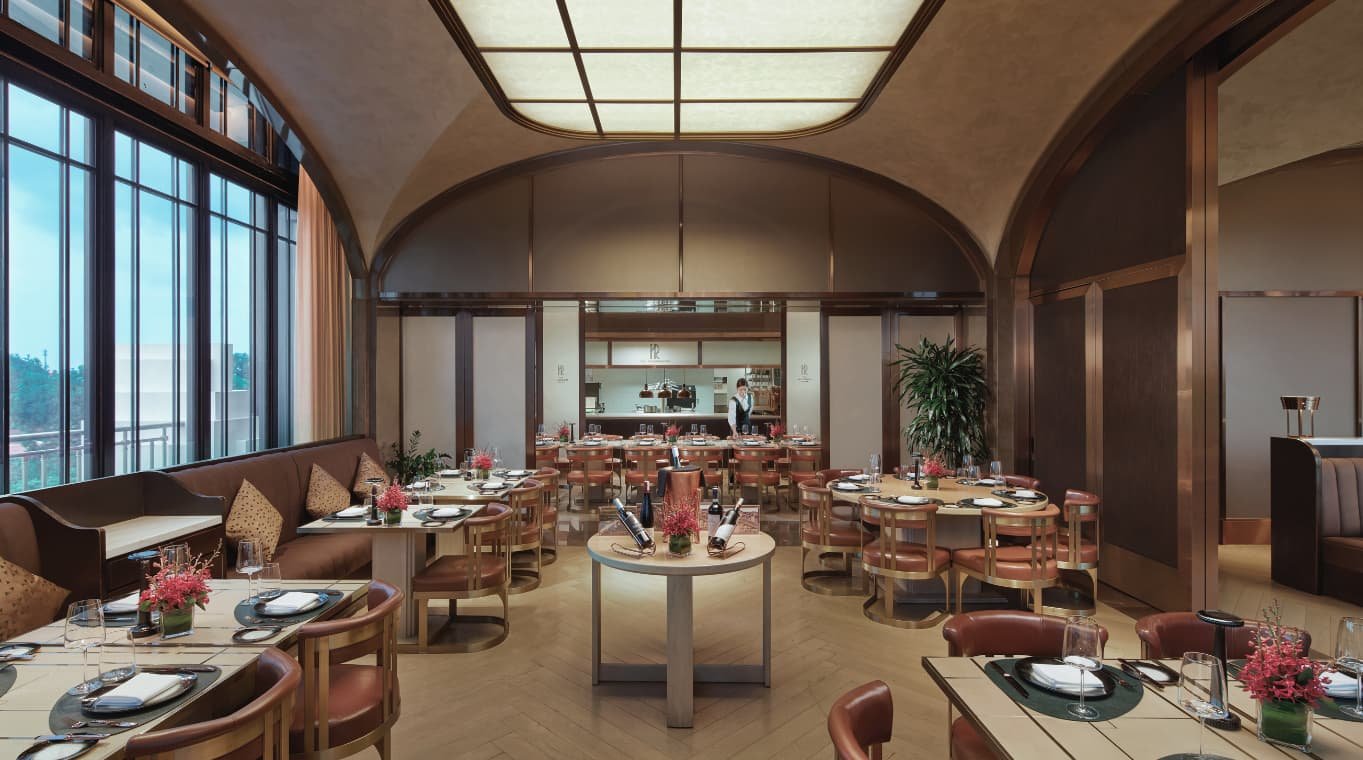
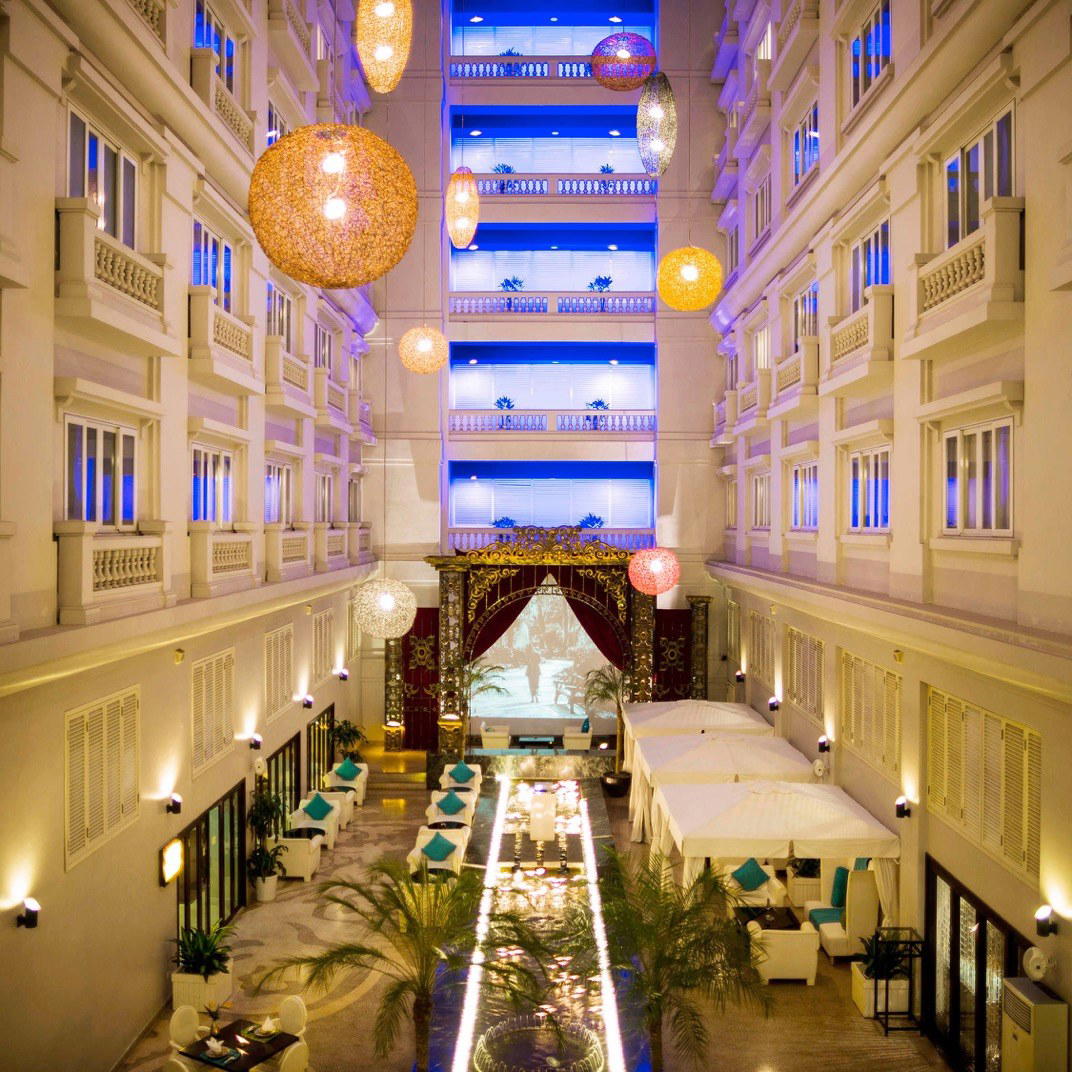
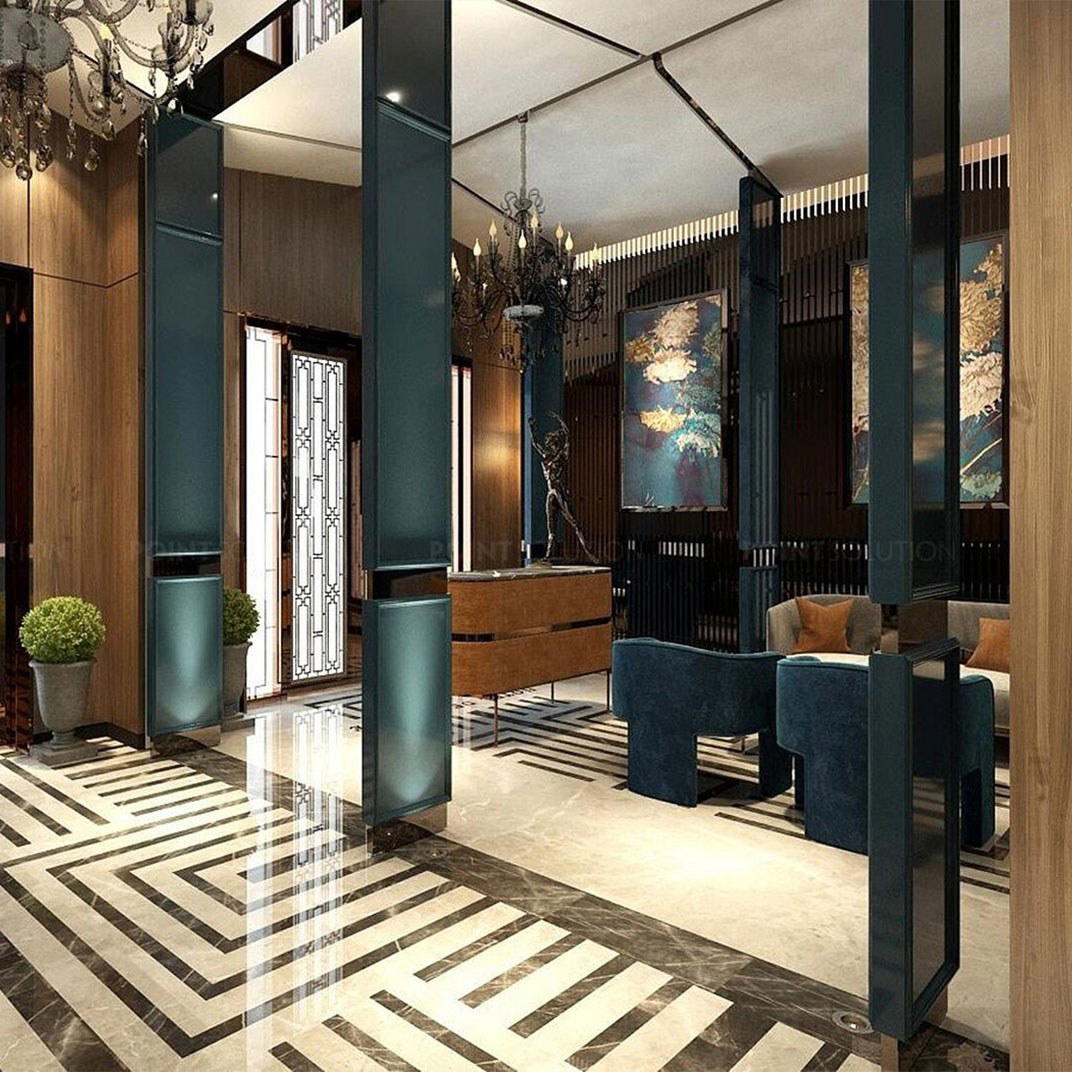
Sophisticated and chic with soft lighting, semi-private booths separated by sliding screens, and a main dining room with binchotan smoke ambiance; elegant and luxurious setting that feels refined rather than traditional.