

Azabu brings considered Japanese cooking to Hanoi's Hai Bà Trưng district, holding a Michelin Plate in both 2024 and 2025. Priced at the mid-upper tier of the city's Japanese dining scene, it occupies a niche between casual izakayas and the starred teppanyaki formats that anchor Hanoi's formal Japanese offer. For visitors tracking Michelin-recognised Japanese restaurants in Vietnam, Azabu is a practical and credible reference point.
Pearl is the En Primeur Club membership app — saves, bookings, and concierge access live there. Same editors, same standards.
- Address
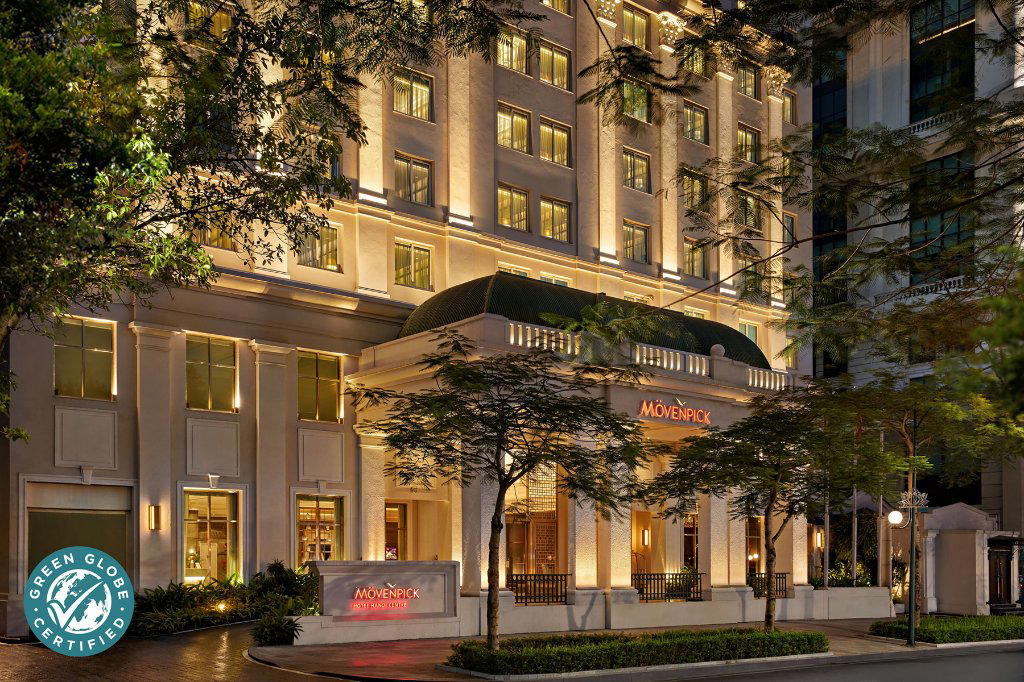
- 84 P. Trần Nhân Tông, Nguyễn Du, Hai Bà Trưng, Hà Nội 100000, Vietnam
- Phone
- +84 24 3822 3535
- Website
- hotelduparchanoi.com
- Directions
- Get directions
 Saves & bookings on Pearl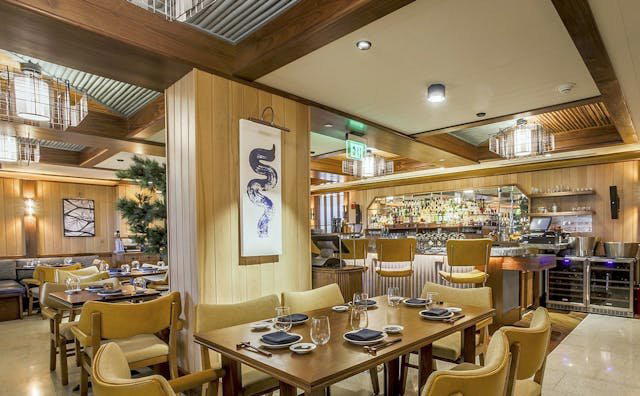
Japanese Cooking in Hanoi: Where Azabu Fits
Hanoi's Japanese dining scene has stratified considerably over the past decade. At the leading end, teppanyaki-led formats like Hibana by Koki (Teppanyaki) hold Michelin stars and price at the ₫₫₫₫ tier. Beneath that, the city supports a mid-range layer of Japanese kitchens operating with real seriousness, Michelin-recognised, priced accessibly relative to their starred neighbours, and drawing a mixed clientele of Japanese expats and internationally minded Hanoians. Azabu sits squarely in that second tier, carrying a Michelin Plate in both 2024 and 2025 at the ₫₫₫ price point. That combination, consistent recognition, lower barrier to entry than the starred competition, makes it a useful bookmark for anyone building a Japanese dining itinerary in the city.
The address on Trần Nhân Tông in the Hai Bà Trưng district places Azabu away from the Old Quarter's denser tourist traffic, in a part of the city that functions more as a residential and commercial neighbourhood than a dining destination per se.
Kansai, Kanto, and What Japanese Cooking in Hanoi Reflects
One of the more productive ways to read Japanese restaurants operating outside Japan is through the lens of regional tradition, specifically, the divergence between Kanto cooking (Tokyo and the east) and Kansai cooking (Osaka, Kyoto, and the west). These are not interchangeable traditions. Kanto cuisine tends toward stronger, sweeter soy-forward seasoning, while Kansai cooking prizes dashi clarity, lighter seasoning, and a philosophy of allowing ingredient quality to carry the dish. The distinction matters in a city like Hanoi because the Vietnamese palate, built on the clean broth logic of pho and the herb-forward freshness of Vietnamese cooking generally, tends to align more naturally with Kansai restraint than Kanto intensity.
Hanoi's most established Japanese kitchens have recognised this over time. The kaiseki and kappo traditions of Kyoto, represented in their highest form by Tokyo transplants and Kyoto originals like Isshisoden Nakamura in Kyoto, or refined Tokyo kaiseki counters like Kagurazaka Ishikawa and Kashiwaya Osaka Senriyama in Osaka, tend to resonate in Southeast Asian markets precisely because of that broth-and-restraint alignment. Azabu, operating in the mid-tier rather than the haute-kaiseki bracket, nonetheless exists within this broader current. Its Michelin Plate recognition signals that inspectors found the cooking consistent and technically credible, which in the Japanese context typically means disciplined knife work, clean seasoning, and sourcing that doesn't embarrass the cuisine.
For comparison within Vietnam, the Japanese dining conversation has a different character in Ho Chi Minh City, where venues like Akuna serve a larger and more internationally mobile dining population. Hanoi's Japanese dining scene is smaller and somewhat more rooted in the expat professional community, which shapes the kind of restaurant that survives and earns repeat visits here.
The Competitive Context: Hanoi's Mid-Tier Japanese Offer
Azabu's position at ₫₫₫ places it above the casual izakaya tier, represented by venues like Izakaya by Koki, and distinctly below the starred, multi-course teppanyaki formats at ₫₫₫₫. This middle band is where most of Hanoi's Japanese dining actually happens for regulars: formal enough to mark an occasion, priced at a point that sustains monthly rather than quarterly visits. The Michelin Plate, awarded in consecutive years, confirms that the cooking holds up under scrutiny rather than simply trading on format familiarity.
Hanoi also carries a number of strong Vietnamese options at comparable or lower price points for those building a wider itinerary. Gia (Vietnamese Contemporary) operates at ₫₫₫₫ with a Michelin star, while Tầm Vị (Vietnamese) holds a Michelin star at ₫₫, and 1946 Cua Bac (Vietnamese) operates at the entry price point. The city's Michelin-recognised dining is notably spread across price tiers, which makes Azabu's mid-range positioning less notable in the broader Hanoi context than it might appear in cities where Michelin recognition clusters exclusively at the leading end.
For those tracking Japanese cooking across its various formats in Tokyo and beyond, the Azabu name carries some resonance: Azabu Kadowaki in Tokyo represents the kaiseki tradition from the same Tokyo neighbourhood that lends the name its associations, and Ginza Fukuju and Myojaku anchor the city's more refined Japanese dining tier. These comparisons are useful for calibrating expectations: Azabu in Hanoi operates at a different scale and ambition level, but within the category logic of Michelin Plate recognition, which denotes technically sound cooking rather than destination-level experience.
Planning a Visit
Azabu sits on Trần Nhân Tông in the Nguyễn Du ward of Hai Bà Trưng, a district south of Hoàn Kiếm Lake that is reachable by taxi or ride-share in under ten minutes from the Old Quarter. The ₫₫₫ pricing places a meal here above the street-food tier but within reach of a mid-budget dining evening; at this price point in Hanoi, expect to spend in the range typical of a full-service Japanese dinner without the premium that a tasting-menu counter would add. No booking platform or phone contact appears in current listings, so direct inquiry through the restaurant's address or a hotel concierge is the practical approach.
La Maison 1888 in Da Nang represents the country's other end of the fine-dining spectrum.
Cuisine and Credentials
Comparable venues nearby, for context on price, style, and recognition.
| Venue | Cuisine | Price | Awards | Notes |
|---|---|---|---|---|
| AzabuThis venue — the venue you are viewing | Michelin-Concept Japanese Omakase | $$$$ | Michelin Plate | Not listed |
| Izakaya by Koki | Modern Japanese Izakaya & Teppanyaki | $$$$ | Michelin Plate | Hoan Kiem |
| Etēsia | Modern Mediterranean with Asian Twists | $$$$ | Michelin Plate | Hoan Kiem |
| T.U.N.G dining | Modern Vietnamese Fusion Tasting Menu | $$$$ | Michelin Plate | Hoan Kiem |
| Le Beaulieu | Modern French Fine Dining | $$$$ | Michelin Plate | Hoan Kiem |
| Hemispheres Steak & Seafood Grill | Premium Steak & Seafood Grill | $$$$ | Michelin Plate | Tay Ho |
Recognition history
Dated appearances from independent guides and award organizations, with the underlying list record or original source where available.
Michelin Plate
Michelin
Michelin Plate
Michelin
Michelin Plate
Michelin
World's Best Wine Lists Awards WBWL 1-Star
World's Best Wine Lists Awards
At a Glance
- Elegant
- Sophisticated
- Intimate
- Cozy
- Date Night
- Special Occasion
- Business Dinner
- Chefs Counter
- Open Kitchen
- Hotel Restaurant
- Sake Program
Current opening hours
- Monday
- 11:30 AM–2 PM, 6–10 PM
- Tuesday
- 11:30 AM–2 PM, 6–10 PM
- Wednesday
- 11:30 AM–2 PM, 6–10 PM
- Thursday
- 11:30 AM–2 PM, 6–10 PM
- Friday
- 11:30 AM–2 PM, 6–10 PM
- Saturday
- 11:30 AM–2 PM, 6–10 PM
- Sunday
- 11:30 AM–2 PM, 6–10 PM
Hours can change for holidays and private events. Last verified .
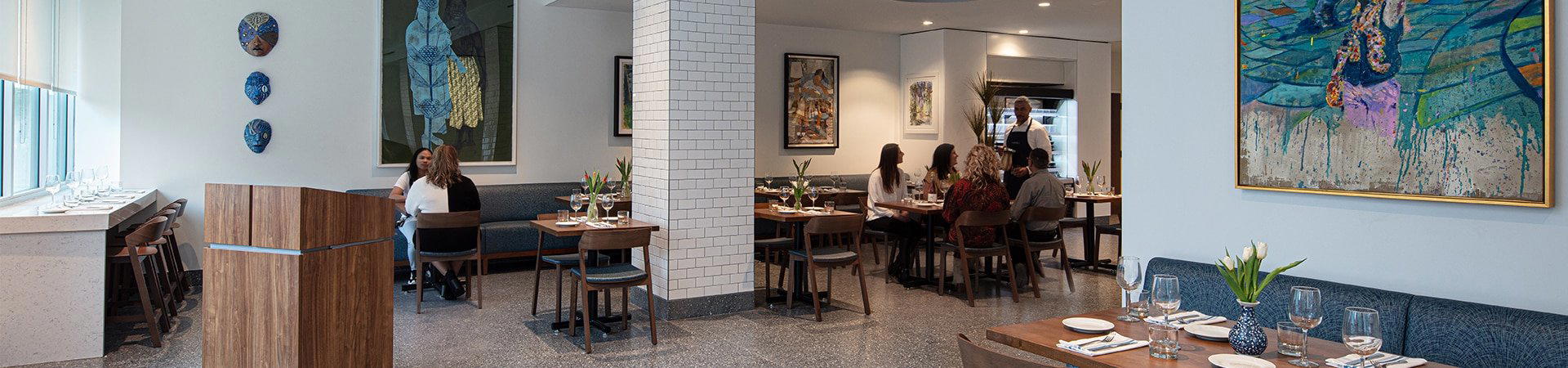
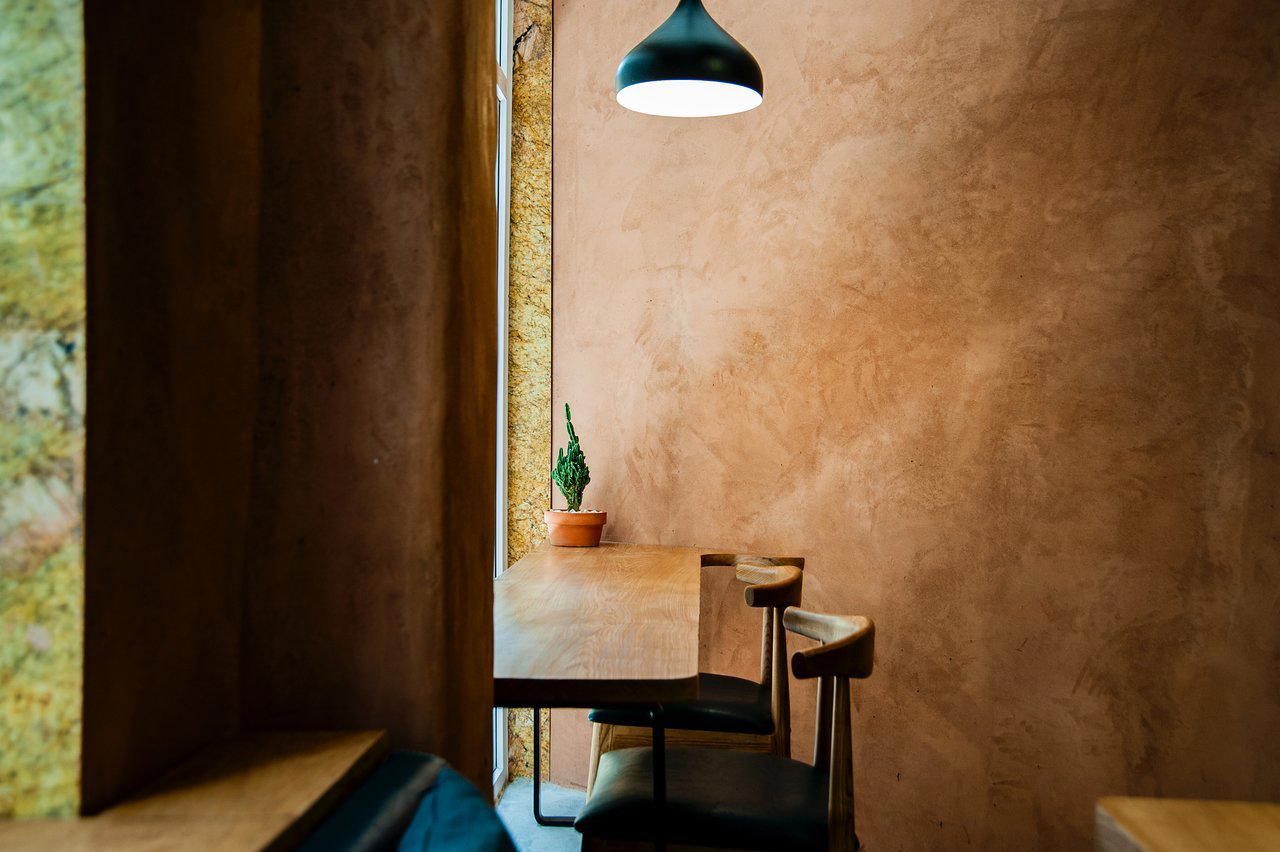
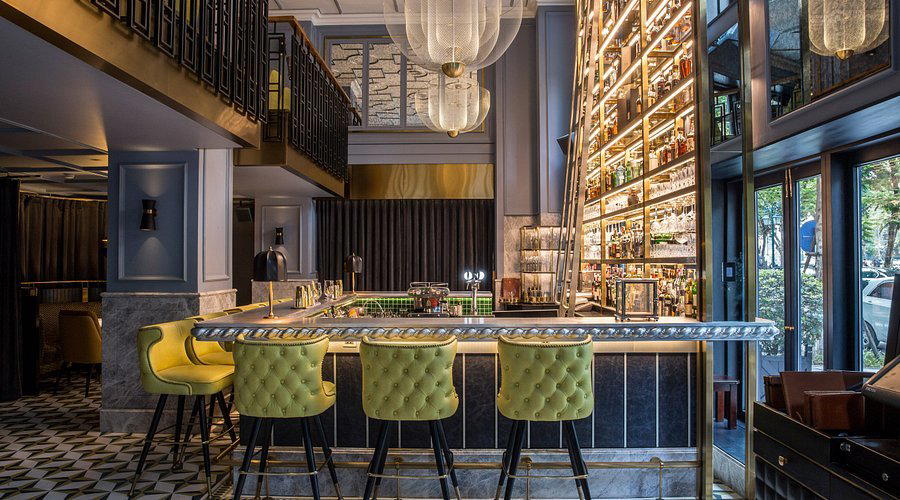
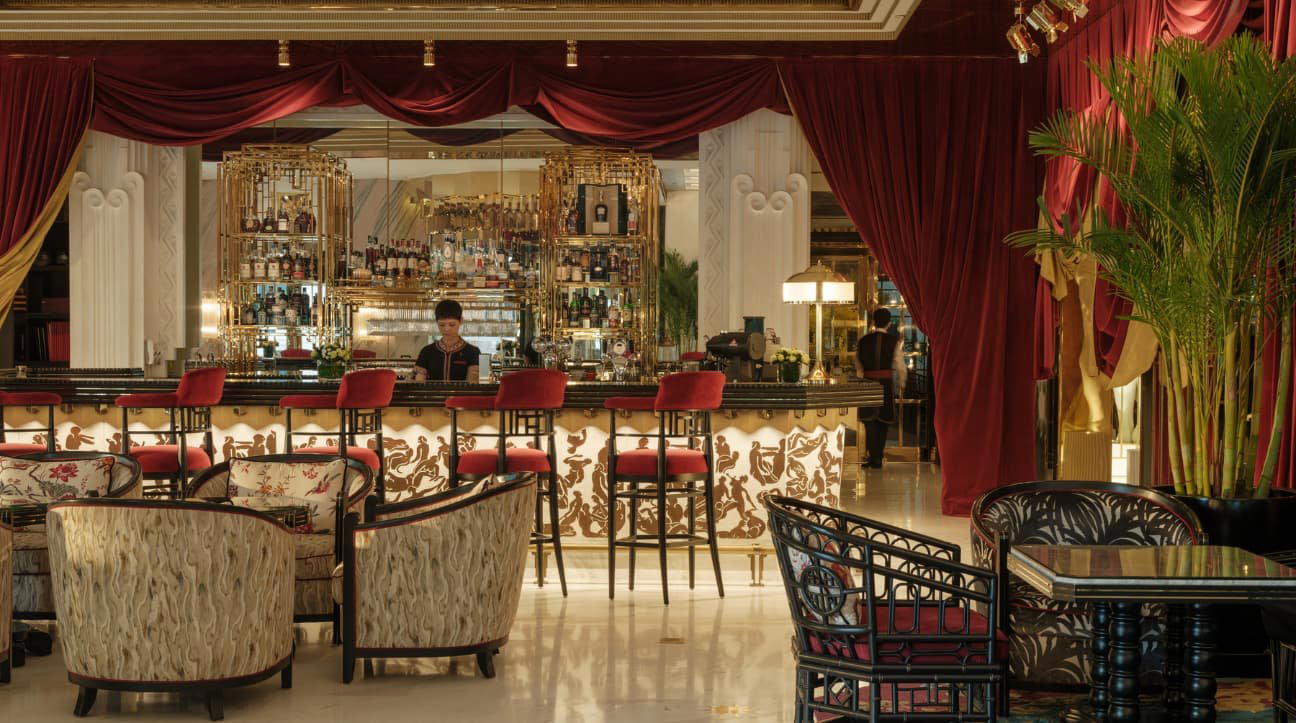
Elegant main dining room with blonde wooden sushi counter, clean and fancy atmosphere praised for its sophistication and coziness.