
Ittou gives Hekinan a serious Japanese-cuisine address rooted in Minami Mikawa ingredients rather than metropolitan theatre. Its Tabelog Japanese Cuisine EAST 100 selection for 2025, 23-seat scale, seafood-and-vegetable focus, sake program, private rooms, and family-friendly format place it in a useful category for travelers reading Aichi beyond Nagoya.
Pearl is the En Primeur Club membership app — saves, bookings, and concierge access live there. Same editors, same standards.
- Address
- Japan, 〒447-0874 Aichi, Hekinan, Sakuzukamachi, 1 Chome−16
- Phone
- +81 566-48-7838
- Website
- kobanten.jp
- Directions
- Get directions
 Saves & bookings on Pearl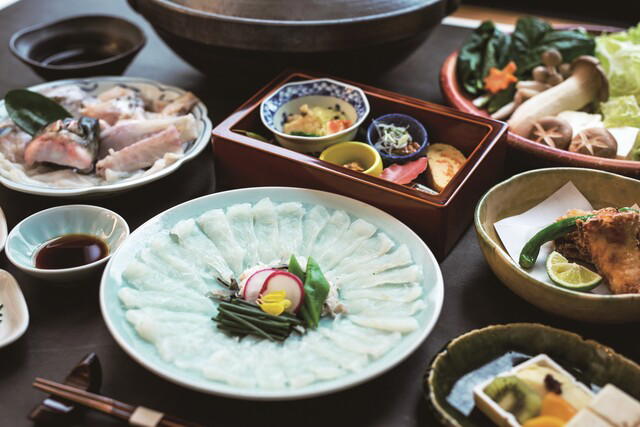
Hekinan dining is quieter than Nagoya’s central restaurant districts, and that difference matters. The approach here is less about spectacle than about the ingredients of Minami Mikawa: seafood from the Aichi coast, local vegetables, regional seasonings, and the kind of Japanese cooking that treats provenance as structure rather than decoration. Ittou belongs to that conversation, not as a city-center trophy counter, but as a small house restaurant where regional sourcing carries the meal.
That regional emphasis has become a sharper marker in Japanese cuisine outside the major tourist corridors. In Tokyo or Kyoto, a restaurant can trade heavily on format, chef lineage, or international attention. In smaller Aichi cities, credibility often comes from how clearly a kitchen expresses its surrounding food culture. Ittou’s selection for the Tabelog Japanese Cuisine EAST 100 in 2025 gives that local argument outside validation, especially because the category covers a broad eastern Japan field rather than a single neighborhood list.
Minami Mikawa ingredients set the frame, not the garnish
The useful way to read the menu is through sourcing. The cooking is listed under Japanese cuisine and seafood, with stated attention to vegetables, fish, vegetarian options, sake, shochu, and wine. That combination points to a restaurant working within kaiseki-adjacent habits without needing the formal rigidity of a capital-city dégustation room. Seasonal courses and Japanese cooking built around Aichi ingredients are the draw; the pleasure is in seeing a regional pantry treated with seriousness.
This is where Hekinan becomes more than a pin on the map. Aichi’s food identity is often simplified into Nagoya shorthand, but the prefecture’s coastal and agricultural areas supply a different register: fish, vegetables, and fermented seasonings that reward a kitchen with restraint. Ittou’s position in Sakuzukamachi makes more sense when viewed through that lens. The restaurant is not trying to mimic Ginza polish or Kyoto ceremony. Its value lies in translating a local food culture into a composed meal.
Price also places it in a specific tier. Dinner sits at JPY 8,000 to JPY 9,999, while lunch sits at JPY 4,000 to JPY 4,999. Against Hekinan’s more casual address book, that is a deliberate spend; against large-city Japanese-cuisine counters, it remains a measured way to access seasonal cooking with a regional emphasis. Nearby Yakiimo Maru Jun operates in a far more casual price bracket, which makes the contrast useful: Hekinan has both everyday specialty eating and a more structured Japanese dining option, but they answer different appetites.
A small room changes the kind of meal this can be
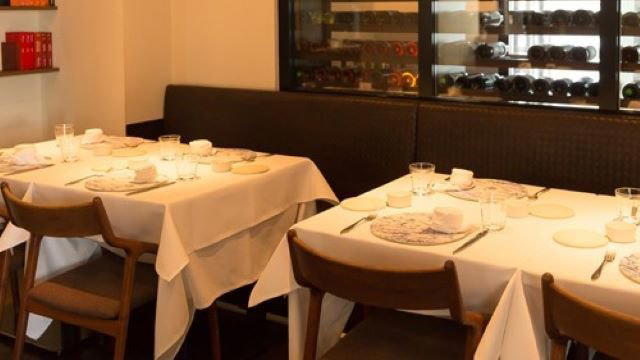
The scale is part of the editorial point. With 23 seats, including counter seating, tables, and private-room capacity, the restaurant sits between intimate counter dining and family-appropriate Japanese restaurant. That middle ground is common in regional Japan and under-discussed by travelers who equate serious dining only with hushed counters. Here, private rooms and children being welcome alter the use case: business meals, family gatherings, and special occasions can coexist with a more ingredient-led kitchen.
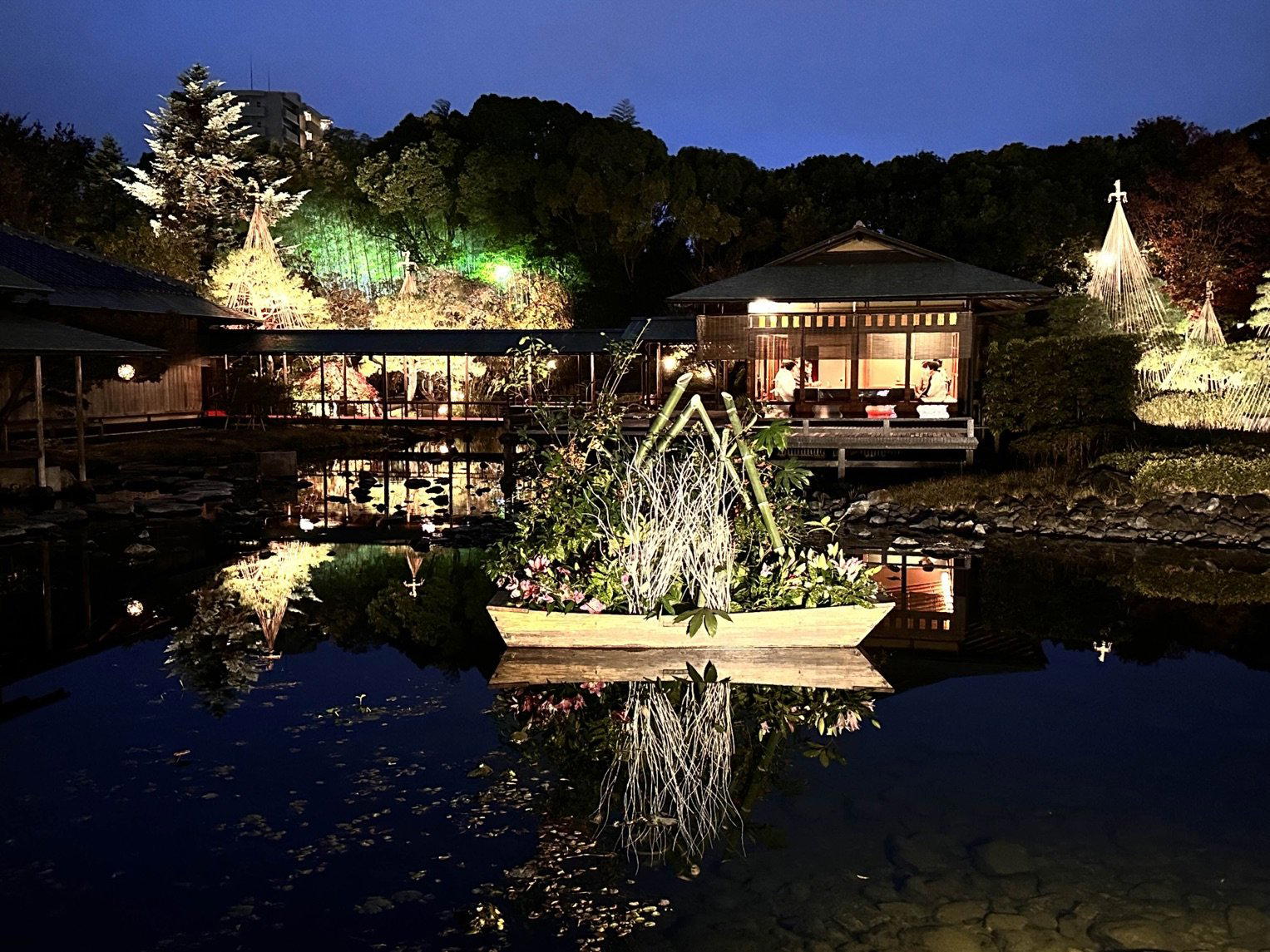
The house-restaurant setting also matters. In a dense city, a small Japanese restaurant can feel like a controlled stage set. In Hekinan, the domestic scale reads differently: less performative, more local. Non-smoking service, take-out availability, and a sake-oriented drinks list keep the format practical rather than precious. The presence of wine alongside nihonshu and shochu also signals a restaurant aware of varied drinking habits without abandoning the logic of Japanese pairings.
Recognition should be read carefully. Tabelog’s Japanese Cuisine EAST 100 selection is a meaningful editorial signal in Japan’s restaurant ecosystem, but it is not the same kind of claim as a Michelin star and should not be treated as one. Its usefulness is comparative: it tells the traveler that this small Hekinan address has been sorted into a broader field of Japanese-cuisine restaurants worth attention. For a city that does not receive the same English-language dining coverage as Tokyo, Osaka, or Kyoto, that outside marker helps separate serious local cooking from a random map search.
How to place it in a Hekinan itinerary
Ittou makes the strongest case for travelers already moving through Aichi by car or rail, especially those interested in regional Japanese cooking rather than another urban tasting menu. Hekinan Chuo is the nearest station, and the restaurant lists parking, which is relevant in this part of Aichi where dining plans often work better with flexible transport. The weekly rhythm is also conventional for Japan: lunch and dinner service on most days, with Wednesday closed.
Reservations are the sensible move because the room is small and the format includes counter, table, and private-room seating rather than a large dining floor. The restaurant accepts major credit cards and several QR payment systems, which reduces friction for domestic travelers and international visitors already set up with compatible payment methods. For families, the listed children-welcome policy and kids menu make it more accommodating than many serious Japanese restaurants at this price level.
The critical reason to go is not novelty. It is the chance to see Minami Mikawa ingredients handled inside a composed Japanese meal, in a city where the dining story is usually quieter than the prefectural capital’s. That makes it a useful anchor for a Hekinan food day, paired with casual local stops rather than stacked against metropolitan luxury counters. For broader planning, see our full Hekinan restaurants guide, and for the wider trip architecture use our full Hekinan hotels guide, our full Hekinan bars guide, our full Hekinan wineries guide, and our full Hekinan experiences guide.
Readers comparing Japanese dining across cities may also find useful contrast in -Grilled beef Sukiyaki- KAMAKURA TANUKIAN 鎌倉 たぬき庵 in Kamakura, . 鮪と炭火焼き うお炭 秋葉原店 in Tokyo, .cafe in Osaka.know in Kumamoto, (Shoku) Vietnam in Kawasaki, [Curry Senmon Ten] Maruyama Kyoju. in Sapporo, [ki:] in Kyoto, #肉といえば松田 奈良本店 in Kashihara, 1/3 HAMBURGER FACTORY in Kanazawa, 1000 in Yokohama, Jōdo Saké Bar in Los Angeles, and Onigiri Time in Pasadena.
Side-by-Side Snapshot
Comparable venues by cuisine and price in the same metro.
| Venue | Cuisine | Price | Notes |
|---|---|---|---|
| Ittou | Seasonal Japanese kaiseki with local Aichi fermented ingredients | $$$ | Hekinan |
| Yakiimo Maru Jun | Roasted sweet potato & Japanese sweets shop | $ | Tsurumicho |
| Torisho Ishii Hina | Modern Yakitori Omakase | $$$ | Minami-Azabu |
| Arakawa (Kyoto) | Traditional Kyoto yakiniku (Japanese BBQ) | $$$ | Nakagyo Ward / Kawaramachi |
| Teppan to o-sake Sōya (鉄板とお酒 宗や) | Teppanyaki Izakaya | $$$ | Shimogyo |
| Maruko | Traditional Wagyu Sukiyaki & Shabu‑shabu | $$$ | Naka |
Recognition history
Dated appearances from independent guides and award organizations, with the underlying list record or original source where available.
Tabelog 100 #19 · No. 19
Tabelog · Tabelog 100 - Japanese cuisine - EAST - 2025
At a Glance
- Elegant
- Cozy
- Intimate
- Classic
- Special Occasion
- Date Night
- Business Dinner
- Group Dining
- Solo
- Chefs Counter
- Private Dining
- Standalone
- Sake Program
- Farm To Table
- Local Sourcing
- Sustainable Seafood
Current opening hours
- Monday
- 11:30 AM–2 PM, 6–9:30 PM
- Tuesday
- 11:30 AM–2 PM, 6–9:30 PM
- Wednesday
- Closed
- Thursday
- 11:30 AM–2 PM, 6–9:30 PM
- Friday
- 11:30 AM–2 PM, 6–9:30 PM
- Saturday
- 11:30 AM–2 PM, 6–9:30 PM
- Sunday
- 11:30 AM–2 PM, 6–9:30 PM
Hours can change for holidays and private events. Last verified .
Calm, softly lit counter-and-table setting that feels like a small, refined neighborhood Japanese restaurant where close attention from the chef and staff creates a warm yet polished atmosphere.