Barbouzard

Washingtonian 100 Very Best Restaurants #71
Our verdict
Barbouzard brings a French-Mediterranean register to downtown Washington, D.C., where herbs, olive oil, citrus, and grill-friendly cooking read as a counterpoint to the city’s heavier power-dining habits. Its inclusion at No. 71 on Washingtonian’s 100 Very Best Restaurants 2026 places it in the city’s current critical conversation rather than the legacy-restaurant tier.

Pearl is the En Primeur Club membership app, where members save venues, book tables and use the concierge.
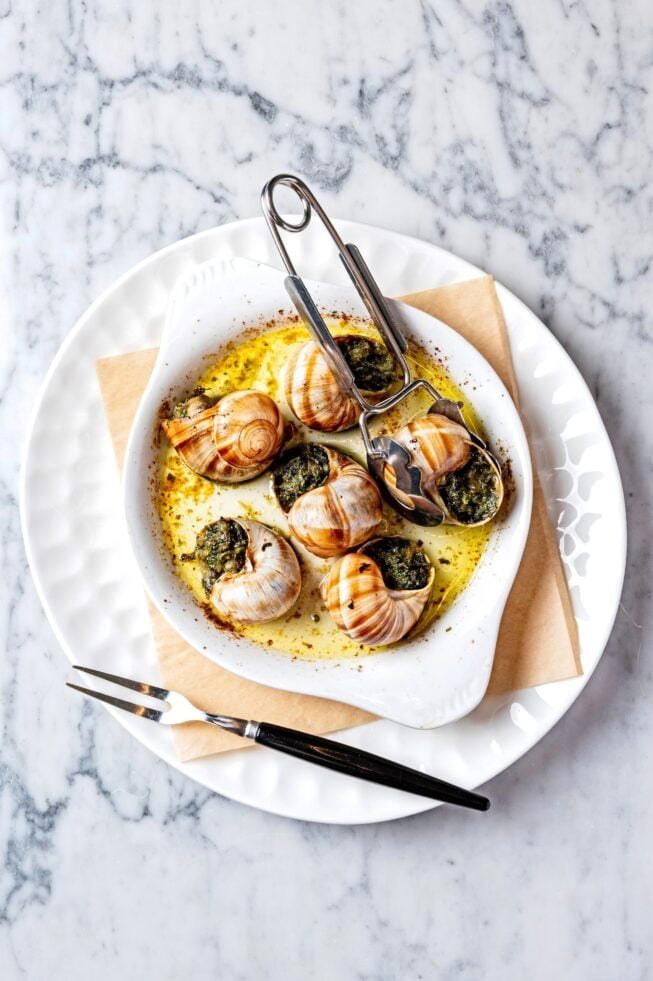
The menu
What to order
- Bouillabaisse Marseillaise
- Daube De Provence
- Escargots in Garlic Butter
- Scallops a la Plancha
- Lavender-Honey Crème Brûlée
Downtown Washington dining can feel engineered for the calendar: quick lunches, late meetings, tables that turn around policy schedules rather than appetite. A French-Mediterranean room changes that rhythm when it is handled with discipline. The point is not theatrical luxury, but brightness: herbs over butter weight, acidity over heaviness, vegetable and seafood instincts that belong as much to the Mediterranean as to a French brasserie vocabulary.
Barbouzard enters that lane with a useful signal attached: it has been highlighted in coverage of brand-new restaurants and hotels in Washington, D.C. In D.C. that matters because the city’s restaurant hierarchy is unusually fragmented. National attention shapes part of the conversation, neighborhood loyalty shapes another, and local coverage often captures the middle ground where ambitious restaurants prove whether they can become regular habits. A notable mention here says the restaurant has moved beyond opening-week curiosity into the city’s active dining discussion.
Herbs, smoke, and the French-Mediterranean middle lane
French-Mediterranean cooking is a broad phrase, and in weaker hands it becomes a branding shortcut. The stronger version has a sharper grammar: oregano against grilled meats, thyme and rosemary around slow-cooked vegetables, basil and mint where a plate needs lift, and warm spice when the kitchen wants depth without sweetness. That herb-first approach gives the cuisine its range. It can lean French without becoming a postcard, or move toward broader Mediterranean brightness without abandoning technique.
That matters in Washington because the city has long rewarded restaurants with legible identities. Steakhouse, power brasserie, tasting-menu room, wine bar: each speaks a clear dining language. French-Mediterranean sits between those categories. It gives the downtown diner a format that can be serious without insisting on ceremony, flexible without collapsing into generic small plates. The herb garden is not decoration here; it is the logic that lets the food move between fish, vegetables, grains, sauces, and grilled proteins without relying on richness as the main argument.
Barbouzard’s cuisine label places it in that middle lane, and its Washington, D.C. notice gives the concept a measurable city signal. The restaurant is not being judged only against French rooms or only against Mediterranean specialists. It is being read inside a wider D.C. field where consistency, point of view, and repeat value carry weight. That is the useful way to understand its position: a Washington, D.C. restaurant working in a lighter, herb-driven register within a city that often defaults to expense-account density.
Why this reads differently in Washington, D.C
Washington’s dining culture has changed in layers rather than revolutions. The federal-center restaurant once meant formal service, heavy rooms, and menus calibrated for safe choices. The newer city rewards sharper identities, but Washington, D.C. still asks restaurants to serve multiple purposes at once: lunch, client dinner, after-work meal, date night, pre-theater possibility, and the occasional serious table that wants more than convenience. French-Mediterranean cooking fits that pressure because it can scale up or down without losing coherence.
The cuisine also suits the way D.C. now eats across the city. Diners have become more comfortable with acid, smoke, preserved lemon, bitter greens, grilled seafood, and herb-heavy sauces, not as novelty but as part of the dining baseline. Barbouzard’s category speaks to that shift. It suggests a restaurant less interested in old French formality than in the Mediterranean habit of building pleasure through contrast: warm and cool, char and citrus, olive oil and herbs, salt and fresh leaves.
The presence of chef Cedric Maupillier in the public-facing essentials gives the restaurant a clear culinary anchor without turning the room into biography alone. Chef identity can clarify a kitchen, but it should not distract from the restaurant’s role in a city. Here, the more useful reading is structural. A French-Mediterranean address in Washington, D.C. noted for upscale ambiance and a sophisticated point of view, signals confidence in a dining style that does not need the tasting-menu apparatus to be taken seriously.
How to think about the table
Right expectation is not a grand French occasion. It is a sharper urban restaurant built around Mediterranean brightness, with French influence acting as framework rather than costume. For diners choosing among Washington, D.C. options, the case is strongest when the night calls for food with freshness and structure rather than a long-form ceremony. The herb-led angle also makes the restaurant useful for mixed tables: guests who want meat, fish, vegetables, or lighter dishes can usually find a shared vocabulary in this cuisine without forcing the meal into separate camps.
Planning should be more deliberate than casual. Fresh local attention can increase demand, especially in a city where new-restaurant coverage can quickly shape reservation behavior. The smarter move is to treat Barbouzard as a current D.C. restaurant with local momentum, not as a walk-in fallback. The practical details belong in the booking rail, but the editorial advice is simple: choose it when Washington, D.C. convenience needs to come with a clearer point of view than the standard business-dinner room.
For broader city planning, EP Club’s Washington coverage is useful across categories: Our full Washington, D.C. restaurants guide, Our full Washington, D.C. hotels guide, Our full Washington, D.C. bars guide, Our full Washington, D.C. wineries guide, and Our full Washington, D.C. experiences guide. Related restaurant files across the archive include other Washington, D.C. restaurant files, additional city dining files, and broader French-Mediterranean references across the archive.
Frequently asked questions
What kind of cuisine does Barbouzard serve?
Barbouzard serves French-Mediterranean cuisine.
What part of town is Barbouzard in?
Washington, D.C.
How far ahead should I plan for Barbouzard?
Plan ahead for Barbouzard in Washington, D.C. especially for peak dining times. Its fresh local attention and upscale positioning can shape demand.
What is Barbouzard known for?
Barbouzard is known for sophisticated French-Mediterranean cooking in Washington, D.C. from chef Cedric Maupillier.
Reputation & Price
Comparable venues nearby, for context on price, style, and recognition.
| Venue | Cuisine | Price | Awards | Notes |
|---|---|---|---|---|
| BarbouzardThis venue (the venue you are viewing) | French-Mediterranean Fine Dining | $200–300 | Washingtonian 100 Very Best Restaurants #71 | Not listed |
| Maison Bar à Vins | Modern French Wine Bar | $50–100 | James Beard Award Nominee · Bon Appétit Best New Restaurant | Wine Bar |
| Rosselli | Innovative Fine Dining | Not listed | Not listed | Valletta, Innovative Fine Dining |
| Isla | Caribbean Fusion | $100–150 | Washingtonian 100 Very Best Restaurants #28 | Downtown, Caribbean Fusion |
| Agora | Mediterranean Mezze (Turkish, Greek, Lebanese) | $30–50 | Not listed | Dupont Circle, Mediterranean Mezze (Turkish, Greek, Lebanese) |
| Del Mar | Spanish Seafood | $50–100 | Michelin Plate · Washingtonian 100 Very Best Restaurants #49 | Southwest Waterfront, Modern Spanish Seafood & Paella on The Wharf |
Recognition history
Dated appearances from independent guides and award organizations, with the underlying list record or original source where available.
Washingtonian 100 Very Best Restaurants #71
Washingtonian
Continue exploring
More in Washington DC
Restaurants in Washington DC
All restaurants in Washington DC →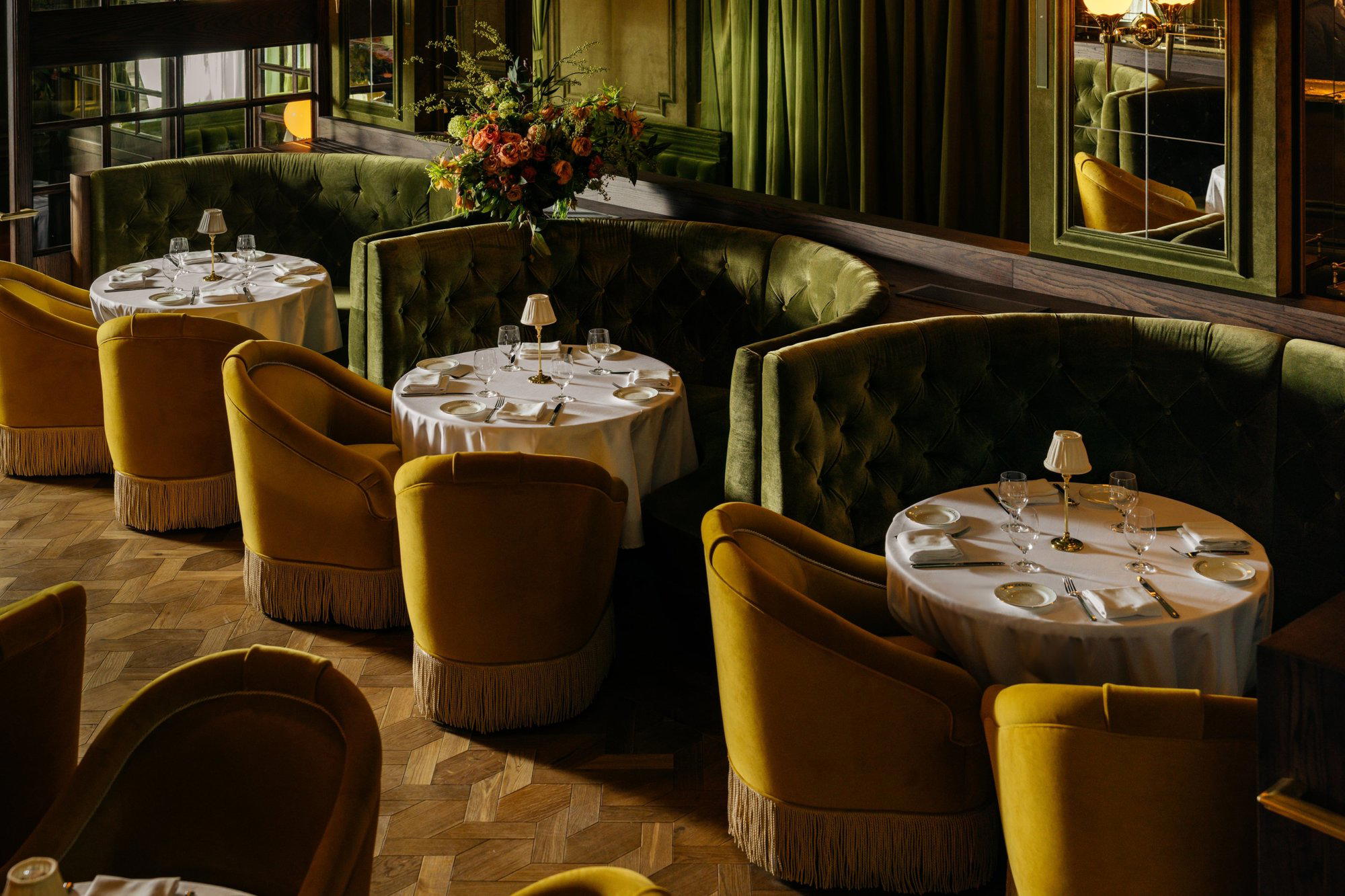
Bars in Washington DC
All bars in Washington DC →
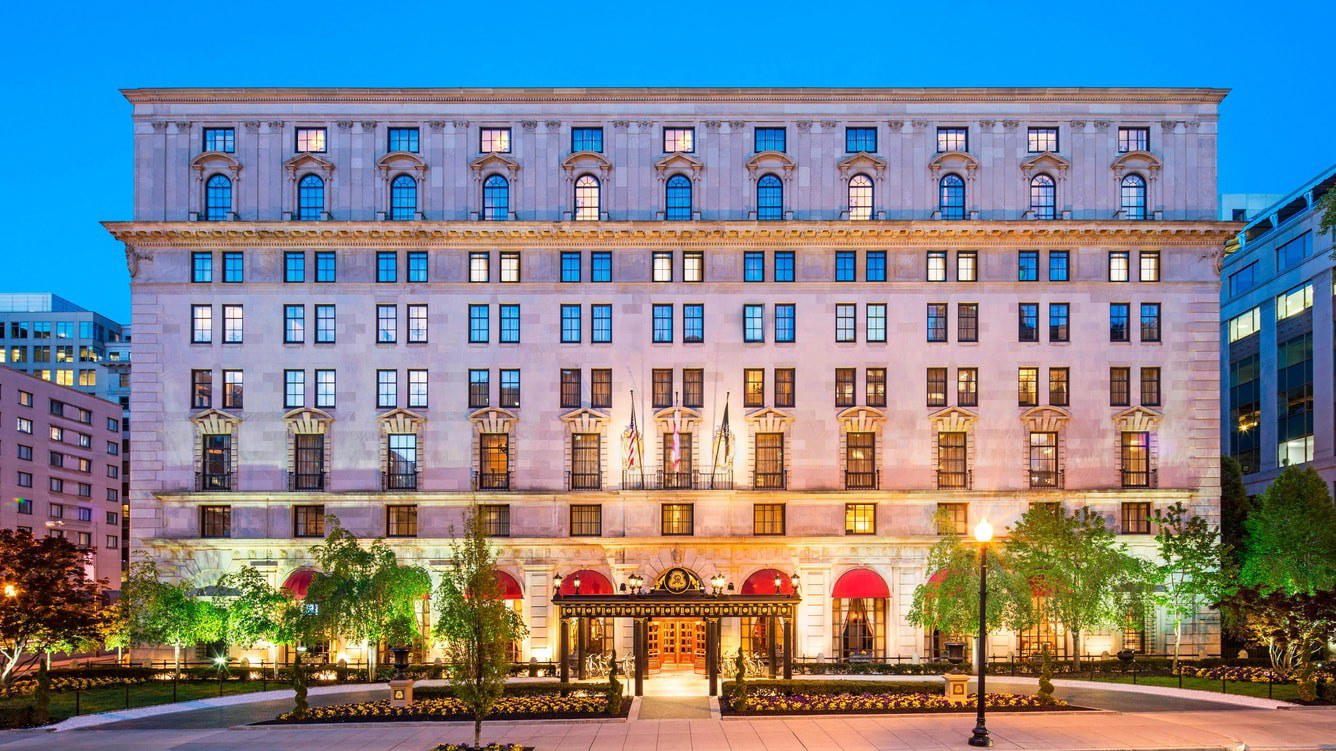
Barbouzard
The wine
- Extensive wine list
- Craft cocktails
- Zero-proof drinks
Details
- Elegant
- Sophisticated
- Lively
- Ornate
- Romantic
- Intimate
- Date Night
- Business Dinner
- Group Dining
- Celebration
- Brunch
- Private Event
- Live Music
- Private Dining
- Design Destination
- Standalone
- Extensive Wine List
- Craft Cocktails
- Zero Proof
- Local Sourcing
- Sustainable Seafood
- A La Carte
- Small Plates
- Prix Fixe
- Champagne
- House Infused Cocktails
- French Spirits
- Aperitifs
- Vegetarian Friendly
- Pescatarian Friendly
- Organic Focus
Current opening hours
- Monday
- 5–9 pm
- Tuesday
- 11:30 am–10 pm
- Wednesday
- 11:30 am–10 pm
- Thursday
- 11:30 am–10 pm
- Friday
- 11:30 am–1 am
- Saturday
- 5 pm–1 am
- Sunday
- 12–5 pm
Hours can change for holidays and private events. Hours as of .
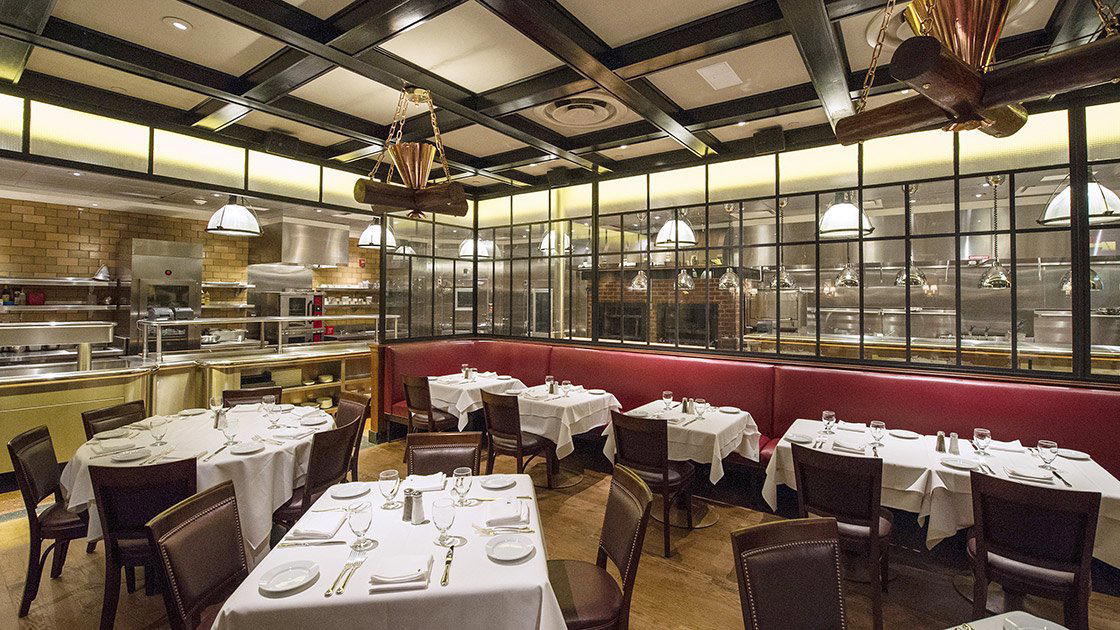
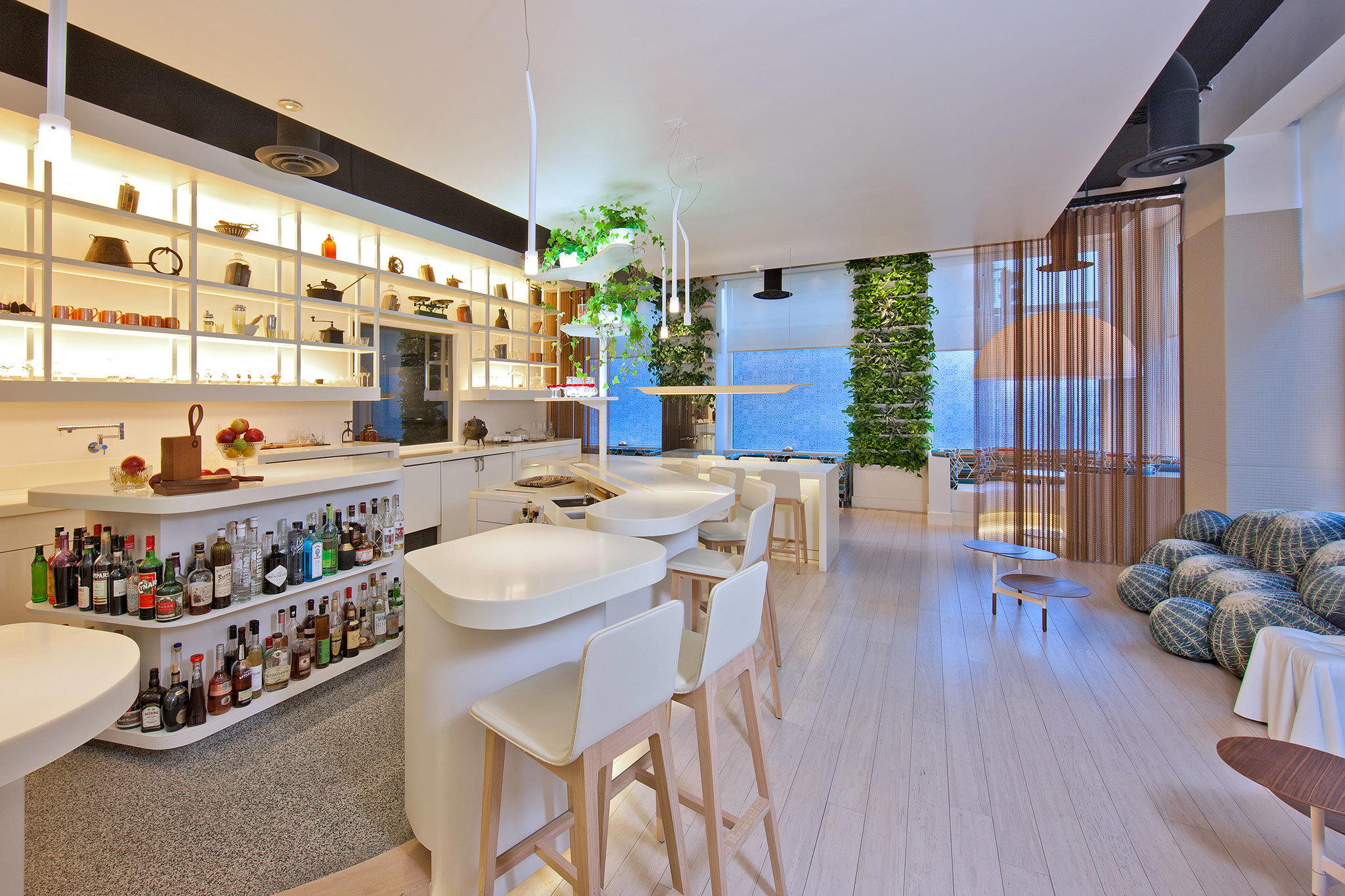
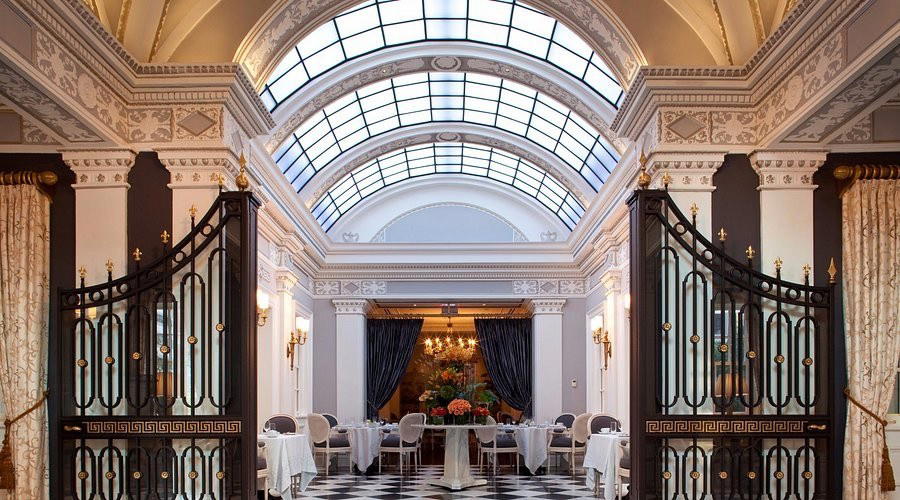
Luxurious and inviting with plush seating, potted palms, gilded accents, and a day-to-night energy that shifts from refined dining to a glamorous lounge atmosphere.