Brassica
Brassica occupies a considered position in Atlanta's upper dining tier, where menu architecture does the editorial work that a simpler kitchen might leave to spectacle. Located on Peachtree Road in Buckhead, it draws comparison to the city's established fine-dining addresses while staking its own claim through structured, produce-led cooking. For visitors already familiar with Atlanta's competitive fine-dining scene, Brassica is a purposeful addition to any serious itinerary.
Pearl is the En Primeur Club membership app — saves, bookings, and concierge access live there. Same editors, same standards.
- Address
- 3376 Peachtree Rd NE, Atlanta, GA 30326
- Phone
- +14049957545
- Website
- brassicaatlanta.com
- Directions
- Get directions
 Saves & bookings on Pearl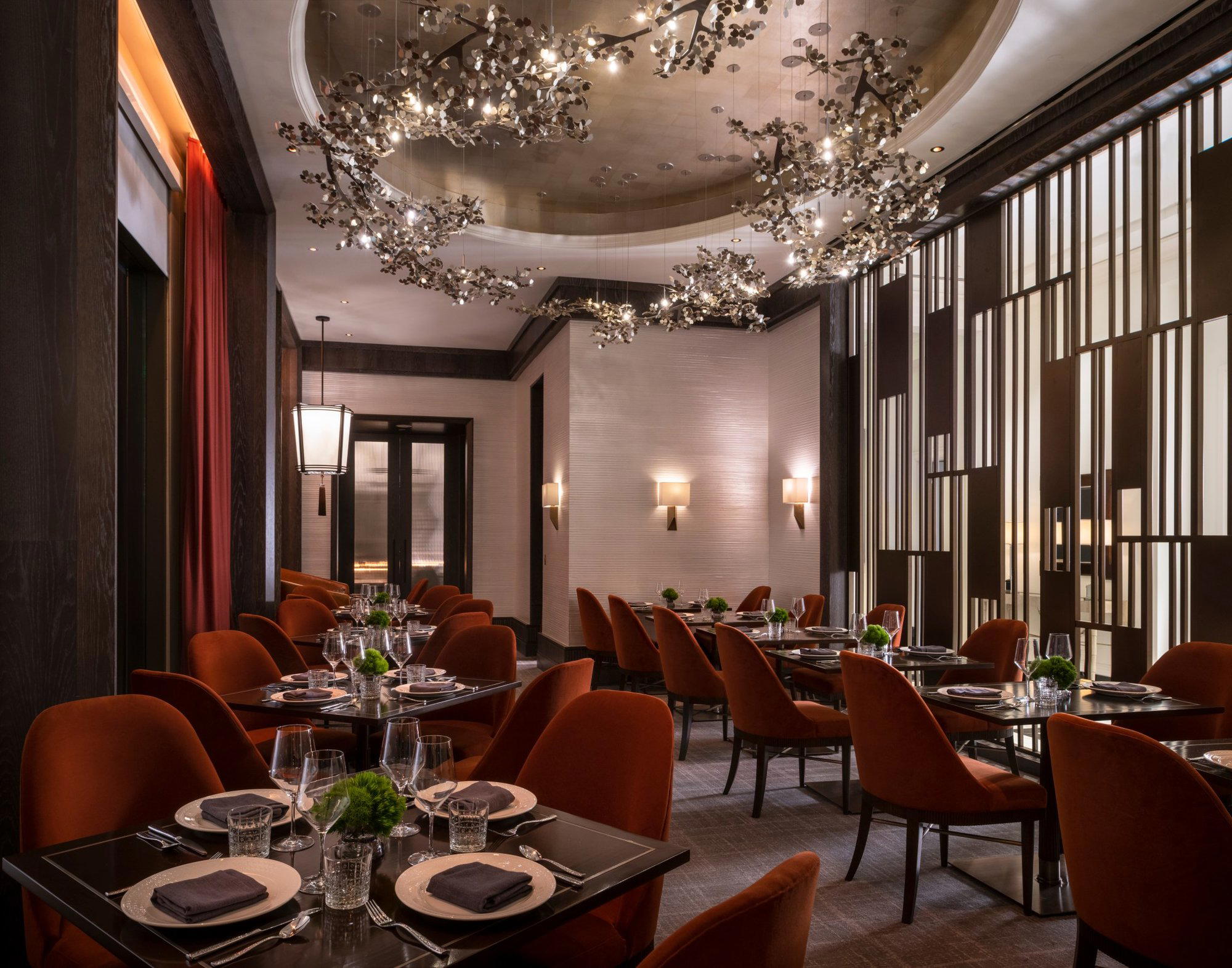
Peachtree Road in Buckhead carries a specific kind of dining gravity in Atlanta. The corridor has long anchored the city's higher-end restaurant concentration, drawing both the expense-account crowd and the serious food traveler who arrives having already researched the shortlist. Brassica, at 3376 Peachtree Rd NE, sits inside that established geography without leaning on it as a crutch. The address confers context; the kitchen is expected to do the rest.
How the Menu Reads the Room
In American fine dining, menu architecture has become one of the more reliable ways to read a kitchen's actual ambitions. A tightly edited list with clear seasonal logic signals a different set of priorities than a sprawling menu designed to guarantee something for everyone. The better restaurants in Atlanta's upper tier have largely moved toward the former model, and Brassica fits that directional shift. The name itself, a reference to the plant genus that includes brassicas such as cabbage, kale, and mustard greens, points toward a produce-anchored cooking philosophy that structures choice around what the season warrants rather than what a broad audience might default to ordering.
This approach connects Brassica to a wider national pattern. Across the country, the restaurants that have aged most gracefully at the $$$$ price tier tend to be those that resisted the temptation to compete on volume or variety. Blue Hill at Stone Barns in Tarrytown built its entire identity around a farm-to-table discipline that made the menu a function of the land rather than a marketing exercise. Single Thread Farm in Healdsburg applies a similarly rigorous seasonal logic across a kaiseki-influenced format. Brassica operates at a more accessible scale, but the underlying editorial instinct of letting ingredient selection drive structure rather than the reverse places it in recognizable company.
Atlanta's Fine-Dining Competitive Set
To understand where Brassica sits, it helps to map the broader Atlanta fine-dining tier. Bacchanalia remains the city's longest-standing benchmark for New American cooking, with a reputation built over decades on consistent technical execution and a tasting menu format that has influenced how subsequent Atlanta kitchens think about pacing and portion architecture. Atlas occupies a Modern European lane with a different kind of formality, anchored by one of the city's more serious wine programs. Lazy Betty has attracted national attention for contemporary technique applied with precision, and Hayakawa and Mujō have shifted part of the city's fine-dining conversation toward Japanese formats.
It does not compete directly with the omakase counters or the hotel-adjacent European formats. It sits closer to the New American tradition that defines addresses like Bacchanalia while pulling the vegetable toward the center of the plate rather than treating it as supporting material. That is not a minor distinction in a city where meat-forward Southern cooking still exerts significant gravitational pull on even the most ambitious menus.
The Buckhead Setting
Buckhead's restaurant concentration has always skewed toward the formal end of Atlanta's dining spectrum. The neighborhood carries a legacy of white-tablecloth rooms and expense-account steakhouses, but the last decade has seen that baseline shift. The newer fine-dining entrants in the corridor tend to be physically quieter, more design-conscious, and more interested in the cooking itself than in the performance of occasion. This shift mirrors what happened in comparable upscale urban neighborhoods in other American cities, from the Gold Coast in Chicago to Buckhead's equivalent strip in Houston. Smyth in Chicago and Addison in San Diego both demonstrate how serious kitchens have learned to hold formal address and genuine culinary ambition in the same room without one undermining the other. Brassica operates in that same register.
Placing Brassica in the National Context
The restaurants that have set the standard for produce-led, architecturally coherent menus at the American fine-dining tier include addresses that now function as reference points rather than dining destinations for most travelers. The French Laundry in Napa established the logic that a great tasting menu should feel inevitable in its sequencing, each course earning its place through contrast and momentum rather than accumulation. Le Bernardin in New York City demonstrated that a single-ingredient focus pursued with enough discipline could define a restaurant's entire identity across decades. Providence in Los Angeles and Lazy Bear in San Francisco represent different expressions of the same underlying argument: that menu structure is a form of editorial curation, and the leading kitchens make that curation legible to the diner without explaining it at the table.
Brassica is not competing at that tier of national recognition, but the directional logic is consistent. An ingredient-named restaurant with a produce-led kitchen in a city still working through what its fine-dining identity should look like over the long term is making a clear statement about where it intends to stand. That statement carries more weight in Atlanta in 2024 than it would have a decade ago, when the city's upper dining bracket was narrower and less differentiated. For further context on how Brassica fits the broader Atlanta picture, the full Atlanta restaurants guide maps the current competitive set across neighborhoods and price tiers.
For comparison with how similarly positioned kitchens have approached the same tension between ambition and accessibility in other cities, Emeril's in New Orleans, The Inn at Little Washington, and Atomix in New York City each offer a different model for how a restaurant with a strong point of view about menu structure can build durable relevance without chasing awards cycles. At the European end of this conversation, Atelier Moessmer Norbert Niederkofler in Brunico represents the most rigorous version of the produce-first kitchen argument currently operating at the top of the international tier.
Know Before You Go
Address: 3376 Peachtree Rd NE, Atlanta, GA 30326
Neighborhood: Buckhead, Atlanta
Price tier: Comparable to Atlanta's $$$$ fine-dining bracket (Bacchanalia, Atlas, Lazy Betty)
Booking: Contact the restaurant directly; reservation details not publicly listed at time of writing
Dress code: Not specified; Buckhead fine-dining convention skews smart-casual to formal
Timing note: Buckhead's dinner service peaks Thursday through Saturday; midweek reservations at comparable restaurants in the corridor are easier to secure
A Pricing-First Comparison
A small set of peers for context, based on recorded venue fields.
| Venue | Cuisine | Price | Awards |
|---|---|---|---|
| BrassicaThis venue — the venue you are viewing | Not listed | Not listed | Not listed |
| Bacchanalia | New American, American | $$$$ | Michelin 1 Star |
| Staplehouse | New American, Contemporary | $$$$ | Michelin 1 Star |
| Lazy Betty | Contemporary | $$$$ | Michelin 1 Star |
| Atlas | Modern European, New American, American | $$$$ | Michelin 1 Star |
| Lyla Lila | Southern European, European | $$$ | Not listed |
At a Glance
- Elegant
- Sophisticated
- Romantic
- Energetic
- Date Night
- Business Dinner
- Special Occasion
- Brunch
- Private Dining
- Open Kitchen
- Hotel Restaurant
- Extensive Wine List
- Craft Cocktails
- Local Sourcing
- Garden
Current opening hours
- Monday
- 7 AM–10 PM
- Tuesday
- 7 AM–10 PM
- Wednesday
- 7 AM–10 PM
- Thursday
- 7 AM–10 PM
- Friday
- 7 AM–11 PM
- Saturday
- 7 AM–11 PM
- Sunday
- 7 AM–10 PM
Hours can change for holidays and private events. Last verified .
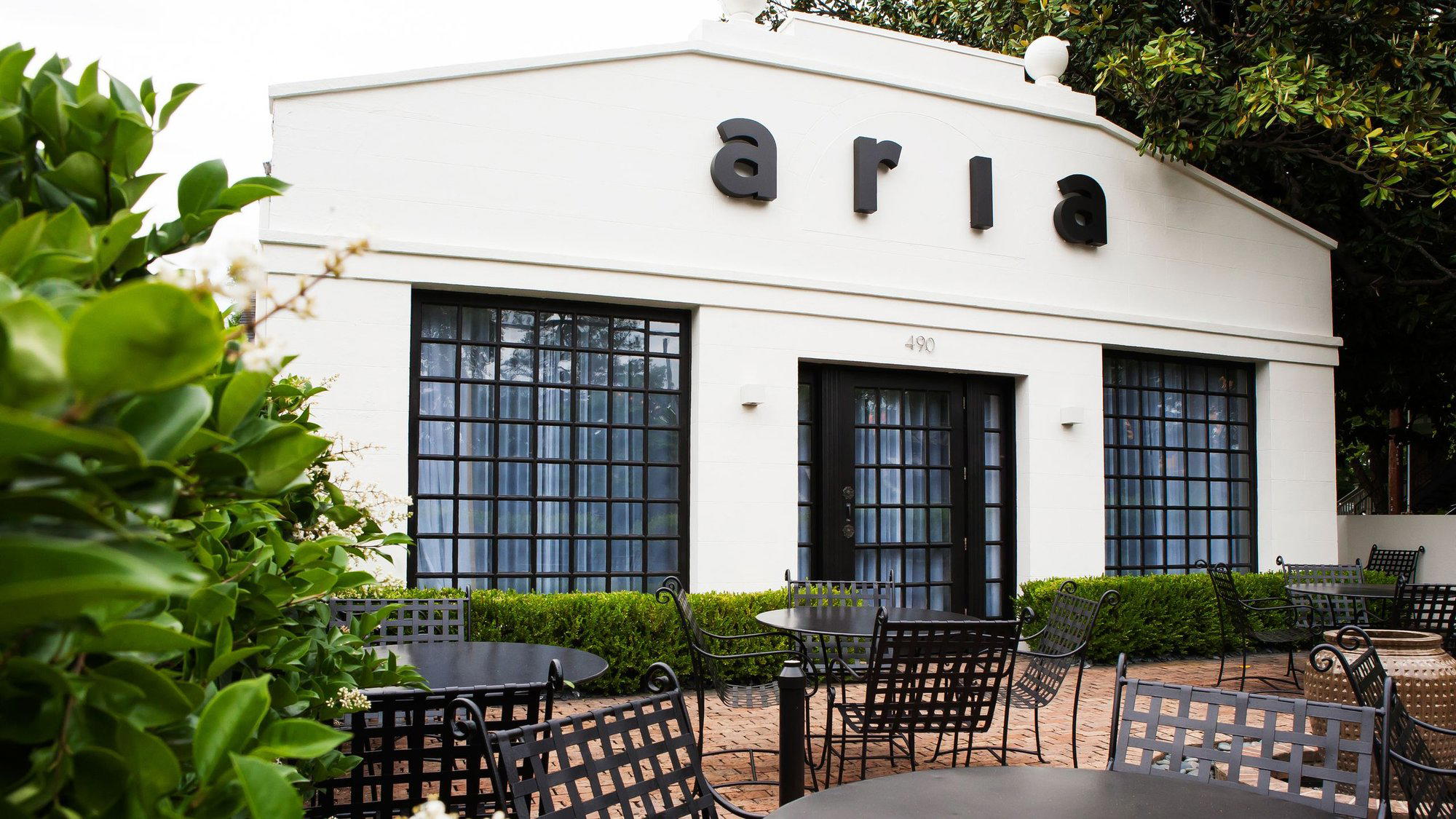
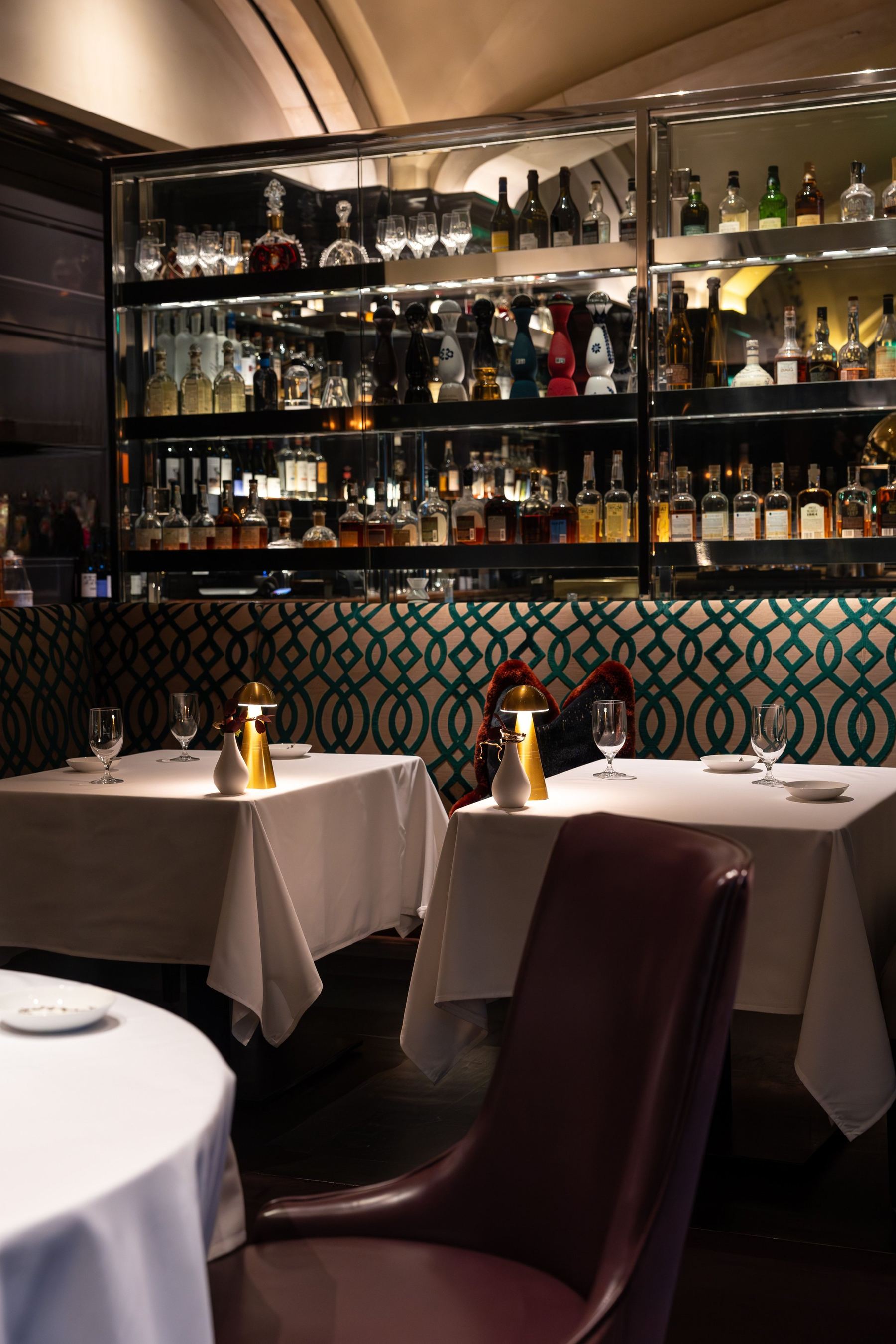
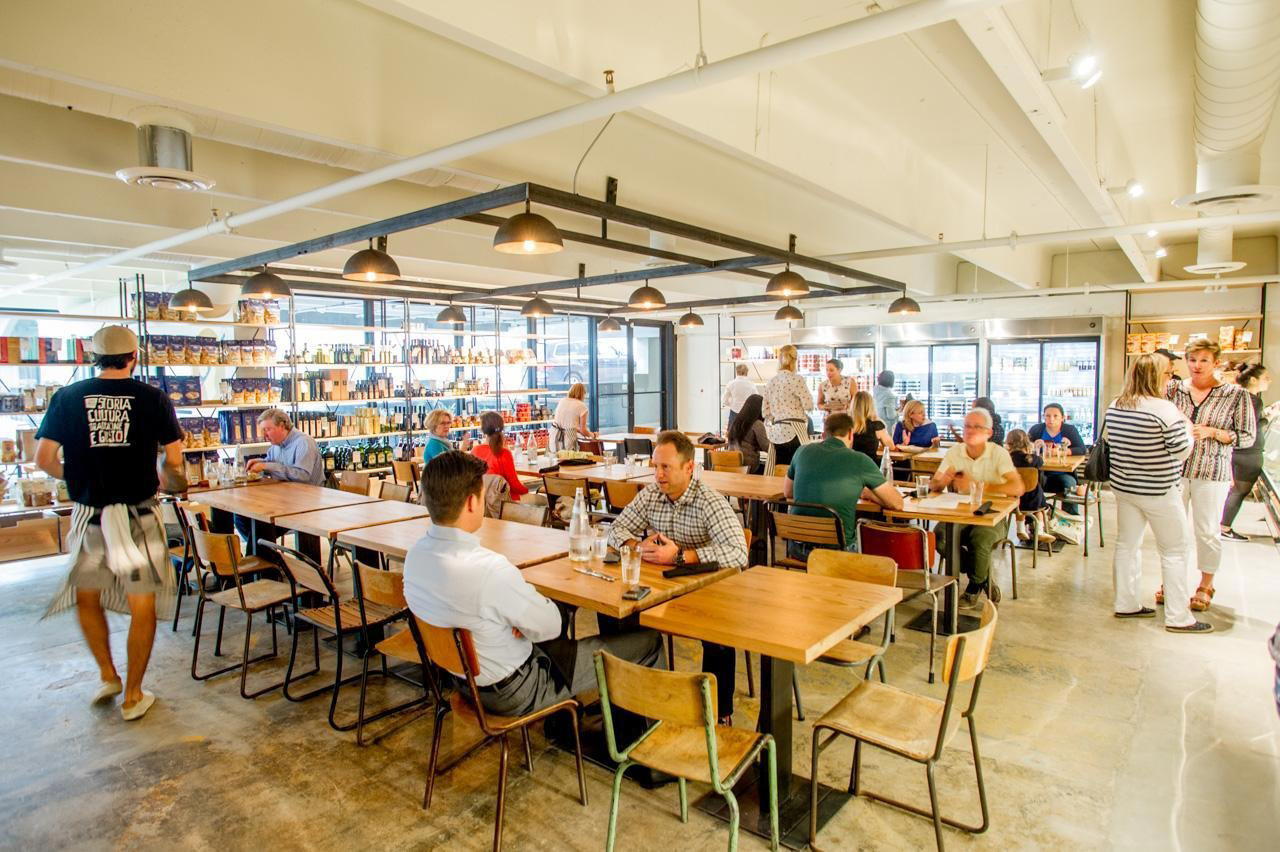
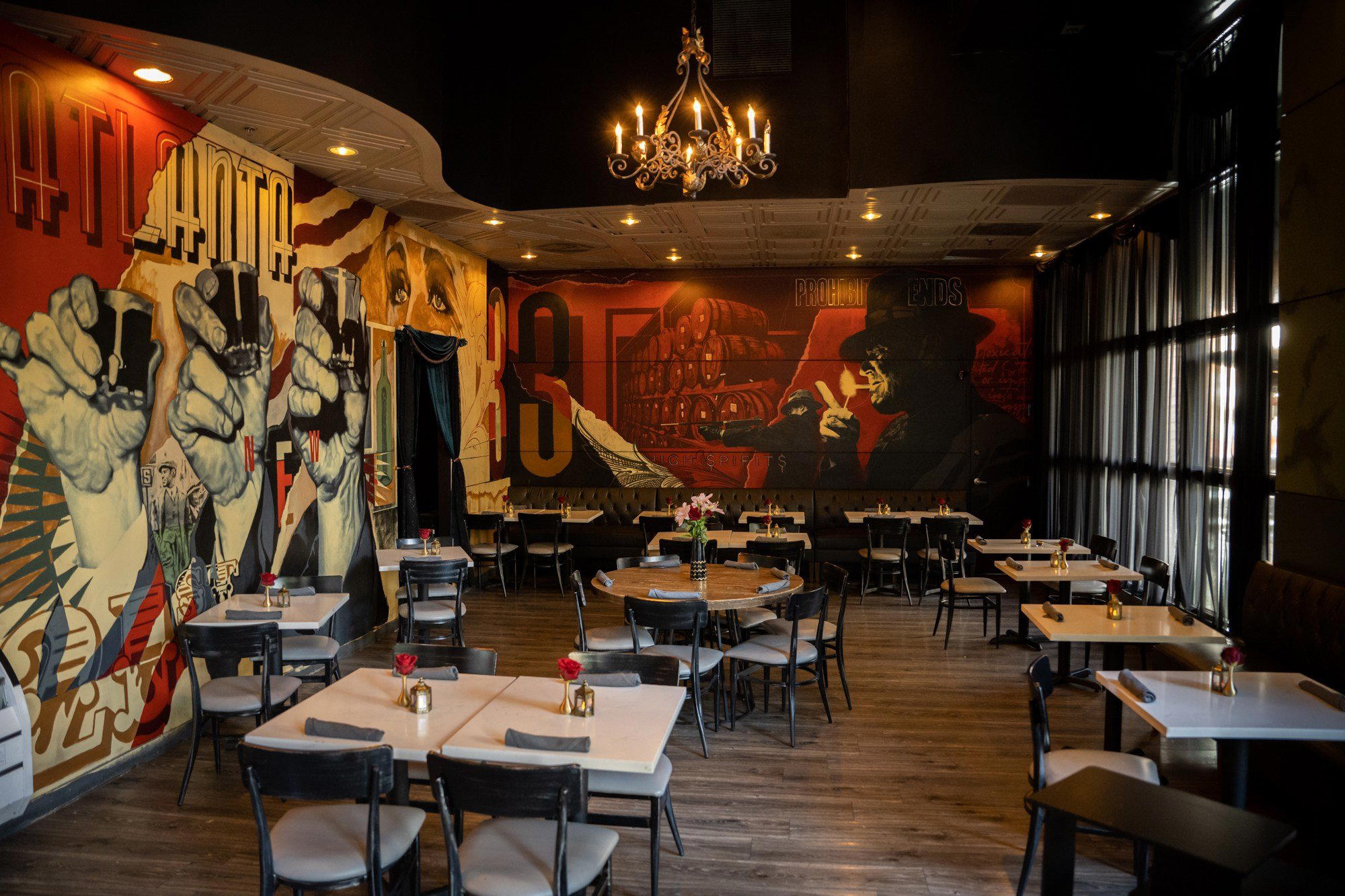
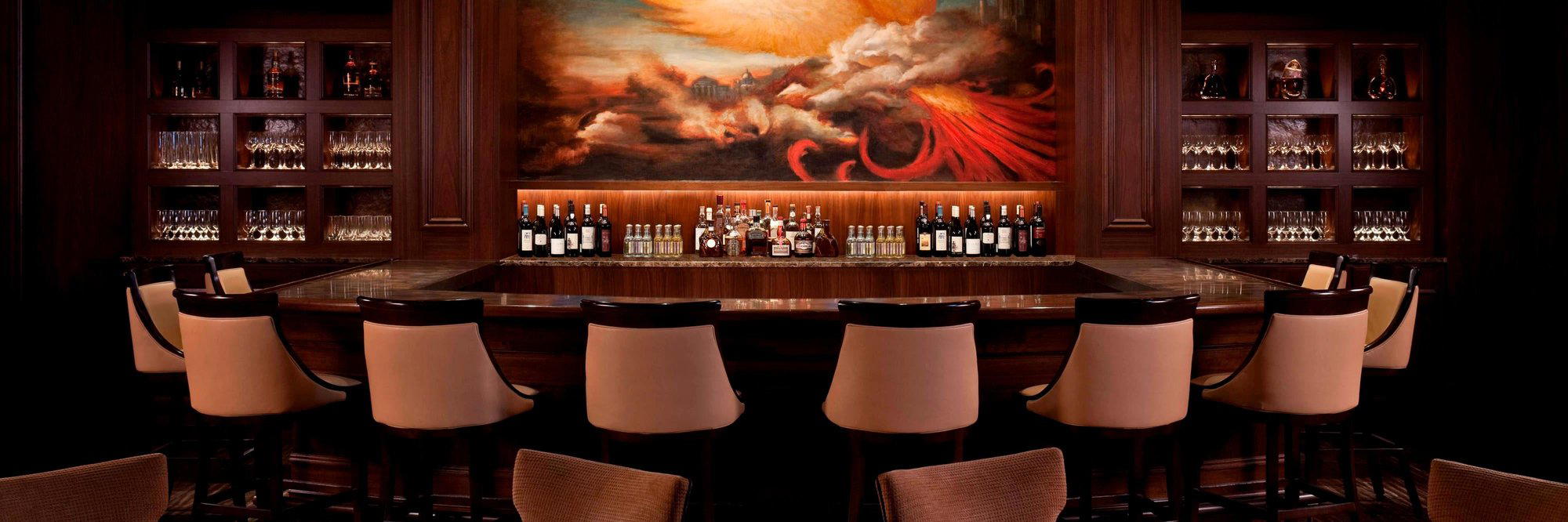
Warm leather and candlelight in the bar for romance, energetic main dining with dogwood chandelier, and soothing stone Solarium private area.
Know Before You Go
- Getting there
- 3376 Peachtree Rd NE, Atlanta, GA 30326