
A 13-seat Sapporo ramen and tsukemen shop with counter seating, no-smoking rules, and repeated Tabelog 100 recognition for ramen in Hokkaido and eastern Japan. Garyu Menbu Hien belongs to the city’s value-driven noodle tier: compact, informal, and serious about ramen without the ceremony or expense attached to destination dining.
Pearl is the En Primeur Club membership app — saves, bookings, and concierge access live there. Same editors, same standards.
- Address
- Japan, 〒062-0921 Hokkaido, Sapporo, Toyohira Ward, Nakanoshima 1 Jo, 9 Chome−4−14 コーポラス大峰
- Phone
- +81 11-842-5262
- Website
- hienn0301.com
 Saves & bookings on Pearl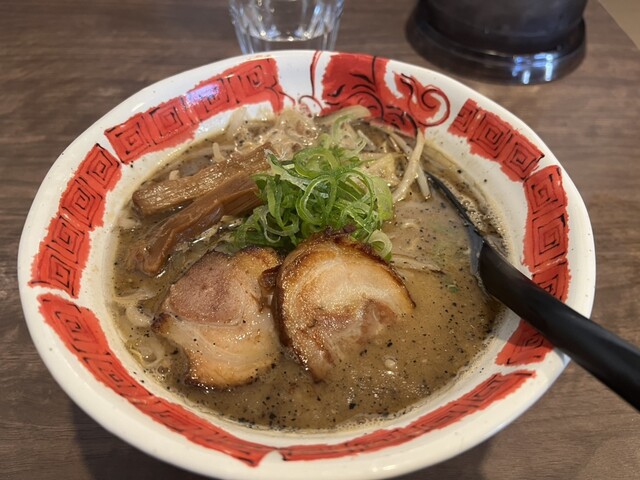
Approaching a small ramen shop in Sapporo rarely involves theatre. The signal is usually simpler: a modest frontage, a queue that moves by bowl turnover rather than reservations, and the faint choreography of counter seats filling and clearing. Garyu Menbu Hien belongs to that idiom. The room is compact, with counter seating and a few tables, and the experience is built around the rhythm that defines serious ramen in Japan: order, eat while the noodles are at their intended texture, leave room for the next diner.
Sapporo’s noodle culture is unusually competitive because the city is not a one-note ramen destination. Miso ramen may dominate the outside image, but local eating is broader than that, with tsukemen specialists, chicken-based shops, seafood-inflected broths, and newer schools sharing attention with the older butter-corn stereotype. In that context, repeated selection for Tabelog’s Ramen 100 lists matters. It places the shop inside a vetted Hokkaido ramen conversation rather than simply among convenient neighbourhood lunch counters.
Value in Sapporo ramen is measured by turnover, focus, and repeat recognition
The case for Garyu Menbu Hien is not built on luxury cues. It is built on the opposite: a narrow format, modest spend, and an award trail that suggests sustained local relevance. Tabelog selected it for Ramen HOKKAIDO 100 in 2025 and 2024, and for Ramen EAST 100 in 2020, 2018, and 2017. For a city where ramen competes with soup curry, seafood izakaya, and jingisukan for visitors’ attention, that continuity is a useful filter.
The value proposition is clearest when set against Sapporo’s broader casual-dining economy. Ramen and tsukemen shops at this level ask less of the diner than tasting-menu restaurants: no long seating, no pairing decision, no formal pacing. The trade-off is that comfort depends on timing and tolerance for a small room. A 13-seat operation with four counter seats has a different social contract from a restaurant designed for lingering. The reward is concentration. Everything points toward the bowl.
That compactness also explains why ramen rankings in Japan can be more revealing than general restaurant lists. A shop does not need a grand dining room to build authority; it needs consistency across many ordinary service periods. In Sapporo, where a short winter lunch and a late evening bowl both carry cultural weight, the genre rewards precision over spectacle. The more useful comparison is not fine dining, but peer noodle shops such as Sapporo Junren Sapporo ten, MEN-EIJI Hiragishi Base, and Sumire Nakanoshima honten, all part of the same low-spend ramen tier or adjacent price bracket.
The format favours decisive diners, not long-table grazing
Ramen shops with reservations unavailable and limited seating operate on a practical code. Arrive prepared, choose quickly, keep the party small, and avoid treating the counter like a lounge. That is not austerity; it is the mechanism that keeps quality ramen accessible. Garyu Menbu Hien’s setup, with counter seating plus a small number of table seats and a raised-platform table, makes it workable for solo diners, friends, and families, but the room’s scale naturally favours compact groups.
The menu category is also important. Ramen and tsukemen appeal to different appetites. Ramen is immediate, broth and noodles arriving as a single temperature-driven whole. Tsukemen asks for dipping, rhythm, and a slightly more deliberate pace. The presence of both puts the shop in a more flexible lane than a single-style counter, especially in a city where diners often plan multiple casual meals rather than one grand reservation.
There is no chef biography needed to justify the point. In Sapporo’s ramen culture, craft is usually read through the bowl and the shop’s staying power, not through a public narrative of authorship. The opening date, 2010, gives the more useful signal: this is not a newly amplified address riding a short burst of attention. It has had time to be tested by local habits, online scrutiny, and changing ramen fashions.
How to place it within a Sapporo eating itinerary
For travellers mapping Sapporo through food rather than monuments, this is the kind of address that fills an important slot: a serious casual meal that does not consume the day’s budget or demand formal planning. Pairing it with soup curry, specialist curry, or bakery stops gives a better reading of the city than repeating ramen three meals in a row. For that wider arc, compare Sapporo noodle and curry choices with 175°DENO Tantanmen Sapporo kitaguchi ten, [Curry Senmon Ten] Maruyama Kyoju., Ajanta Indo Curry Ten, Ajanta Sohonke, and Aigues Vives.
The city’s stronger itineraries mix categories rather than chasing a single genre. Use Our full Sapporo restaurants guide for dining context, then layer in Our full Sapporo hotels guide, Our full Sapporo bars guide, Our full Sapporo wineries guide, and Our full Sapporo experiences guide if the trip extends beyond meals.
For readers comparing Japanese casual formats across cities, the useful lesson is scale. A compact ramen counter in Sapporo and a small specialist restaurant elsewhere may share the same discipline, but they solve different cravings. See how the casual spectrum changes at -Grilled beef Sukiyaki- KAMAKURA TANUKIAN 鎌倉 たぬき庵 in Kamakura. 鮪と炭火焼き うお炭 秋葉原店 in Tokyo.cafe in Osaka.know in Kumamoto, (Shoku) Vietnam in Kawasaki, [ki:] in Kyoto, Jōdo Saké Bar in Los Angeles, and Onigiri Time in Pasadena.
The editorial read is simple: the restaurant is for diners who want Sapporo ramen with credible third-party recognition and a compact-shop format, not a staged destination meal. Its appeal sits in the disciplined middle of the city’s food culture, where low ceremony and high scrutiny often produce the clearest expression of value.
- 魚介鶏塩白湯 (Seafood & chicken shio paitan)
- 我流札幌ラーメン 飛塩 (Garyu Sapporo Ramen Hishio)
- 小樽地鶏の中華そば(醤油・塩)
- 鶏白湯ラーメン(醤油・塩)
- 醤油つけ麺
- 辛い醤油つけ麺
Standing Among Peers
Comparable venues by cuisine and category.
| Venue | Cuisine | Price | Notes |
|---|---|---|---|
| Garyu Menbu HienThis venue — the venue you are viewing | Sapporo chicken & seafood ramen | $ | Not listed |
| Sumire Sapporo susukino ten | Japanese Ramen | $ | Chūō |
| 薄野 鮨金 | japanese | $ | Chūō |
| Saera | Japanese kissaten & sandwich shop | $ | Chūō |
| Ramen Shingetsu | Traditional Sapporo Ramen Shop | $ | Chūō |
| ZORA | Sapporo soup curry & Japanese curry house | $ | Chūō |
Recognition history
Dated appearances from independent guides and award organizations, with the underlying list record or original source where available.
Tabelog 100 #48 · No. 48
Tabelog · Tabelog 100 - Ramen - HOKKAIDO - 2025
At a Glance
- Cozy
- Classic
- Solo
- Casual Hangout
- Family
- After Work
- Standalone
- Beer Program
- Local Sourcing
Current opening hours
- Monday
- 11 AM–3:30 PM, 5–7:45 PM
- Tuesday
- 11 AM–3:30 PM, 5–7:45 PM
- Wednesday
- 11 AM–3:30 PM, 5–7:45 PM
- Thursday
- Closed
- Friday
- 11 AM–3:30 PM, 5–7:45 PM
- Saturday
- 11 AM–7:45 PM
- Sunday
- 11 AM–7:45 PM
Hours can change for holidays and private events. Last verified .
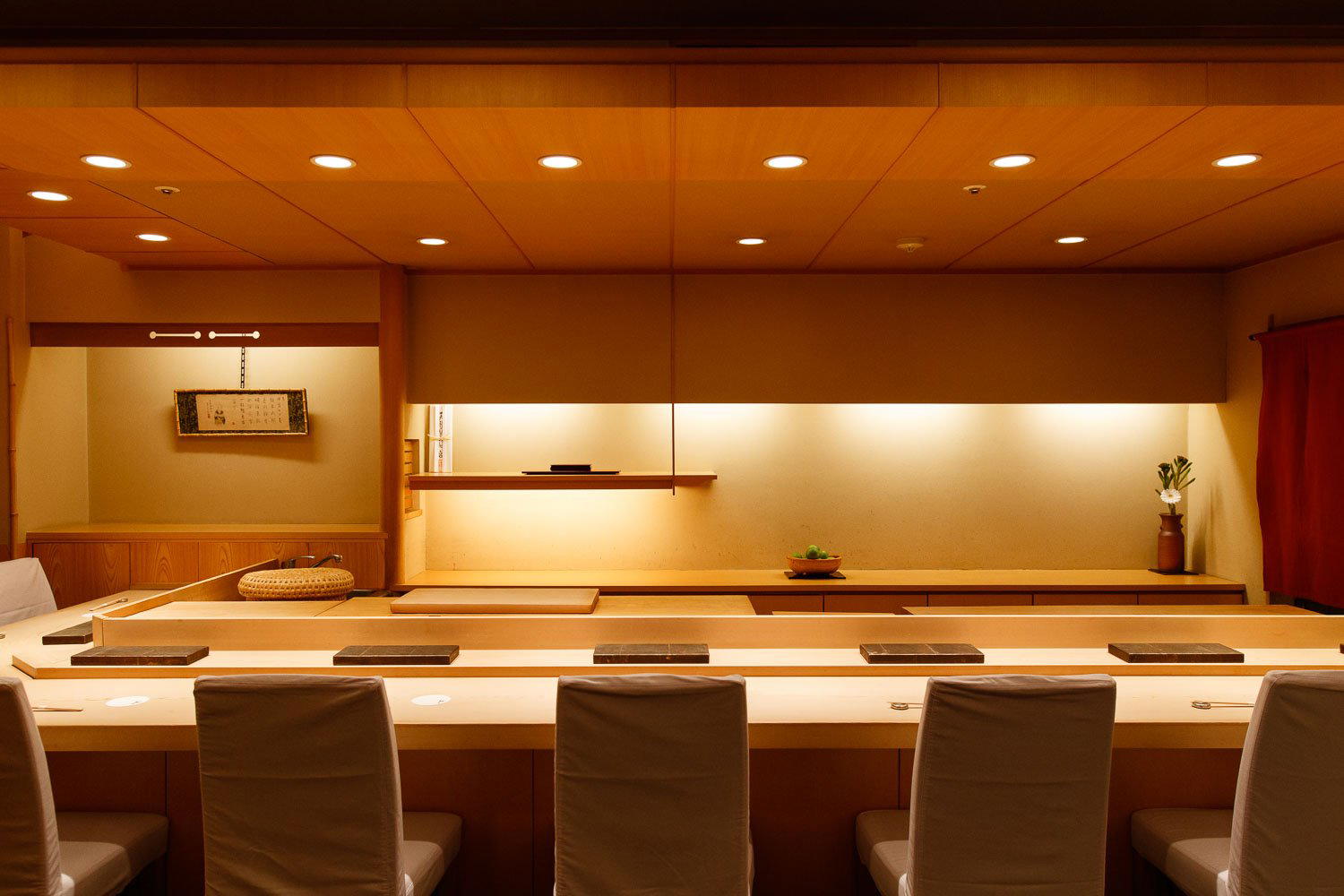
Small, casual neighborhood ramen counter with simple décor, bright functional lighting, and an energetic atmosphere centered on the open kitchen and fast turnover.