
Toki Ya belongs to Osaka’s serious tsukemen tier: compact, noodle-led, and recognized in Tabelog’s Ramen OSAKA 100 for 2025 after earlier Ramen WEST and OSAKA selections. The appeal is not ceremony but structure: dipping noodles as the organizing idea, with a small-room format that keeps the meal focused on texture, broth concentration, and pace.
Pearl is the En Primeur Club membership app — saves, bookings, and concierge access live there. Same editors, same standards.
- Address
- Japan, 〒532-0011 Osaka, Yodogawa Ward, Nishinakajima, 5 Chome−1−4 モジュール新大阪 1F
- Phone
- +81 6-6829-7676
- Website
- tokiya.jp.net
 Saves & bookings on Pearl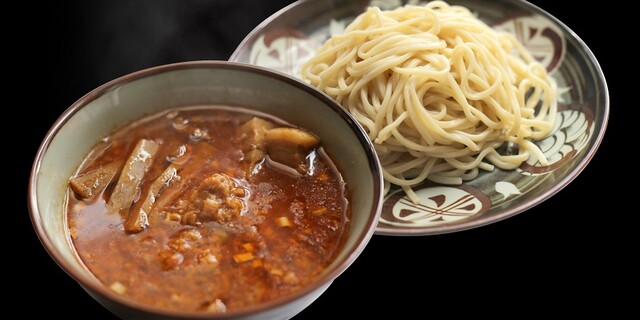
Approaching a specialist tsukemen shop in Osaka is rarely theatre. The signals are narrow: modest frontage, fast turnover, counter seats that fold the kitchen into the room, and a disciplined menu visible before the first bowl arrives. Toki Ya sits in that Nishinakajima lane, where office workers, station traffic, and regulars make ramen less destination ritual than a practical test of consistency.
Osaka’s noodle culture has more range than its national image suggests. Udon carries older Kansai softness and takoyaki gets the postcard treatment, but ramen and tsukemen have built their own map: compact shops, low-friction service, and menus designed around repetition rather than spectacle. In that frame, a Tabelog Ramen OSAKA 100 selection in 2025 matters because it places the shop in a competitive local field where small differences in noodle firmness, broth weight, and finishing logic decide loyalty.
Tsukemen as the whole argument, not a side category
Tsukemen changes ramen’s grammar. Instead of noodles submerged in soup from the start, bowl and dipping broth are separated, putting texture under brighter light. Noodles need enough structure to survive repeated dipping; broth needs concentration because it is used in smaller doses. The format is less forgiving than it looks: a loose noodle or thin broth has nowhere to hide.
Toki Ya’s listed category is tsukemen, and that focus is the useful lens. In a city where ramen shops often split attention among shoyu, shio, miso, limited bowls, and rice-set add-ons, a dipping-noodle identity signals a narrower proposition. The point is not maximal choice but contrast: cold or firm noodles against hot, dense broth, then the final shift from eating to drinking if soup dilution is part of the rhythm. The public record needs no named signature dish to make the structure legible.
The price tier defines Osaka’s ramen economy: everyday-premium, not luxury dining, with reputation earned by repeat visits rather than linen, pairings, or chef narration. Toki Ya shares that affordability band with Osaka comparison venues such as Yusuke, while nearby casual specialists including Jinrui Mina Menrui and Nishinakajima Koryumasu also operate in the low-cost noodle-and-lunch ecosystem. The question is not whether a cheaper bowl exists, but which shops make a simple format feel controlled enough to justify choosing them over the next station-side option.
The Tabelog trail strengthens that read. The restaurant appears in Tabelog’s Ramen OSAKA 100 for 2025, with earlier selections across Ramen OSAKA and Ramen WEST from 2019 onward. Awards are not a substitute for taste, but they identify a shop that has stayed visible across changing local lists. In ramen, where openings are constant and enthusiasm moves quickly, repeat recognition is stronger than one burst of attention.
A small-room noodle shop in a station-driven district
Nishinakajima is not late-night Dotonbori cliché Osaka. Its dining character is functional: transit access, office lunches, solo meals, quick friend meetups, and small restaurants surviving on regular traffic. That context suits tsukemen, which asks for concentration but not ceremony; a compact room sharpens the experience because there is little space for distraction.
The room reinforces that logic. The restaurant is listed with 15 seats, split between counter and tables, closer to a neighborhood specialist than a large-format ramen hall. Counter seating keeps pace visible: noodles move, bowls land, diners turn over, and the meal keeps momentum. Tables soften the format for pairs or families, but the posture remains quick, focused, and noodle-first.
The family-friendly note, including children and strollers, is more revealing than it seems. Osaka’s casual restaurant culture often makes room for practical dining rather than staging every serious food experience as adult-only austerity. In tsukemen, that matters: the food can be technically demanding without preciousness. A shop can be recognized by a major Japanese restaurant guide and still function as an accessible local meal.
Payment and reservation constraints also belong to the genre, beyond the romance of eating noodles. Ramen and tsukemen specialists in Japan often keep operations lean: limited seats, direct turnover, simple service systems, and few distractions from the bowl. The restaurant fits that pattern. Travelers should treat it as a focused meal slot, not a long-form restaurant appointment.
Where it fits in an Osaka eating day
The strongest use case is the diner who wants Osaka beyond the obvious snack circuit. 551 Horai (551蓬莱) captures another side of the city’s appetite: portable, popular, and built around a mass beloved specialty. The restaurant belongs to the smaller specialist counter tradition, where pleasure lies in how a narrow format is handled. They are not competing experiences; they show why Osaka rewards eating in layers rather than chasing one defining meal.
For a broader day, contrast helps. Coffee and bakery stops such as .cafe and 52CHO-ME BAKERY frame the city’s softer morning side, while 551 Horai (551蓬莱) keeps the casual Osaka canon in view. Later, 99 Pizza Napoletana Gourmet and a canto (Italian) show how comfortably the city absorbs non-Japanese formats without losing its preference for directness and value.
That wider map matters because the restaurant is not trying to be a grand Osaka statement. Its interest is narrower and, for noodle obsessives, more persuasive: tsukemen treated as complete meal architecture. The award history gives it a documented place in the local ramen conversation; the compact format grounds the experience; the category focus gives the menu shape. For travelers who read a city through specialist counters, this stop explains more about Osaka than another checklist meal in a louder district.
For wider planning, use Our full Osaka restaurants guide alongside Our full Osaka hotels guide, Our full Osaka bars guide, Our full Osaka wineries guide, and Our full Osaka experiences guide. Readers extending the same specialist-food logic elsewhere in Japan might compare the category focus at -Grilled beef Sukiyaki- KAMAKURA TANUKIAN 鎌倉 たぬき庵 in Kamakura. 鮪と炭火焼き うお炭 秋葉原店 in Tokyo.know in Kumamoto, (Shoku) Vietnam in Kawasaki, [Curry Senmon Ten] Maruyama Kyoju. in Sapporo, and [ki:] in Kyoto. For Japanese casual formats abroad, Jōdo Saké Bar in Los Angeles and Onigiri Time in Pasadena make a useful counterpoint.
How It Stacks Up
Comparable venues to calibrate price, style, and recognition.
| Venue | Cuisine | Price | Notes |
|---|---|---|---|
| Toki Ya | Tsukemen ramen shop | $ | Yodogawa |
| Kokoro ni Amai Anpanya Umeda ten | Japanese Anpan Bakery | $ | Kita |
| Sanuki Udon Imayuki | Traditional Sanuki Udon | $ | Kita |
| Ramen Tetsushi | Ramen shop | $ | Toyonaka |
| Kokopelli Curry | Japanese curry house | $ | Kita |
| Tori Soba Zagin Honten | Chicken ramen (tori paitan soba) counter | $ | Nishi |
Recognition history
Dated appearances from independent guides and award organizations, with the underlying list record or original source where available.
Tabelog 100 #10 · No. 10
Tabelog · Tabelog 100 - Ramen - OSAKA - 2025
Continue exploring
More in Osaka
Restaurants in Osaka
Browse all →



Bars in Osaka
Browse all →
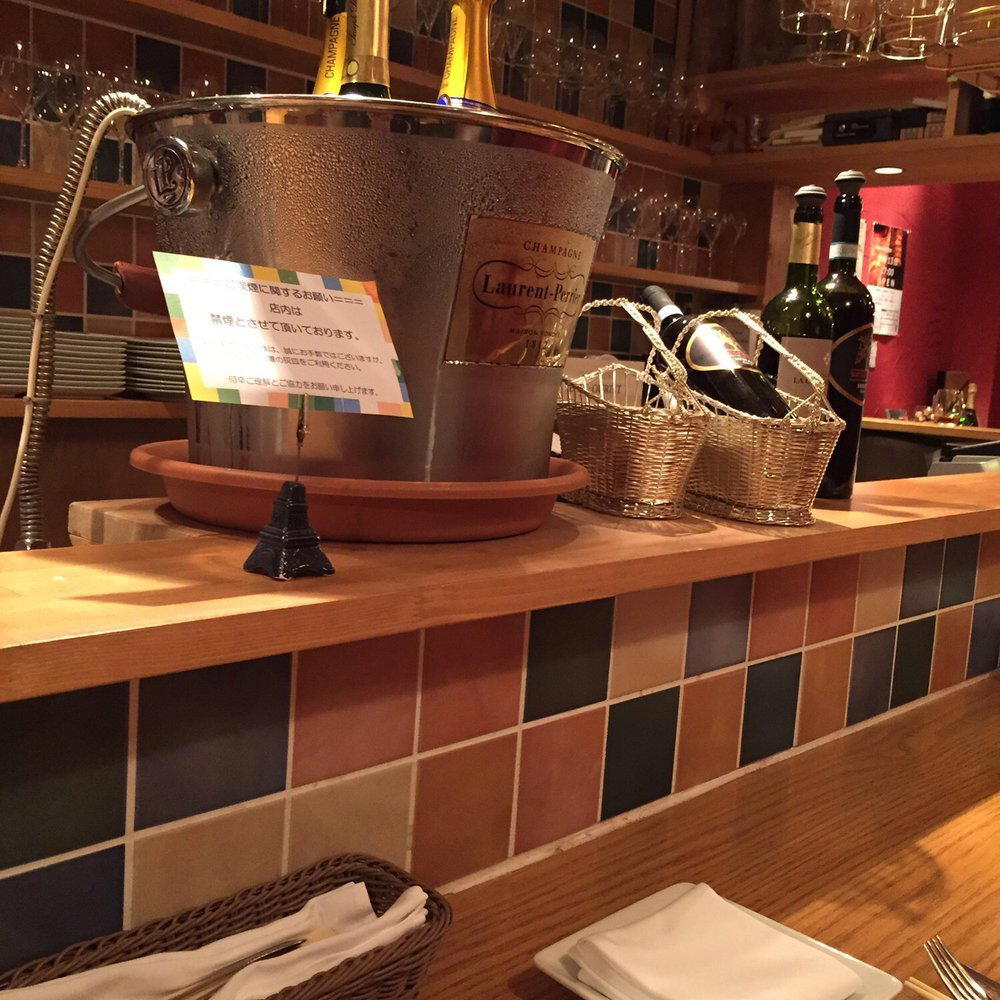


Hotels in Osaka
Browse all →

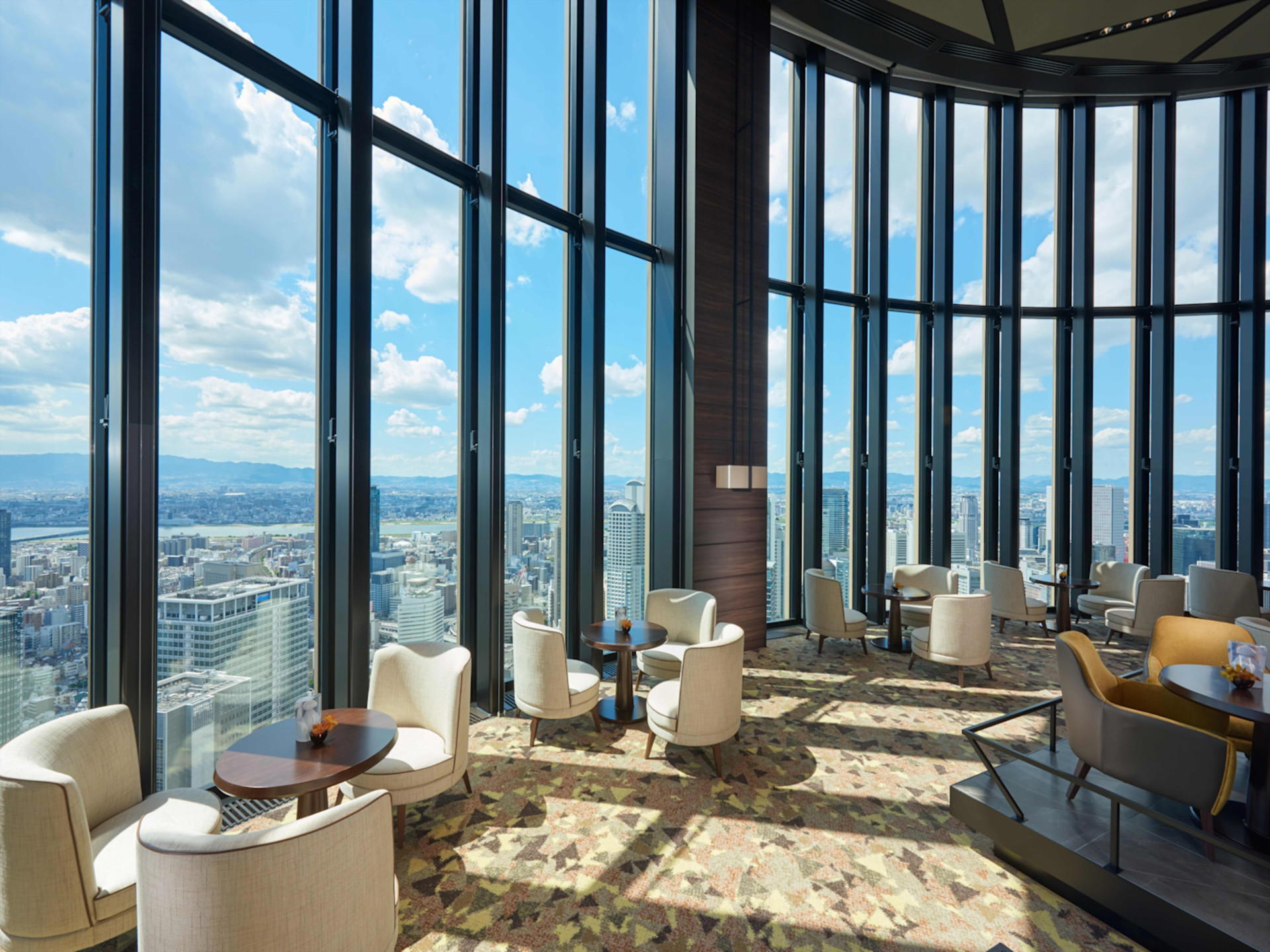


Wineries in Osaka
Browse all →
At a Glance
- Lively
- Cozy
- Solo
- After Work
- Casual Hangout
- Late Night
- Standalone
- Local Sourcing
Current opening hours
- Monday
- 11:30 AM–2:50 PM, 6–10:20 PM
- Tuesday
- 11:30 AM–2:50 PM, 6–10:20 PM
- Wednesday
- 11:30 AM–2:50 PM, 6–10:20 PM
- Thursday
- 11:30 AM–2:50 PM, 6–10:20 PM
- Friday
- 11:30 AM–2:50 PM, 6–10:20 PM
- Saturday
- 11:30 AM–10:20 PM
- Sunday
- 11:30 AM–10:20 PM
Hours can change for holidays and private events. Last verified .
Compact counter-style ramen shop near Shin-Osaka with a bustling, casual atmosphere, ticket machine ordering, and a focus on efficient dining rather than linger-friendly comfort.