
NAKAGAWA Wazu belongs to Osaka’s disciplined ramen counter culture: compact, quick-turning, and judged less by ceremony than by repeatable craft. Its Tabelog Ramen OSAKA 100 selections in 2023, 2024, and 2025 place it among the city’s more closely watched bowls, with a value profile that keeps the experience sharply focused rather than padded with extras.
Pearl is the En Primeur Club membership app — saves, bookings, and concierge access live there. Same editors, same standards.
- Address
- 大阪府大阪市東淀川区菅原6-24-12
- Website
- tabelog.com
 Saves & bookings on Pearl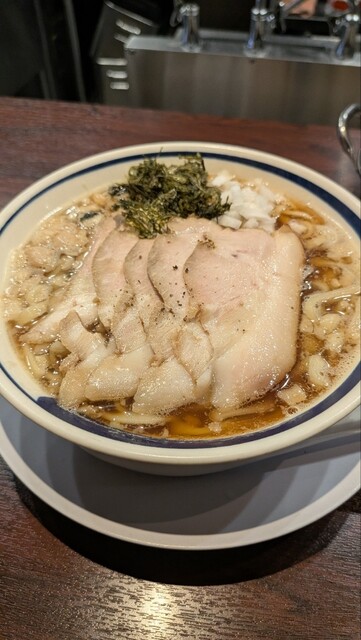
Approaching a serious ramen counter in Osaka is rarely theatrical. The cues are smaller: a short frontage, a practical queue, the compressed rhythm of diners finishing quickly so the next seat can turn. In Higashiyodogawa-ku, that format matters. Ramen here is not priced or paced like kaiseki, and the room is not designed for lingering. The measure is whether a bowl can carry enough precision to justify the wait, the detour, and the absence of frills.
NAKAGAWA Wazu fits that Osaka equation. Its inclusion in Tabelog Ramen OSAKA 100 for 2023, 2024, and 2025 gives it a clear external marker in a city where ramen competition is broad, fast-moving, and unforgiving. A Tabelog score of 3.68 signals sustained local attention rather than a novelty spike. For travellers mapping food priorities across the city, it belongs less to the grand-dinner category and more to the high-yield lunch-or-supper stop: low ceremony, tight format, high scrutiny.
Osaka ramen value is measured at the counter, not in the extras
Osaka’s dining identity is often flattened into street food shorthand, but its ramen culture is more granular. Shops compete on broth clarity, noodle handling, tare balance, ticket-machine efficiency, and the discipline of a short menu. The strongest value proposition in this category is not abundance. It is concentration: a compact experience where most of the spend goes into the bowl and the operational model strips away the dining-room theatre.
That is why small counters remain so persuasive in Japan’s ramen cities. A limited seat count changes the economics and the mood. It keeps service direct, compresses the eating window, and makes inconsistency more visible. At this scale, a kitchen cannot hide behind a long drinks list, design budget, or leisurely pacing. The craft has to register quickly, and local diners tend to judge it accordingly.
Within the provided Osaka comparison set, the value tier around Ennosuke Shoten and Jikaseimen Tsukiyomi sits in the same low-spend bracket, while KUCHE and Hakata Tonkotsu Tenjinki move into a slightly higher band. Sennarizushi operates in a different sushi-led spend category altogether. That spread is useful because it shows how ramen earns attention in Osaka: not by mimicking expensive formats, but by delivering a focused bowl with enough identity to compete against dozens of nearby alternatives.
NAKAGAWA Wazu’s repeated Tabelog 100 placement is the key signal here. Awards in the ramen category do not turn a counter into a luxury restaurant, and they should not be read that way. They indicate that, among Osaka ramen specialists, the shop has been noticed over multiple selection cycles. For a traveller, that is a stronger clue than a broad “popular with locals” claim because it anchors the decision in a named category and a recent selection history.
Higashiyodogawa-ku rewards targeted eating rather than checklist dining
Higashiyodogawa-ku sits outside the usual first-pass Osaka itinerary built around Namba, Umeda, and Shinsekai. That changes the reader’s calculation. A ramen stop in this part of the city should be treated as a targeted meal, not a casual add-on between major sights. The payoff is a view of Osaka dining away from the densest tourist corridors, where the everyday counter format carries more weight than spectacle.
The nearest rail access is JR Awaji, which makes the visit more practical than its outer-ward address might suggest. The shop’s counter-only setup also affects timing. Small ramen rooms reward off-peak planning, solo dining, and parties that can split seats without turning the meal into a negotiation. This is not the format for a long group dinner. It is better read as a precise, efficient stop within a larger day of eating.
For a broader Osaka plan, contrast this kind of ramen counter with the city’s other casual and specialist registers: bakery runs such as 52CHO-ME BAKERY, snack-and-carry staples like 551 Horai (551蓬莱), coffee-leaning stops such as .cafe, and Italian-leaning rooms including 99 Pizza Napoletana Gourmet and a canto (Italian). Together, they show why Osaka is better approached by format and neighbourhood than by a single cuisine label.
Readers building a full city file should use Our full Osaka restaurants guide alongside Our full Osaka hotels guide, Our full Osaka bars guide, Our full Osaka wineries guide, and Our full Osaka experiences guide. The point is not to stack meals indiscriminately. It is to separate fast, technical counters from destination dinners, late-night drinking, and neighbourhood-specific wandering.
Where this bowl fits in a Japan-wide eating itinerary
Japan rewards diners who understand category before ranking. A ramen counter in Osaka, a sushi room, a curry specialist, a sake bar, and an onigiri shop operate by different rules. Comparing them as if they were interchangeable produces bad itineraries. The smarter approach is to ask what each format does well, then decide how much time and travel it deserves.
That framework is useful beyond Osaka. A sukiyaki-focused meal such as -Grilled beef Sukiyaki- KAMAKURA TANUKIAN 鎌倉 たぬき庵 in Kamakura belongs to a slower, meat-centered tradition. Tokyo izakaya and charcoal formats, including. 鮪と炭火焼き うお炭 秋葉原店 in Tokyo, solve a different dining problem. Regional specialists such as.know in Kumamoto, (Shoku) Vietnam in Kawasaki, [Curry Senmon Ten] Maruyama Kyoju. in Sapporo, and [ki:] in Kyoto belong to their own local circuits. Even overseas Japanese-leaning formats such as Jōdo Saké Bar in Los Angeles and Onigiri Time in Pasadena underline the same lesson: format dictates expectations.
On that basis, NAKAGAWA Wazu makes sense for travellers who value a compact, award-recognised ramen stop over a long meal. The case is strongest when the day already runs through northern or eastern Osaka, or when the itinerary has room for a focused rail detour. The reward is not luxury polish. It is a disciplined counter experience in a category where Osaka diners have plenty of choice and little patience for weak execution.
Where the Accolades Land
Comparable venues at a glance for context.
| Venue | Cuisine | Price | Notes |
|---|---|---|---|
| NAKAGAWA WazuThis venue — the venue you are viewing | Niboshi-focused Ramen Counter | $ | Not listed |
| Ramenya Akagi | Chicken paitan ramen shop | $ | Higashiyodogawa |
| Okonomiyaki Kiji Honten | Osaka okonomiyaki & modan-yaki | $ | Kita |
| Osama no Spoon | Osaka curry & soup curry shop | $ | Kita |
| Sunshine | Retro Japanese kissaten & coffee shop | $ | Kita |
| Odoru Udon Umeda ten | Japanese Udon | $ | Kita |
Recognition history
Dated appearances from independent guides and award organizations, with the underlying list record or original source where available.
Tabelog 100 #1 · No. 1
Tabelog · Tabelog 100 - Ramen - OSAKA - 2025
Continue exploring
More in Osaka
Restaurants in Osaka
Browse all →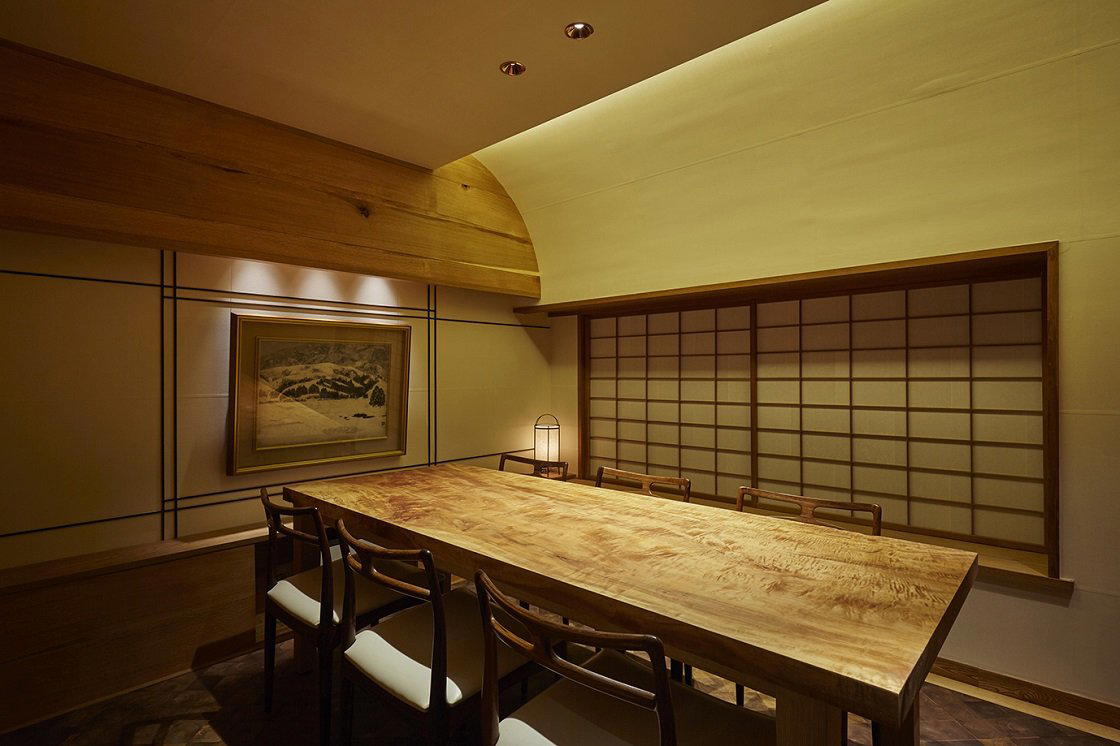




Bars in Osaka
Browse all →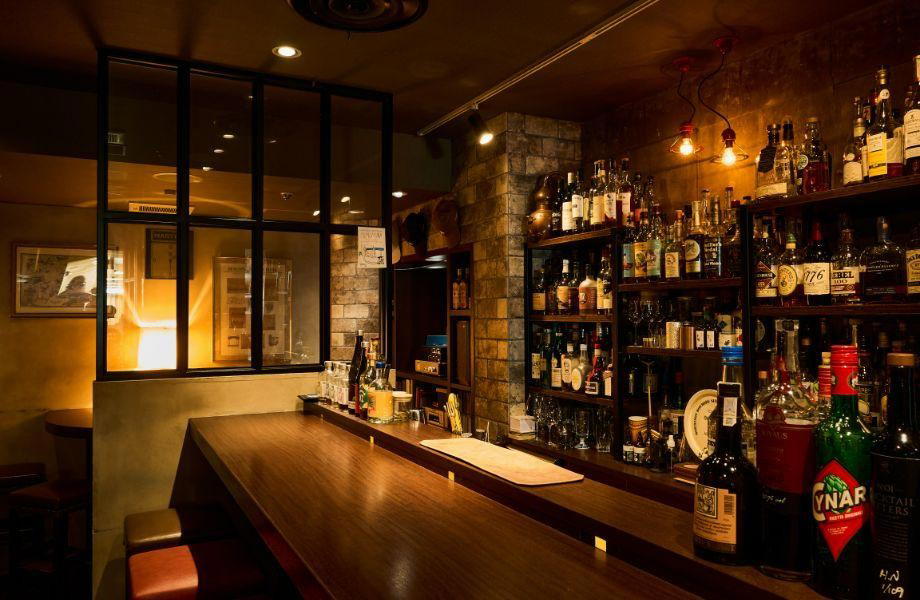
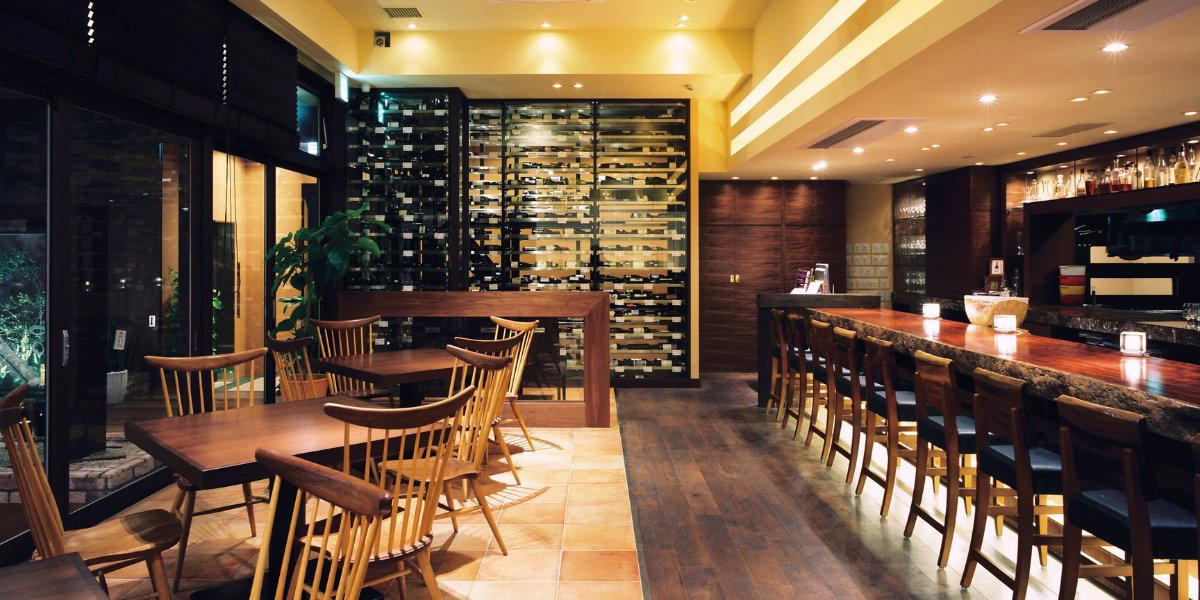

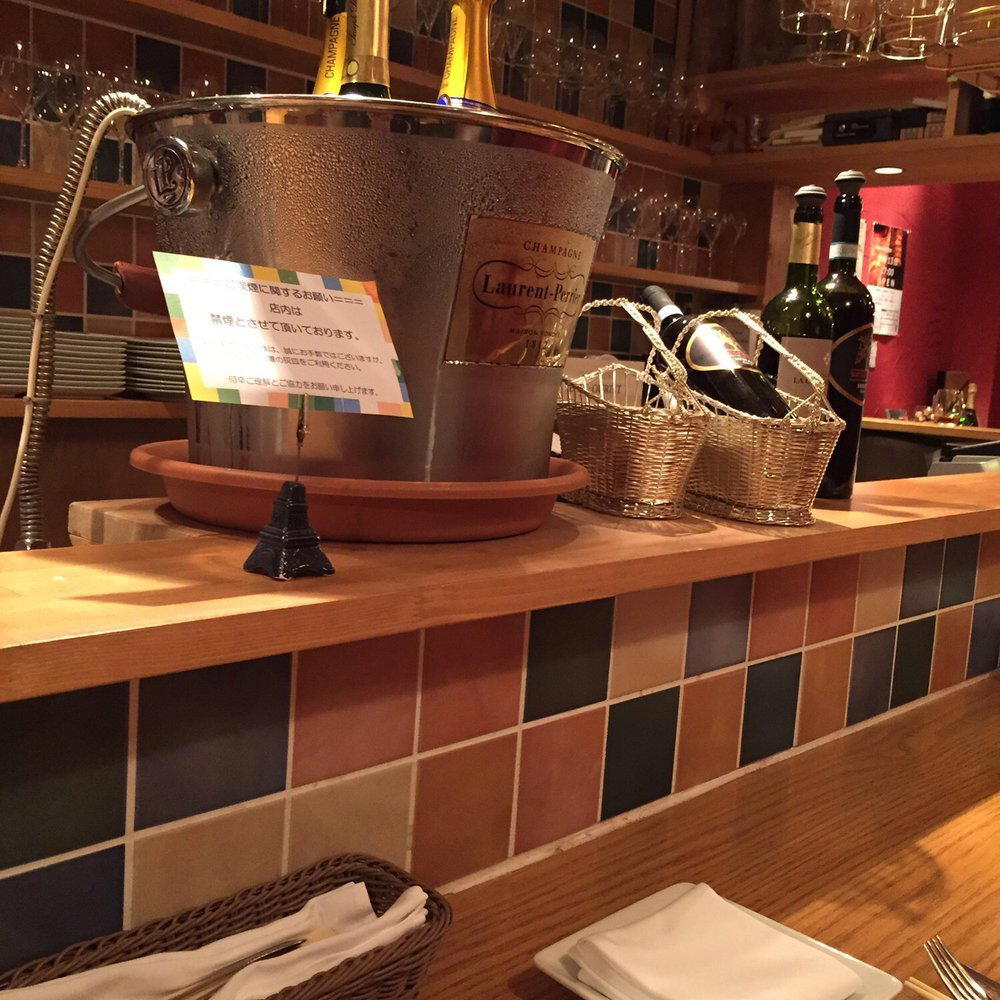

Hotels in Osaka
Browse all →

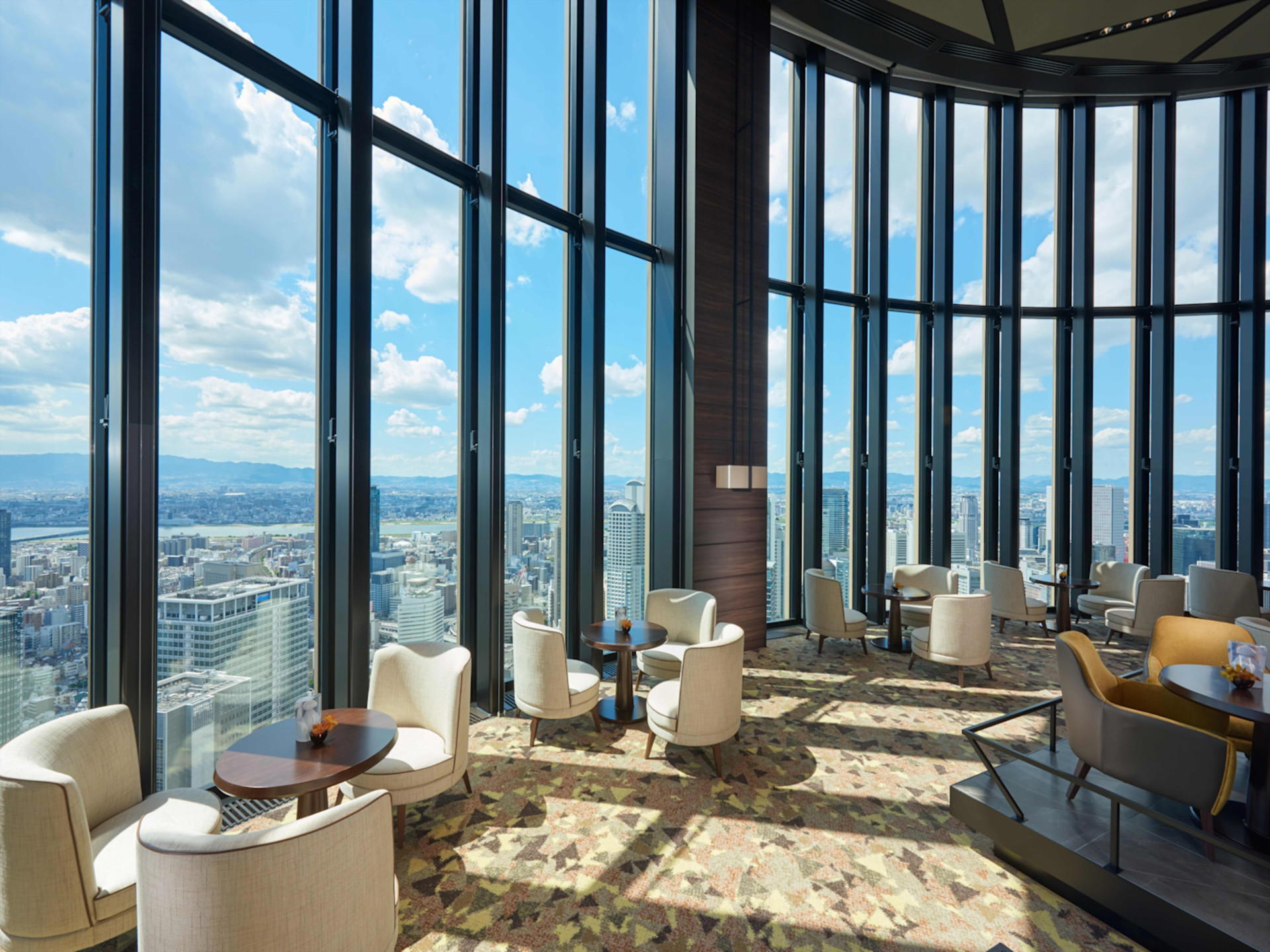


Wineries in Osaka
Browse all →
At a Glance
- Cozy
- Intimate
- Solo
- Casual Hangout
- After Work
- Family
- Chefs Counter
- Standalone
A snug 7‑seat counter-only ramen bar with a simple, low-key interior that feels like a neighborhood hideout; diners queue outside, then eat in a bright, functional space focused entirely on the bowl in front of them rather than décor.