Positioned along Toronto's eastern waterfront at 25 Dockside Drive, IRENE operates in a part of the city where dining options have historically lagged behind the neighbourhood's residential ambition. The address places it within the Canary District and West Don Lands corridor, a zone of ongoing urban development that has begun attracting serious culinary operators alongside its growing population.
Pearl is the En Primeur Club membership app — saves, bookings, and concierge access live there. Same editors, same standards.
- Address
- 25 Dockside Dr, Toronto, ON M5A 1B6, Canada
- Phone
- +16473441562
- Website
- fabrestaurants.ca
- Directions
- Get directions
 Saves & bookings on Pearl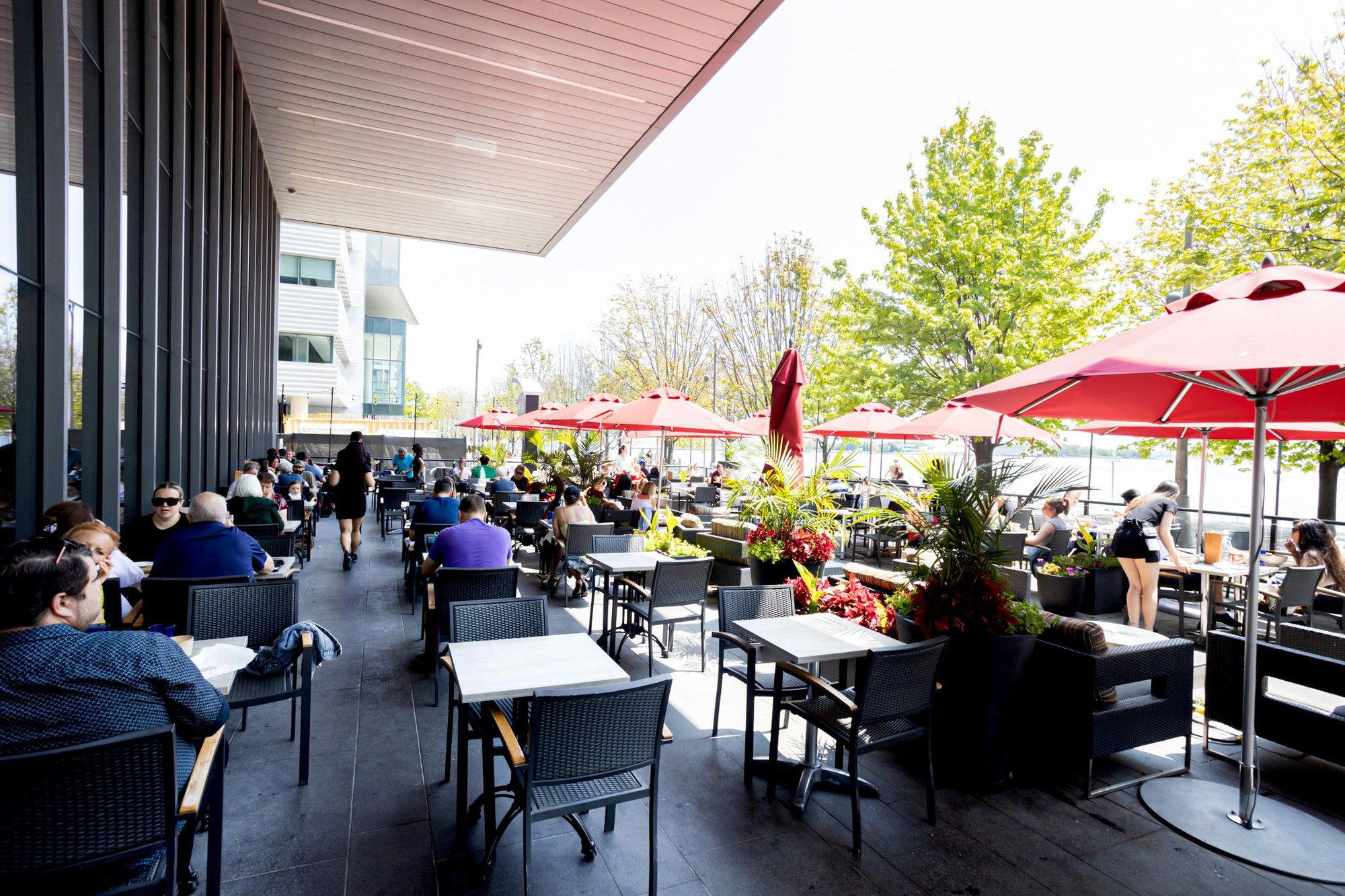
Where the City Meets the Water's Edge
Toronto's waterfront dining has long carried a reputation for uneven quality: tourist-volume restaurants occupying prime lakeside real estate while serious food programming concentrated further north and west. That equation has been shifting slowly, and the stretch of the city near Dockside Drive represents one of the more interesting pressure points in that shift. The area around 25 Dockside sits at the edge of the Canary District, a neighbourhood built on the infrastructure of the 2015 Pan Am Games athletes' village and now home to a residential density that is beginning to attract operators with genuine culinary ambition. IRENE is a Toronto restaurant serving Modern International Fusion at 25 Dockside Dr.
The physical approach matters here. Coming from the south end of Cherry Street or cutting through Corktown toward the water, the transition from older industrial Toronto to the newer streetscape of the West Don Lands is abrupt in a way that sharpens the senses. The architecture along this corridor is largely contemporary, glassed and low-rise, and it lacks the century-old texture of Kensington or the Annex. What it offers instead is a certain openness, a quality of light that comes off the lake and reflects differently depending on the season. In winter, that waterfront light is flat and grey; in late spring and through autumn, it turns the neighbourhood's clean lines into something more appealing. If there is a season to prioritise a visit to this part of Toronto, the window between May and October, when the water and the city feel briefly connected rather than opposed, is the more rewarding one.
Toronto's Dining Tier and Where IRENE Sits
Toronto has developed a recognisable upper tier of restaurants over the past decade, a cohort that competes on the same terms as serious dining rooms in New York, London, or Tokyo. Alo at the summit of that bracket has held consistent recognition and remains the benchmark against which contemporaries are measured. Sushi Masaki Saito and Aburi Hana occupy the Japanese omakase niche at comparable price points, while DaNico and Don Alfonso 1890 anchor the Italian side of the fine-dining conversation. IRENE's Dockside address places it outside the King West and Queen West corridors where most of that activity is concentrated, which is in itself an editorial statement about positioning.
The waterfront location means IRENE is drawing a different kind of foot traffic from the venues in the Entertainment District or Yorkville. Neighbourhood residents and destination diners both have reason to come here, but the walk-in culture that sustains busy urban restaurant blocks is largely absent. That dynamic tends to reward restaurants that build loyalty through the experience itself rather than through location adjacency to other high-traffic venues. Across Canadian cities, this pattern holds: Tanière³ in Quebec City and AnnaLena in Vancouver both demonstrate that serious dining rooms can anchor themselves in areas that require a degree of intent from the diner. The trip becomes part of the proposition.
The Sensory Register of the Space
What a room along the waterfront offers that midtown Toronto cannot is a particular quality of ambient sound. The city's ambient noise shifts character this close to the lake. There is less traffic density, fewer sirens cutting through conversation, a lower-register hum that makes interior acoustics feel less contested. Restaurants in this geography can function at a different volume than those packed into the hospitality corridors of the Entertainment District, and that has implications for how a meal is experienced across its full duration. At rooms designed for longer dining formats, the difference between a loud and a quiet room is not merely comfort: it is the difference between a meal as event and a meal as transaction.
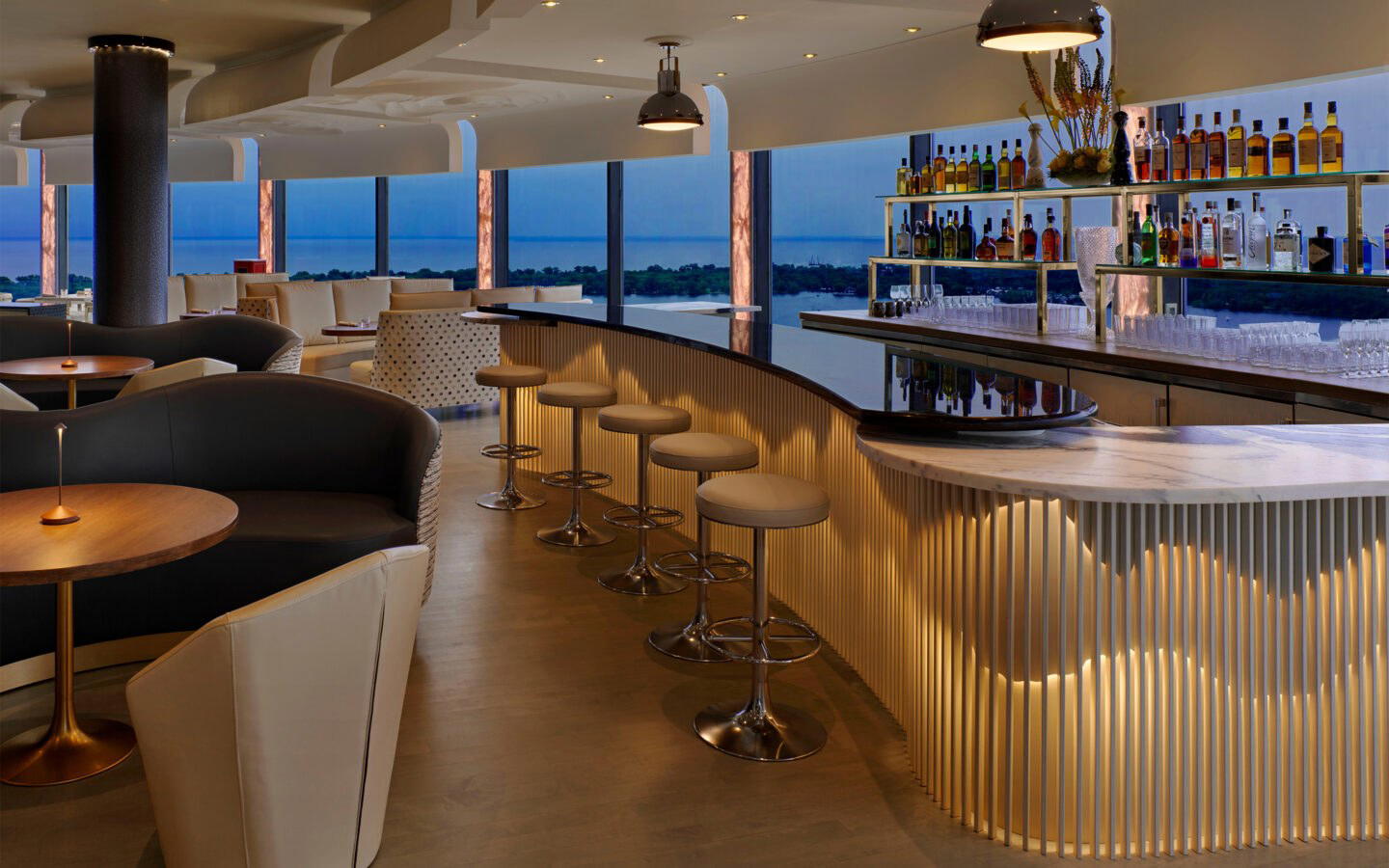
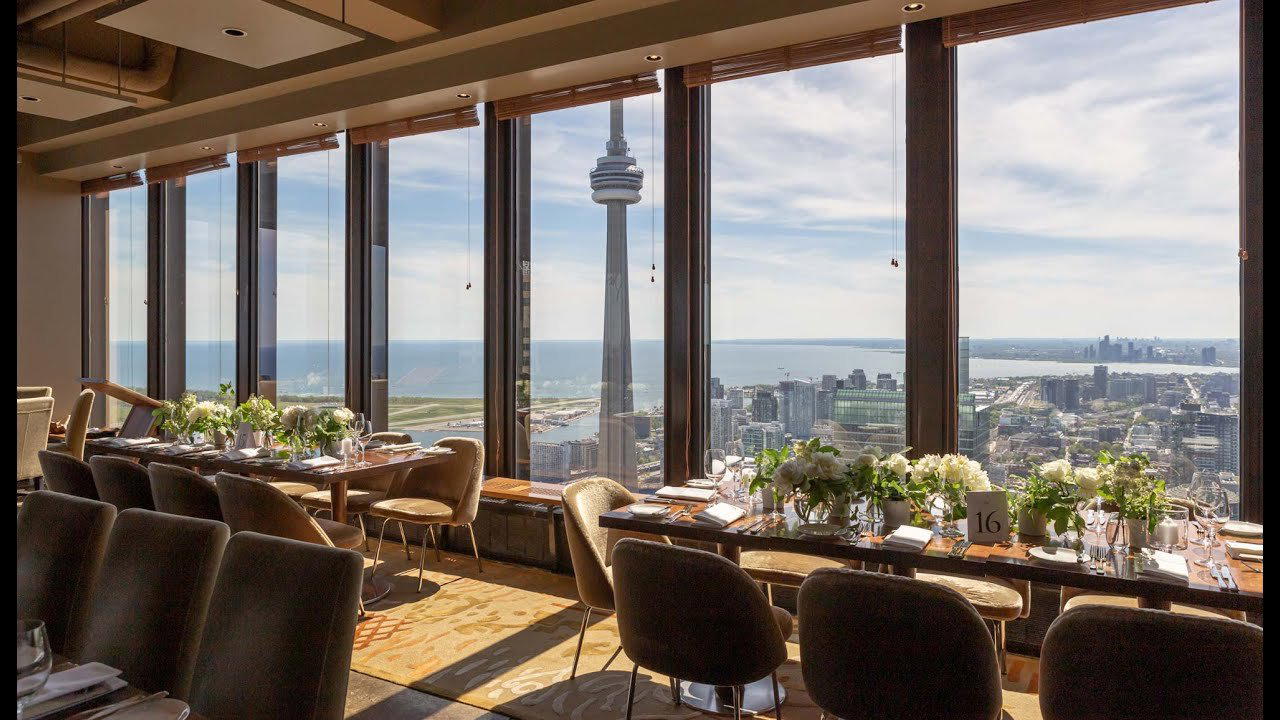
The visual register of the location carries similar weight. The Dockside Drive address looks out toward the water and toward the evolving skyline that Toronto's eastern waterfront is generating. In a city where premium dining views have typically meant either the CN Tower sightlines from Bremner Boulevard or the older Victorian streetscapes of Corktown, the glass-fronted architecture of the Canary District offers something genuinely different: a contemporary urban waterscape that reads as forward-facing rather than heritage-nostalgic.
Planning a Visit
Getting to 25 Dockside Drive from central Toronto is manageable by multiple routes. The 504 King streetcar and 501 Queen both connect to the neighbourhood, with a short walk south and east from the nearest stops. Cyclists will find the Martin Goodman Trail running directly along the waterfront, making it one of the more pleasant approaches in good weather. As with any waterfront destination in Toronto, building in extra time for the approach in late spring and summer, when the eastern waterfront path attracts significant pedestrian volume, is sensible.
Toronto's broader culinary geography extends well beyond the city itself, and IRENE's waterfront position places it at an interesting inflection point. For those building longer Canadian itineraries, Jérôme Ferrer's Europea in Montreal and Narval in Rimouski represent different registers of the national dining conversation. Closer to Toronto, Restaurant Pearl Morissette in Lincoln, The Pine in Creemore, and Eigensinn Farm in Singhampton anchor a regional circuit for those who want to extend the trip beyond the city. Further afield, Aux Anciens Canadiens in Quebec, Barra Fion in Burlington, and Bearspaw Golf Club in Calgary each represent distinct facets of how Canadian hospitality operates outside the major urban cores. For international comparisons in the fine-dining bracket, Le Bernardin in New York City and Atomix in New York City offer the closest peer-set reference points for what premium North American dining rooms are doing at this moment.
Comparable Options
Comparable venues nearby, for context on price, style, and recognition.
| Venue | Cuisine | Price | Notes |
|---|---|---|---|
| IRENEThis venue — the venue you are viewing | Modern International Fusion | $$$ | Not listed |
| L'Avenue | Quebec-Inspired Brunch | $$$ | Fashion District |
| Oretta Midtown | Modern Italian Trattoria | $$$ | Davisville Village |
| Il Ponte | Authentic Italian Cucina | $$$ | South Riverdale |
| Mezcalero | Modern Mexican Tapas & Mezcal Bar | $$$ | Annex |
| Arbequina | Modern Levantine | $$$ | North Parkdale |
Continue exploring
More in Toronto
Restaurants in Toronto
Browse all →
Bars in Toronto
Browse all →
Hotels in Toronto
Browse all →
Wineries in Toronto
Browse all →
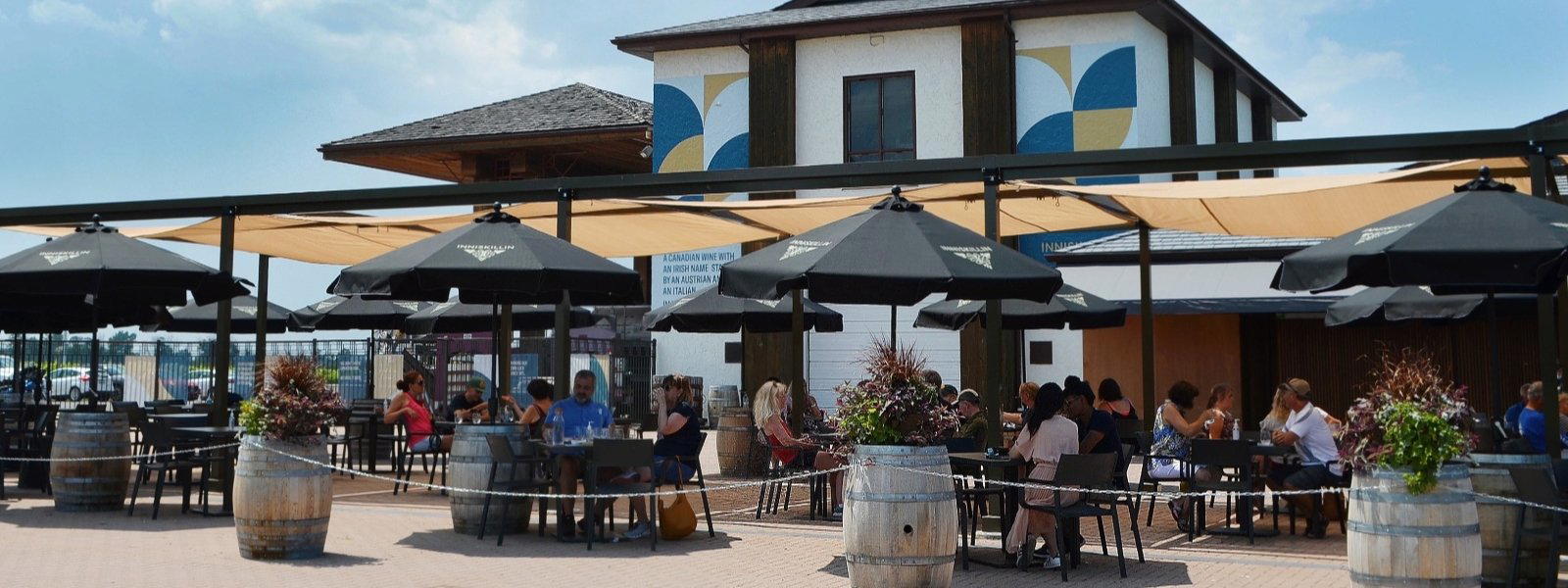
At a Glance
- Lively
- Scenic
- Trendy
- Group Dining
- Brunch
- Casual Hangout
- Waterfront
- Terrace
- Craft Cocktails
- Local Sourcing
- Waterfront
Current opening hours
- Monday
- 11:30 AM–8 PM
- Tuesday
- 11:30 AM–9 PM
- Wednesday
- 11:30 AM–9 PM
- Thursday
- 11:30 AM–10 PM
- Friday
- 11:30 AM–10 PM
- Saturday
- 11 AM–10 PM
- Sunday
- 11 AM–8 PM
Hours can change for holidays and private events. Last verified .
Lively and lively atmosphere with spectacular waterfront views, well-suited for casual social gatherings.