
A Michelin Plate-recognised address in the village of Inzlingen, Inzlinger Wasserschloss serves classic cuisine inside a historic water castle on the Swiss-German border. It occupies a price tier (€€€) that positions it clearly above casual regional cooking without reaching the four-figure tasting-menu bracket.
Pearl is the En Primeur Club membership app — saves, bookings, and concierge access live there. Same editors, same standards.
- Address
- Riehenstraße 5, 79594 Inzlingen, Germany
- Phone
- +49 7621 47057
- Website
- inzlinger-wasserschloss.de
- Directions
- Get directions
 Saves & bookings on Pearl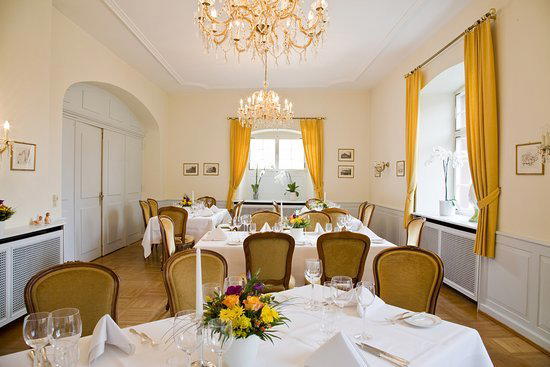
A Medieval Setting on the Swiss-German Border
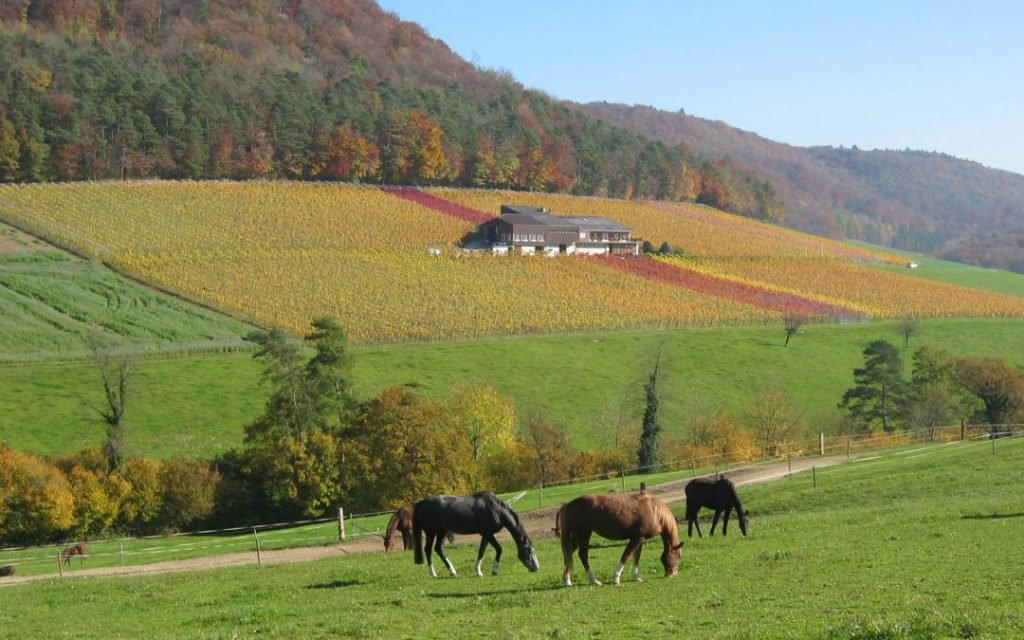
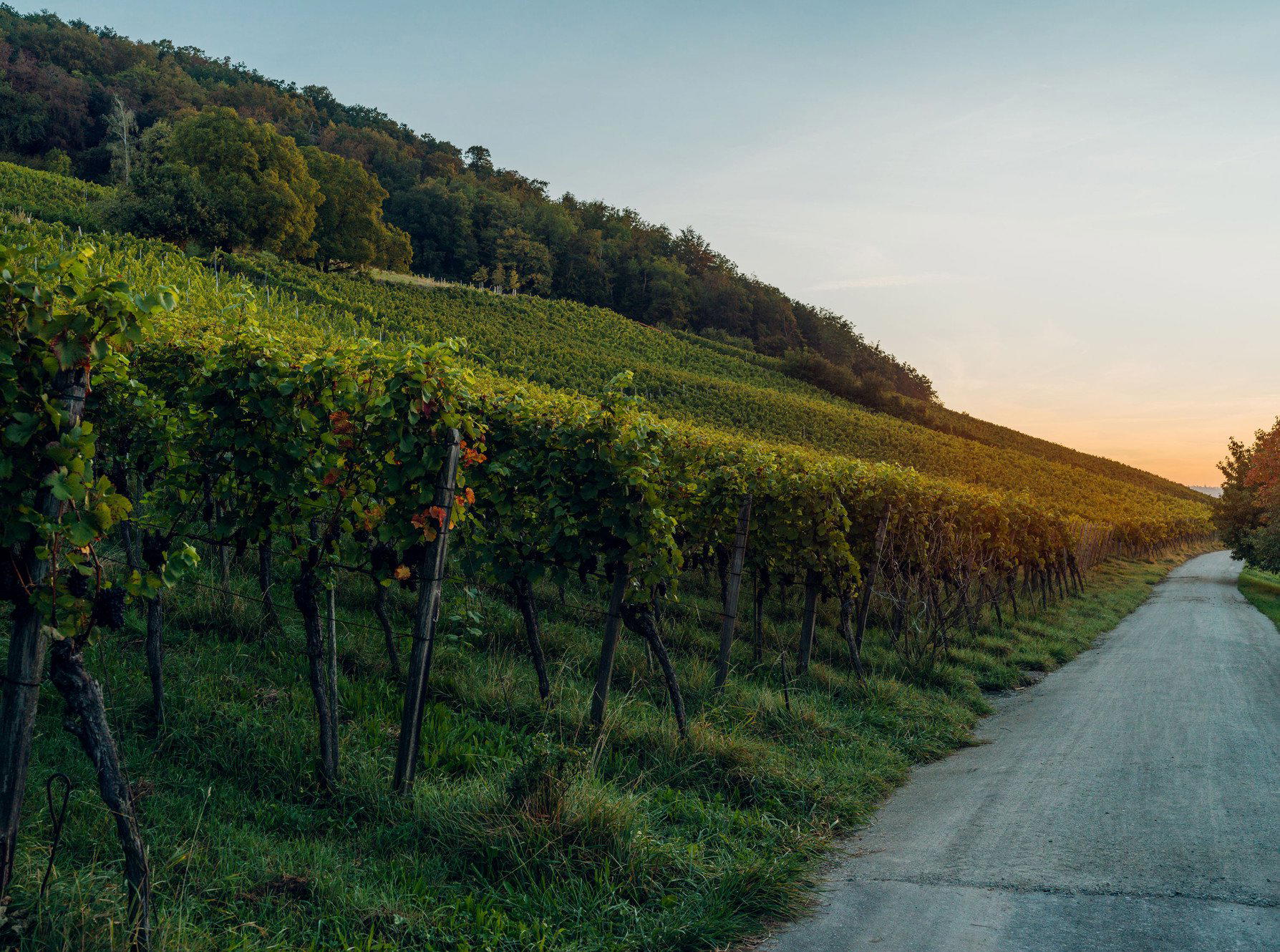
The road into Inzlingen from Basel runs through a range of low hills and vineyards where Germany narrows against the Swiss canton of Basel-Landschaft. The village is small enough that Wasserschloss — a moated water castle dating to the medieval period — functions as its most recognisable landmark long before it becomes a restaurant destination. Arriving here, the architecture does the first work: a squat, turreted structure reflected in standing water, the kind of setting that in France would anchor a Relais and Châteaux property and in Germany tends to attract either wedding parties or serious cooking. At Inzlinger Wasserschloss, the kitchen has earned the latter reputation.
Where the Plate Sits in Germany's Award Hierarchy
Germany's Michelin-recognised dining operates across a wide range. At the summit sit multi-starred addresses like Aqua in Wolfsburg and Schwarzwaldstube in Baiersbronn, both three-star institutions built around tasting menus priced at €€€€. Below that, two-star creative programs, CODA Dessert Dining in Berlin, Vendôme in Bergisch Gladbach, push format and ingredient logic into experimental territory. The Michelin Plate sits at a different level: it marks cooking that the guide's inspectors consider quality-consistent and worthy of attention, without the multi-course theatrical ambition of the starred tier. For a village restaurant in a border region with limited dining infrastructure, consecutive Plate recognition in 2024 and 2025 is a meaningful signal. It places Inzlinger Wasserschloss inside the inspector-vetted tier while keeping it accessible in format and price.
Among German restaurants working in classic cuisine at the €€€ price point, the reference set includes KOMU in Munich and, cross-border, Maison Rostang in Paris, both operating within a tradition that prizes technical foundation over conceptual novelty. Inzlinger Wasserschloss fits that orientation, drawing from classic European cooking grammar rather than the ingredient-as-concept approach of higher-starred contemporaries like JAN in Munich or ES:SENZ in Grassau.
Classic Cuisine in a Border Region: What the Sourcing Context Means
The Upper Rhine corridor between Freiburg, Basel, and the Alsace villages to the north is one of Central Europe's most agriculturally productive border zones. The proximity to France shapes culinary expectations on the German side in ways that don't apply further north: there is an embedded preference for classical technique, sauce-led cooking, and produce sourced across the border as naturally as from the local market. Restaurants in this corridor, including the nearby Krone with its farm-to-table orientation, tend to reflect a sourcing geography that treats the Rhine as a line on a map rather than a culinary boundary.
For classic cuisine at Wasserschloss, that geography matters. Classic European cooking at the €€€ tier depends heavily on ingredient quality to justify itself: the technical vocabulary, reductions, classical plating, composed garnishes, is well understood and widely deployed, so the distinguishing factor is almost always the provenance and handling of primary ingredients. A kitchen in this region has access to Alsatian producers, Swiss dairy suppliers, and the Black Forest's game and mushroom harvests within a radius that urban German restaurants cannot match.
The Setting as a Dining Argument
Water castles in Germany rarely function as fine-dining addresses. The building type, typically a fortified manor surrounded by a moat, more common in the lower Rhine regions than in the southwest, tends toward event hire or museum status. Inzlingen's example is an outlier in being an active restaurant destination rather than a converted backdrop. The physical experience of dining inside or alongside a structure of this age is not incidental to the offer; it is part of what positions the restaurant above a similarly priced modern dining room. Comparable historic-setting addresses in Germany, Waldhotel Sonnora in Dreis and Schanz in Piesport, both in wine-country settings with strong architectural character, demonstrate that physical context carries real weight in how a meal is experienced and remembered.
For visitors arriving from Basel (the nearest major city, approximately 15 kilometres to the south), the restaurant represents a considered excursion rather than a spontaneous dinner. That dynamic, destination dining in a village setting, suits the classic cuisine register well. The pace implied by the journey fits the pace implied by the cooking style.
Planning a Visit
Inzlingen sits in Baden-Württemberg's southernmost corner, close to the Swiss border and within driving distance of both Basel and Freiburg. The €€€ price positioning makes Wasserschloss accessible relative to the starred tier while remaining clearly above the casual regional bracket, budget accordingly for a two- or three-course meal with wine. Specific hours and booking channels are not listed here; the restaurant's current details are best confirmed directly before travel. For a broader view of the area's dining options, see our full Inzlingen restaurants guide. Visitors planning to stay overnight can consult our Inzlingen hotels guide, and those wanting to extend into the local drinking and wine scene will find relevant options in our bars guide, our wineries guide, and our experiences guide. Elsewhere in Germany's formally recognised dining tier, Restaurant Haerlin in Hamburg and Victor's Fine Dining by Christian Bau in Perl represent the starred end of the spectrum for travellers building a broader itinerary around serious German cooking.
Comparable Spots, Quickly
| Venue | Cuisine | Price | Awards |
|---|---|---|---|
| Inzlinger WasserschlossThis venue — the venue you are viewing | Classic Cuisine | €€€ | Michelin Plate (2025); Michelin Plate (2024) |
| Schwarzwaldstube | French, Classic French | €€€€ | Michelin 3 Star |
| Aqua | Contemporary German, Italian/Japanese, Creative | €€€€ | Michelin 3 Star |
| CODA Dessert Dining | Creative | €€€€ | Michelin 2 Star |
| Tantris | Modern French, French Contemporary | €€€€ | Michelin 2 Star |
| Vendôme | Modern European, Creative | €€€€ | Michelin 2 Star |
Recognition history
Dated appearances from independent guides and award organizations, with the underlying list record or original source where available.
Michelin Plate
Michelin · 2026 Michelin Plate
Michelin Plate
Michelin
Michelin Plate
Michelin
Continue exploring
More in Inzlingen
Restaurants in Inzlingen
Browse all →
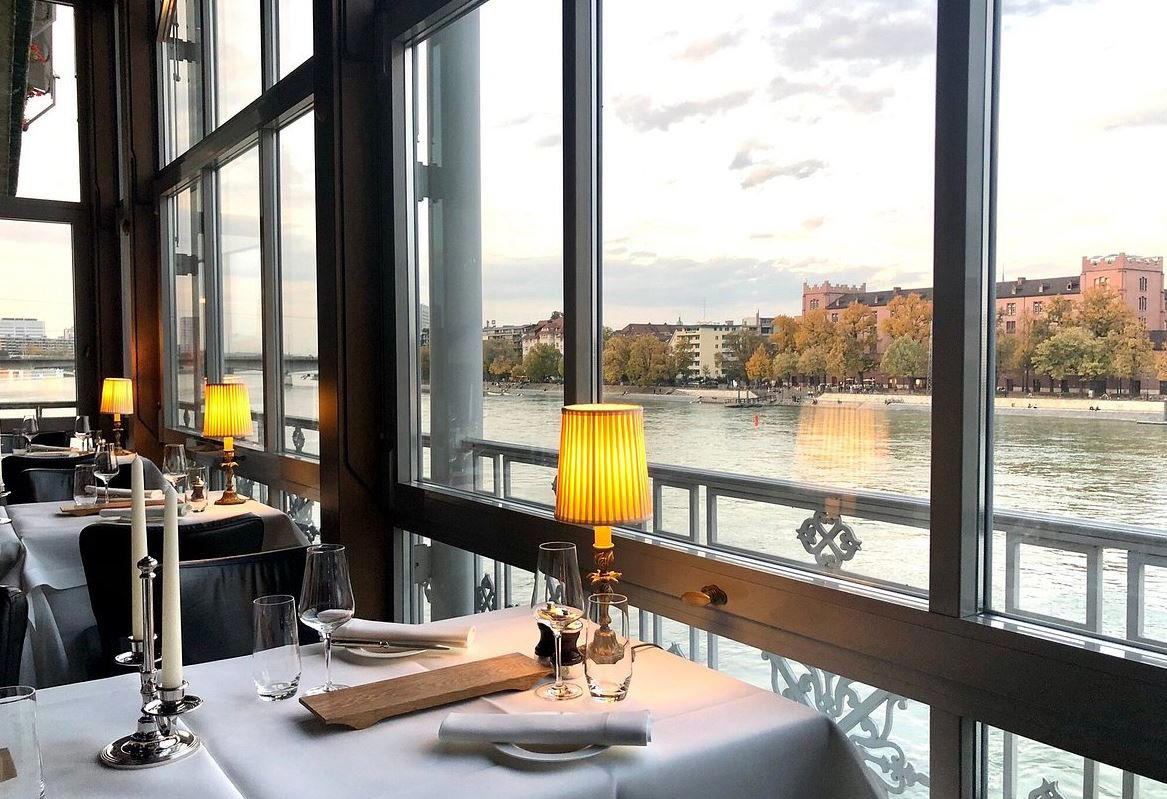
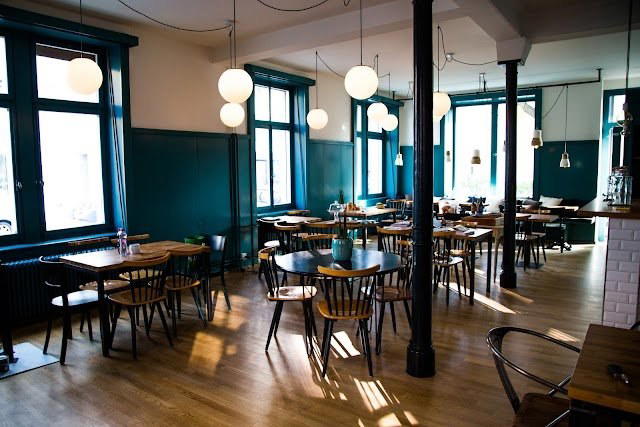
Bars in Inzlingen
Browse all →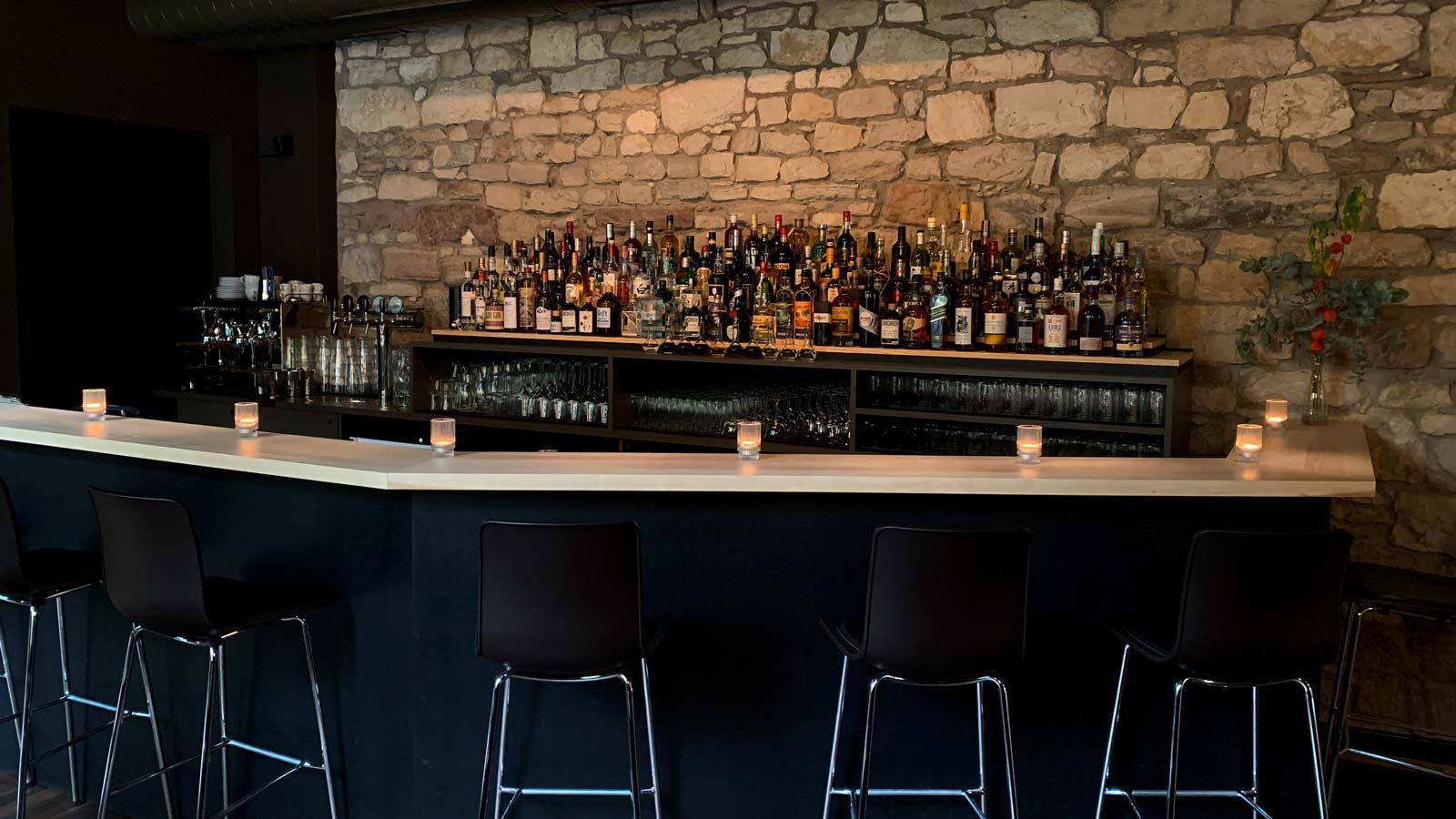
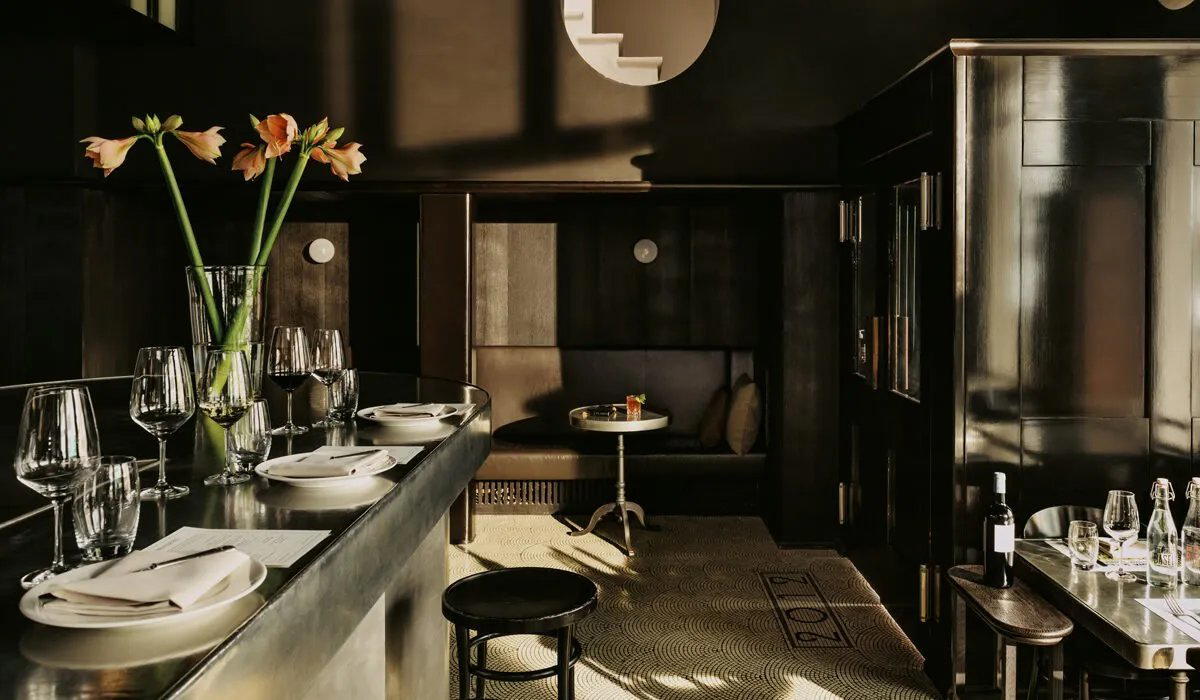
Hotels in Inzlingen
Browse all →

At a Glance
- Elegant
- Classic
- Scenic
- Cozy
- Date Night
- Special Occasion
- Historic Building
- Garden
- Extensive Wine List
- Local Sourcing
- Garden
Current opening hours
- Monday
- Closed
- Tuesday
- Closed
- Wednesday
- 12–3 PM, 6–11 PM
- Thursday
- 12–3 PM, 6–11 PM
- Friday
- 12–3 PM, 6–11 PM
- Saturday
- 12–3 PM, 6–11 PM
- Sunday
- 12–3 PM, 6–10 PM
Hours can change for holidays and private events. Last verified .
Elegant and bright interior in a historic castle setting, with a cozy garden for summer dining.