fine.wine.dine.

Michelin Plate
Our verdict
A Michelin Plate recipient in consecutive years (2024 and 2025), fine.wine.dine. brings farm-to-table discipline to the Rhine-border town of Bad Säckingen under chef David Holman. The €€€ price point sits a tier below the region's starred heavy-hitters, offering considered sourcing and seasonal cooking in a town better known for its medieval covered bridge than its restaurant scene.

Pearl is the En Primeur Club membership app, where members save venues, book tables and use the concierge.
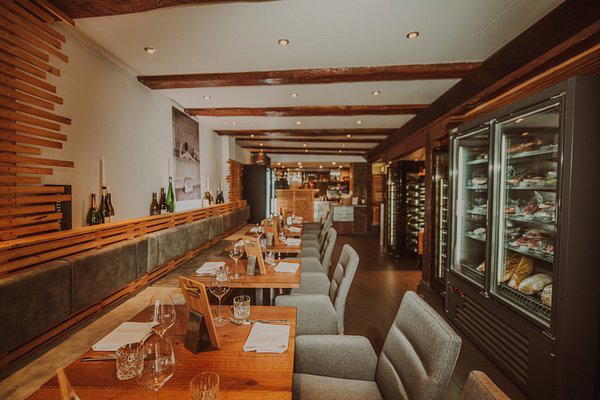
Where the Rhine Towns Earn Their Plates
Bad Säckingen sits on the southern edge of Baden-Württemberg, separated from Switzerland by the Rhine and from the Black Forest restaurant circuit by a stretch of road that most diners heading toward Schwarzwaldstube in Baiersbronn never bother to leave. The town is modest in scale, anchored by a 17th-century covered wooden bridge and a spa tradition that pulls a steady, local-leaning crowd rather than destination diners chasing tasting menus. It is, in short, not the obvious address for a restaurant that has earned the Michelin Plate in two consecutive years.
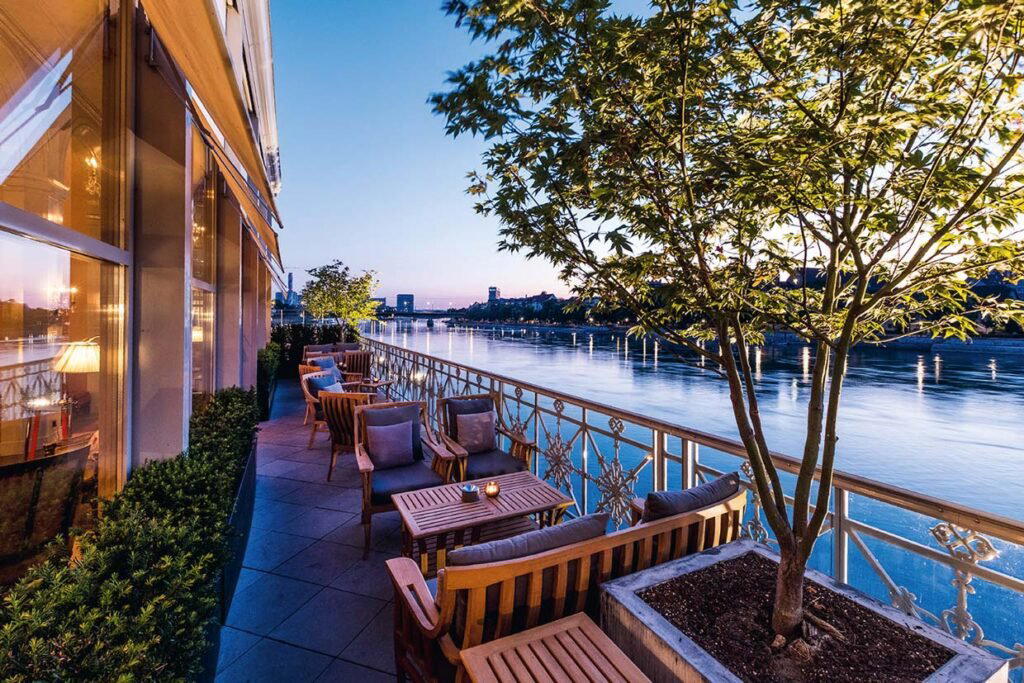
That is precisely what makes fine.wine.dine. worth attention. At Rheinbrückstraße 27, within reach of the riverside, the restaurant operates in a register that the surrounding town does not naturally broadcast. The Michelin Plate designation, awarded in both 2024 and 2025, signals that inspectors found cooking here worth documenting, a meaningful distinction in a region where the Michelin footprint is concentrated in Black Forest destinations and the larger cities to the north. For the broader picture of where to eat in this part of Germany, our full Bad Säckingen restaurants guide maps the field.
Farm-to-Table in a Region That Has Always Grown Its Own
The farm-to-table category carries different weight depending on geography. In Berlin or Munich, it signals a philosophy and a sourcing posture. In the Upper Rhine corridor, surrounded by smallholders and with Switzerland's agricultural density just across the water, sourcing proximity is less a statement and more a baseline reality. The interesting question for any farm-to-table restaurant operating here is not whether to source locally, of course you do, but what level of culinary elaboration you apply to that material.
Farm-to-table operations that have earned Michelin recognition in continental Europe tend to sit in a particular band: disciplined enough in technique to satisfy inspectors, but restrained enough in intervention to keep the produce at the centre. Au Gré du Vent in Seneffe and BOK Restaurant in Münster represent comparable positions in their respective markets, recognised but not starred, operating at a €€€ tier that allows serious cooking without the full formal apparatus of multi-course tasting menus. fine.wine.dine. occupies a similar coordinate.
David Holman and the Case for the Mid-Tier Table
Chef David Holman leads the kitchen. The editorial angle on Holman is not biographical, his training lineage is not in the public record in sufficient detail to draw precise comparisons, but his position is readable through the restaurant's output.
That conversation, at its upper end, runs through places like Aqua in Wolfsburg and Vendôme in Bergisch Gladbach, both operating at €€€€ with multiple Michelin stars. Holman is not in that company, nor is he positioned to be. The Michelin Plate places fine.wine.dine. in an intermediate tier, above the merely competent, not yet in the starred bracket, which is a legitimate and often more practically useful category for the travelling diner who wants quality without the full ceremony of a German Michelin occasion. Other German kitchens worth knowing in this broader context include JAN in Munich, ES:SENZ in Grassau, and Schanz in Piesport.
For a cook applying farm-to-table principles at this level, the seasonal calendar does most of the editorial work. Baden's growing calendar runs from asparagus in late April through stone fruit and wild herbs in summer into game and root vegetables through autumn. A kitchen anchored to that rhythm has strong material for most of the year, and a guest visiting at almost any point in the season will find the menu in dialogue with what the surrounding region is actually producing.
Pricing, Format, and the Competitive Set
At €€€, fine.wine.dine. occupies the middle band of the premium dining market. This is the tier where serious intent meets approachable entry, more expensive than a neighbourhood bistro, less than the full financial commitment of Germany's starred destinations. Restaurants at this level compete not just on food but on whether the overall experience, room, service, wine list, justifies the spend relative to simpler alternatives nearby.
The consistency reading is further reinforced by the back-to-back Michelin Plate awards: inspectors returned and found the same standard they had noted a year prior.
For context on Germany's more formally awarded tier, Restaurant Haerlin in Hamburg, Victor's Fine Dining by Christian Bau in Perl, and Waldhotel Sonnora in Dreis represent what the starred bracket looks like. CODA Dessert Dining in Berlin is a useful reference point for how creative German restaurants at the two-star level operate in a completely different format register.
Among Bad Säckingen's options, Genuss-Apotheke represents the creative end of the local scene, and together the two restaurants suggest that the town has more cooking ambition per capita than its spa-town reputation implies.
Planning Your Visit
fine.wine.dine. is at Rheinbrückstraße 27 in Bad Säckingen, a town accessible by rail on the High Rhine line connecting Basel and Waldshut-Tiengen. Given the Michelin recognition and the modest size implied by the town context, advance planning is sensible, particularly at weekends or during the warmer months when the Upper Rhine region draws visitors from both sides of the border.
For a complete orientation to what Bad Säckingen offers beyond the table, see our Bad Säckingen hotels guide, bars guide, wineries guide, and experiences guide.
Frequently asked questions
Does fine.wine.dine. work for a family meal?
At €€€, fine.wine.dine. sits at the higher end of Bad Säckingen's dining market, plausible for a special-occasion family dinner but not the default for a casual midweek outing with children. The Michelin Plate recognition in both 2024 and 2025 signals a kitchen operating with intent, which tends to shape the pace and tone of service. Consider it for a milestone rather than a routine family table.
Is fine.wine.dine. formal or casual?
Two consecutive Michelin Plates and €€€ pricing place fine.wine.dine. above the casual end of Bad Säckingen's restaurant scene, but the farm-to-table format typically carries a more grounded register than white-tablecloth fine dining. Think considered rather than ceremonial, the food takes the setting seriously, even if the room does not demand a jacket.
What awards or recognition does fine.wine.dine. have?
fine.wine.dine. has received recognition including: Michelin Plate (2025); Michelin Plate (2024).
What's the best thing to order at fine.wine.dine.?
What the dual Michelin Plate and farm-to-table designation together suggest is that the kitchen's strengths track the season, the Upper Rhine and Black Forest region gives Bad Säckingen access to produce cycles that change the menu's character across the year. Ordering whatever is most locally sourced at the time of your visit is the most defensible approach.
What's the cuisine at fine.wine.dine.?
fine.wine.dine.
What should I budget for a meal at fine.wine.dine.?
Pricing at fine.wine.dine. is listed as €€€.
Where do I go for fine.wine.dine.?
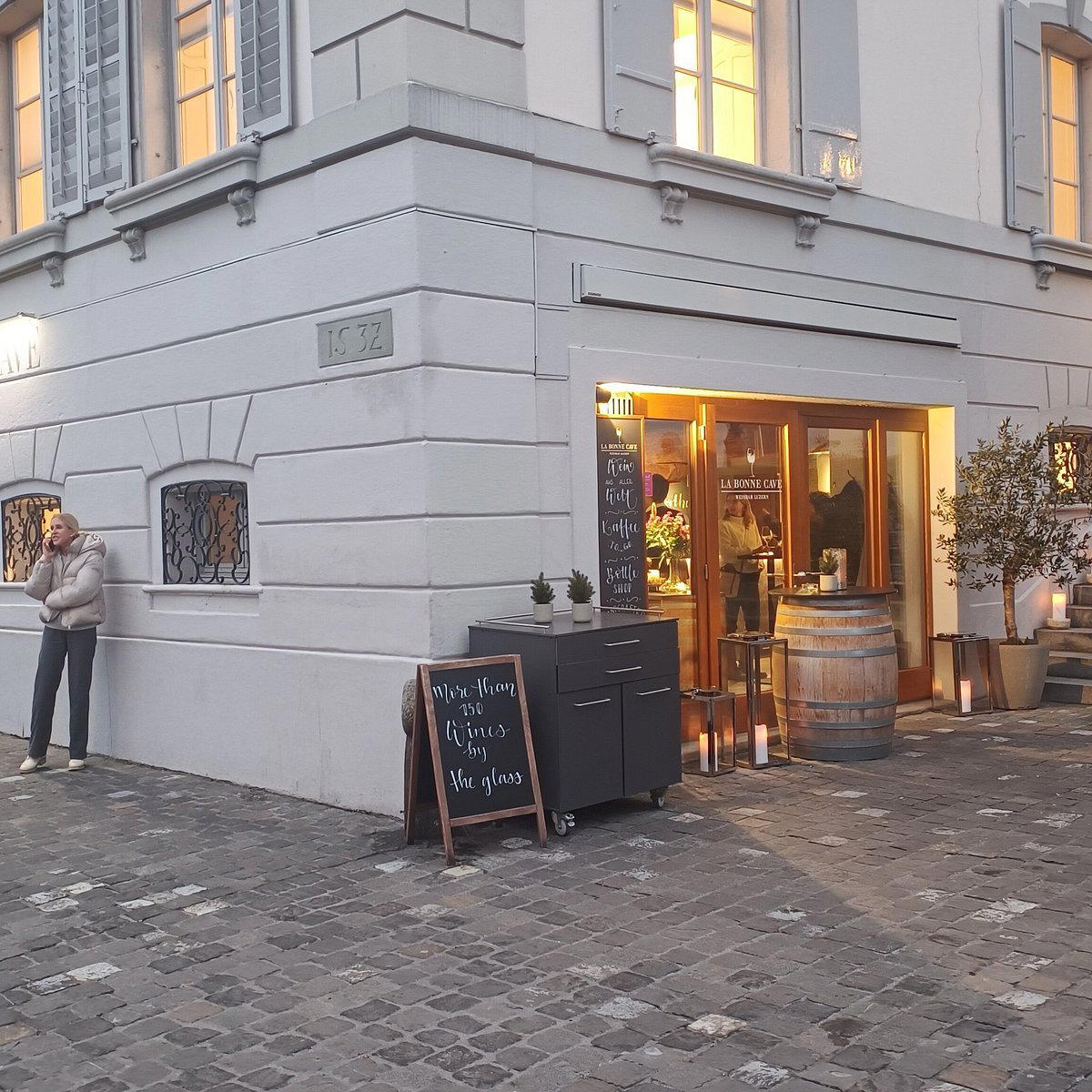
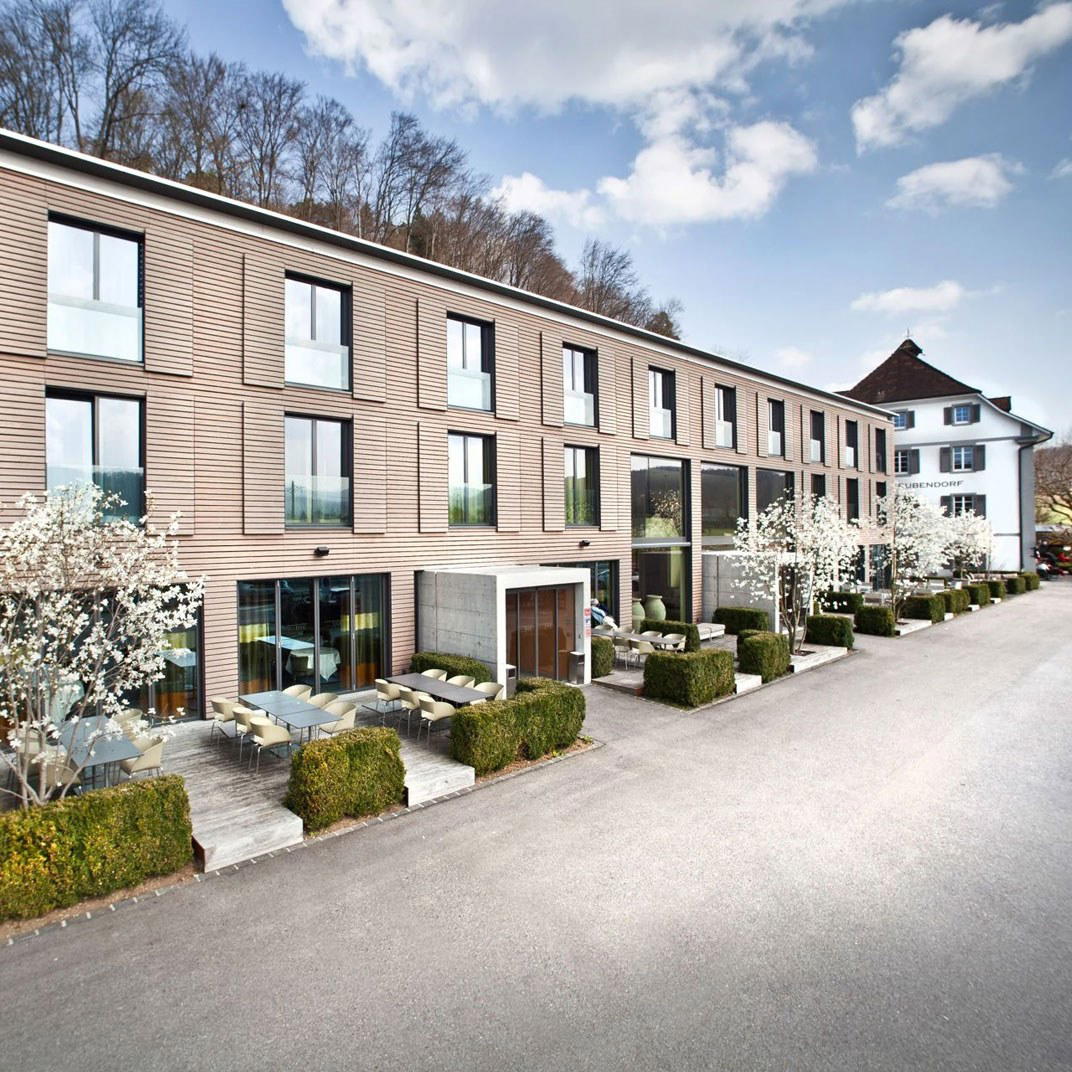
fine.wine.dine. is located at Rheinbrückstraße 27, 79713 Bad Säckingen, Germany, Bad Säckingen.
Comparable Spots, Quickly
| Venue | Cuisine | Price | Awards | Notes |
|---|---|---|---|---|
| fine.wine.dine.This venue (the venue you are viewing) | Seasonal European Fine Dining | $50–100 | Michelin Plate | Not listed |
| Schwarzwaldstube | Modern French Fine Dining | $150–200 | 3 Michelin Stars · World's 50 Best #47 | French, Classic French |
| Aqua | Contemporary German, Italian/Japanese, Creative | Not listed | Michelin 3 Star | Not listed |
| CODA Dessert Dining | Dessert-Inspired Fine Dining | $200–300 | 2 Michelin Stars · World's 50 Best #79 | Creative |
| Tantris | Modern French, French Contemporary | Not listed | Michelin 2 Star | Not listed |
| Vendôme | Modern German Haute Cuisine | $200–300 | 2 Michelin Stars · World's 50 Best #47 | Modern European, Creative |
Recognition history
Dated appearances from independent guides and award organizations, with the underlying list record or original source where available.
Michelin Plate
Michelin · 2026 Michelin Plate
Full recognition history (3 entries)
Michelin Plate
Michelin
Michelin Plate
Michelin
Continue exploring
More in Bad Säckingen
Restaurants in Bad Säckingen
All restaurants in Bad Säckingen →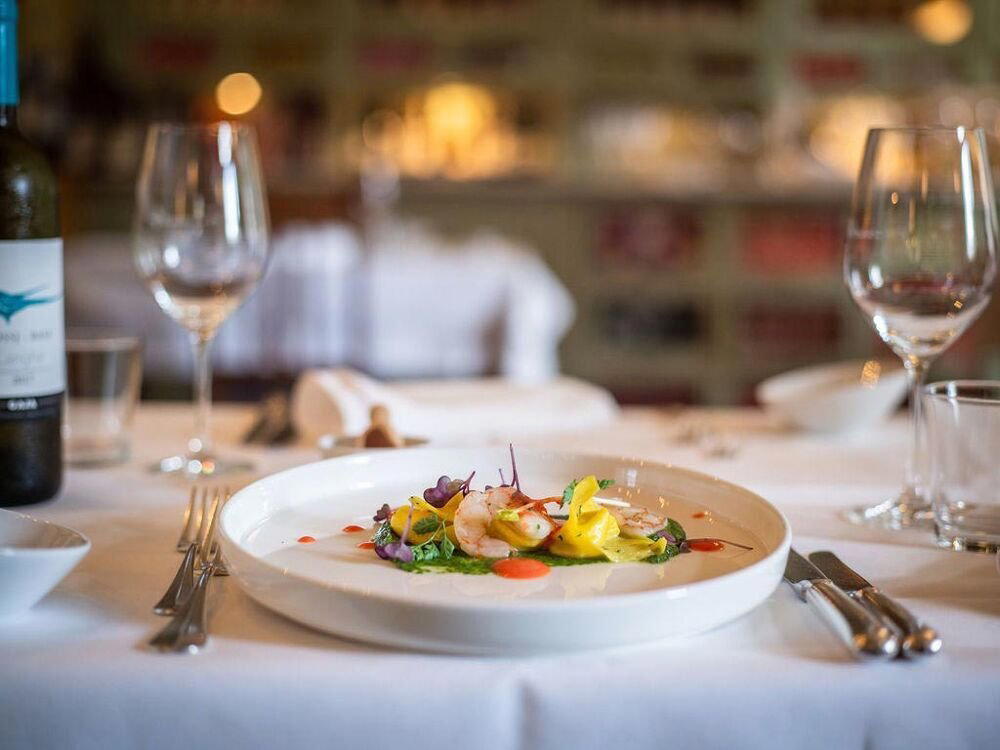
Bars in Bad Säckingen
Browse all →

Details
- Cozy
- Intimate
- Elegant
- Modern
- Sophisticated
- Date Night
- Special Occasion
- Wine Cellar
- Extensive Wine List
- Farm To Table
- Local Sourcing
- A La Carte
- Set Menu
- Small Plates
- Vegetarian Friendly
Current opening hours
- Monday
- Closed
- Tuesday
- 11 AM–3:30 PM
- Wednesday
- 11 AM–3:30 PM, 6:30–10:30 PM
- Thursday
- 11 AM–3:30 PM, 6:30–10:30 PM
- Friday
- 11 AM–3:30 PM, 6:30–10:30 PM
- Saturday
- 11 AM–3:30 PM, 6:30–10:30 PM
- Sunday
- Closed
Hours can change for holidays and private events. Last verified .
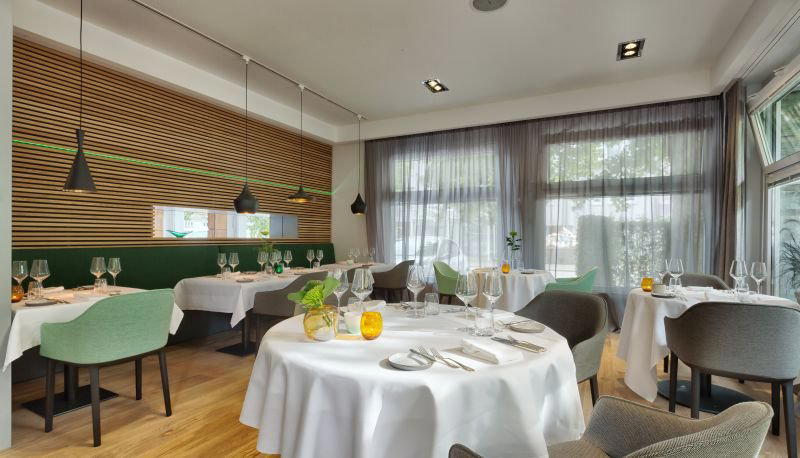
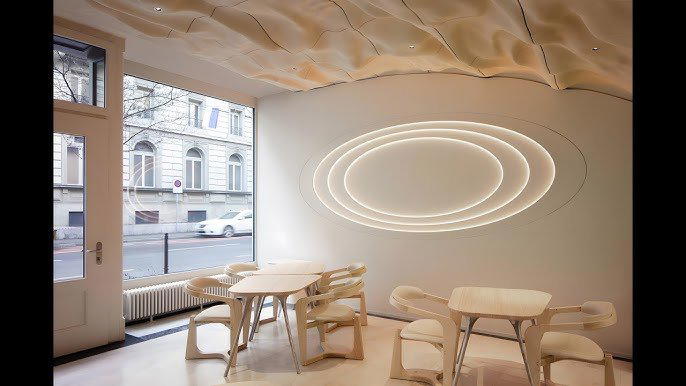
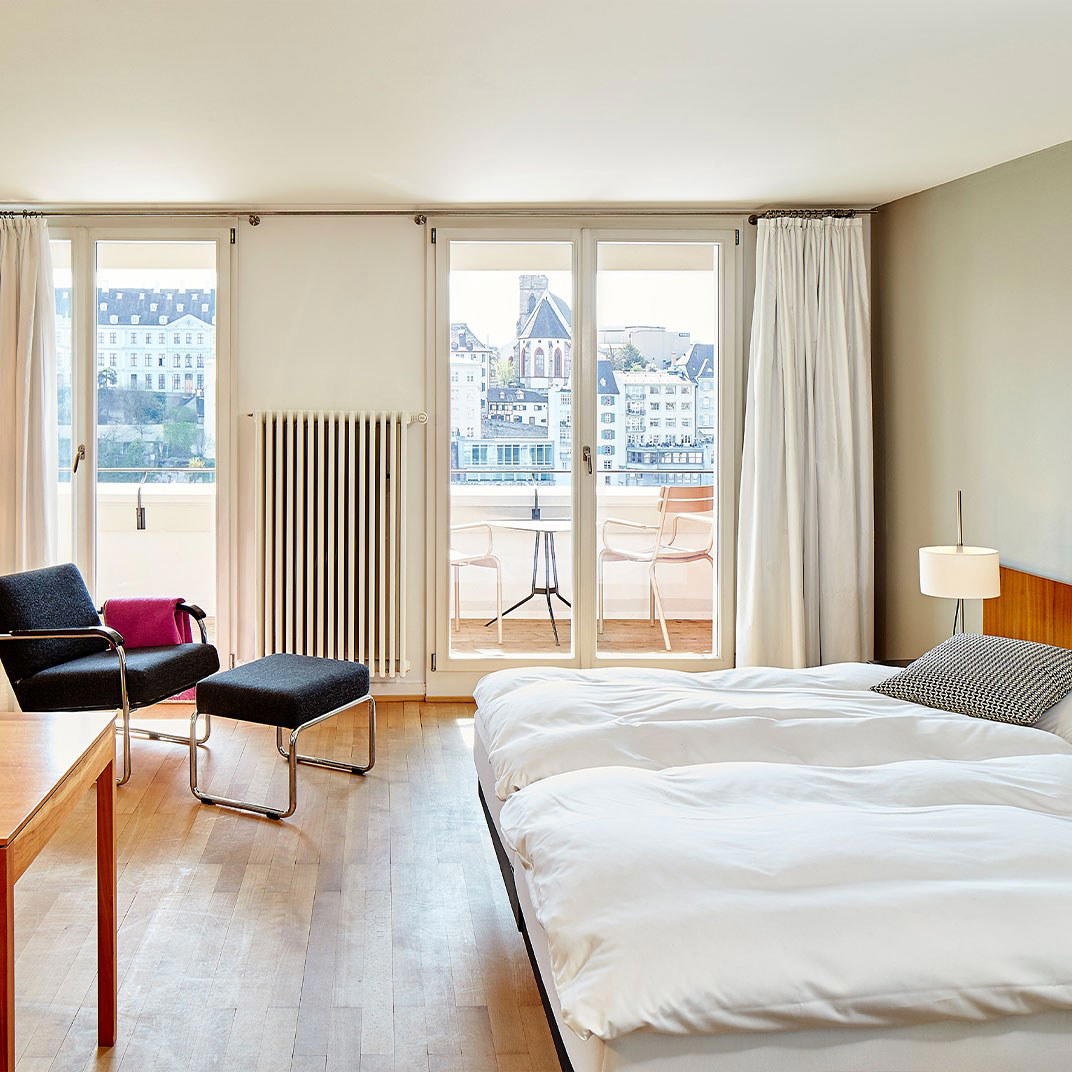
Cozy and elegant with warm lighting, beautifully furnished interior fostering relaxed, intimate conversations.