Cibar
On Irving Place in Gramercy, Cibar occupies a bar format that fits the neighbourhood's quieter, residential register, neither the high-decibel scene of the Meatpacking District nor the tourist-facing energy of Midtown. The space functions as a place to drink and linger rather than to be seen, which is a rarer proposition in Manhattan than it sounds.
Pearl is the En Primeur Club membership app — saves, bookings, and concierge access live there. Same editors, same standards.
- Address
- 56 Irving Pl, New York, NY 10003
- Phone
- +12124605656
- Website
- cibarnyc.com
- Directions
- Get directions
 Saves & bookings on Pearl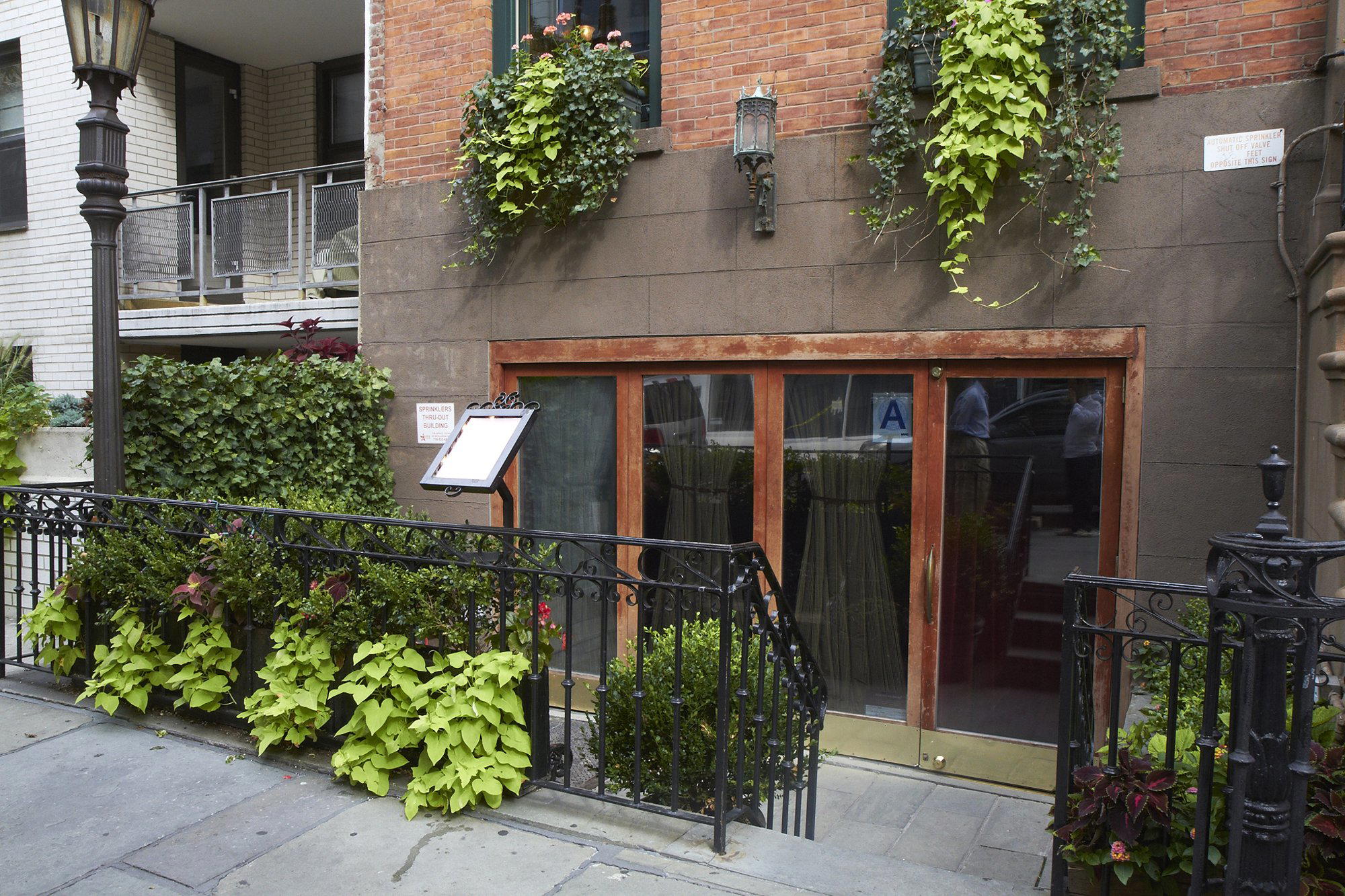
Irving Place and the Quiet Bar
Gramercy has always operated on a different frequency from the rest of Manhattan's bar culture. The neighbourhood lacks the tourist pressure of Midtown and the scene-chasing energy of the Lower East Side, which means the bars that take root here tend to reflect the preferences of people who actually live nearby rather than people passing through. On Irving Place, that character is particularly concentrated: a short, tree-lined stretch between 14th and 19th Streets that has maintained a residential composure through decades of citywide transformation. Cibar, at number 56, belongs to that street's particular sensibility.
Irving Place itself is the kind of address that rewards orientation. It sits a short walk from Gramercy Park, one of the few private parks left in Manhattan, and the low-rise buildings along the strip have largely resisted the redevelopment pressure that has remade comparable blocks in Flatiron and Chelsea. For a bar, this matters: the surrounding architecture sets the expectation for what happens inside. You do not arrive at Irving Place looking for spectacle. You arrive looking for a drink in a room that holds its shape.
The Physical Container
In the broader shift of New York bar design, the dominant moves of the last decade have been toward either transparent technical programs with clinical, pared-back interiors or maximalist theatricality designed to photograph well. Cibar's address and register position it outside both trends. The Irving Place location places it in the tradition of the neighbourhood bar as a fixed, unhurried institution rather than a rotating concept.
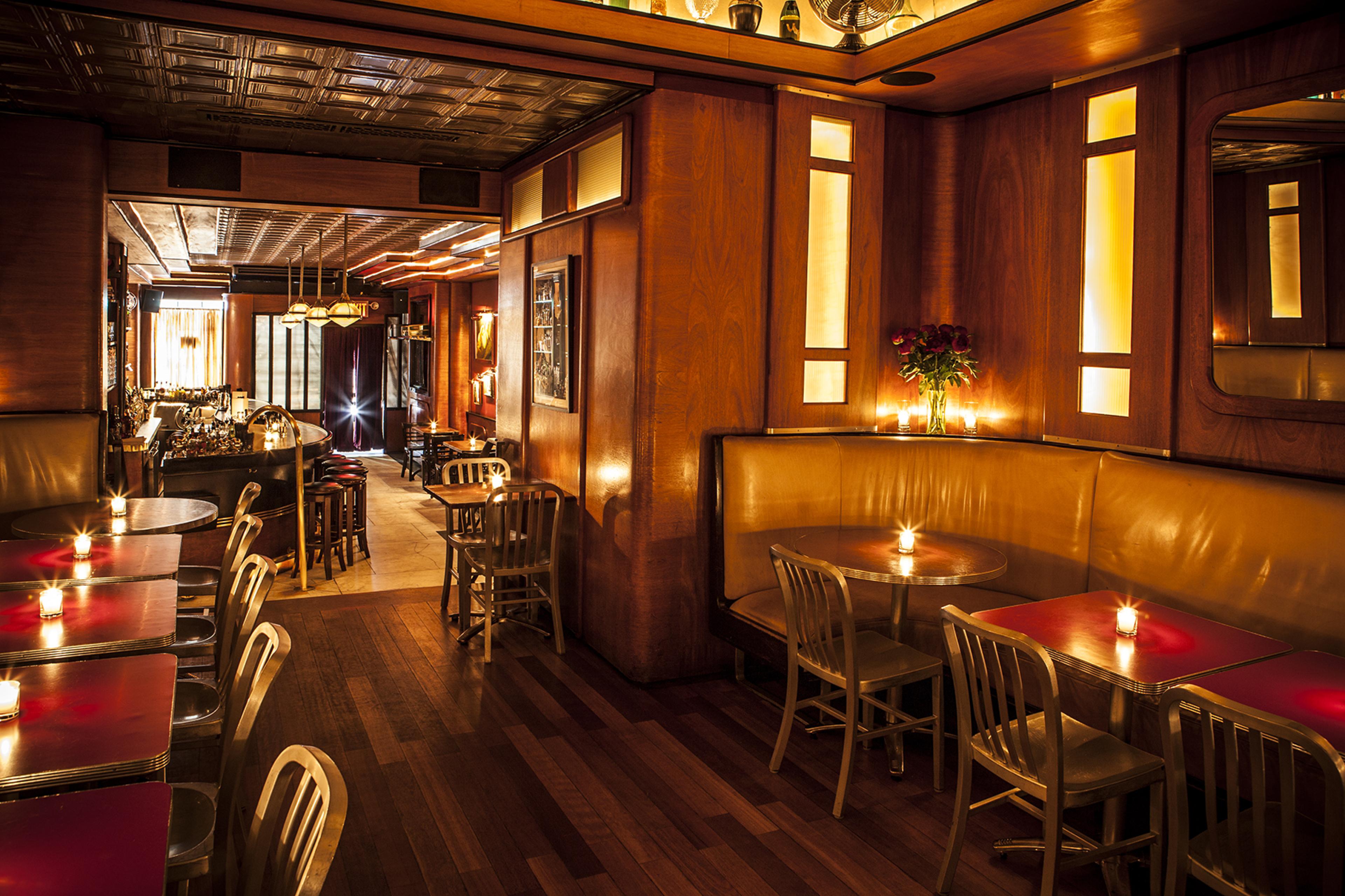
The design question that matters most in a bar of this type is whether the physical space creates conditions for staying rather than arriving and leaving quickly. In Gramercy's residential bar tier, the answer tends to involve low lighting, seating arrangements that allow for two-person or small-group conversations without acoustic interference, and a room scale that does not overwhelm. These are the spatial conditions that distinguish a drinking room from a drinking corridor. Bars that get this right hold their regulars for years; those that do not cycle through crowds without accumulating any particular loyalty.
Interior architecture in this category also signals something about pace. A bar built around the idea of the long evening does not need high ceilings or an open floor plan designed for efficient throughput. It needs a room that feels complete at low occupancy, because the first hour before a crowd arrives will reveal whether the space has genuine character or relies on density to manufacture atmosphere. Particularly durable bars in Manhattan's quieter neighbourhoods share this quality: they work at 30% capacity as well as at full house.
Where Cibar Sits in the New York Bar Picture
New York's bar culture has fragmented sharply by neighbourhood and format. At one end of the price tier, hotel bars and destination cocktail programs at venues in the West Village, NoMad, and Midtown command prices that compete with a glass of wine at Le Bernardin or a course at Atomix. At the other end, dive bars in Bushwick and Ridgewood operate on a completely different logic. The middle tier, the neighbourhood bar with a considered drinks program and a loyal residential following, is actually the scarcest format per capita in a city where rents push operators toward either maximising throughput or charging premium prices to survive.
Gramercy's position in that middle tier is well-established. The neighbourhood has never been a nightlife destination in the way that the East Village or the West Village are, which insulates it from the venue churn that affects more trafficked areas. Bars here that survive more than a few years tend to do so because they become genuinely embedded in the daily patterns of people who live within a few blocks. That longevity is the neighbourhood bar's primary credential, more meaningful in many ways than a spirits award or a mention in a year-end roundup.
For comparison, the highest-concentration cocktail programs in Manhattan right now, the kind with fermentation projects, house-made bitters, and tasting-menu bar formats, operate in a different competitive set entirely, closer in spirit to Eleven Madison Park or Per Se than to a Gramercy local. Cibar's positioning is not in that bracket. It is in the bracket where the question is whether the room is worth returning to, not whether the bartender can explain a 14-step clarification process.
Across the United States, bars that occupy this mid-tier neighbourhood role in cities with strong residential dining cultures, think Smyth's broader Fulton Market neighbourhood in Chicago or the quieter residential zones near Lazy Bear in San Francisco, tend to share a common set of attributes: they are not primarily defined by their food program, they are not chasing reservation demand, and they measure success by return visits rather than covers. The format is simple but hard to sustain well.
The Gramercy Drinking Hour
Timing matters at a bar like this. Gramercy's residential character means the bar's busiest periods align with neighbourhood rhythms rather than city-wide nightlife patterns. Early weekday evenings, when Midtown empties and people return to the blocks around Gramercy Park, are the period when a bar on Irving Place is most itself: a place for the end of a working day rather than the beginning of a night out. Weekend evenings bring a wider draw, but the core identity is still defined by proximity and habit.
That temporal specificity is worth noting for anyone planning a visit. Arriving mid-evening on a Tuesday or Wednesday gives you the bar at its most settled. The room works differently on a Friday at 10pm, as any Gramercy bar does.
Know Before You Go
Address: 56 Irving Place, New York, NY 10003
Neighbourhood: Gramercy, Manhattan
Format: Neighbourhood bar
Reservations: Recommended
Price tier: About $35 per person
Getting there: The L train at 14th Street and Union Square (4/5/6/N/Q/R/W) are both within walking distance of Irving Place
Peers in This Market
Comparable venues nearby, for context on price, style, and recognition.
| Venue | Cuisine | Price | Notes |
|---|---|---|---|
| CibarThis venue — the venue you are viewing | Cocktail Lounge with Light Bites | $$$ | Not listed |
| Brindle Room | British-leaning Gastropub | $$$ | East Village |
| Market Table | Seasonal Farm-to-Table American | $$$ | West Village |
| The Mary Lane | Seasonal New American | $$$ | West Village |
| VALERIE | Modern American with Asian Influences | $$$ | Midtown-Times Square |
| Au Cheval | American Comfort Food & Burgers | $$$ | Tribeca-Civic Center |
Continue exploring
More in New York City
Restaurants in New York City
Browse all →
Bars in New York City
Browse all →
Hotels in New York City
Browse all →




At a Glance
- Romantic
- Intimate
- Cozy
- Elegant
- Date Night
- After Work
- Casual Hangout
- Celebration
- Group Dining
- Late Night
- Live Music
- Private Dining
- Historic Building
- Craft Cocktails
- Extensive Wine List
Current opening hours
- Monday
- Closed
- Tuesday
- 5:30 PM–12 AM
- Wednesday
- 5 PM–12 AM
- Thursday
- 5 PM–12 AM
- Friday
- 5 PM–1 AM
- Saturday
- 6 PM–2 AM
- Sunday
- Closed
Hours can change for holidays and private events. Last verified .
Dark and exotic with a welcoming, inviting atmosphere; dimly lit with a sophisticated yet relaxed vibe that feels mysterious and charming.