Benares
Benares occupies a specific address in Tribeca's dining corridor at 45 Murray Street, placing it within one of New York City's most competitive neighbourhoods for serious restaurant-going. The name references the ancient Indian city of Varanasi, signalling a culinary orientation toward the subcontinent's deeper traditions rather than the generic curry-house format that still dominates much of the city's Indian dining offer.
Pearl is the En Primeur Club membership app — saves, bookings, and concierge access live there. Same editors, same standards.
- Address
- 45 Murray St, New York, NY 10007
- Phone
- +12127664900
- Website
- benaresnyc.com
- Directions
- Get directions
 Saves & bookings on Pearl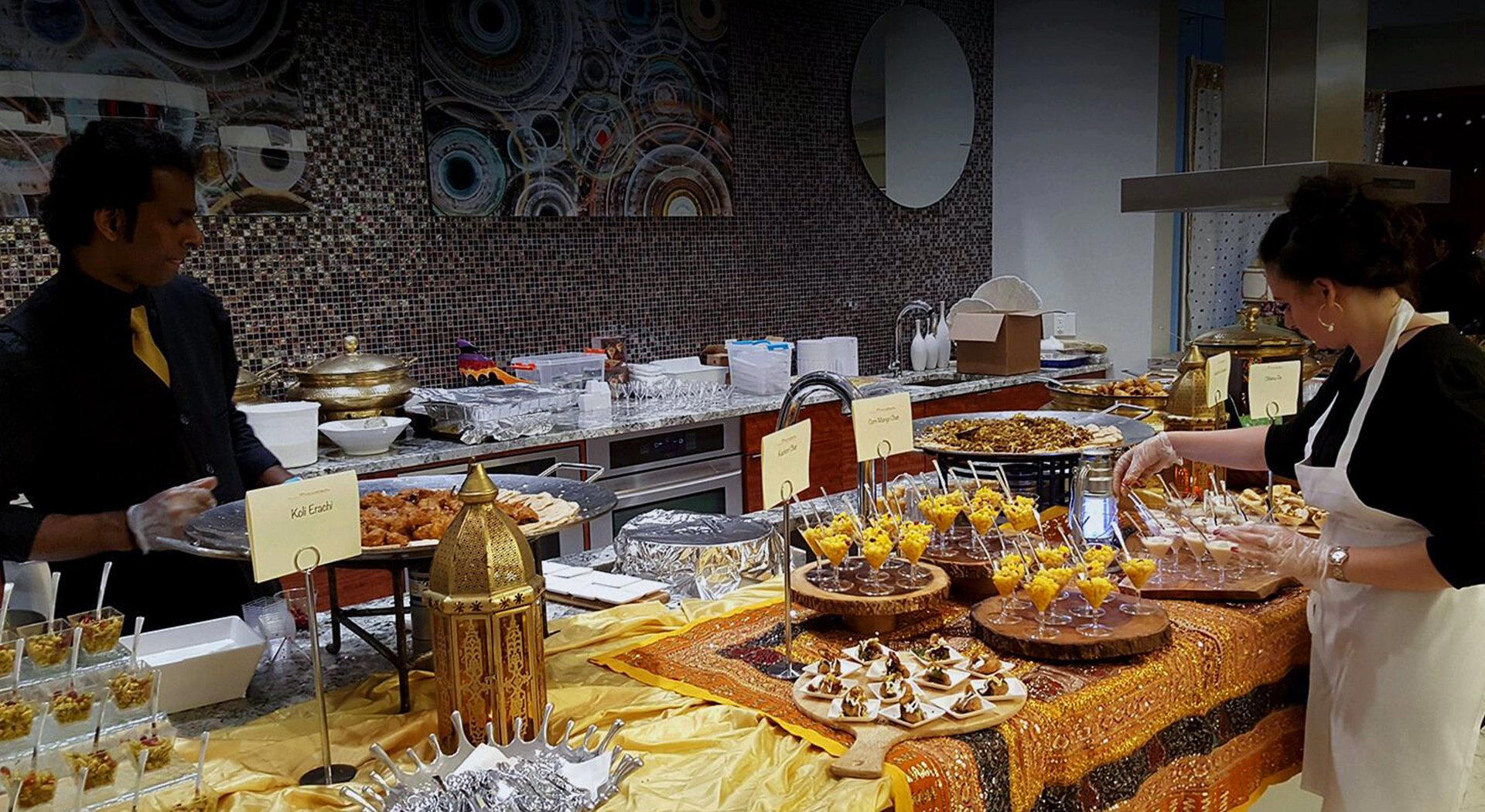
Tribeca's Indian Dining Tier, and Where Benares Sits
Indian cuisine in New York City has long occupied a split market. At one end, the East Village and Curry Hill corridors offer accessible, high-volume service at moderate price points. At the other, a smaller cohort of restaurants has spent the past decade pushing subcontinental cooking into the same conversation as the city's French and Japanese fine-dining institutions. The address at 45 Murray Street places Benares firmly in Tribeca, a neighbourhood whose restaurant population trends toward the latter category. Benares is a modern Indian tandoori restaurant in New York City, located at 45 Murray St and priced around $50 per person. Tribeca diners who also frequent Le Bernardin or Per Se are accustomed to paying for precision and provenance, and the neighbourhood's implicit expectations shape how any serious restaurant positions itself. A restaurant named after Varanasi, one of the oldest continuously inhabited cities on earth, is making a statement about depth over novelty.
That positioning matters because Indian fine dining in New York is still a niche rather than a category. Compared to the critical mass of high-end Japanese counters, from Masa downward, or the French tasting-menu circuit anchored by Eleven Madison Park, the number of Indian restaurants operating at the upper price tier remains small. That scarcity cuts two ways: it reduces competitive pressure, but it also means each restaurant in the tier carries disproportionate representational weight for an entire culinary tradition. Benares enters that context at Murray Street, in a neighbourhood that will judge it by the same standards applied to any serious dining destination.
The Lunch vs. Dinner Divide in Tribeca
In Tribeca, the gap between lunch and dinner service is pronounced. The neighbourhood's daytime population is dominated by finance professionals from the surrounding blocks, and lunch services at serious restaurants here tend to run tighter, faster, and at lower average spend than their evening counterparts. Dinner, by contrast, draws diners who have made a deliberate choice to cross into lower Manhattan for the evening, a decision that implies higher expectations and longer dwell time. For a restaurant like Benares, that divide shapes everything from pacing to portion philosophy.
Indian cuisine has its own internal logic around meal timing. The subcontinent's lunch tradition, particularly in northern cities, runs toward larger, grain-centred meals, dal, rice, bread, with protein as a supporting element. Evening service in a fine-dining context tends to allow more latitude for complex preparations, slower braises, and multi-course formats that communicate ambition. The question for any Indian restaurant operating in a high-expectation neighbourhood is whether the lunch offer is disciplined enough to hold the attention of a time-pressured daytime crowd while the dinner format justifies the evening decision for a diner who might otherwise be at Atomix or considering a longer journey to Blue Hill at Stone Barns.
Nationally, this lunch-dinner tension is one of the defining strategic questions for restaurants in dense urban markets. Smyth in Chicago and Lazy Bear in San Francisco have both built formats that resolve the tension by eliminating lunch service altogether, concentrating resources on a single evening offer. Providence in Los Angeles takes a different approach, maintaining both services with distinct menu structures. Which direction a restaurant chooses signals something about its priorities and its read of its own neighbourhood.
The Varanasi Reference and What It Implies
The name Benares carries specific culinary associations. Varanasi's food culture is rooted in its position as a pilgrimage city, which historically meant a predominantly vegetarian tradition built around the Ganges ghats and the temple economy. Street-level Banarasi food, chaat, kachori, lassi, tamatar chaat, is particularly technically specific regional cooking in northern India. It is also almost entirely plant-based. A restaurant invoking that heritage in a New York fine-dining context is signalling, at least nominally, an engagement with vegetarian depth rather than treating vegetable dishes as secondary to meat preparations.
That signal matters for the vegetarian question, which is not a minor one in New York's current dining climate. Restaurants that have built serious vegetarian programs, including Eleven Madison Park with its fully plant-based menu, have demonstrated that the format can hold critical attention at the highest tier. Indian cuisine, with its millennia-long vegetarian tradition, is better equipped than most Western culinary frameworks to deliver that depth without compromise. Whether Benares pursues that thread with the specificity the name implies is the editorial question worth asking.
Lower Manhattan as a Dining Address
Murray Street sits in a pocket of lower Manhattan that benefits from the cumulative gravity of Tribeca's dining reputation while remaining just far enough south to feel distinct from the neighbourhood's more trafficked restaurant corridors. For visitors approaching from midtown or from transit hubs, it is a deliberate destination rather than a casual discovery. That geography enforces a certain quality of guest: people who come to 45 Murray Street have looked it up. The same dynamic operates at higher-profile addresses elsewhere in the US, from The French Laundry in Napa to The Inn at Little Washington, where location itself is part of the commitment a diner makes. Closer to home, Addison in San Diego, Frasca Food and Wine in Boulder, and Emeril's in New Orleans all occupy addresses that require similar deliberateness. Single Thread Farm in Healdsburg and Atelier Moessmer Norbert Niederkofler in Brunico push that logic to its geographical extreme. Dal Pescatore in Runate operates on similar terms in the Italian context. In each case, the address is a filter as much as a location.
Planning Your Visit
Address: 45 Murray Street, New York, NY 10007. Neighbourhood: Tribeca, lower Manhattan. Reservations: recommended. Walk-ins: Availability depends on service period; daytime service in Tribeca typically carries more walk-in flexibility than Friday or Saturday evening. Dress: smart casual. Budget: about $50 per person.
In Context: Similar Options
Comparable venues nearby, for context on price, style, and recognition.
| Venue | Cuisine | Price | Notes |
|---|---|---|---|
| BenaresThis venue — the venue you are viewing | Modern Indian Tandoori | $$$ | Not listed |
| Dishoom | Bombay-inspired Indian café | $$$ | Lower Manhattan |
| Fonty’s Deli + Dukaan | Indian-ish Sandwiches | $$ | West Village |
| Vatan | Gujarati Vegetarian Thali | $$ | Murray Hill-Kips Bay |
| Ahimsa | Authentic Indian Vegetarian | $$ | Murray Hill-Kips Bay |
| Malai Marke | Modern Regional Indian | $$ | East Village |
Continue exploring
More in New York City
Restaurants in New York City
Browse all →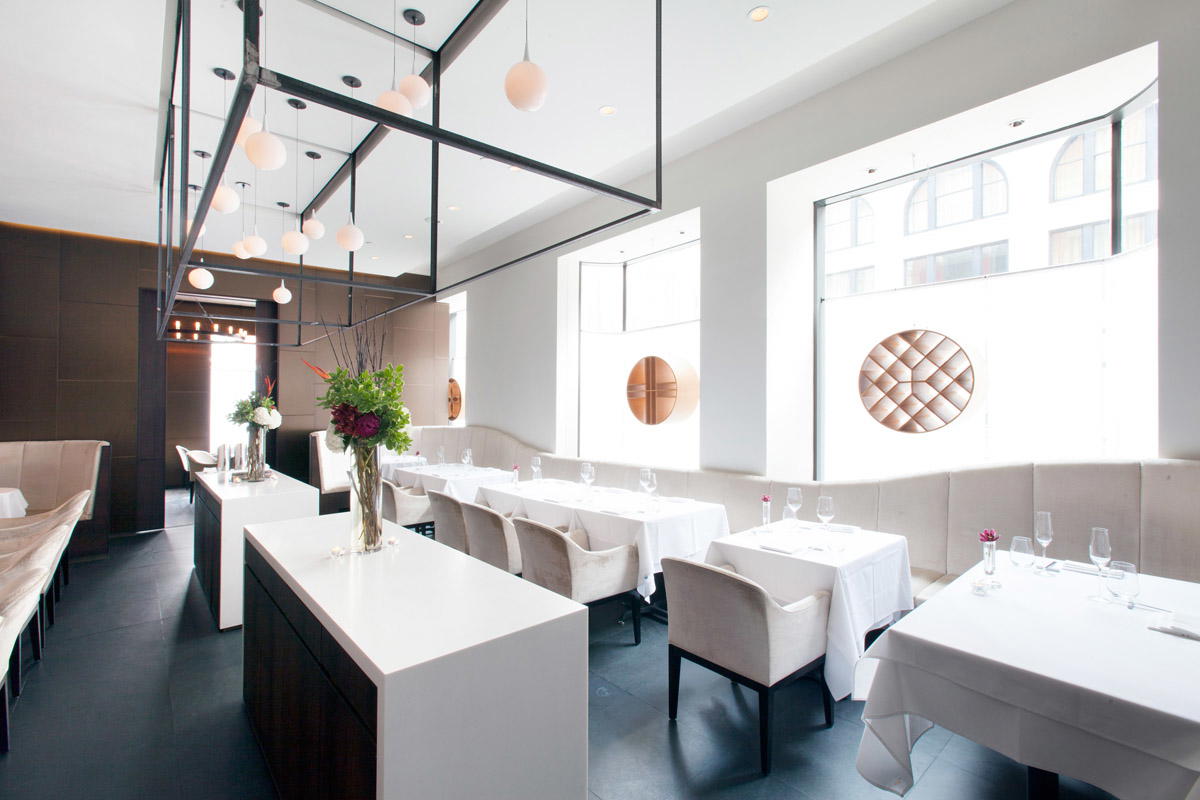
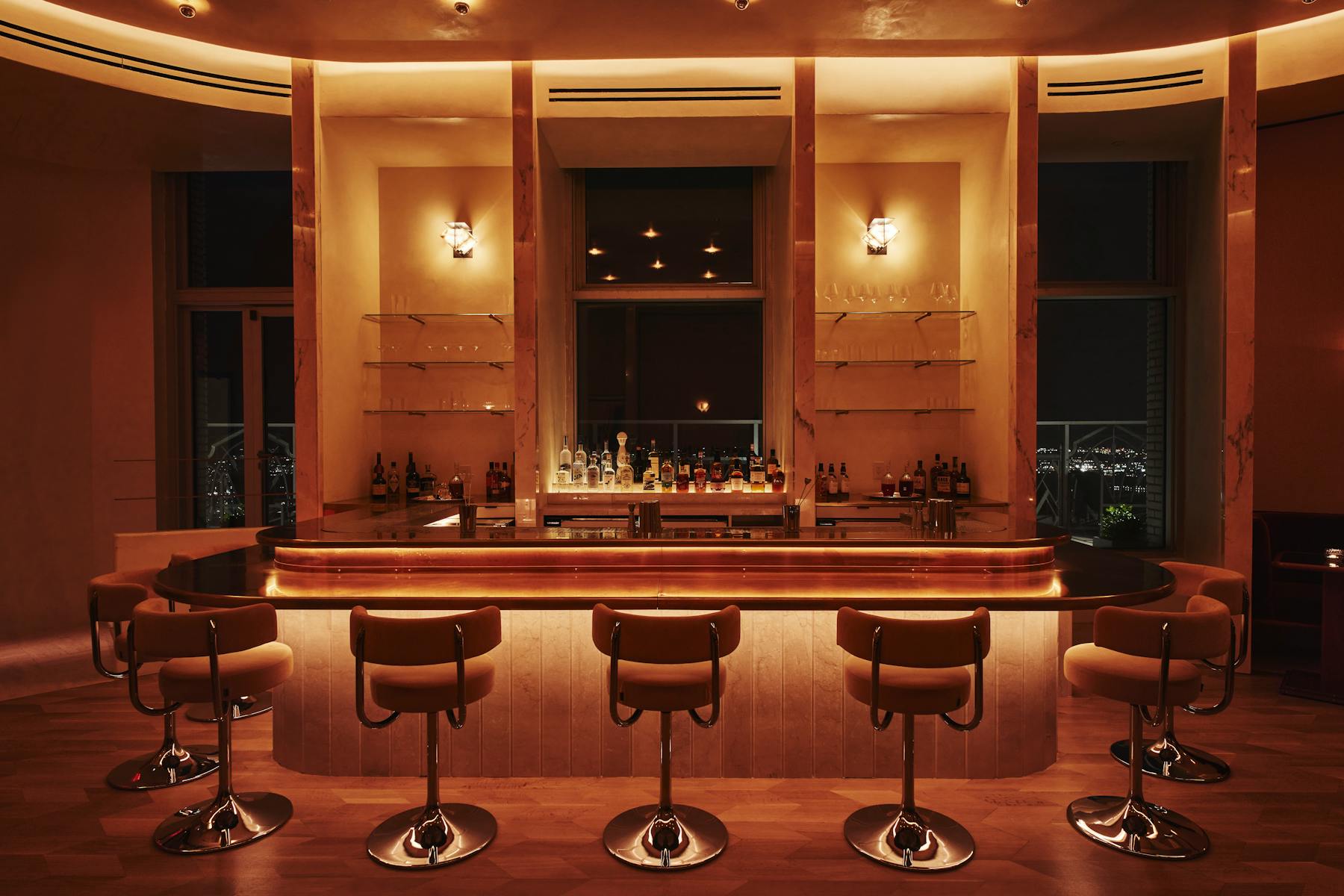
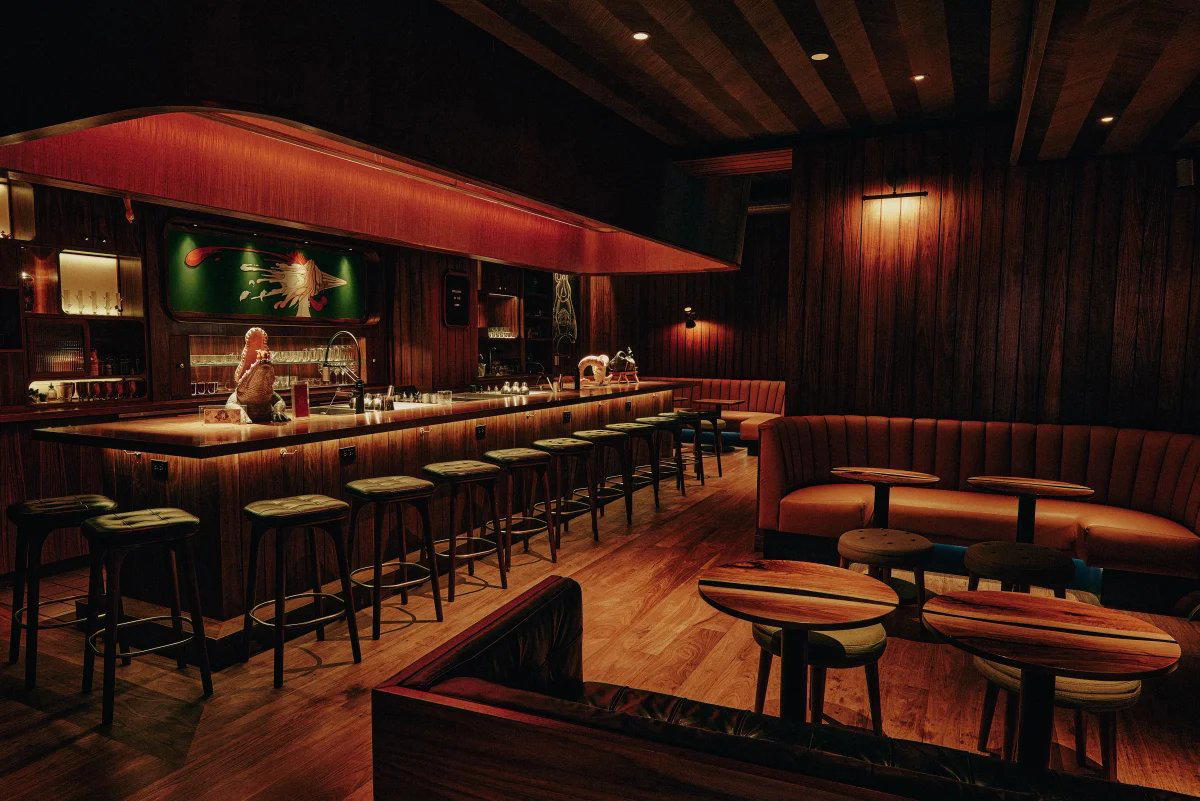
Bars in New York City
Browse all →
Hotels in New York City
Browse all →







At a Glance
- Elegant
- Sophisticated
- Date Night
- Business Dinner
- Group Dining
- Open Kitchen
- Craft Cocktails
Current opening hours
- Monday
- 11 AM–10:30 PM
- Tuesday
- 11 AM–10:30 PM
- Wednesday
- 11 AM–10:30 PM
- Thursday
- 11 AM–10:30 PM
- Friday
- 11 AM–10:30 PM
- Saturday
- 11 AM–10:30 PM
- Sunday
- 11 AM–10:30 PM
Hours can change for holidays and private events. Last verified .
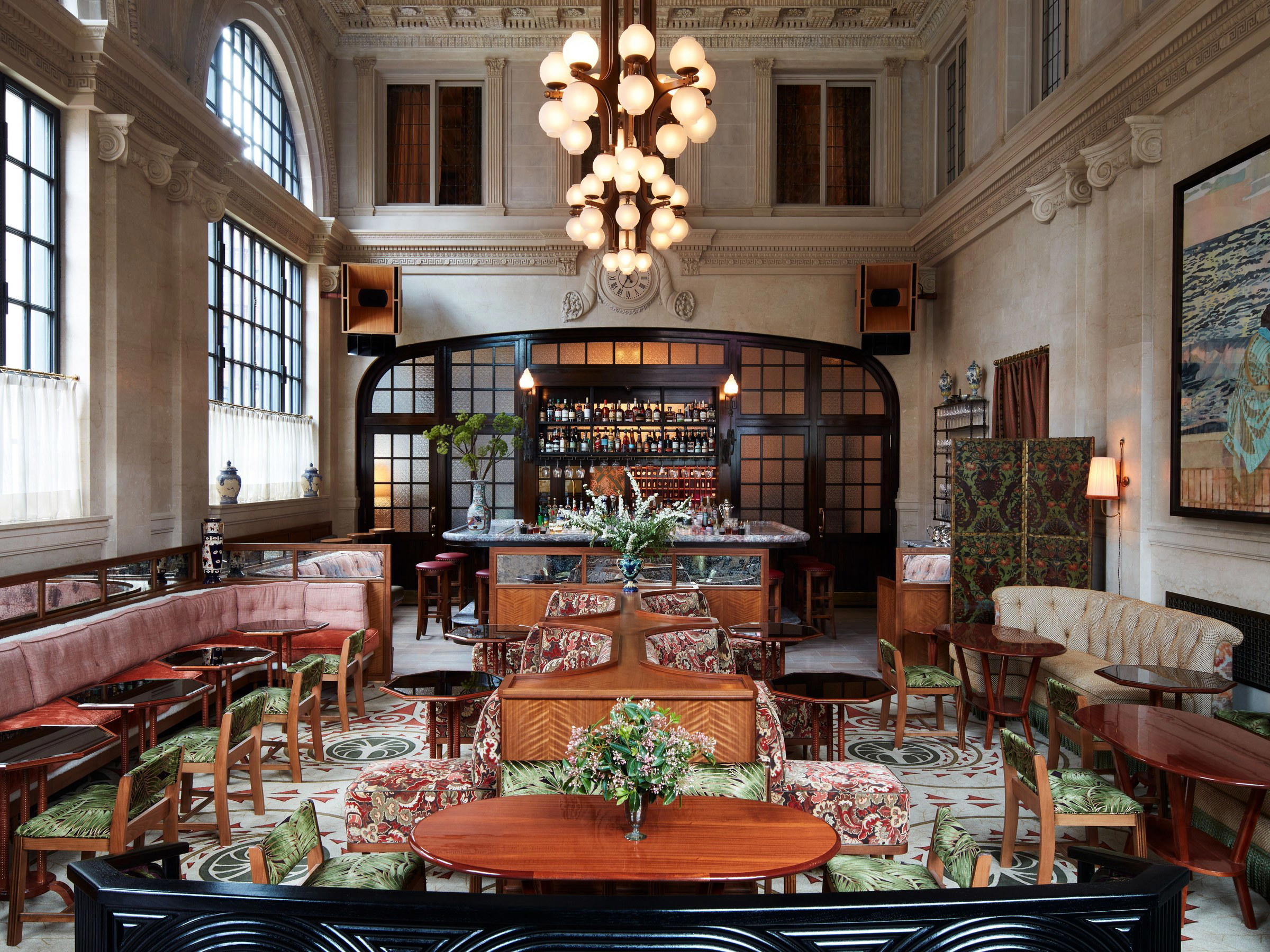
Posh vibe with deep booth tables suitable for sharing multiple dishes.